Emotional Overeating GLP-1 Agonists: What You Need to Know
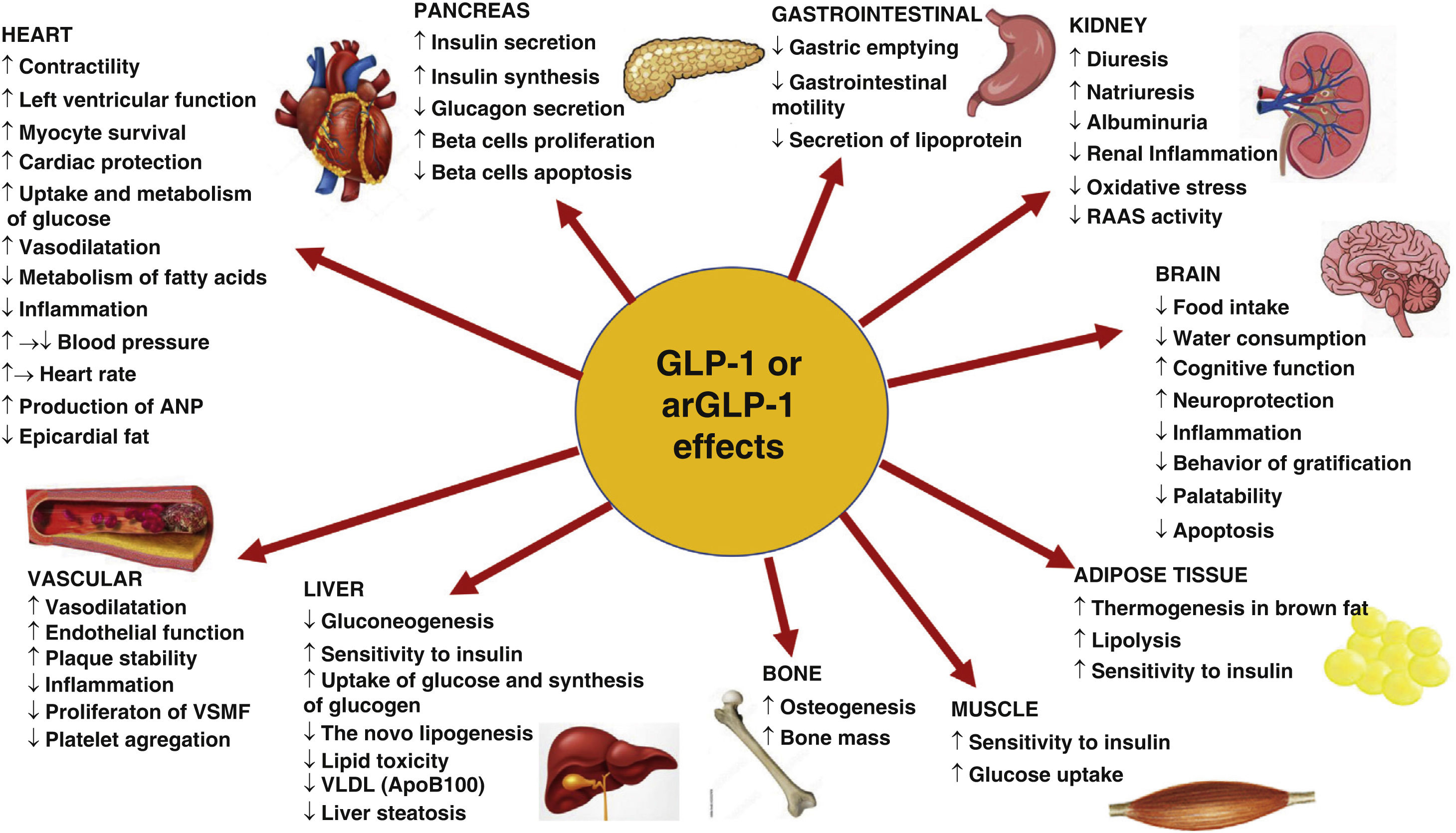
Glucagon-like peptide-1 (GLP-1) agonists have revolutionized the treatment of obesity and type 2 diabetes by targeting the body's natural hunger and fullness hormones. These medications have been shown to be effective in reducing body weight and improving glycemic control in individuals with obesity and diabetes. However, the role of GLP-1 agonists in addressing emotional eating behaviors has been a topic of debate.
Understanding Emotional Eating
Emotional eating is a common behavior that involves consuming food in response to emotional stimuli, rather than hunger. This can lead to overeating and weight gain, and can also contribute to the development of eating disorders such as binge eating disorder and bulimia nervosa. GLP-1 agonists, such as semaglutide and liraglutide, have been shown to reduce appetite and increase feelings of fullness, but their effect on emotional eating behaviors is less clear.
Emotional Eating and GLP-1 Agonists
Research has shown that GLP-1 agonists may be less effective in individuals who experience emotional eating behaviors. A study published in Clinical Diabetes and Healthcare found that while GLP-1 agonists were effective in reducing weight and improving glycemic control in individuals who responded to external food cues, they may not be as effective in individuals who experience emotional eating behaviors.
Another study published in the Journal of Clinical Psychopharmacology found that GLP-1 agonists may be associated with anxiety and depression in some individuals, which could be a concern for individuals who experience emotional eating behaviors.
The Role of GLP-1 in Emotion Regulation
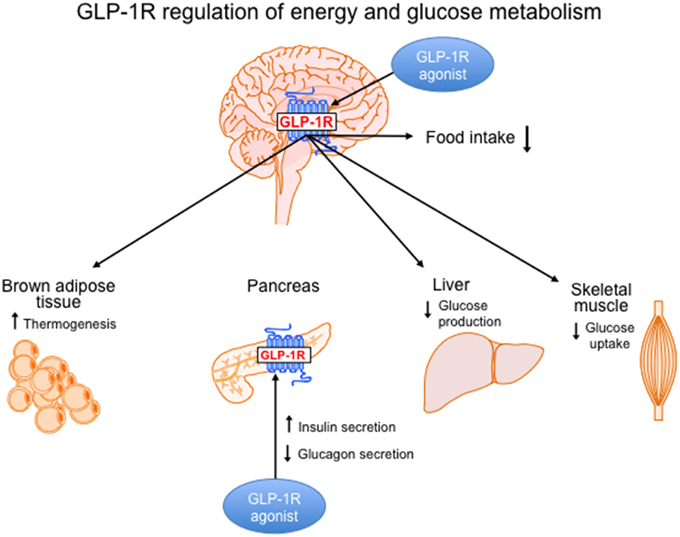
GLP-1 agonists work by mimicking the action of the natural hormone GLP-1, which helps regulate appetite and food intake. However, GLP-1 also has effects on areas of the brain involved in stress response and emotion regulation, suggesting that it may have a role in addressing emotional eating behaviors.
Cognitive Behavioral Approaches

Cognitive behavioral approaches, such as mindfulness and self-compassion, may be effective in addressing emotional eating behaviors. These approaches can help individuals develop a healthier relationship with food and reduce the emotional triggers that lead to overeating.
Implications for Treatment
The findings from these studies have implications for the treatment of obesity and type 2 diabetes. GLP-1 agonists may be effective in reducing weight and improving glycemic control in individuals who respond to external food cues, but may not be as effective in individuals who experience emotional eating behaviors. Cognitive behavioral approaches may be a useful adjunct to GLP-1 agonist therapy in addressing emotional eating behaviors.
Conclusion
Emotional eating is a complex behavior that involves both physiological and psychological factors. GLP-1 agonists have been shown to be effective in reducing appetite and increasing feelings of fullness, but their effect on emotional eating behaviors is less clear. Further research is needed to understand the role of GLP-1 agonists in addressing emotional eating behaviors, and to develop effective treatments for this complex behavior.
Recommendations
Individuals who experience emotional eating behaviors may benefit from cognitive behavioral approaches, such as mindfulness and self-compassion. GLP-1 agonists may be effective in reducing weight and improving glycemic control in individuals who respond to external food cues, but may not be as effective in individuals who experience emotional eating behaviors. Further research is needed to understand the role of GLP-1 agonists in addressing emotional eating behaviors, and to develop effective treatments for this complex behavior.
FAQs
Q: What is GLP-1 and how does it work?
A: GLP-1 is a hormone that helps regulate appetite and food intake. GLP-1 agonists work by mimicking the action of the natural hormone GLP-1.
Q: Can GLP-1 agonists help with emotional eating behaviors?
A: Research suggests that GLP-1 agonists may be less effective in individuals who experience emotional eating behaviors.
Q: What are some effective treatments for emotional eating behaviors?
A: Cognitive behavioral approaches, such as mindfulness and self-compassion, may be effective in addressing emotional eating behaviors.
Q: Can GLP-1 agonists be used in conjunction with cognitive behavioral approaches?
A: Yes, GLP-1 agonists may be effective in reducing weight and improving glycemic control in individuals who respond to external food cues, but may not be as effective in individuals who experience emotional eating behaviors.