Understanding the Carbon Credit Allocation Mechanism: A Key to Climate Action
The world is rapidly transitioning towards a low-carbon economy, and carbon credits have become a vital instrument in reducing greenhouse gas emissions. The carbon credit allocation mechanism is a critical component of this process, ensuring that credits are distributed fairly and effectively. In this article, we will delve into the concept of carbon credits, the carbon credit allocation mechanism, and its significance in the fight against climate change.
What are Carbon Credits?
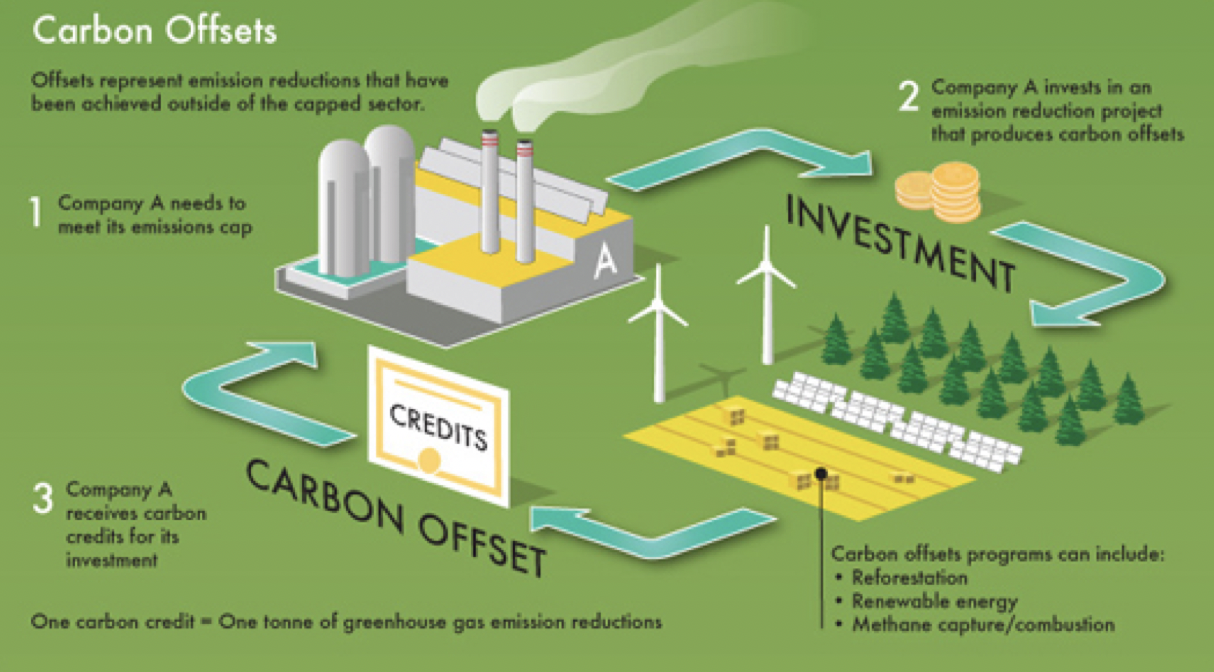
Carbon credits, also known as carbon allowances, are tradable instruments that represent the right to emit a certain amount of greenhouse gases (GHGs) or the right to remove GHGs from the atmosphere. Each credit represents one metric ton of CO2 or its equivalent (CO2e). Carbon credits can be generated through various activities, such as reducing emissions, sequestering carbon, or using renewable energy sources.
Carbon Credit Allocation Mechanism
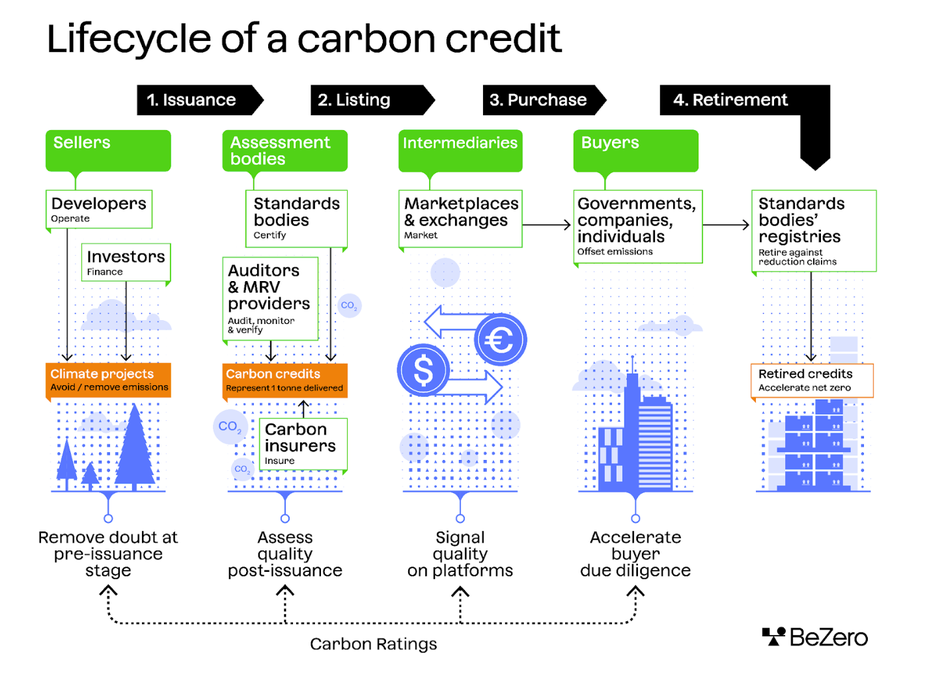
The carbon credit allocation mechanism is a system designed to distribute carbon credits fairly and efficiently. It ensures that credits are allocated to projects that reduce GHG emissions or remove GHGs from the atmosphere. The mechanism typically involves the following steps:
- Validation: The project is verified to ensure it meets the required emission reduction or removal standards.
- Measurement, Reporting, and Verification (MRV): The project's emissions are monitored, reported, and verified to ensure accuracy.
- Credit Issuance: The project is awarded carbon credits based on the verified emission reductions or removals.
The carbon credit allocation mechanism can be categorized into two main types:
- International Mechanisms: Established under international treaties and administered by international organizations, such as the United Nations.
- Independent Mechanisms: Administered by independent, non-governmental entities, such as standards and crediting mechanisms.
Importance of the Carbon Credit Allocation Mechanism

The carbon credit allocation mechanism plays a crucial role in the fight against climate change. By ensuring that credits are distributed fairly and effectively, it:
- Encourages emission reduction projects: The mechanism incentivizes companies and governments to invest in projects that reduce GHG emissions or remove GHGs from the atmosphere.
- Supports sustainable development: Carbon credits can be used to finance sustainable development projects, such as renewable energy, energy efficiency, and reforestation.
- Facilitates international cooperation: The mechanism enables countries to work together on reducing GHG emissions and sharing knowledge and best practices.
Challenges and Opportunities
While the carbon credit allocation mechanism has the potential to drive emission reductions and sustainable development, it also faces several challenges, including:
- Monitoring and verification: Ensuring the accuracy of emission reductions or removals can be complex and resource-intensive.
- Additionality: Verifying that projects would not have occurred without the carbon credit incentive can be challenging.
- Supply and demand: The market for carbon credits can be subject to fluctuations in supply and demand, affecting prices and credit values.
Despite these challenges, the carbon credit allocation mechanism offers opportunities for:
- Closed-loop systems: Implementing mechanisms that ensure the additionality and environmental integrity of carbon credits.
- Market-based approaches: Encouraging the development of robust and transparent carbon markets.
- International cooperation: Enhancing global coordination and knowledge sharing on carbon credit allocation mechanisms.
Conclusion
The carbon credit allocation mechanism is a critical component of the global effort to reduce GHG emissions and mitigate climate change. By understanding the mechanism and its challenges, we can work towards creating a more effective and efficient system for distributing carbon credits. This, in turn, can help drive sustainable development, encourage emission reductions, and support international cooperation on climate action.