Understanding GLP-1 and Glucagon-like Peptide 1 Receptor Activation
The glucagon-like peptide 1 (GLP-1) hormone plays a crucial role in regulating various physiological processes, including blood sugar levels, appetite, and digestion. It is produced in the small intestine and has a significant impact on energy homeostasis.
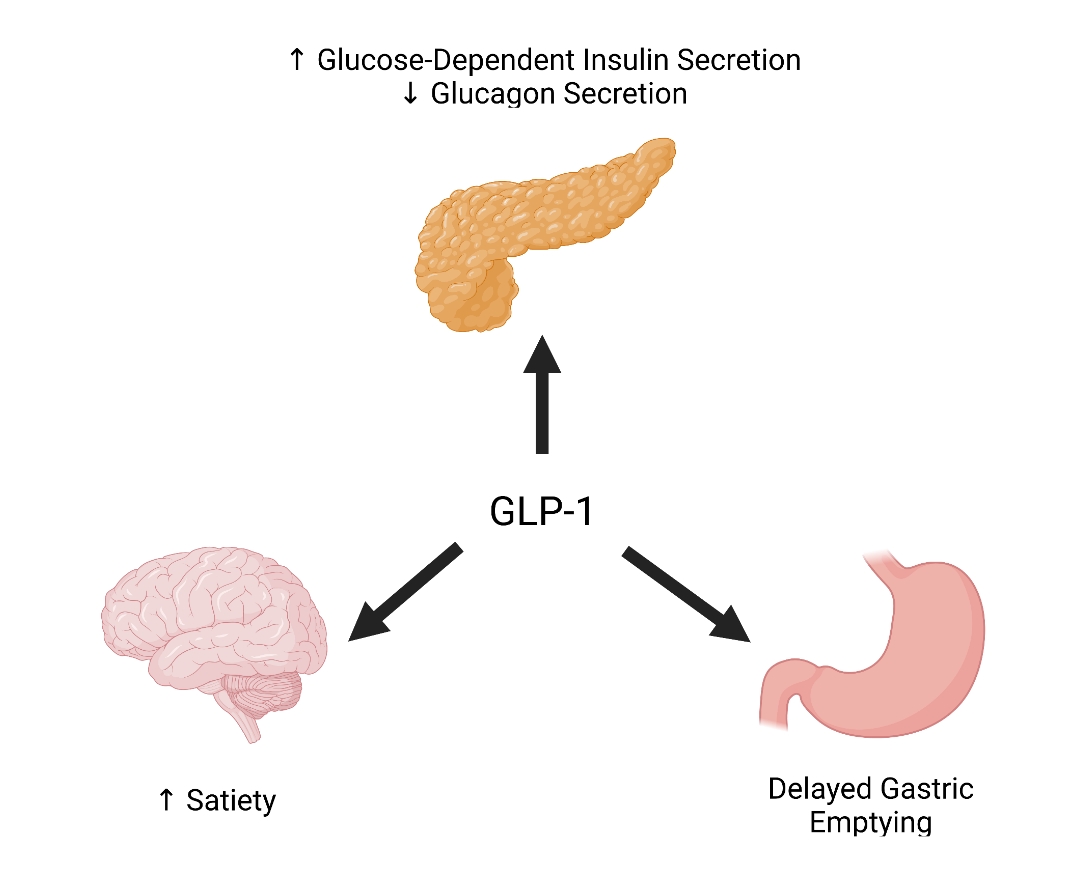
GLP-1 exerts its effects by activating the GLP-1 receptor, a type of G protein-coupled receptor (GPCR) found on the surface of various cell types. Activation of this receptor triggers a series of signaling pathways that promote glucose-dependent insulin secretion, slow gastric emptying, and suppress glucagon release.
The GLP-1 Receptor and Its Signaling Pathways
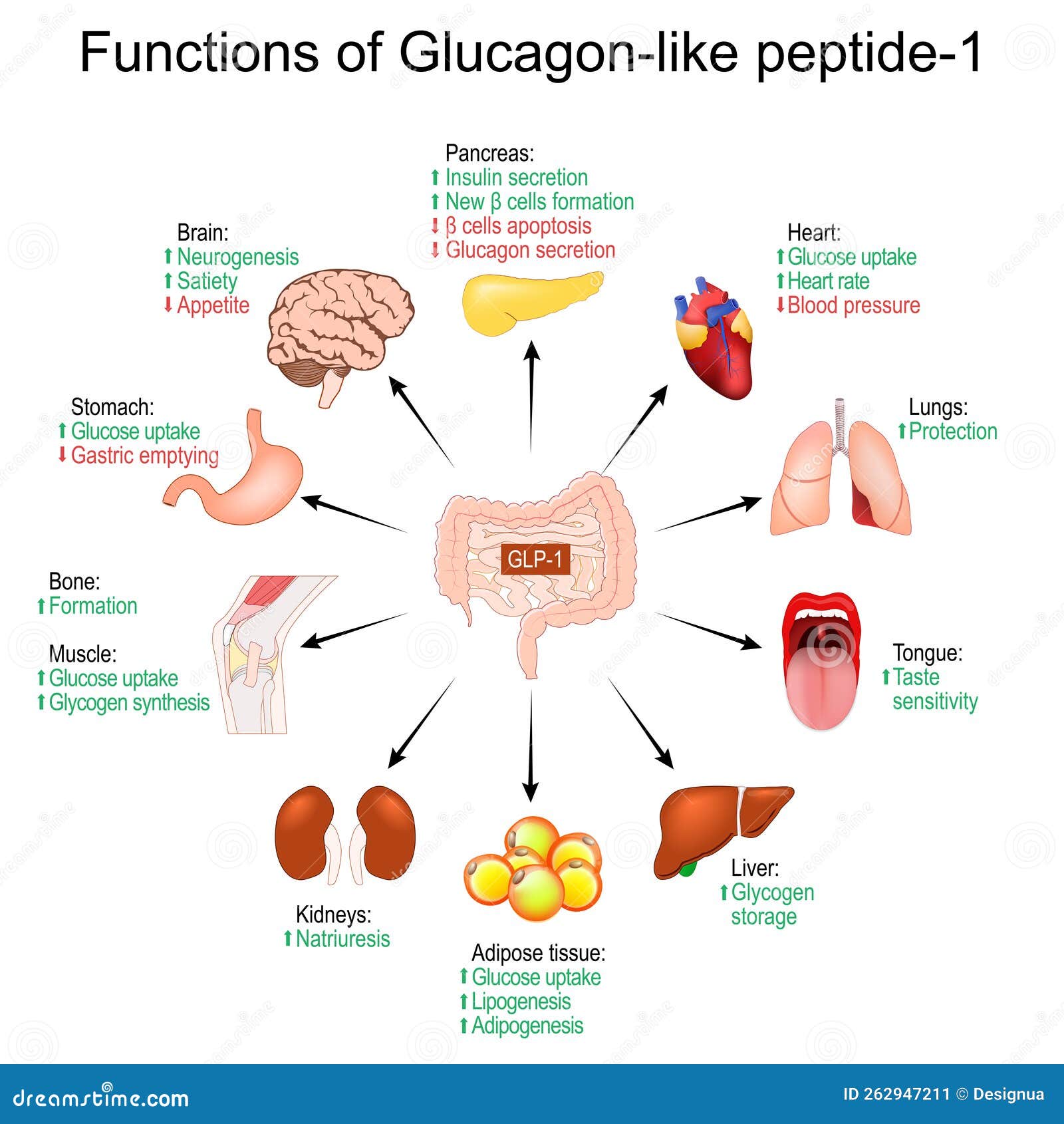
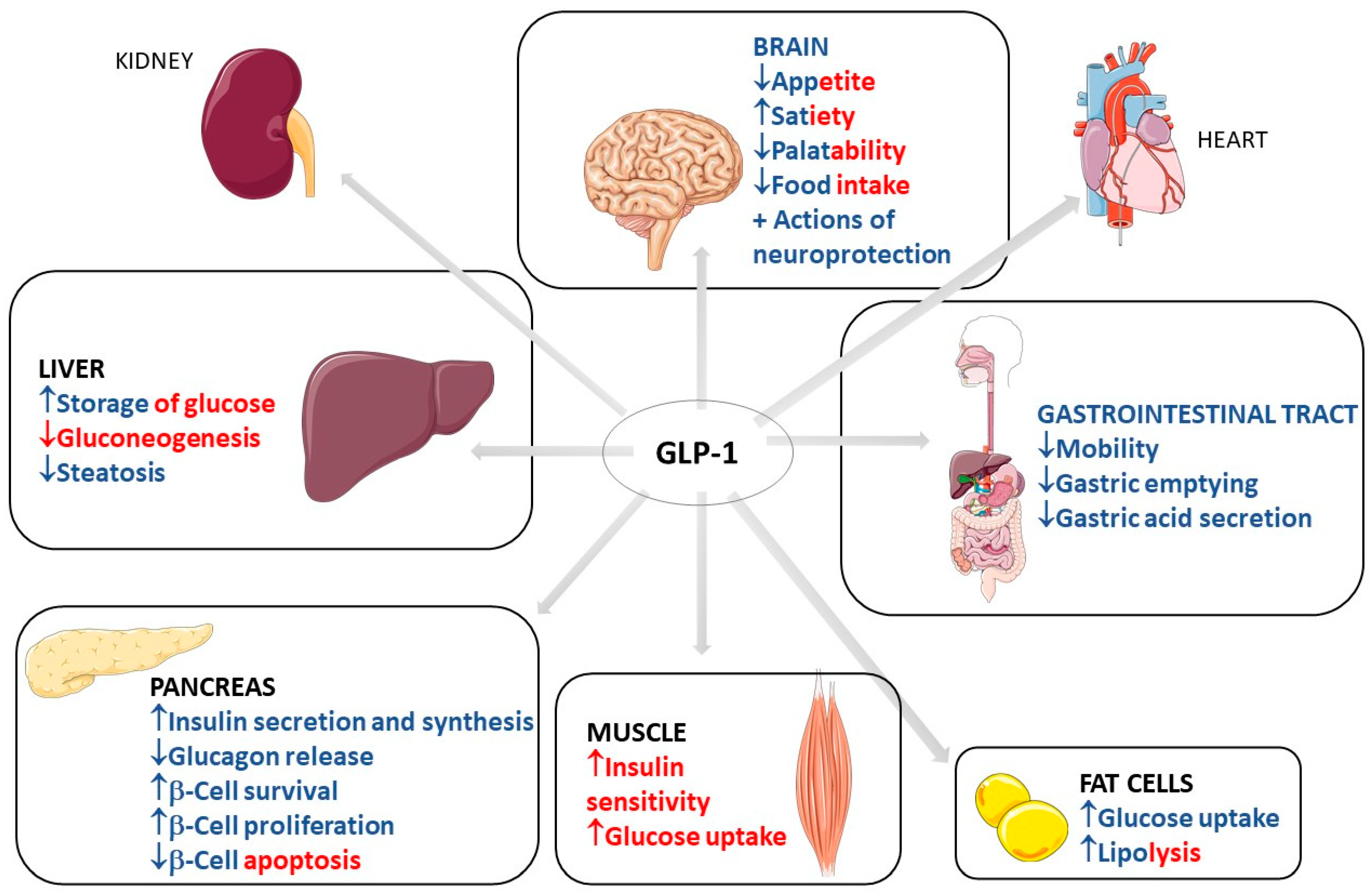
The GLP-1 receptor is a key component of the GLP-1 signaling pathway, and its activation has been shown to have various physiological effects. These include:
- Enhanced glucose-dependent insulin secretion
- Delayed gastric emptying
- Suppressed glucagon release
- Central appetite suppression
- Neuroprotection and anti-inflammatory effects
These effects are mediated through the activation of various signaling pathways, including the cAMP-PKA pathway, the PI3K-Akt pathway, and the MAPK pathway. The GLP-1 receptor also interacts with other receptors and signaling molecules, such as the GIP receptor, to modulate its effects.
GLP-1 Receptor Agonists and Their Therapeutic Applications
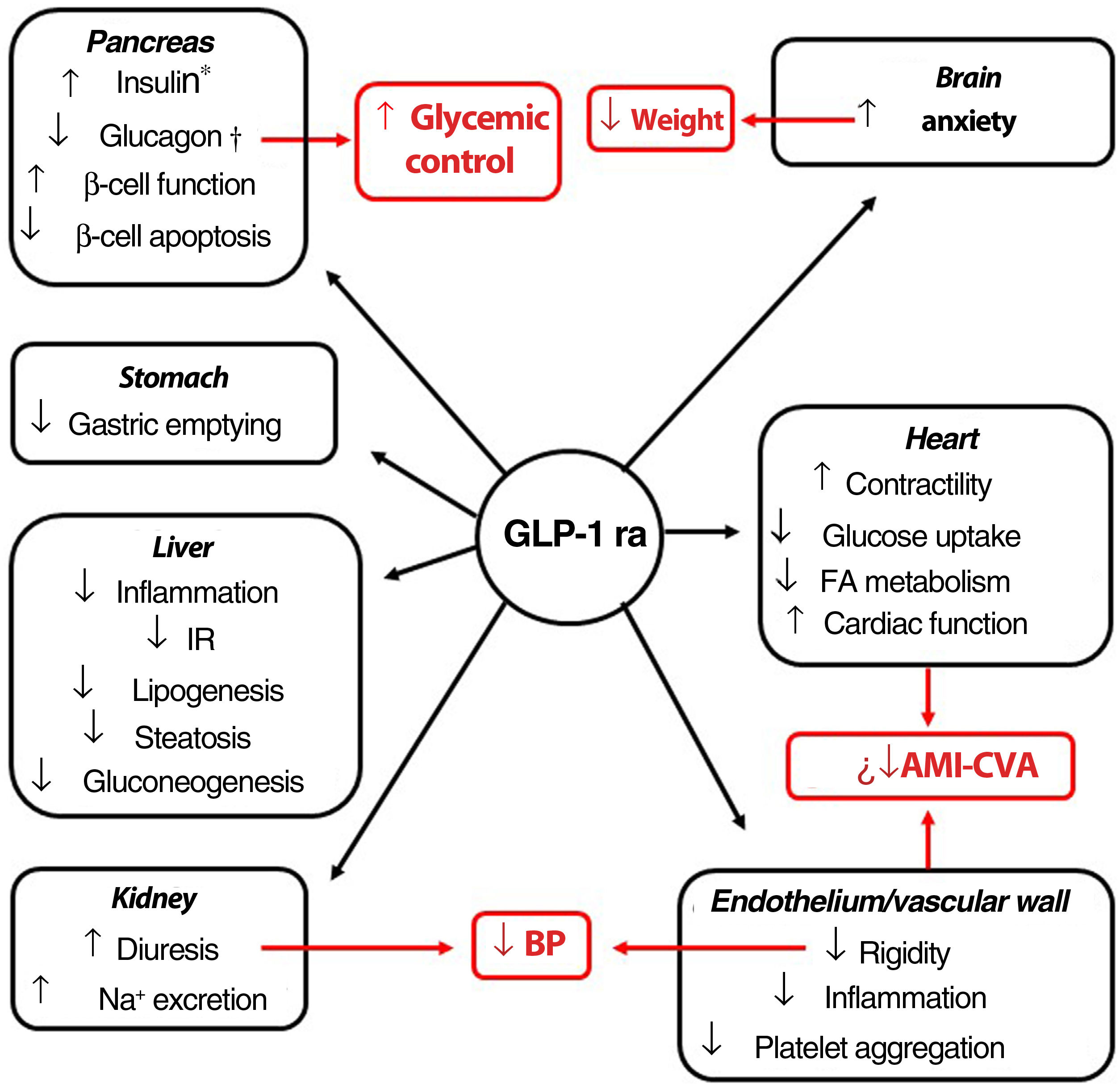
GLP-1 receptor agonists are a class of medications that mimic the action of GLP-1 by activating the GLP-1 receptor. These medications have been shown to have various therapeutic benefits, including:
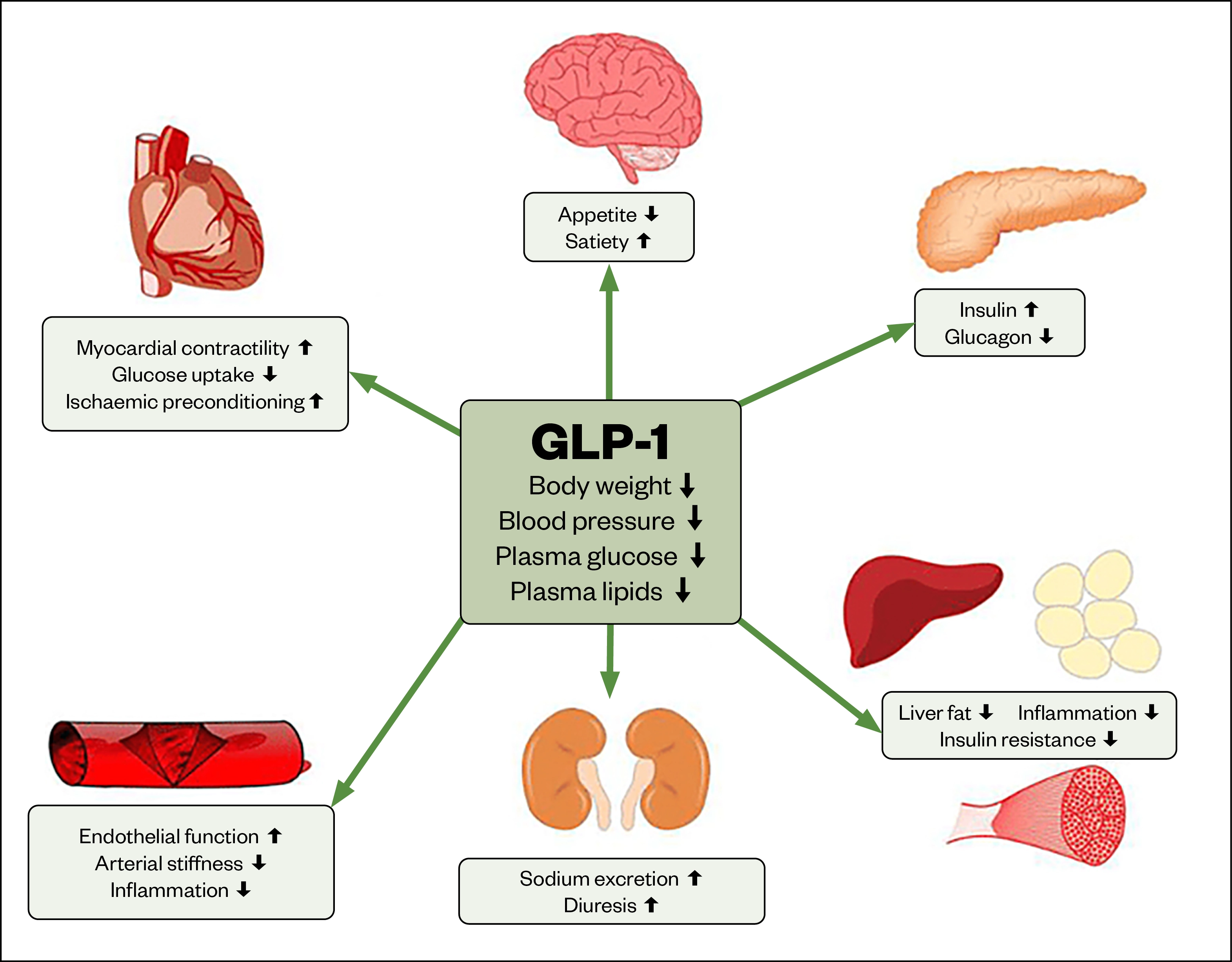
- Improved glycemic control
- Weight loss
- Reduced risk of major adverse cardiovascular events
- Reduced risk of worsening kidney disease and kidney failure
- Anti-inflammatory effects
Examples of GLP-1 receptor agonists include semaglutide, exenatide, and liraglutide, which have been approved for the treatment of type 2 diabetes and obesity. These medications work by activating the GLP-1 receptor and promoting glucose-dependent insulin secretion, slow gastric emptying, and suppressed glucagon release.
The Future of GLP-1 Receptor Research
Recent studies have provided new insights into the mechanisms of GLP-1 receptor activation and its therapeutic applications. These studies have also highlighted the potential of GLP-1 receptor agonists in treating various diseases, including Alzheimer's disease, Parkinson's disease, and depression.
Future research will focus on developing new GLP-1 receptor agonists with improved efficacy and safety profiles, as well as exploring their potential therapeutic applications in various diseases. Additionally, researchers will continue to investigate the mechanisms of GLP-1 receptor activation and its interactions with other receptors and signaling molecules.
Conclusion
GLP-1 and glucagon-like peptide 1 receptor activation play a crucial role in regulating various physiological processes, including blood sugar levels, appetite, and digestion. GLP-1 receptor agonists have been shown to have various therapeutic benefits and are being explored for their potential applications in treating various diseases. Further research will continue to uncover the mechanisms of GLP-1 receptor activation and its therapeutic applications.