Managing Brand Crisis: A Comprehensive Guide to Protecting Your Reputation
In today's fast-paced business environment, managing brand crisis has become an essential aspect of maintaining a positive reputation and customer trust. A brand crisis can strike at any moment, threatening your company's image, values, and ultimately, its bottom line.What is a Brand Crisis?
A brand crisis occurs when a company's reputation, image, or values are threatened by a negative event, such as a product recall, a scandal, a lawsuit, or a social media backlash. This crisis can have serious consequences for a business, including losing customers, sales, market share, and even its brand identity.
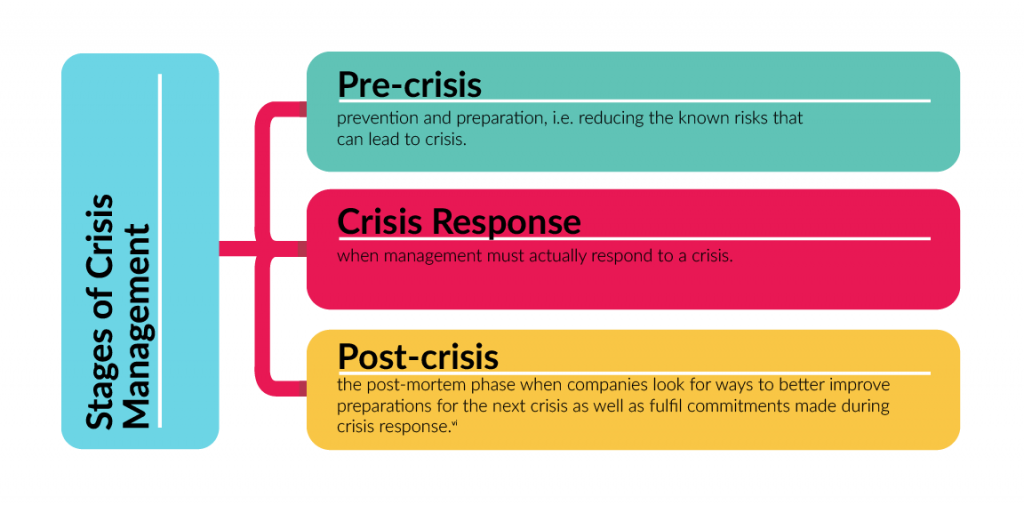
Stages of a Brand Crisis
A brand crisis typically goes through several stages, including:
- Initial response: The initial reaction to the crisis, which can either exacerbate or mitigate the situation.
- Damage control: Efforts to contain the damage and prevent further escalation.
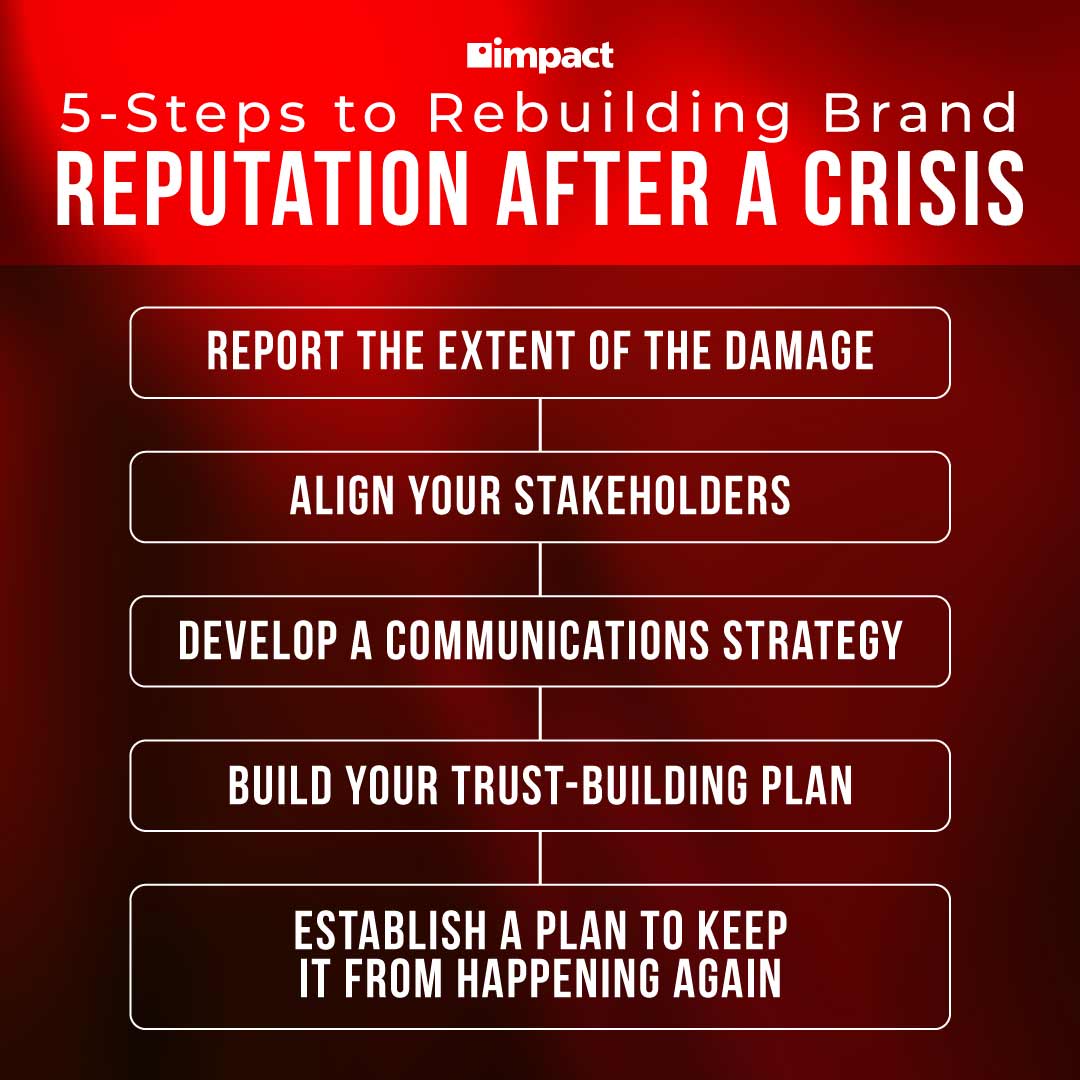
- Recovery: Strategies to restore the brand's reputation and regain customer trust.
Effective Crisis Management Strategies
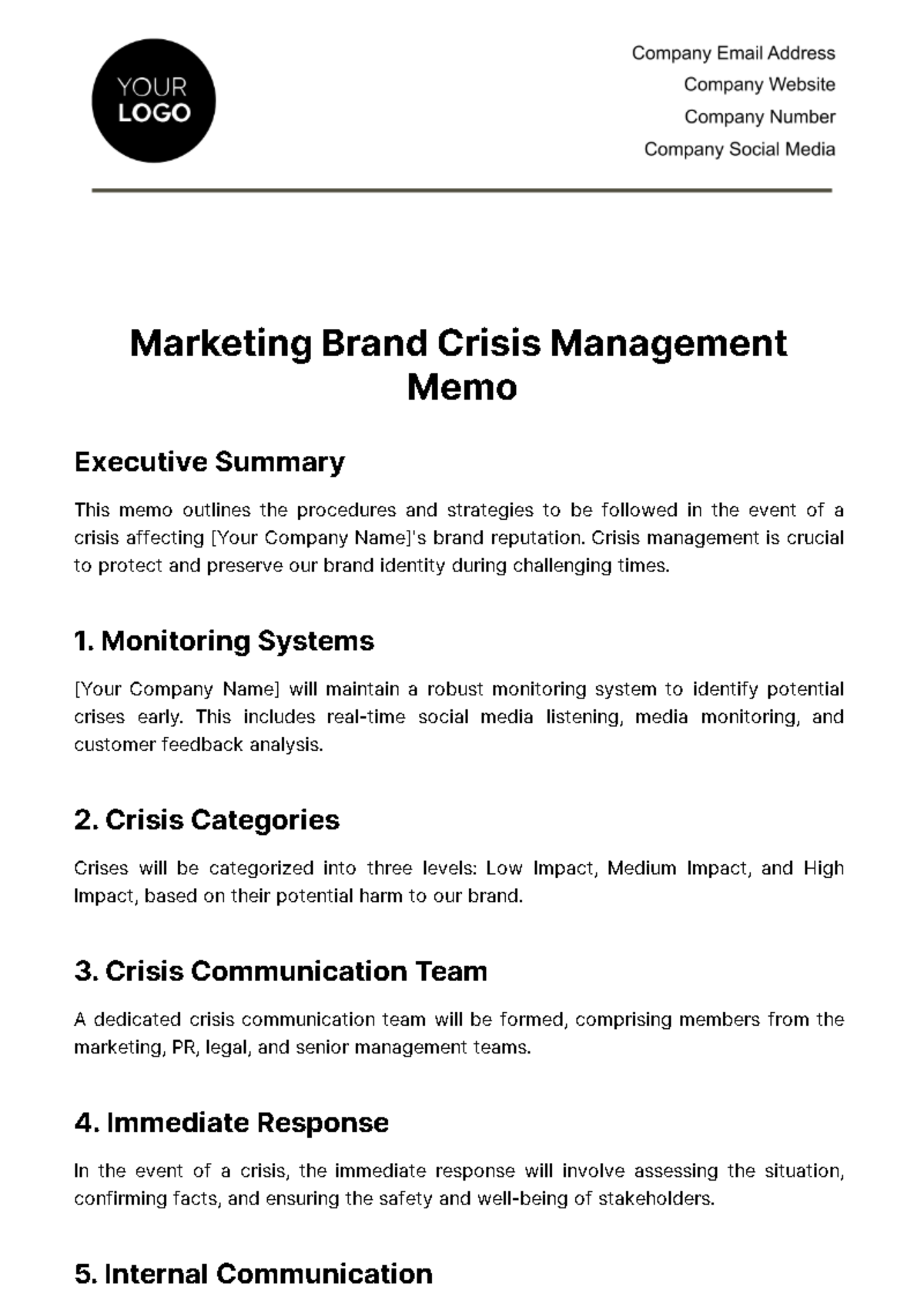
Managing a brand crisis requires a proactive and comprehensive approach. Here are some effective strategies to consider:
- Prepare for the unexpected: Develop a crisis management plan that outlines the necessary steps to take in case of a crisis.
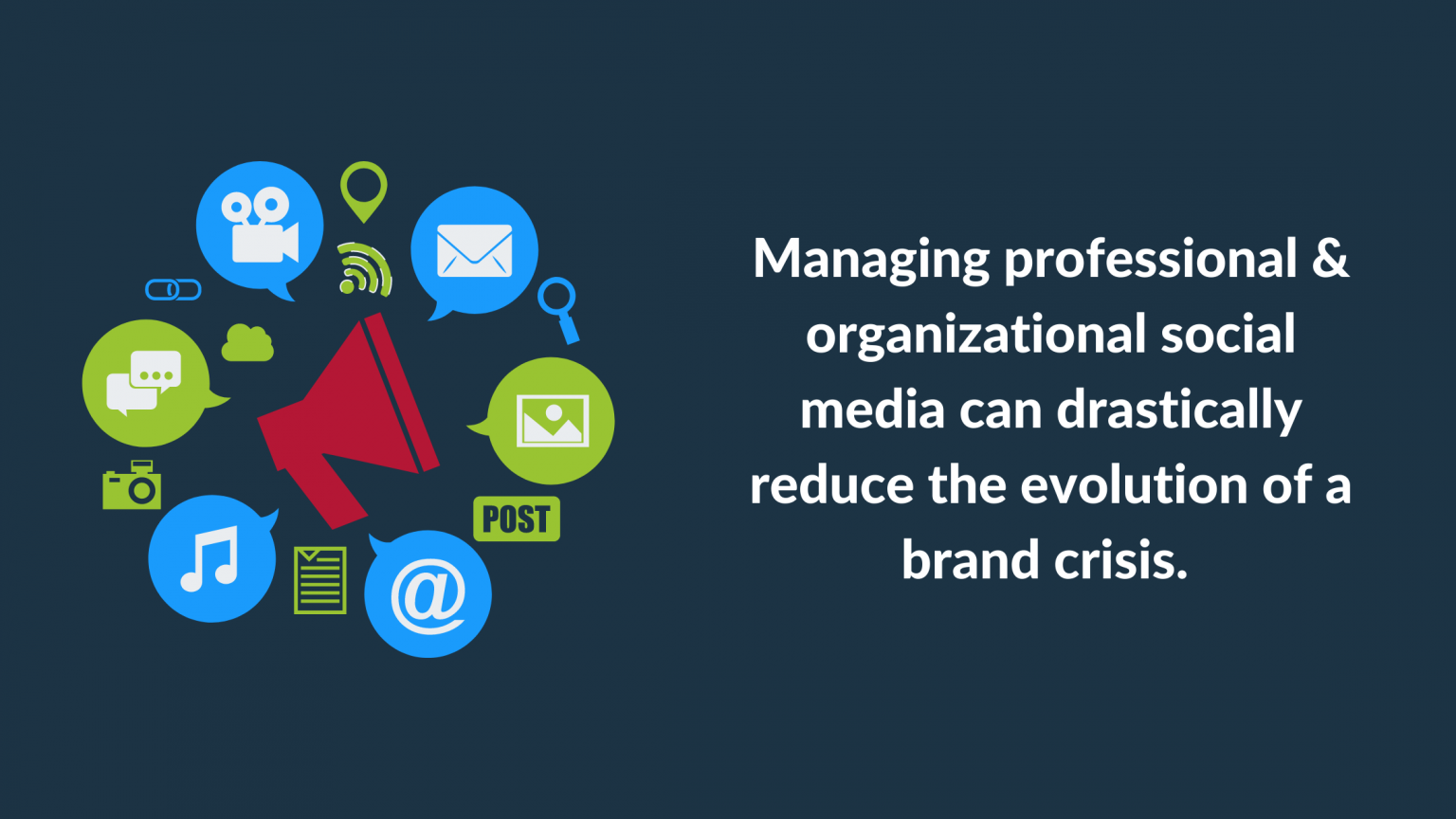
- Monitor and respond: Continuously monitor social media and other channels for potential issues and respond promptly to prevent escalation.
- Communicate clearly: Share accurate and timely information with stakeholders to maintain transparency and trust.
- Focus on solutions: Emphasize the steps you're taking to address the crisis and prevent future incidents.
- Rebuild trust: Develop strategies to regrow customer loyalty and trust, such as apology campaigns, loyalty programs, or community engagement initiatives.

Key Players in Managing Brand Crisis
Managing a brand crisis requires collaboration and coordination among various stakeholders, including:
- Communications team: Responsible for crafting key messages, issuing statements, and maintaining communication channels.
- Marketing team: Focuses on restoring customer trust and loyalty through targeted marketing campaigns.
- PR team: Handles media relations, crisis communication, and reputation management.
- Social media team: Monitors social media conversations, responds to queries, and maintains a consistent brand voice.
Technological Tools for Managing Brand Crisis
Technology can play a crucial role in managing a brand crisis by providing valuable insights, automating responses, and maintaining a consistent brand voice:
- Monitoring tools: Track social media conversations, keywords, and hashtags to stay on top of potential issues.
- CRMS (Crisis Resolution Management Systems): Automate response processes, flag potential issues, and analyze crisis impact.
- Chatbots: Provide instant support and answers to customer queries, helping to maintain a positive brand image.
- Analytics tools: Help measure the crisis' impact and provide insights for future crisis management strategies.
Conclusion
Managing a brand crisis requires a proactive and comprehensive approach, involving multiple stakeholders and utilizing the right technology. By following the strategies outlined in this article, brands can minimize the impact of a crisis, restore customer trust, and emerge stronger and more resilient than ever before.