Do DNA Tests Reveal Health Info?
Genetic testing has become increasingly popular over the years, with many individuals seeking to learn more about their ancestry, health risks, and genetic traits. However, one of the most common questions people have is: do DNA tests reveal health info?
What Can DNA Tests Reveal?
DNA tests can provide a wealth of information about your genetic makeup, including your ancestry, health risks, and even your likelihood of developing certain conditions. These tests can also help identify genetic disorders, predict disease risk, and provide insights into your genetic traits, such as eye color and hair texture.
The types of health information that DNA tests can reveal include:
- Genetic disorders, such as sickle cell anemia and cystic fibrosis
- Health risks, such as a higher likelihood of heart disease, diabetes, or breast cancer
- Carrier status for certain genetic conditions, such as Tay-Sachs disease or muscular dystrophy
- Pharmacogenetic information, which can help your healthcare provider choose the most effective medications for you
How Do DNA Tests Work?
DNA tests work by analyzing your DNA, which is the blueprint of your genes. This is done by taking a sample of your blood, saliva, or tissue, and sending it to a laboratory for analysis. The laboratory then uses specialized equipment to extract your DNA and examine it for any genetic variations that may indicate a health risk or condition.
The most common types of DNA tests include:
- Genetic sequencing: This type of test examines the entire DNA sequence to identify genetic variations
- Microarray analysis: This type of test examines specific parts of the DNA to identify genetic variations
- Hereditary cancer panel tests: These tests examine multiple genes associated with cancer for possible mutations
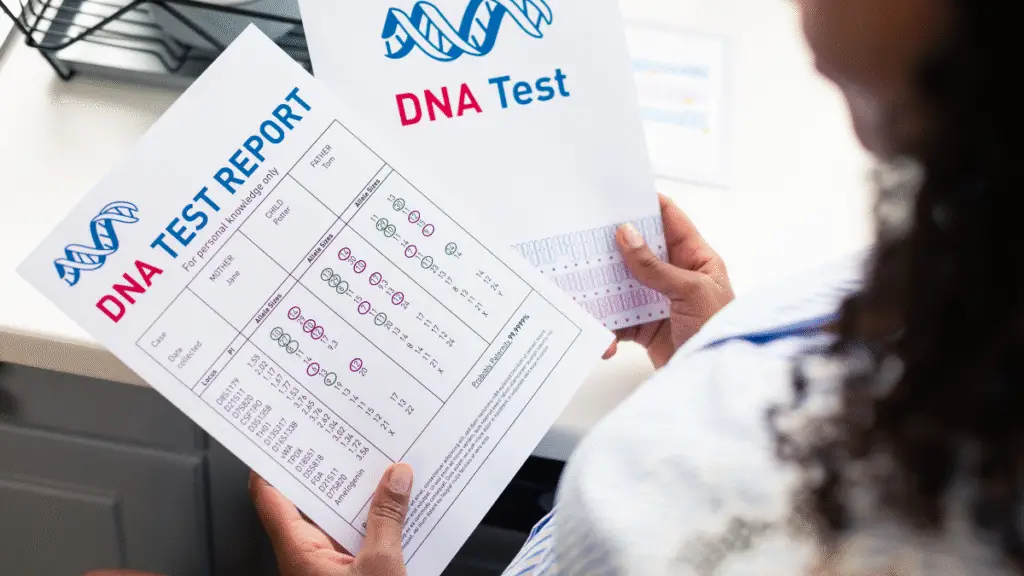
Are DNA Tests Accurate?
While DNA tests can provide valuable insights into your health and ancestry, their accuracy is not 100%. The accuracy of a DNA test depends on several factors, including the type of test, the sample quality, and the interpretation of results. Additionally, DNA tests cannot diagnose or predict the onset of diseases with certainty.
It's also worth noting that DNA tests can have false positives or false negatives, which can lead to unnecessary anxiety or complacency. It's essential to consult with a healthcare provider before undergoing a DNA test and to carefully review the results with a healthcare professional.
What Do I Need to Consider Before Taking a DNA Test?
Before taking a DNA test, consider the following:
- The purpose of the test: Are you looking to learn about your ancestry, health risks, or genetic traits?
- The type of test: Different tests can provide different levels of information
- The accuracy of the test: Understand the limitations and potential inaccuracies of the test
- Your insurance coverage: Some insurance providers may not cover DNA testing
- Your data security: Consider the company's policies on data storage and protection
Conclusion
DNA tests can provide valuable insights into your health, ancestry, and genetic traits, but it's essential to understand the limitations and potential inaccuracies of these tests. Always consult with a healthcare provider before undergoing a DNA test and carefully review the results with a healthcare professional. By being informed and prepared, you can make the most of your DNA test and gain a deeper understanding of your genetic makeup.
So, do DNA tests reveal health info? The answer is yes, but it's essential to approach this information with a critical and nuanced perspective. By understanding what your DNA test can and cannot reveal, you can make informed decisions about your health and well-being.







:max_bytes(150000):strip_icc()/best-dog-dna-tests-4176499_FINAL-2902fb6dc9424c18b18f0b73dbe60f21.jpg "Easy At-Home DNA Testing and Genetic Testing | HomeDNA")