Climate Change Mitigation Credits: A Crucial Tool in the Fight Against Climate Change
What are Climate Change Mitigation Credits?
Climate change mitigation credits are a type of carbon credit that represents a verified reduction or removal of greenhouse gas emissions from various projects or activities. These credits can be purchased by companies, governments, or individuals to offset their own emissions and demonstrate their commitment to reducing their carbon footprint.
The Role of Climate Change Mitigation Credits in the Fight Against Climate Change
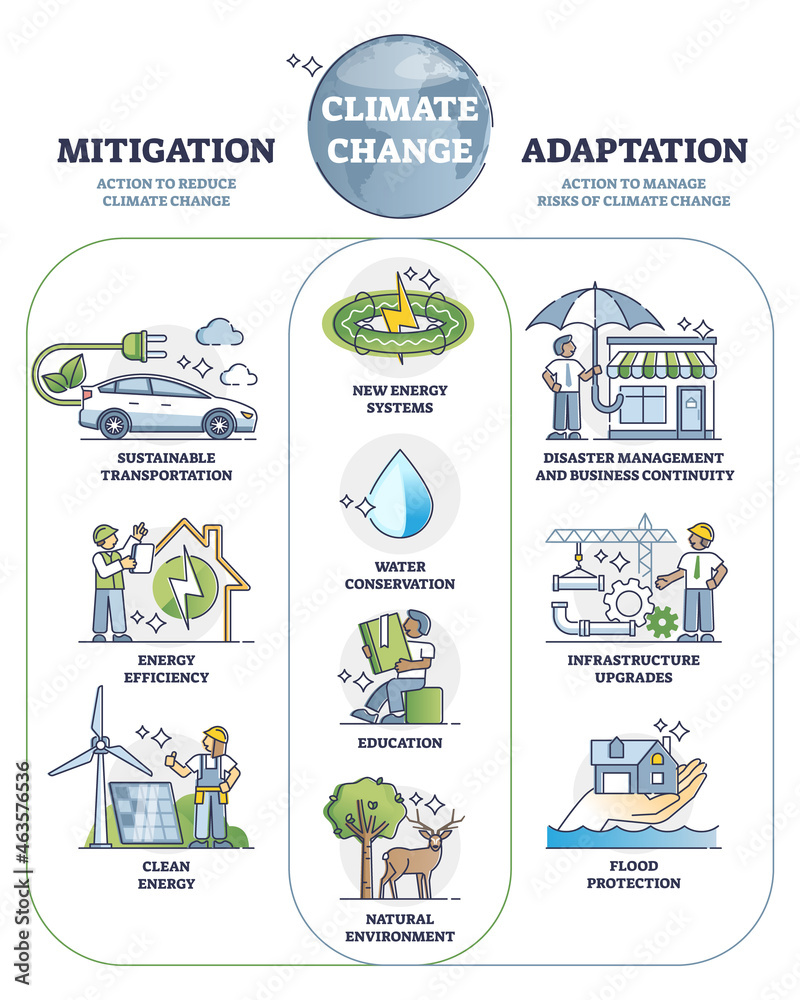
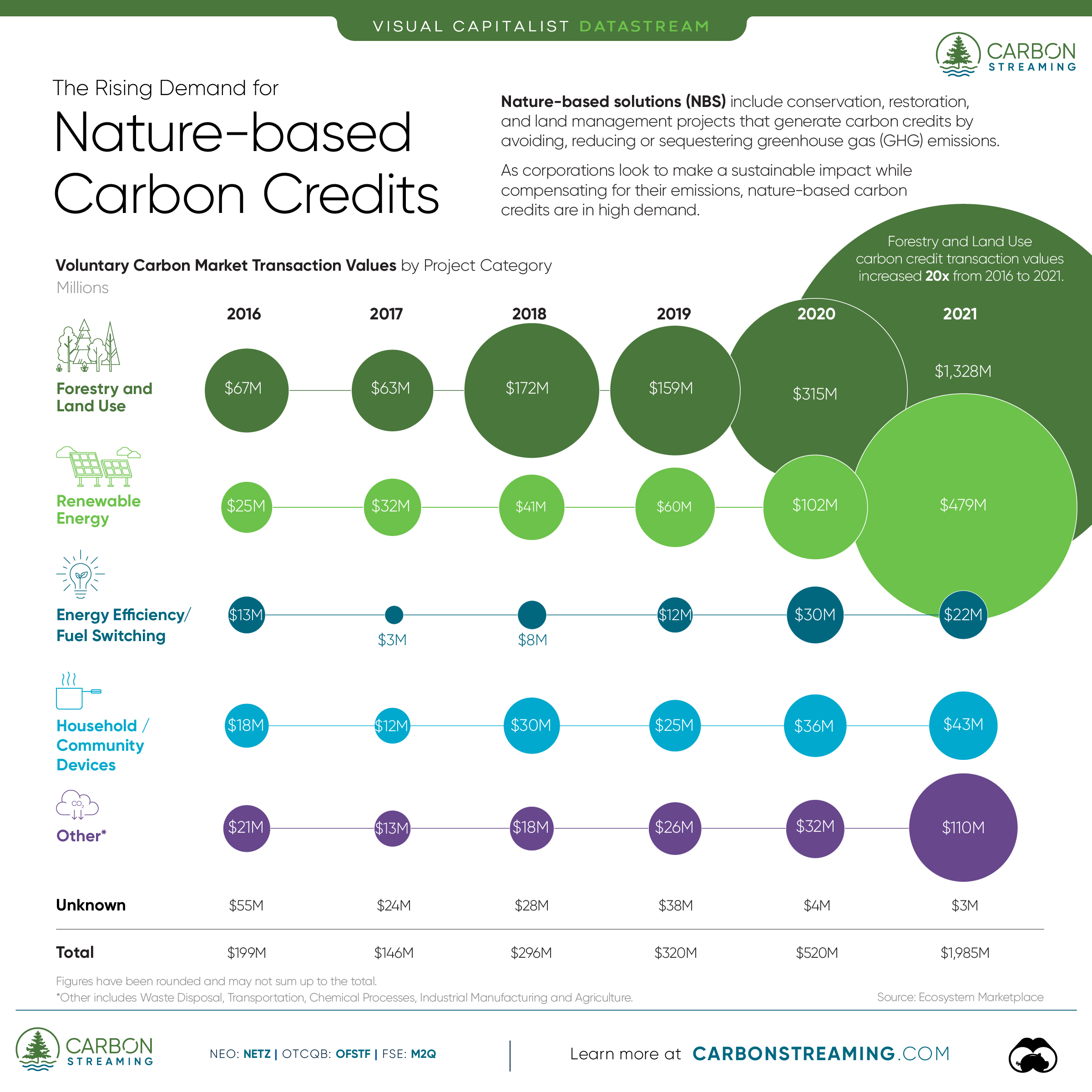
Climates change mitigation credits play a crucial role in the fight against climate change by providing a mechanism for companies and governments to compensate for their emissions and promote sustainability. By purchasing climate change mitigation credits, individuals and organizations can support projects that reduce greenhouse gas emissions, such as reforestation, renewable energy projects, and energy-efficient technologies.
Types of Climate Change Mitigation Credits
- Renewable Energy Credits (RECs): These credits represent the environmental attributes of one megawatt-hour (MWh) of renewable energy generated from sources like solar, wind, and hydro power.
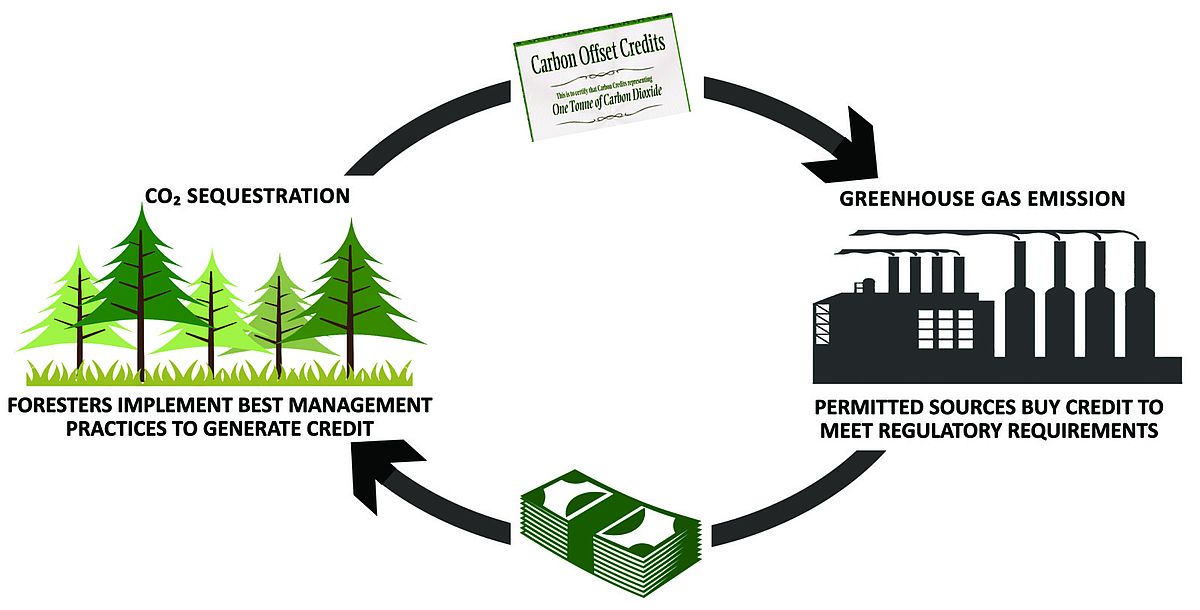
- Carbon Offset Credits: These credits represent the reduction of greenhouse gas emissions from projects such as reforestation, energy efficiency, and waste management.
- Sustainable Development Mechanism (SDM) Credits: These credits represent the reduction of greenhouse gas emissions from projects that promote sustainable development in developing countries.
Benefits of Climate Change Mitigation Credits
Climate change mitigation credits offer several benefits, including:
- Reducing greenhouse gas emissions: By investing in climate change mitigation projects, companies and governments can reduce their greenhouse gas emissions and meet their climate change targets.
- Enhancing sustainability: Climate change mitigation credits promote the development of sustainable practices and technologies, such as renewable energy and energy efficiency.
- Supporting economic growth: Climate change mitigation projects can create jobs and stimulate economic growth in local communities.
Challenges and Limitations of Climate Change Mitigation Credits
While climate change mitigation credits offer several benefits, there are also challenges and limitations associated with their use. Some of the challenges include:
- Lack of standardization: Climate change mitigation credits are not standardized, which can make it difficult to compare and trade them.
- Lack of transparency: There is a risk of double counting and double selling of credits, which can undermine the effectiveness of climate change mitigation efforts.
- Limited credibility: Some climate change mitigation credits may not be verified or certificated, which can limit their credibility.
Conclusion
Climate change mitigation credits are a crucial tool in the fight against climate change. By providing a mechanism for companies and governments to compensate for their emissions, climate change mitigation credits promote the development of sustainable practices and technologies. While there are challenges and limitations associated with the use of climate change mitigation credits, they can be a useful tool in reducing greenhouse gas emissions and mitigating the impacts of climate change.
References
- International Renewable Energy Agency (IRENA). (2020). Renewable Energy Market Analysis: How Renewable Energy Can Help Mitigate Climate Change.
- Climate and Clean Air Coalition (CCAC). (2020). Climate Change Mitigation Credits: A Guide for Governments and Businesses.
- World Wide Fund for Nature (WWF). (2020). Climate Change Mitigation Credits: A Tool for Sustainability.