How to Incorporate GLP-1 Agonists into a Flexitarian Diet
As a flexitarian, you're likely well-versed in the importance of a balanced diet and regular exercise for achieving optimal health. However, incorporating GLP-1 agonist medications into your lifestyle may require some adjustments to ensure you're getting the most out of your treatment.
What Are GLP-1 Agonists?
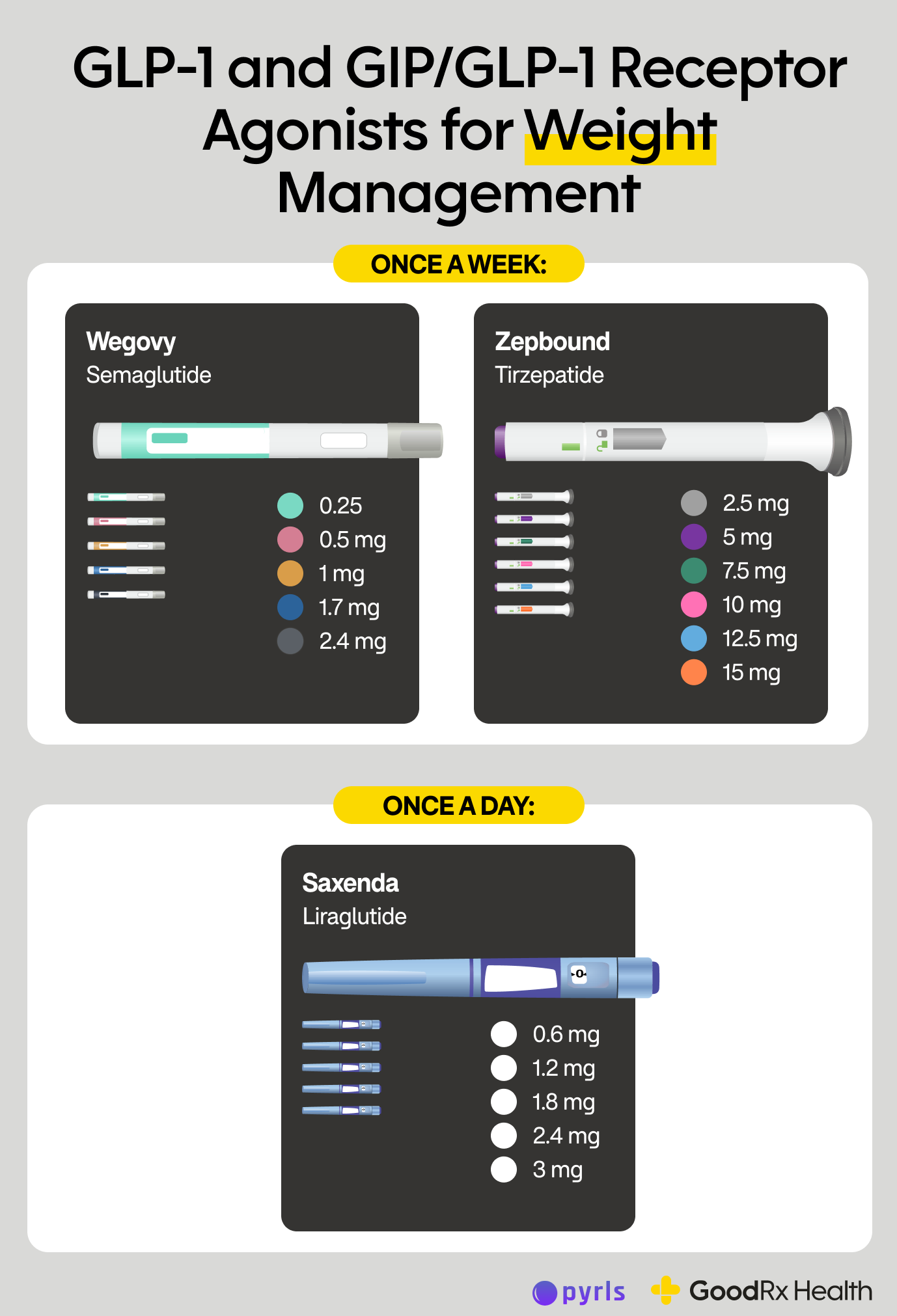
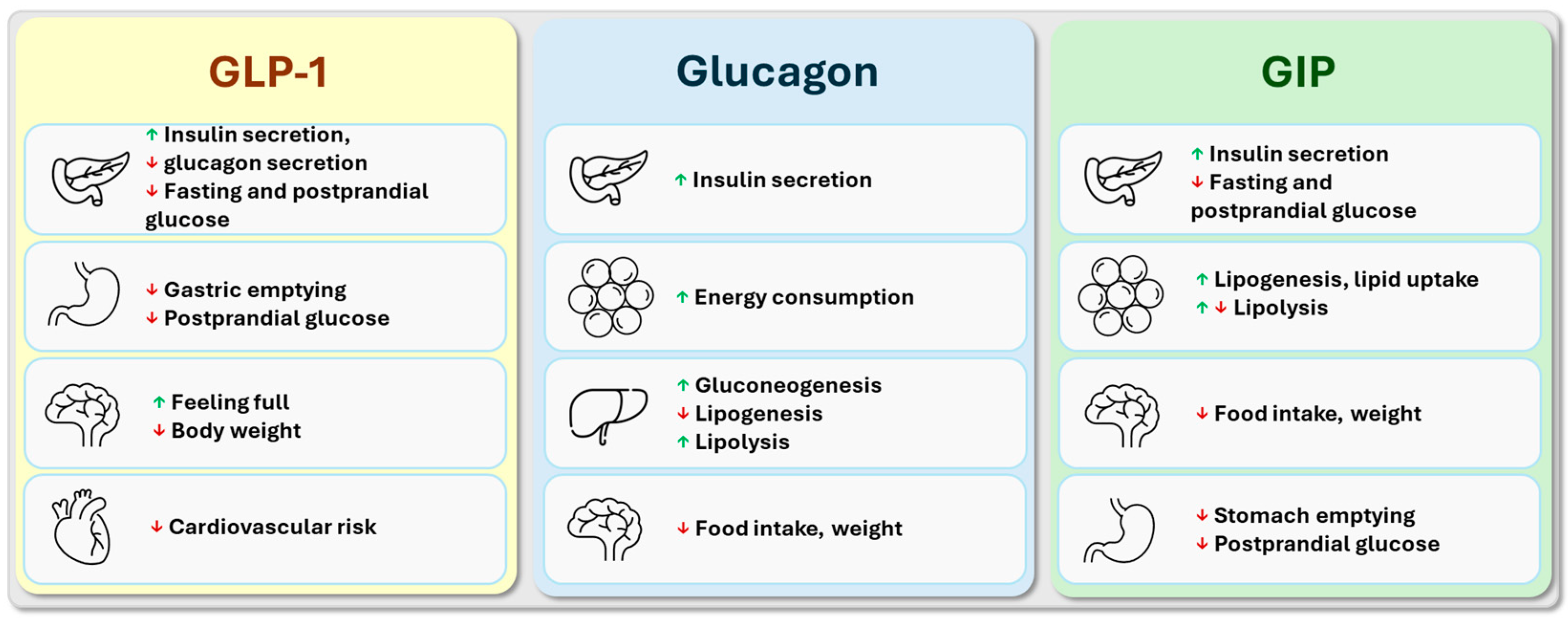
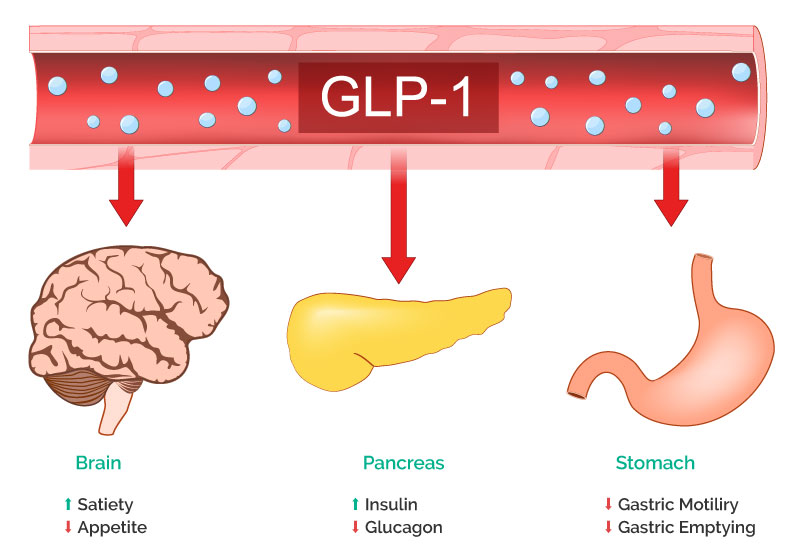
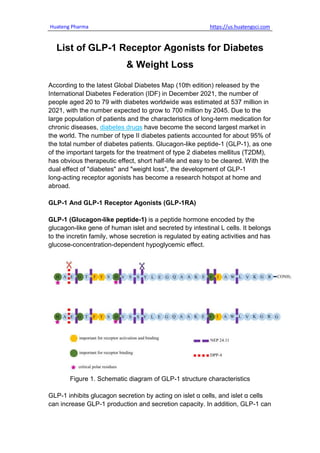
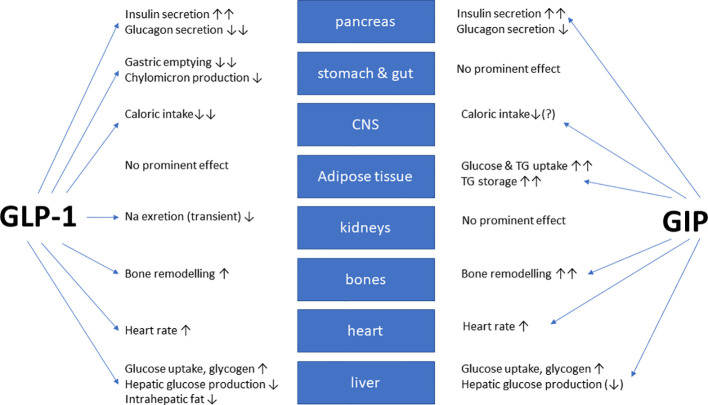
GLP-1 agonists are medications that mimic the action of the glucagon-like peptide-1 hormone, which is naturally produced in the gut in response to food intake. These medications have been shown to be effective in treating type 2 diabetes and obesity by promoting weight loss, improving blood sugar control, and enhancing appetite regulation.
Understanding the Benefits and Side Effects of GLP-1 Agonists
- Weight loss: GLP-1 agonists can lead to significant weight loss, particularly when combined with a healthy diet and regular exercise.
- Improved blood sugar control: GLP-1 agonists can help lower A1C levels and reduce the risk of hypoglycemia.
- Reduced appetite: GLP-1 agonists can decrease hunger and increase feelings of fullness, making it easier to stick to a lower-calorie diet.
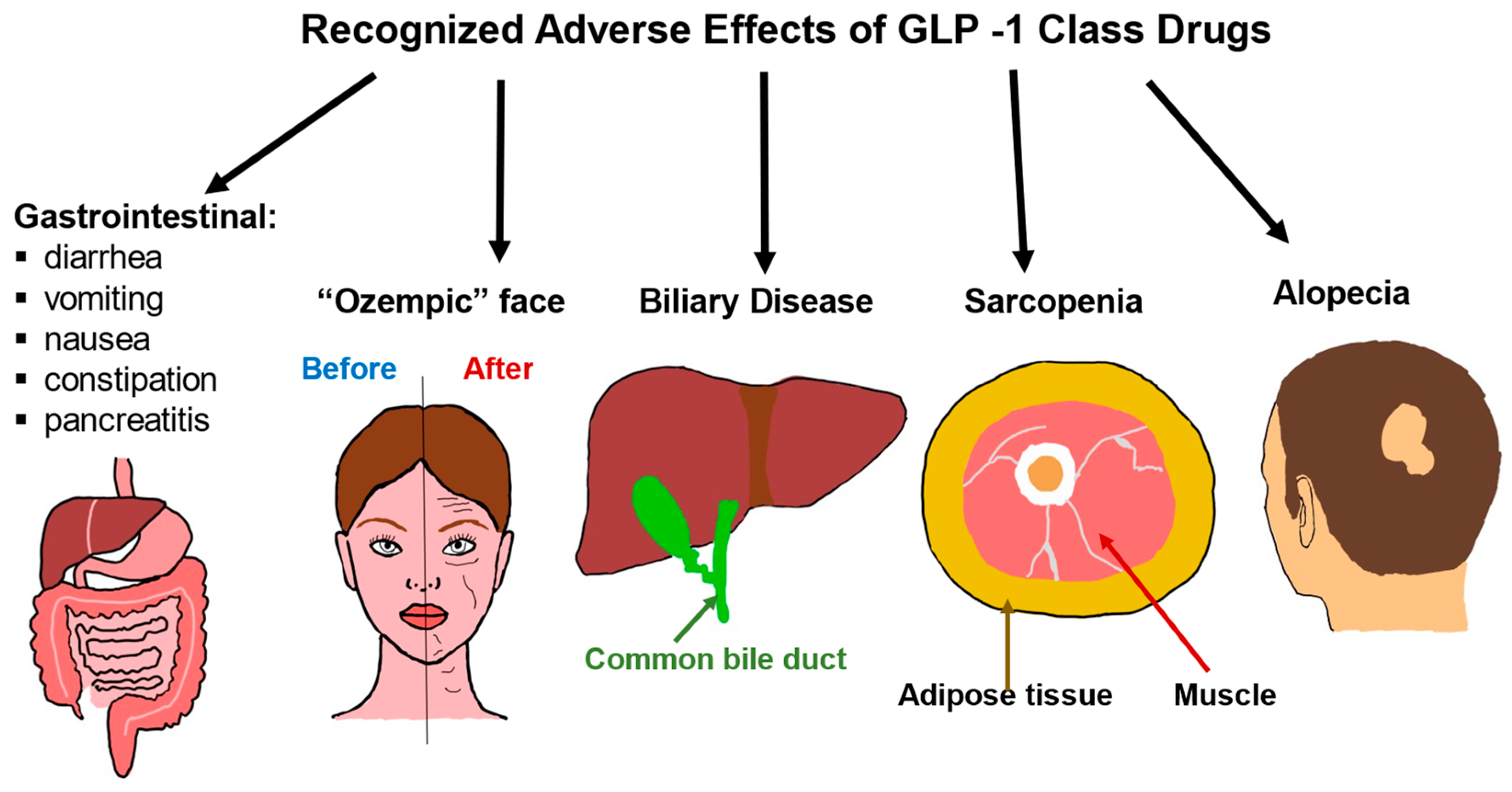
- Side effects: Common side effects of GLP-1 agonists include nausea, vomiting, diarrhea, and constipation.
How to Incorporate GLP-1 Agonists into a Flexitarian Diet
While GLP-1 agonists can be an effective addition to your treatment plan, it's essential to make adjustments to your diet and lifestyle to get the most out of your medication. Here are some tips:
- Stay hydrated: Drinking plenty of water can help alleviate side effects like nausea and vomiting.
- Eat smaller, more frequent meals: Breaking up your meals into smaller portions can help manage nausea and reduce the risk of hypoglycemia.
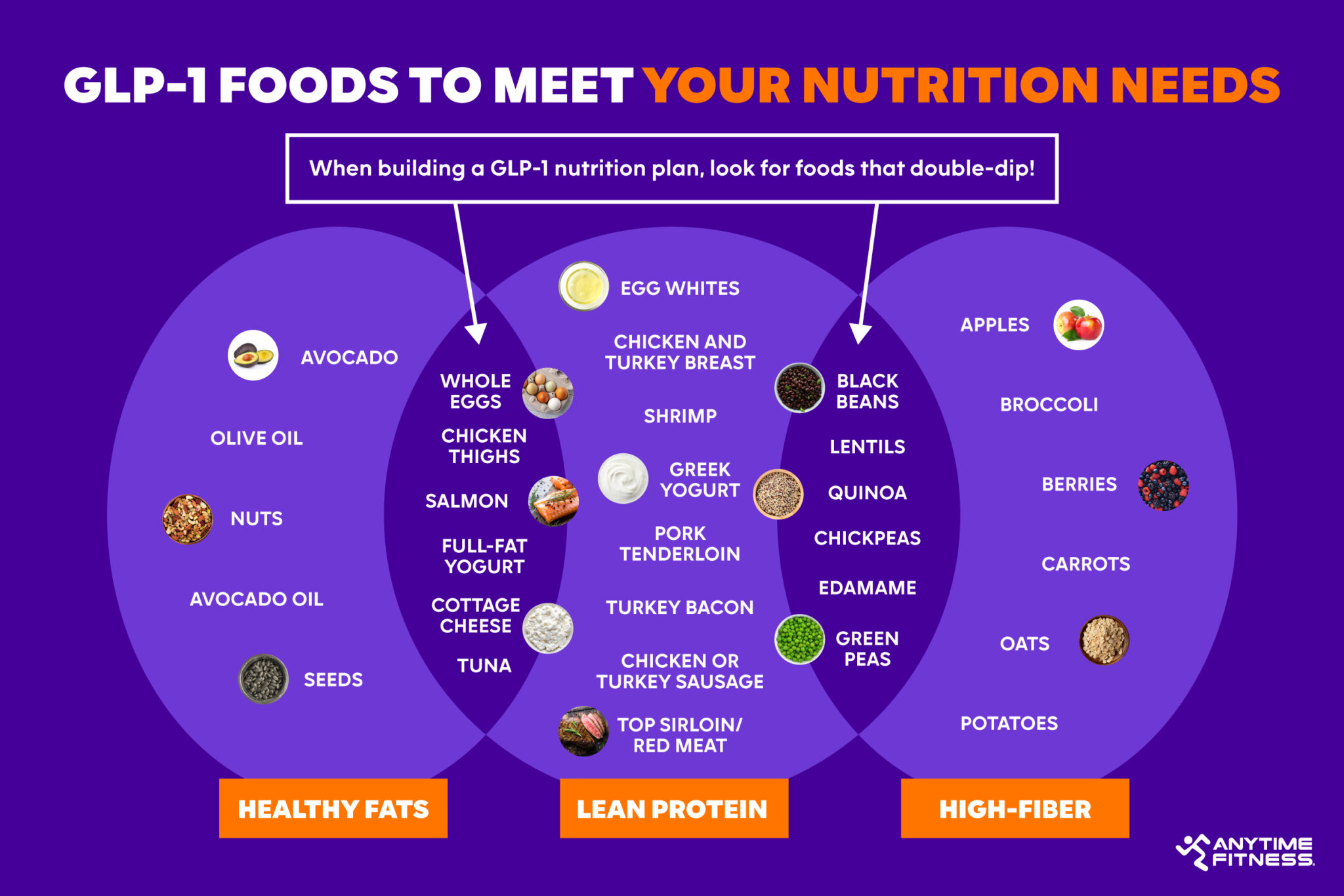
- Choose high-fiber foods: Fiber-rich foods like fruits, vegetables, and whole grains can help regulate appetite and promote satiety.
- Incorporate protein-rich foods: Protein can help slow down digestion and reduce hunger, making it easier to stick to a lower-calorie diet.
- Avoid trigger foods: Identify and avoid foods that trigger side effects or discomfort, such as spicy or high-fat foods.
- Plan ahead: Work closely with your healthcare provider to plan your meals and adjust your treatment plan as needed.

The Role of Nutrition and Lifestyle in Maximizing GLP-1 Agonist Effectiveness
Research shows that incorporating diet, exercise, and behavior strategies into your GLP-1 agonist plan can lead to improved outcomes and increased weight loss. By understanding the principles of nutrient-dense eating and making sustainable lifestyle changes, you can work towards a healthier, happier you.
Conclusion
By incorporating GLP-1 agonists into your flexitarian diet and lifestyle, you can effectively manage your weight, improve blood sugar control, and enhance appetite regulation. Remember to work closely with your healthcare provider to plan your meals and adjust your treatment plan as needed, and always prioritize nutrient-dense eating and regular exercise for optimal results.
References
For further reading, consider the following resources:
- GLP-1 receptor agonists for the treatment of type 2 diabetes and obesity: a comprehensive review.
- Improved glycemic control with GLP-1 receptor agonists: what do the data tell us?
- The role of GLP-1 agonists in weight loss: a systematic review.
- GLP-1 agonists and cardiovascular disease prevention: a review of the evidence.
- Glucagon-like peptide-1 receptor agonists: a new class of medications for type 2 diabetes and obesity management.
This comprehensive review provides a valuable foundation for understanding the benefits and side effects of GLP-1 agonists and how to incorporate them into a flexitarian diet and lifestyle.