Weight Loss with Glucagon-like Peptide-1: A Comprehensive Review
Introduction
In recent years, glucagon-like peptide-1 (GLP-1) receptor agonists have emerged as a promising class of medications for weight loss management and treatment of various chronic conditions. Originating as therapeutic agents for type 2 diabetes, these medications have garnered significant attention for their role in promoting weight loss in non-diabetic individuals with obesity. This article provides a comprehensive review of the efficacy and mechanisms of GLP-1 receptor agonists, exploring their potential as a valuable tool for achieving safe and sustainable weight loss.Understanding GLP-1 Receptor Agonists
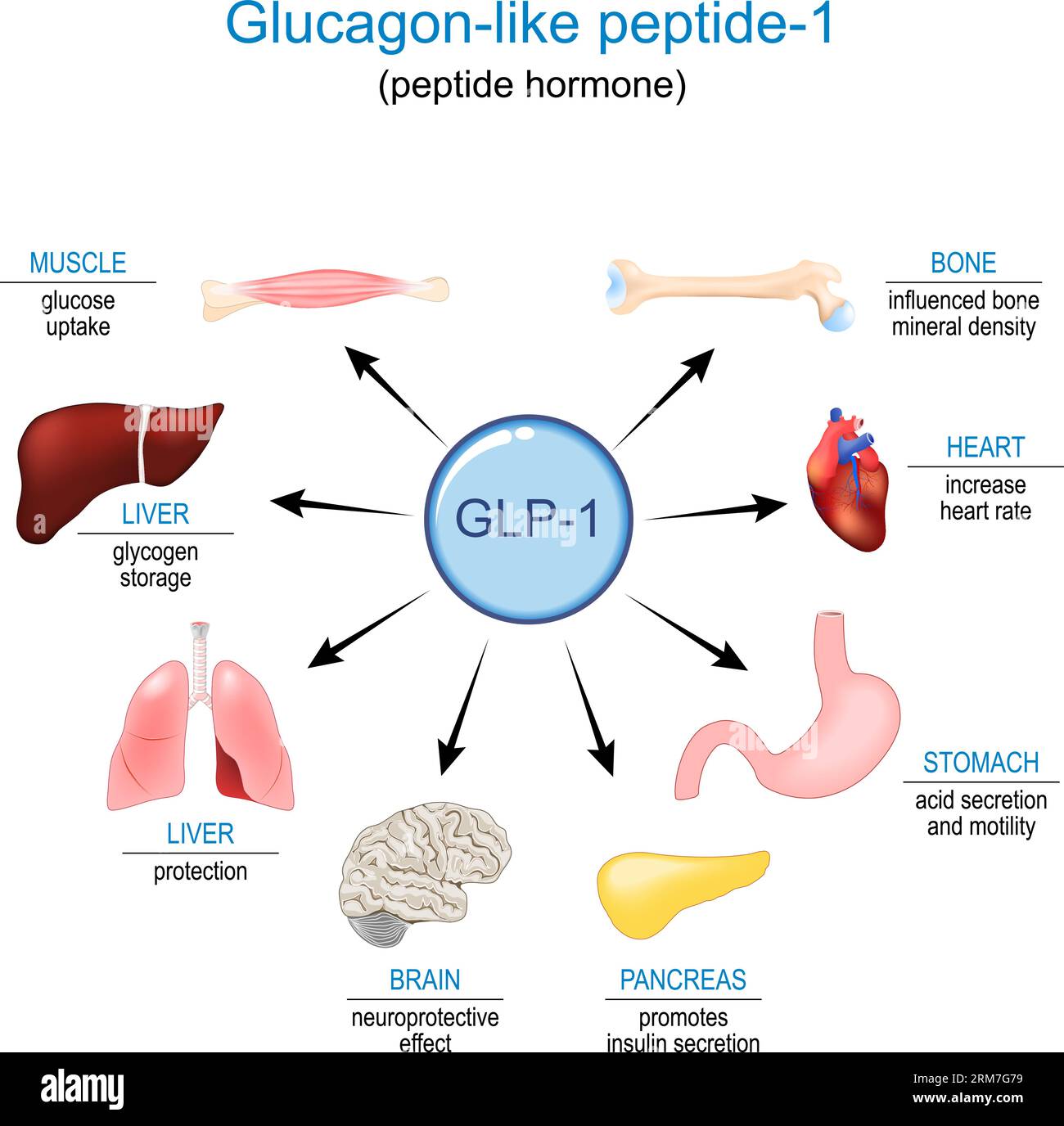
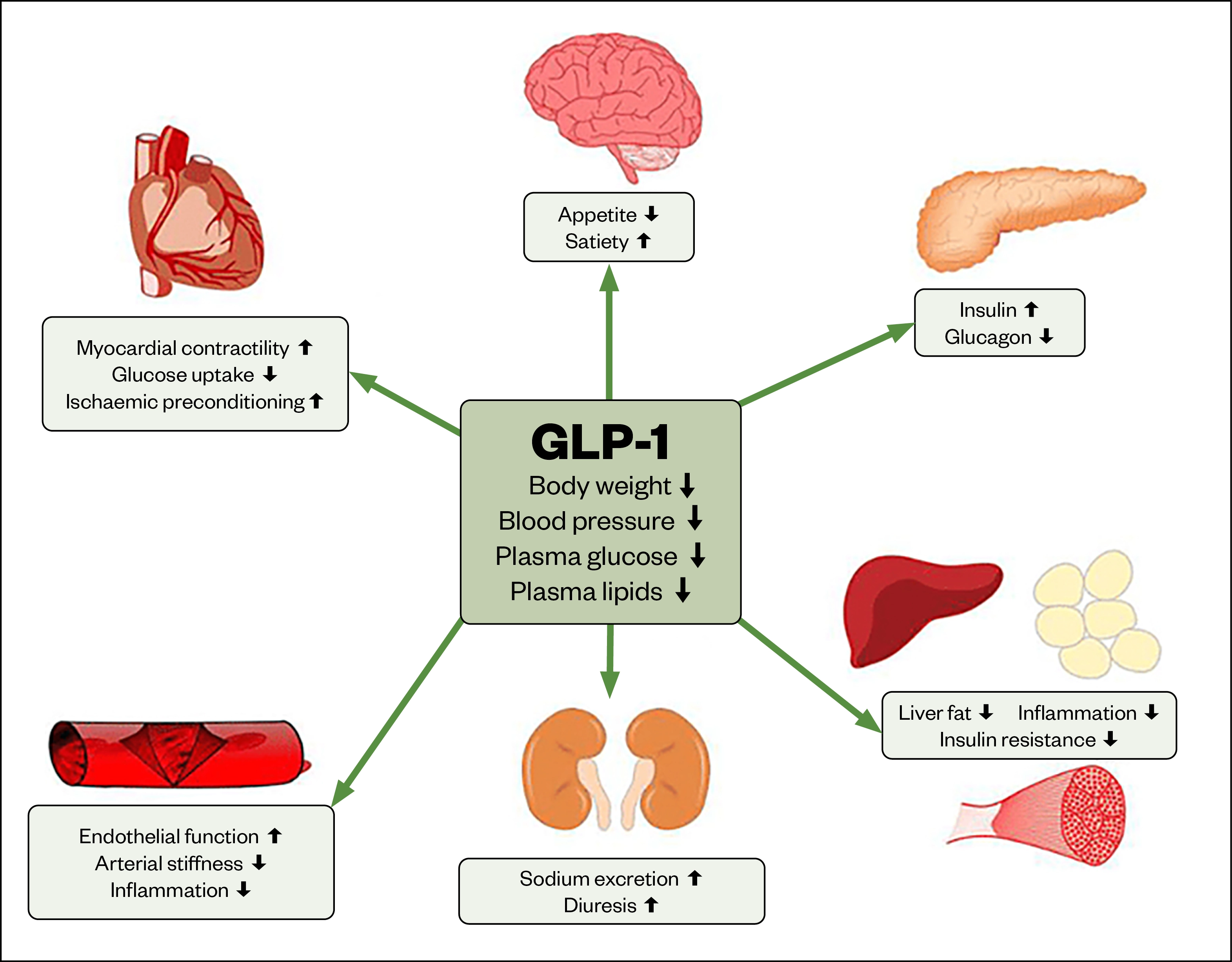
GLP-1 receptor agonists are medications that mimic the naturally occurring hormone GLP-1, which plays a crucial role in glucose metabolism, appetite regulation, and satiety. These medications stimulate the release of insulin, decrease glucagon levels, and slow down gastric emptying, resulting in reduced calorie intake and improved blood sugar control.The Therapeutic Mechanisms of GLP-1 Receptor Agonists
The therapeutic benefits of GLP-1 receptor agonists can be attributed to their multifaceted mechanisms of action, including: * Glucose-dependent insulin secretion: Stimulates the pancreas to release insulin in response to elevated glucose levels. * Inhibition of glucagon release: Reduces the release of glucagon, a hormone that raises blood glucose levels. * Delayed gastric emptying: Slows down the passage of food from the stomach to the small intestine, promoting a feeling of fullness and reducing calorie intake. * Central appetite suppression: Acts on the hypothalamus and brainstem to decrease appetite and food cravings.The Role of GLP-1 Receptor Agonists in Weight Loss