What Are Red Light Healing Benefits?
Red light therapy, also known as low-level laser therapy (LLLT) or photobiomodulation (PBM), has gained significant attention in recent years due to its potential health benefits. The therapy uses low-intensity red and near-infrared light to stimulate cellular processes, promoting tissue repair, and overall wellness.
History of Red Light Therapy
Red light therapy has been around for decades, dating back to the 1960s when researchers first discovered its effects on tissue repair and growth. Initially, it was used to treat wounds and promote bone healing, but its applications have since expanded to include skin health, pain management, and muscle recovery.
What Are the Red Light Healing Benefits?
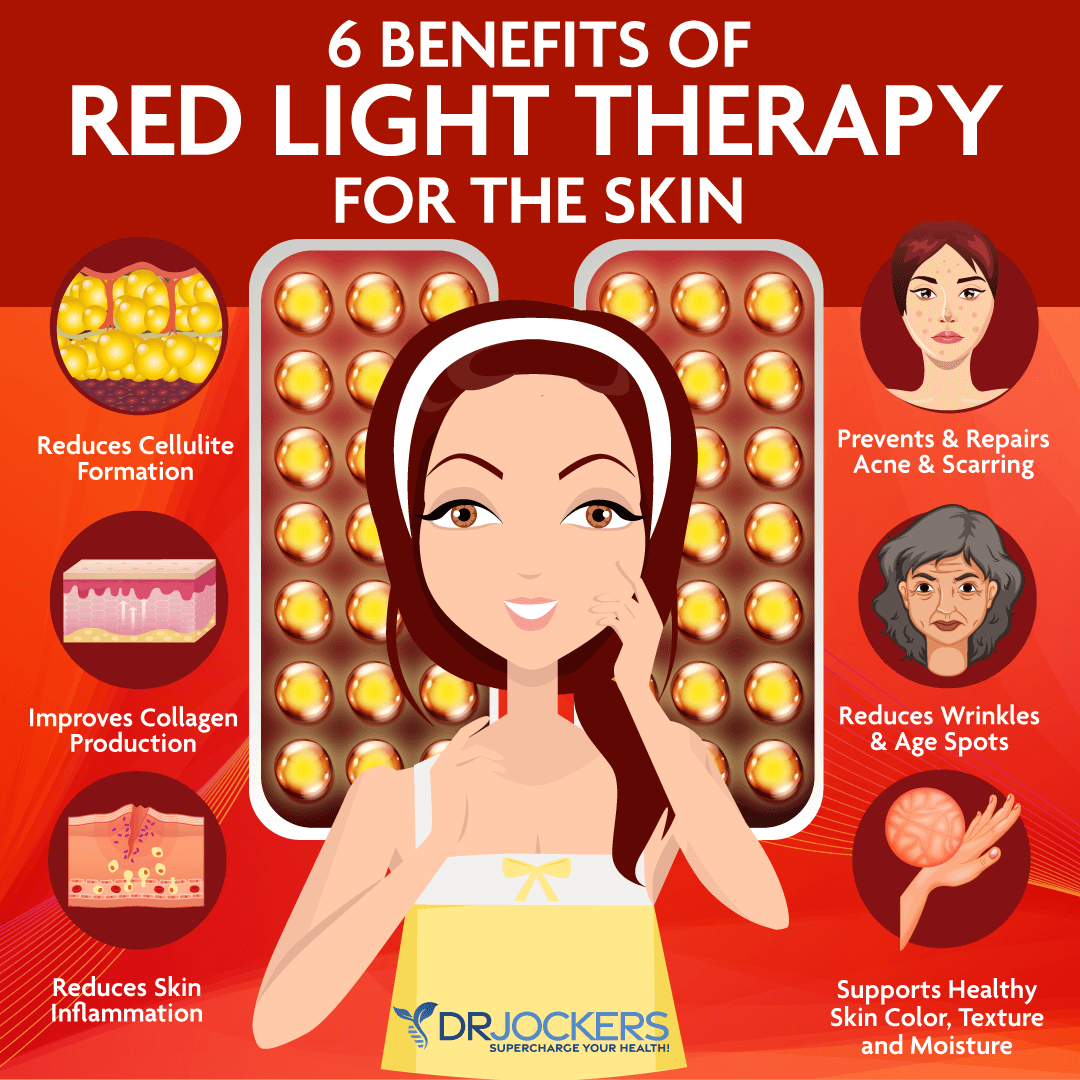
- Improved Skin Health: Red light therapy has been shown to improve skin texture, reduce wrinkles, and enhance collagen production, resulting in a more youthful and radiant appearance.
- Reduced Inflammation: The therapy has anti-inflammatory properties, which can help reduce pain and inflammation associated with various conditions, such as arthritis and muscle strain.
- Pain Management: Red light therapy has been used to alleviate chronic pain, including back pain, fibromyalgia, and migraines.
- Muscle Recovery: The therapy can help reduce muscle soreness and improve recovery time after exercise, making it a popular choice among athletes.
- Wound Healing: Red light therapy has been shown to promote faster wound healing, reduce scarring, and improve tissue repair.
- Hair Growth: The therapy has been used to stimulate hair growth, reduce hair loss, and improve scalp health.
- Improved Cognitive Function: Red light therapy has been linked to improved cognitive function, including enhanced memory and focus.
- Reduced Acne: The therapy can help reduce acne by killing bacteria, reducing inflammation, and promoting healthy skin.
- Improved Bone Density: Red light therapy has been shown to improve bone density, reducing the risk of osteoporosis and fractures.
How Does Red Light Therapy Work?
Red light therapy works by penetrating deep into the skin and tissues, stimulating cellular processes and promoting tissue repair. The therapy uses specific wavelengths of light, typically in the red and near-infrared spectrum, to target various health concerns. When the light is absorbed by the cells, it triggers a series of cellular responses, including:
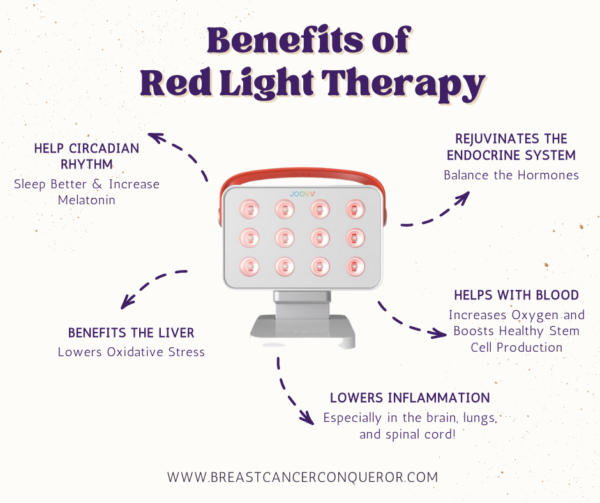
- Increased ATP production
- Improved collagen production
- Enhanced tissue repair
- Reduced inflammation
- Improved energy production
Red Light Therapy Devices
Red light therapy devices are available in various forms, including handheld devices, panels, and full-body mats. These devices emit specific wavelengths of light, which are tailored to target specific health concerns. When choosing a red light therapy device, consider the following factors:
- Wavelength: Look for devices that emit 630-700nm and 830-850nm wavelengths, which are most effective for skin health and pain management.
- Intensity: Higher intensity devices are more effective, but may require longer treatment times.
- Duration: Treatment times vary depending on the device and health concern, but typically range from 10-30 minutes.
- Safety: Choose devices from reputable manufacturers that follow FDA guidelines and safety protocols.
Conclusion
Red light therapy offers a wide range of health benefits, from improved skin health to reduced pain and inflammation. While more research is needed to fully understand its effects, the existing evidence suggests that red light therapy is a safe and effective treatment option for various health concerns. When choosing a red light therapy device, consider your specific health goals and choose a device that meets your needs.