How to Incorporate GLP-1 Agonists into Diet and Exercise
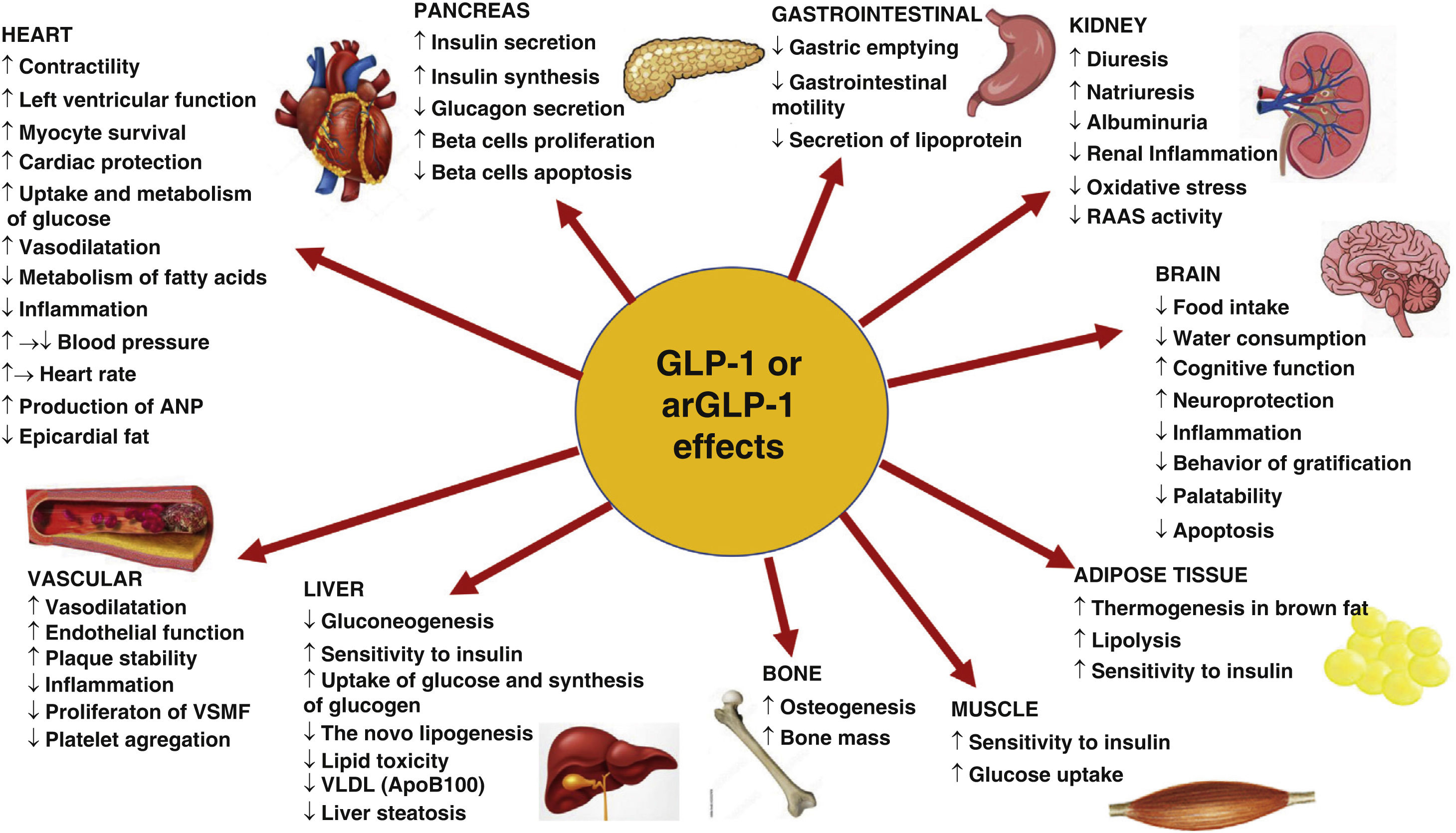
GLP-1 receptor agonists have revolutionized the treatment of diabetes and obesity, offering a promising solution for managing weight and improving metabolic health. Unlike traditional lifestyle interventions, these medications have been shown to be highly effective in promoting significant weight loss and improving cardiovascular health. However, to ensure optimal results, it is crucial to incorporate GLP-1 agonists into a comprehensive diet and exercise plan.
The Importance of Exercise
Exercise is a crucial component of any weight loss plan, and it becomes even more critical when using GLP-1 agonists. These medications can lead to rapid weight loss, which may result in muscle mass loss and affect bone density over time if not balanced with regular physical activity. Regular exercise not only helps preserve muscle mass but also reduces the risk of developing insulin resistance, a common side effect of rapid weight loss.
Nutritional Considerations
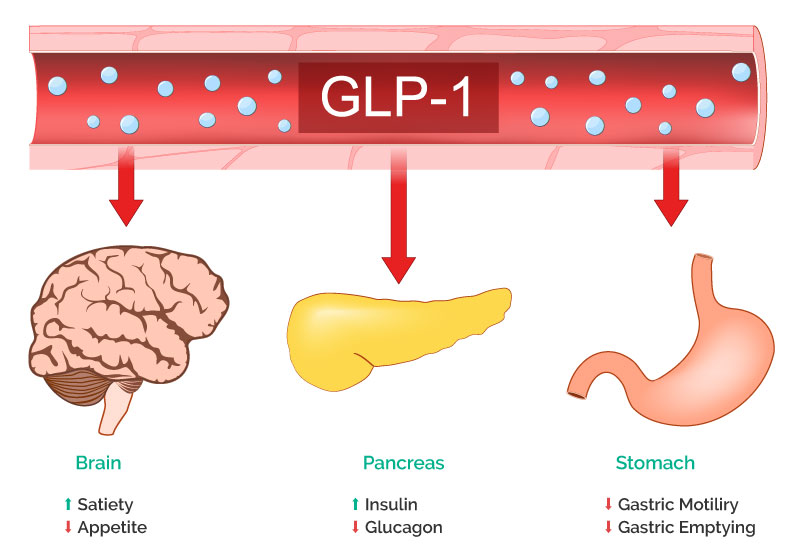
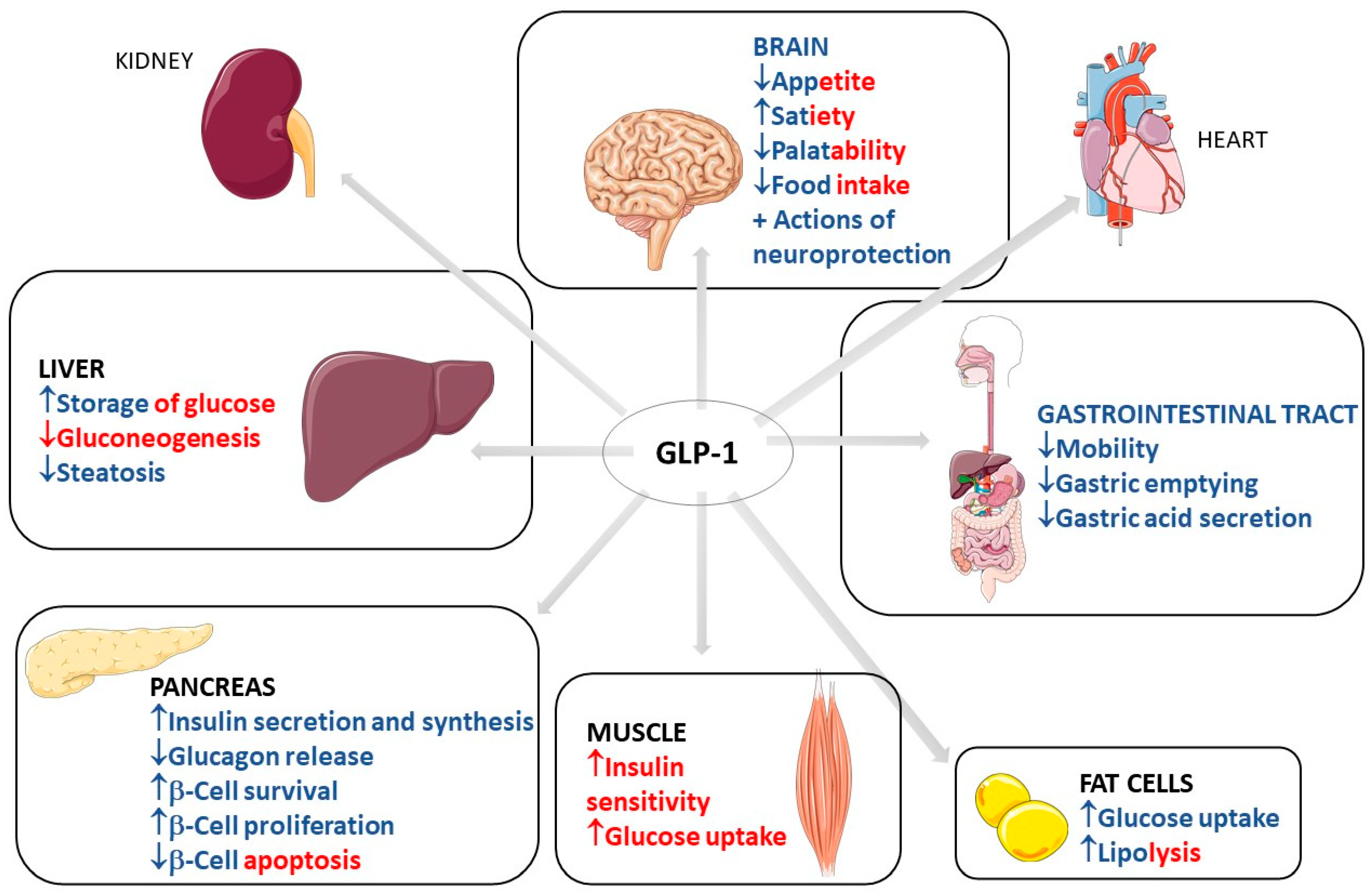
While GLP-1 agonists work to regulate appetite and slow digestion, it is essential to maintain a balanced diet that includes a variety of nutrient-dense foods. A well-planned diet should focus on whole grains, lean proteins, and a range of colorful vegetables to provide essential vitamins and minerals. Additionally, incorporating healthy fats, such as those found in nuts and seeds, can help promote satiety and support overall health.
Benefits of Combining GLP-1 Agonists with Lifestyle Interventions
Recent studies have highlighted the benefits of combining GLP-1 agonists with lifestyle interventions, such as diet and exercise. Patients who incorporate regular physical activity and healthy eating habits into their treatment plan are more likely to achieve sustained weight loss and improved metabolic health. Furthermore, exercise has been shown to mitigate some of the side effects associated with GLP-1 agonists, such as gastrointestinal disturbances and anxiety.
Insights from the Scientific Community
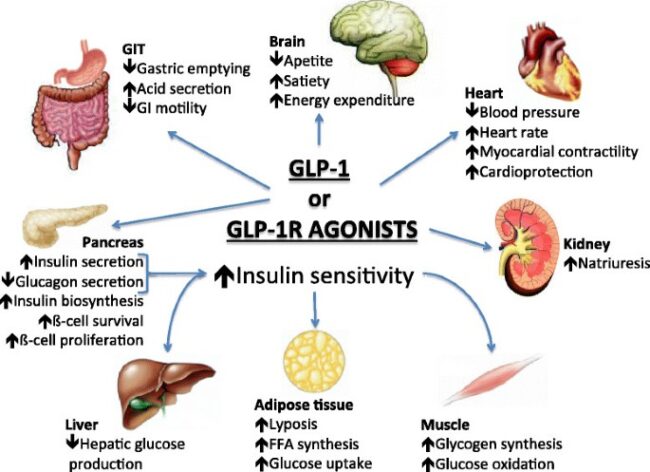
Multiple studies have demonstrated the effectiveness of glucagon-like peptide-1 (GLP-1) receptor agonists in promoting significant weight loss and improving metabolic health. Some studies have even shown that these medications can lead to substantial weight loss, ranging from 15% to 21%. However, studies also emphasize the importance of incorporating diet and lifestyle modifications into the treatment plan to achieve optimal results.
Real-World Application
To incorporate GLP-1 agonists into your diet and exercise plan, consider the following tips:
- Work with a healthcare provider to develop a personalized treatment plan that includes regular exercise and healthy eating habits.
- Incorporate physical activity into your daily routine, such as walking, jogging, or weightlifting.
- Focus on nutrient-dense foods, including whole grains, lean proteins, and a range of colorful vegetables.
- Monitor your weight and adjust your treatment plan as needed to maintain optimal results.
- Stay hydrated and make healthy hydration choices to support overall health.
Conclusion
GLP-1 agonists have revolutionized the treatment of diabetes and obesity, and incorporating these medications into a comprehensive diet and exercise plan can lead to significant weight loss and improved metabolic health. By working with a healthcare provider and incorporating regular physical activity, healthy eating habits, and lifestyle modifications, patients can achieve optimal results and maintain sustained weight loss over time.