The Future of Audio: Exploring Sustainable Speaker Systems
In an era where environmental sustainability is a growing concern, the audio industry is embracing a green revolution. Manufacturers of speakers and audio equipment are increasingly adopting eco-friendly practices, including sustainable materials and environmentally responsible manufacturing processes. In this article, we'll delve into the concept of sustainable speaker systems and explore the innovative features and benefits they offer.
What Makes a Speaker System Eco-Friendly?
A sustainable speaker system is designed with the environment in mind. It incorporates materials and technologies that reduce waste, minimize environmental impact, and promote eco-consciousness throughout the production process. Some key features of eco-friendly speakers include:
- Sustainable materials: Recycled plastics, reclaimed wood, and bio-based plastics derived from renewable resources like corn or sugarcane are some examples of sustainable materials used in eco-friendly speaker designs.
- Energy-efficient designs: Speakers that consume less power and have lower thermal outputs are more energy-efficient, reducing their environmental impact.
- Responsible end-of-life management: Manufacturers are designing speakers with recyclability and reusability in mind, making it easier to manage electronic waste.
Examples of Sustainable Speaker Systems
Several manufacturers are pushing the boundaries of sustainable speaker design. For instance:

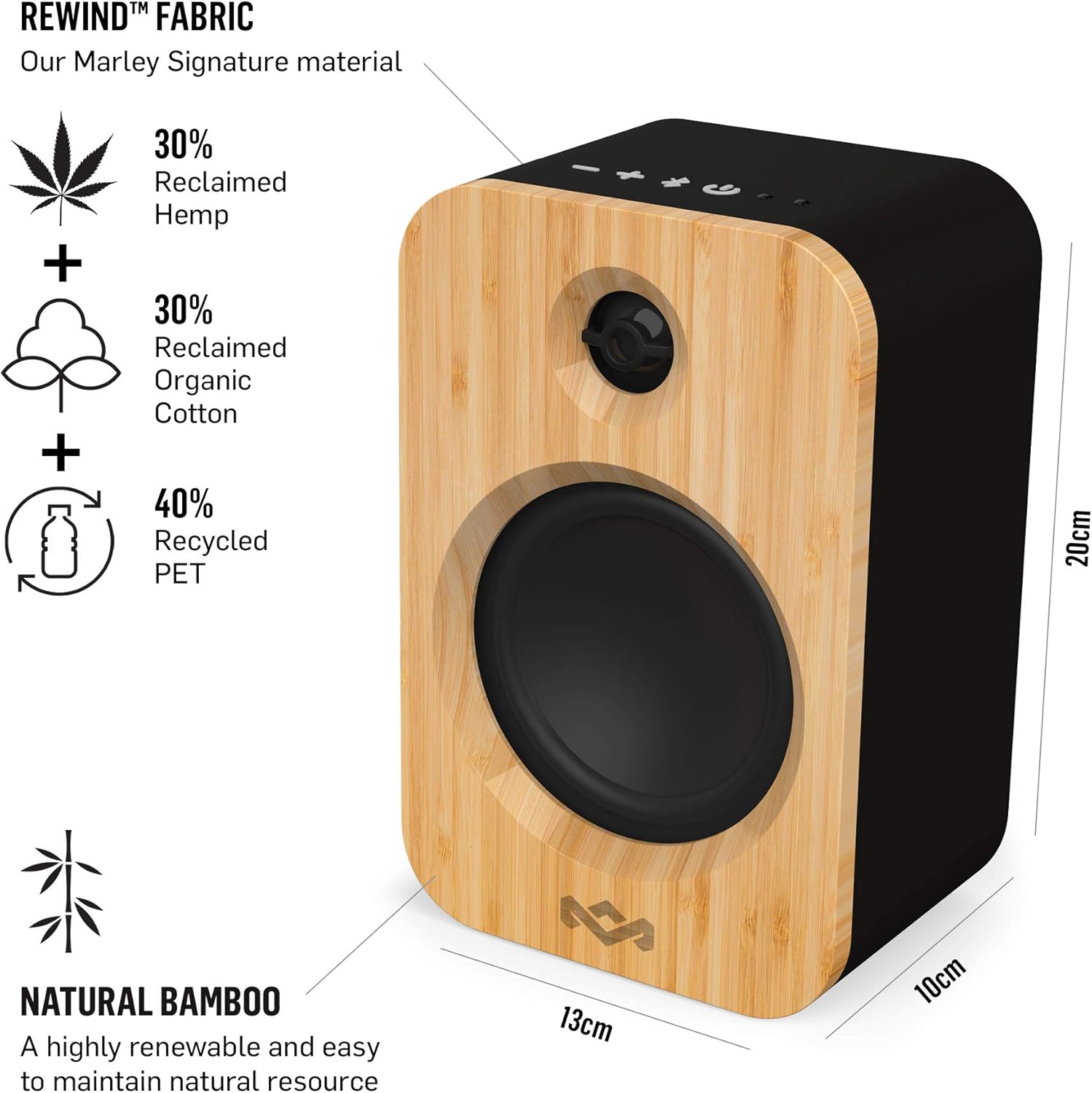
- House of Marley: This company has been producing eco-friendly speakers since 2012, often incorporating bamboo and recycled plastics into its designs. Their new Get Together 2 and Get Together 2 Mini are the latest sustainable sound systems from House of Marley.
- Ben Park's Jerrycan Speakers: Using creative upcycled sound frames made from fuel containers, Ben Parker's speakers are a unique example of sustainable speaker design.
- Marble-Speakers: A Brighton studio transforms plastic waste materials into stunning marbled speakers, giving new life to discarded materials.
- House of Marley's New Get Together 2 and Get Together 2 Mini: These sound systems are designed with eco-friendliness in mind, featuring FSC-certified paper packaging and soy ink.
Benefits of Sustainable Speaker Systems
By choosing sustainable speaker systems, consumers can contribute to reducing the environmental footprint of their audio equipment. These eco-friendly speakers offer:
- Environmental benefits: Reduced waste, lower energy consumption, and minimized environmental impact contribute to a more sustainable lifestyle.
- Increased product longevity: Well-designed sustainable speakers are built to last, reducing the need for frequent replacements and waste disposal.
- Style and versatility: Eco-friendly speakers don't compromise on design or performance, offering a unique blend of style and functionality.
Conclusion
As consumers become more environmentally conscious, the demand for sustainable speaker systems is growing. Manufacturers are responding by introducing innovative eco-friendly materials, energy-efficient designs, and responsible end-of-life management practices. By choosing sustainable speaker systems, consumers can enjoy high-quality sound while minimizing their ecological impact. As the audio industry continues to evolve, we can expect to see even more eco-friendly innovations in the future.