How GLP-1 Reduces Visceral Fat: Understanding the Science
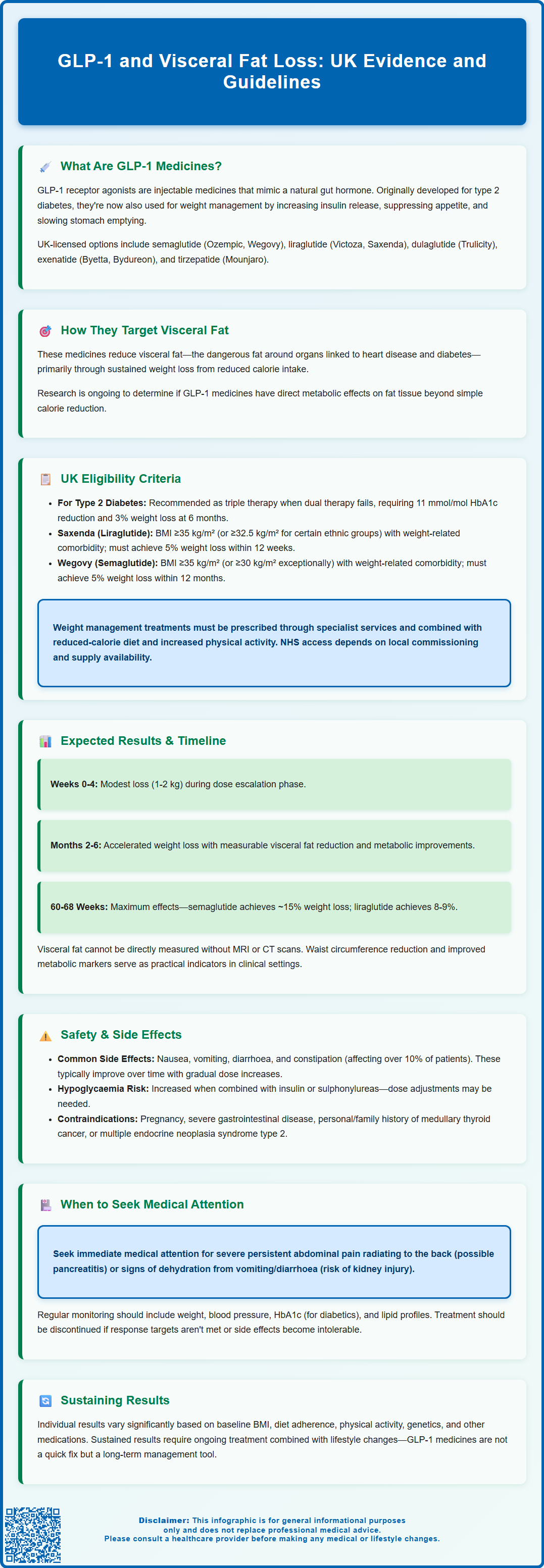
Visceral fat, also known as belly fat, is a type of body fat that accumulates around the internal organs. This type of fat is metabolically active and poses greater health risks than subcutaneous fat, such as insulin resistance, cardiovascular disease, and metabolic dysfunction. Recent studies have shown that GLP-1 (Glucagon-like peptide-1) receptor agonists can significantly reduce visceral fat in adults. But how do these medications achieve this?GLP-1 and Visceral Fat: A Complex Relationship
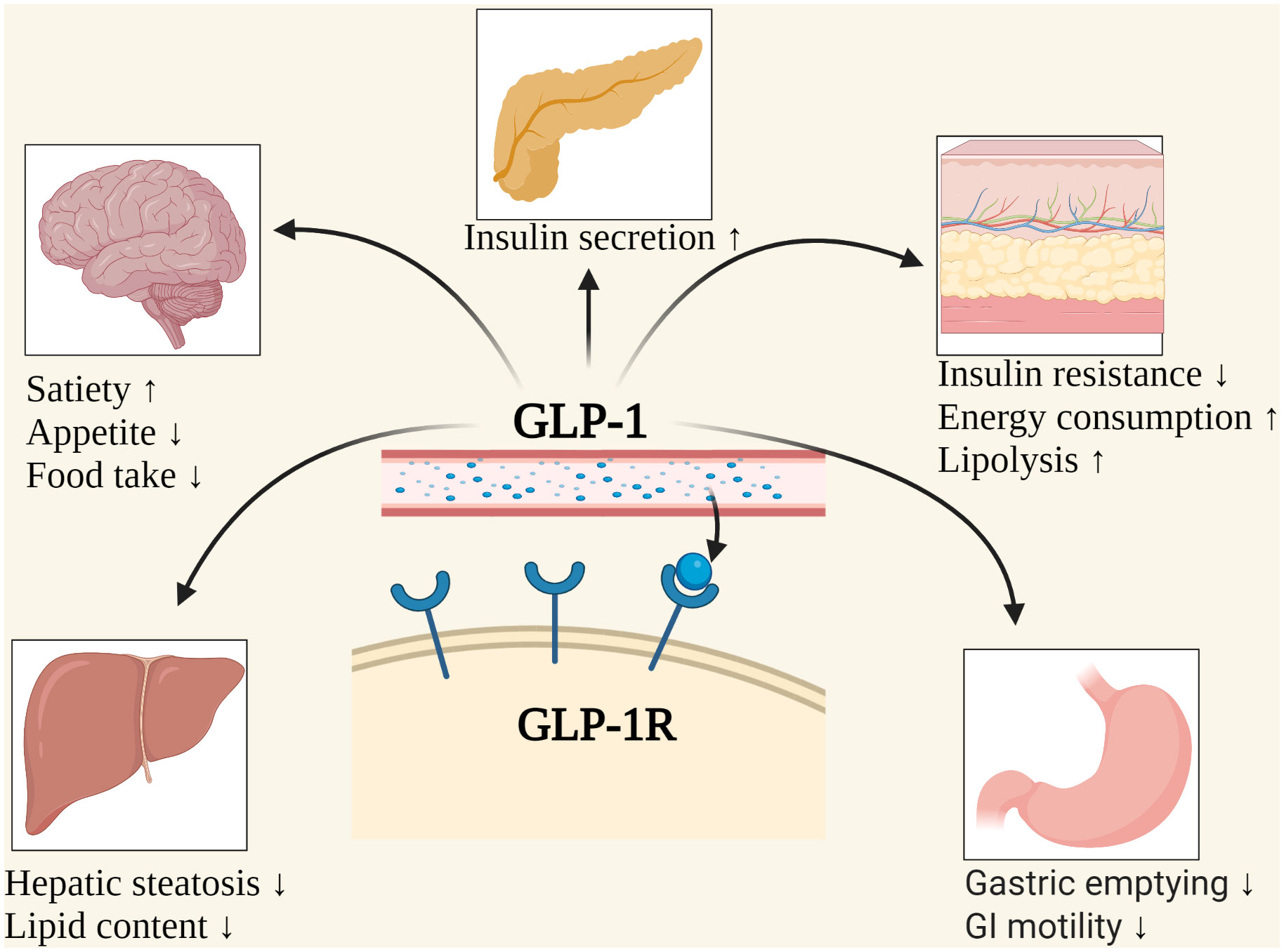
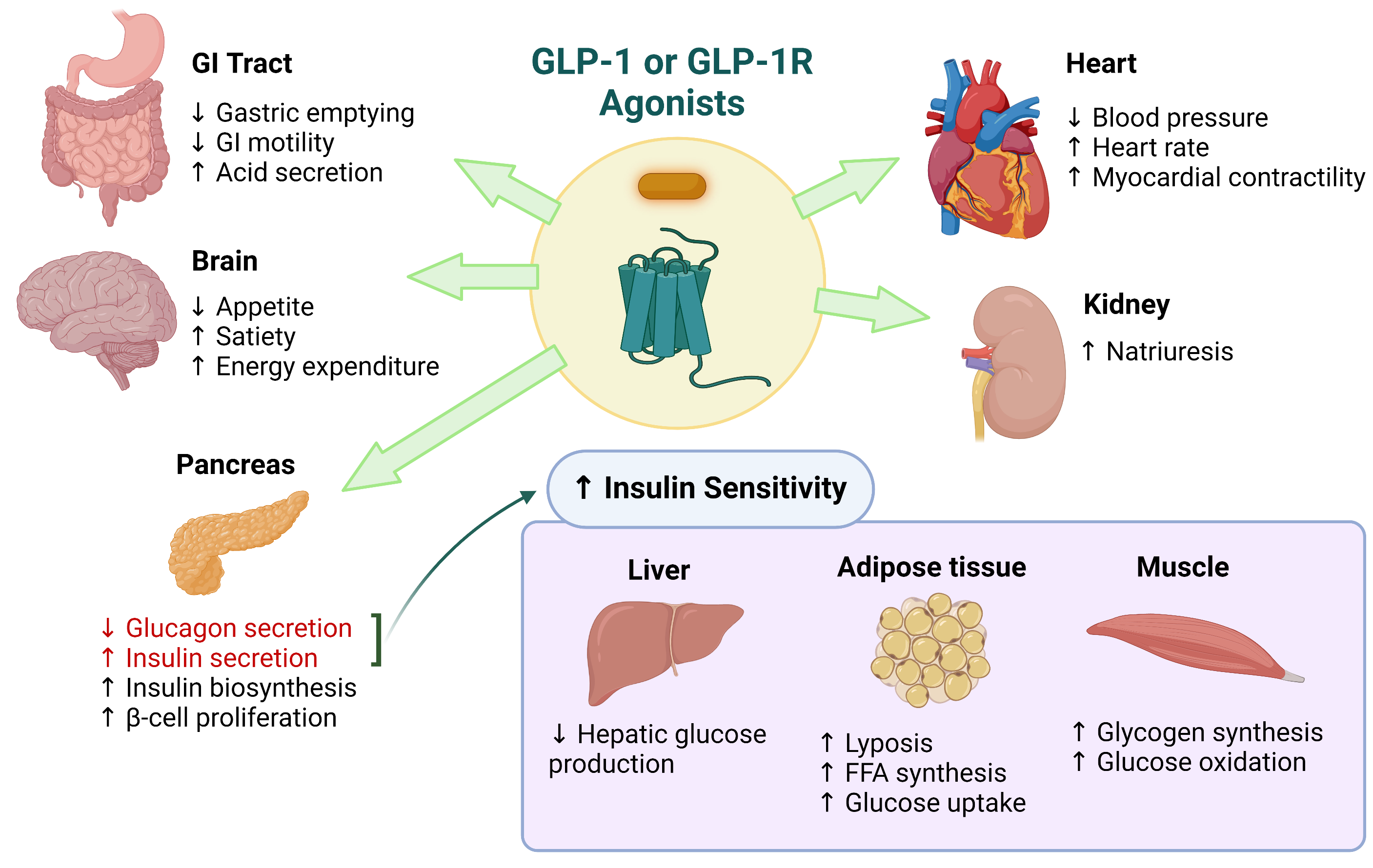
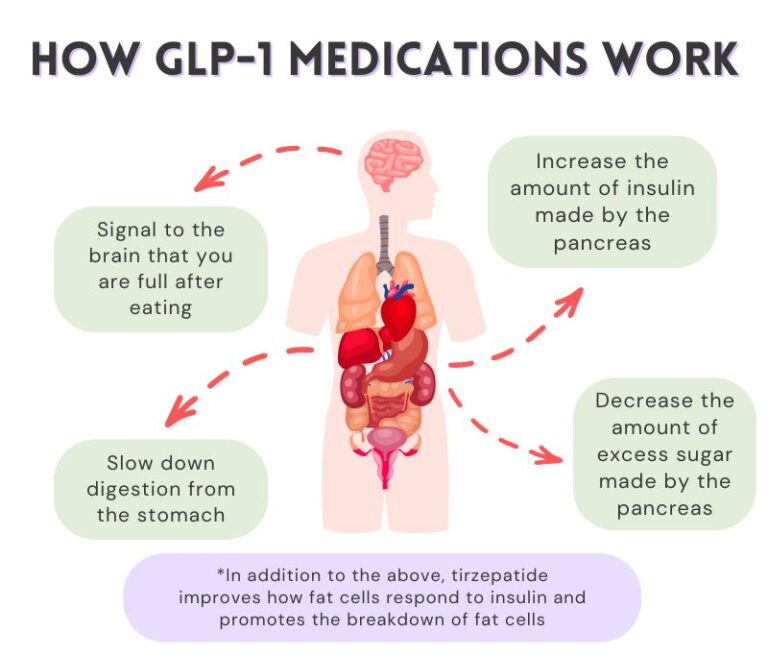
GLP-1 is a natural peptide hormone produced by the intestines in response to food intake. It plays a crucial role in glucose metabolism and has been shown to improve glycemic control in people with type 2 diabetes. GLP-1 receptor agonists, which mimic the effects of natural GLP-1, have emerged as powerful tools in managing obesity and type 2 diabetes. But how do these medications reduce visceral fat specifically?The Science Behind GLP-1 and Visceral Fat
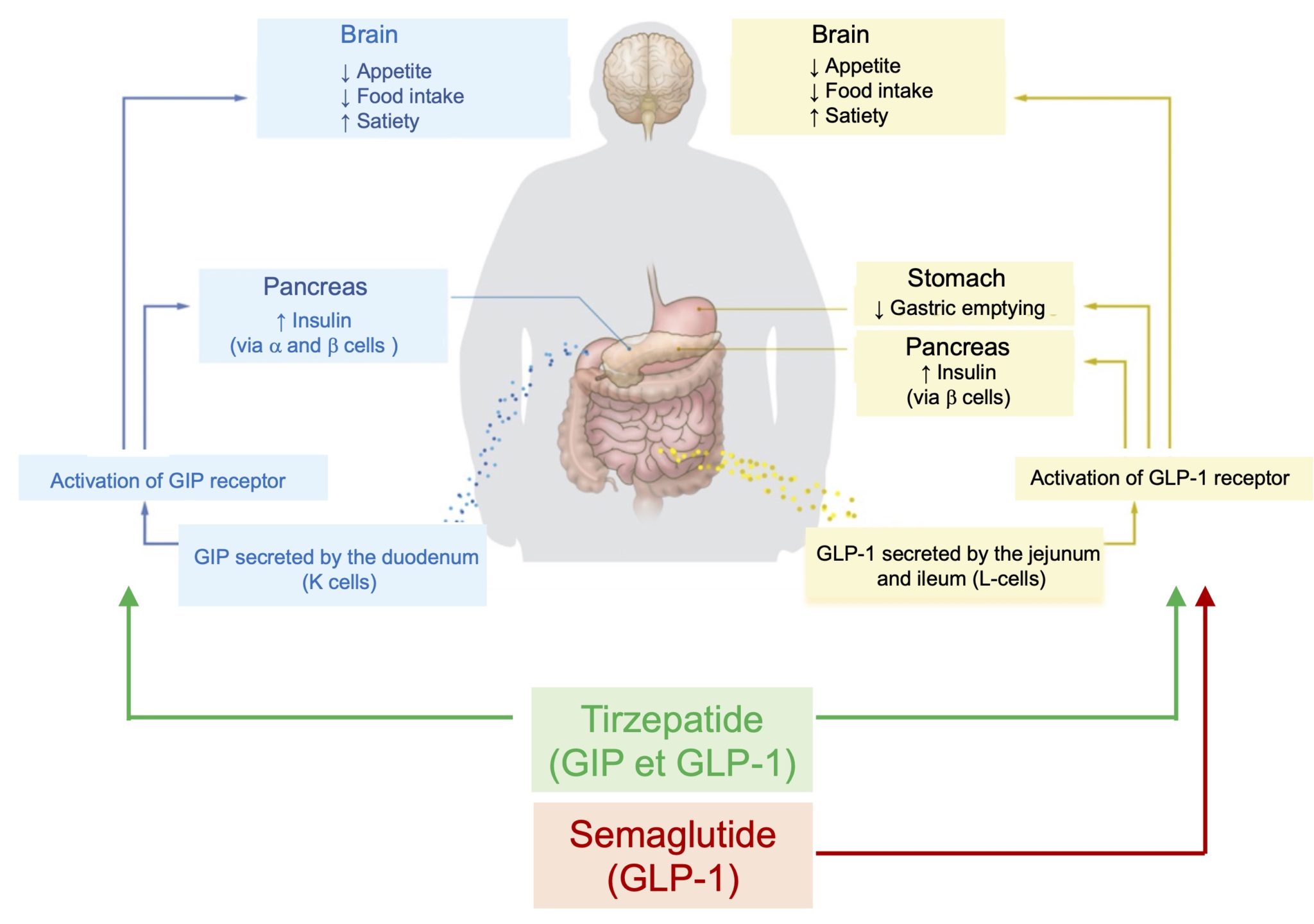
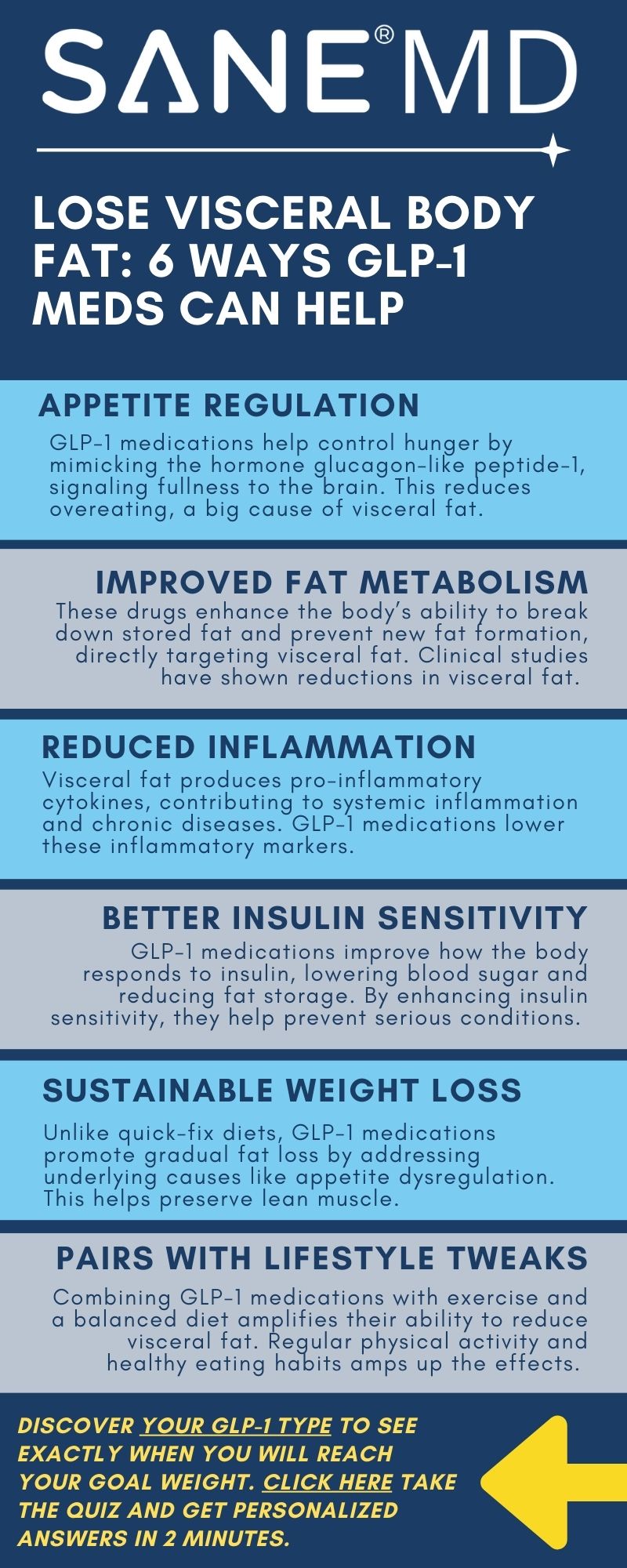
Visceral fat is a complex and dynamic tissue that responds to various hormonal and metabolic signals. GLP-1 receptor agonists act on adipose tissue to reduce the synthesis of white adipose tissue and decrease the thickness of visceral fat. This is achieved through appetite suppression and increased satiety via central nervous system pathways, combined with delayed gastric emptying that reduces overall caloric intake.The Role of GLP-1 Receptor Agonists in Treating Obesity
GLP-1 receptor agonists, such as semaglutide and tirzepatide, have been shown to significantly reduce both visceral and liver fat content in adults. These medications have been reported to have a dual benefit in reducing both general visceral fat and specifically liver fat. This is particularly powerful in addressing the root cause of metabolic dysfunction.Clinical Trials and Their Findings