Unlock the Power of Hydroponic Gardening Systems: A Beginner's Guide
Are you tired of traditional gardening methods that require a lot of space, water, and maintenance? Look no further than hydroponic gardening systems, a game-changing way to grow your favorite plants indoors. In this article, we'll delve into the world of hydroponics, exploring the basics, benefits, and best practices for setting up a successful system.
What are Hydroponic Gardening Systems?
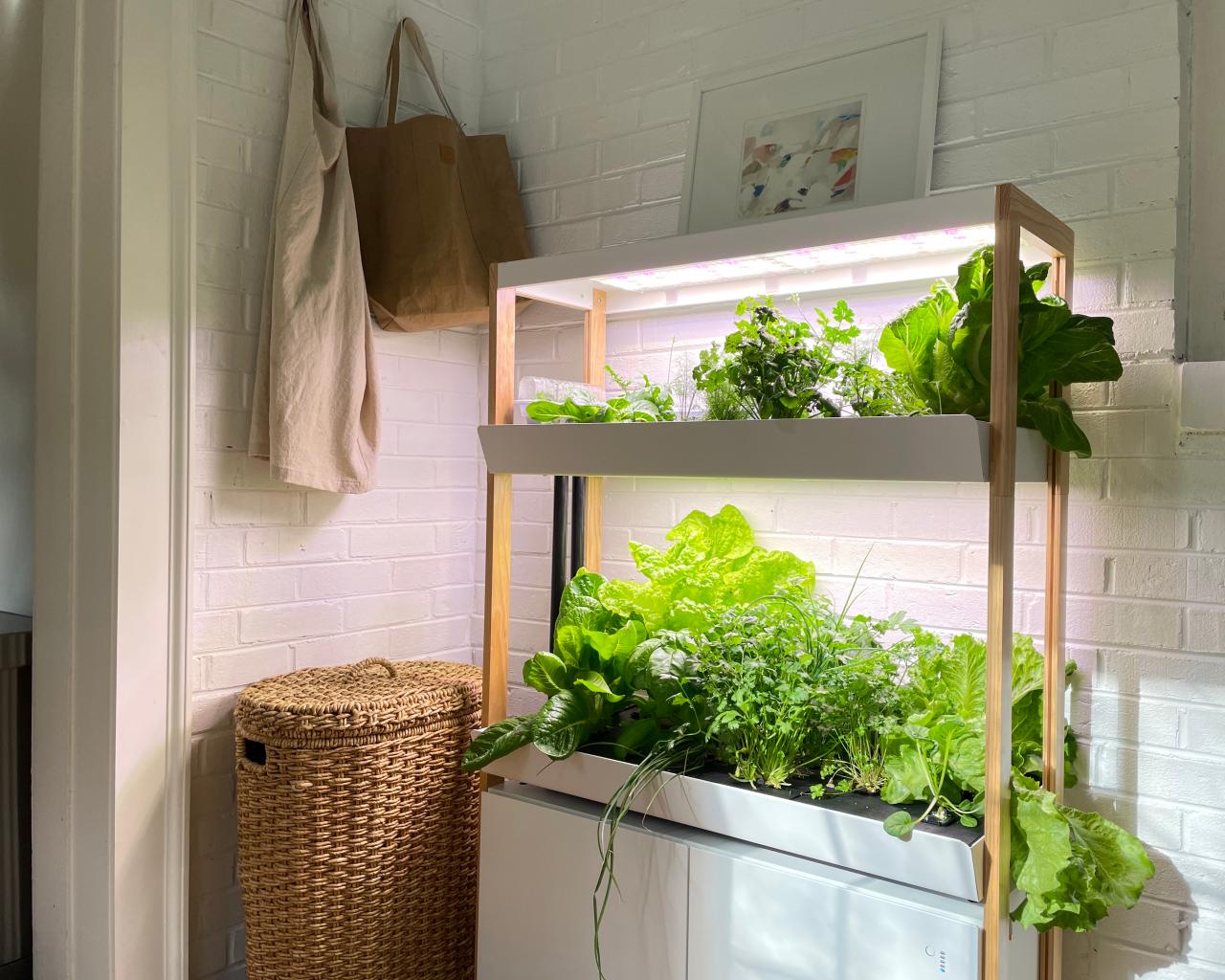
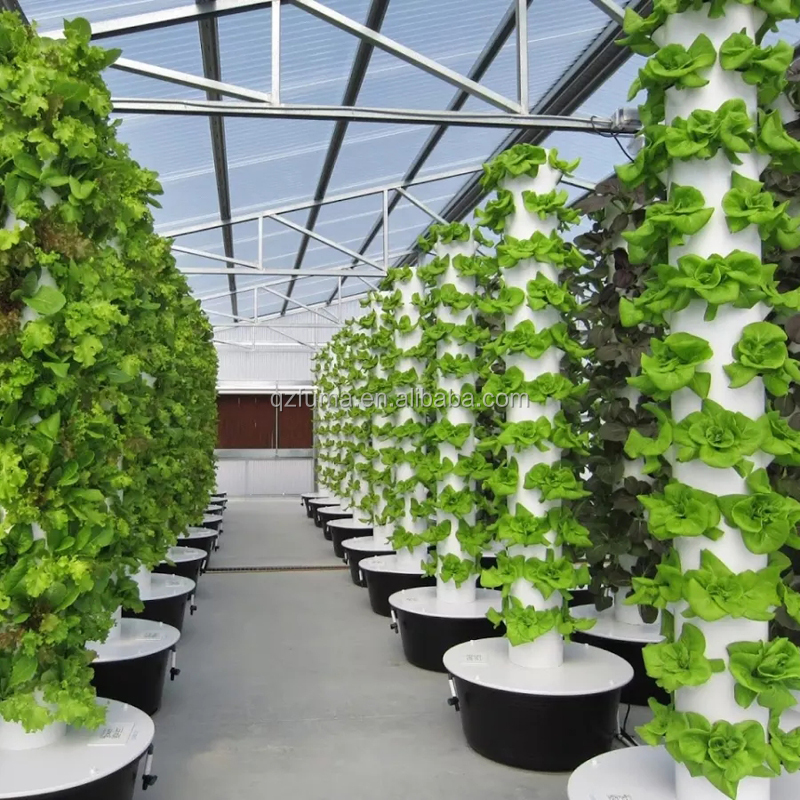
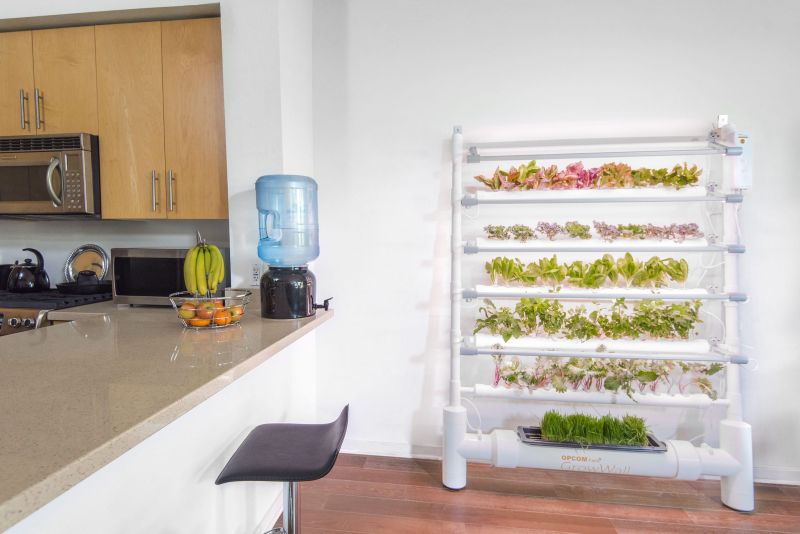
Hydroponic gardening systems are a method of growing plants in a nutrient-rich solution rather than soil. This technique allows plants to absorb the necessary nutrients, water, and oxygen, promoting healthy growth and development. Hydroponic systems come in various shapes and sizes, from compact indoor kits to large-scale commercial setups.
Benefits of Hydroponic Gardening Systems
- Increased crop yields: Hydroponic systems can produce up to 30% more yield than traditional soil-based gardening.
- Water efficiency: Hydroponic systems use significantly less water than traditional gardening methods, making them ideal for areas with water scarcity.
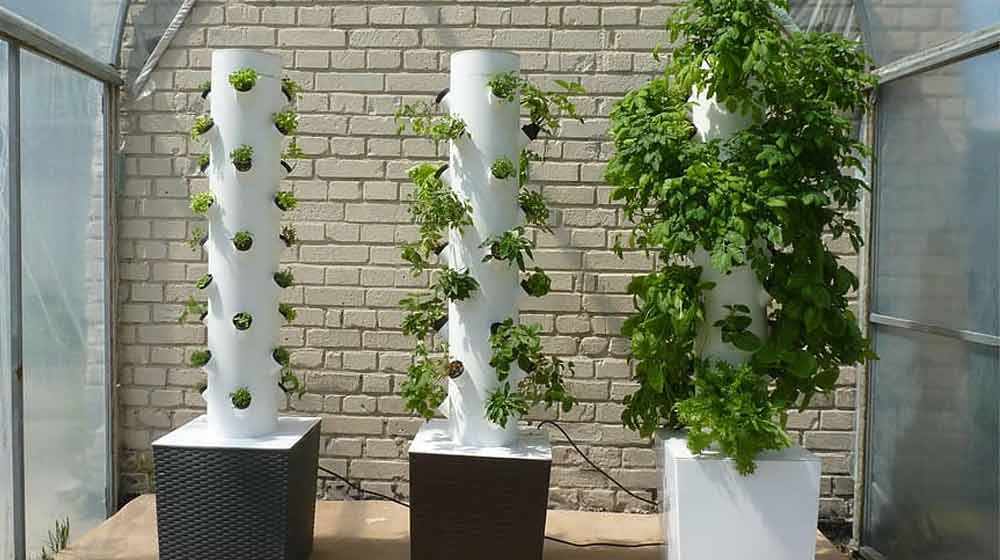
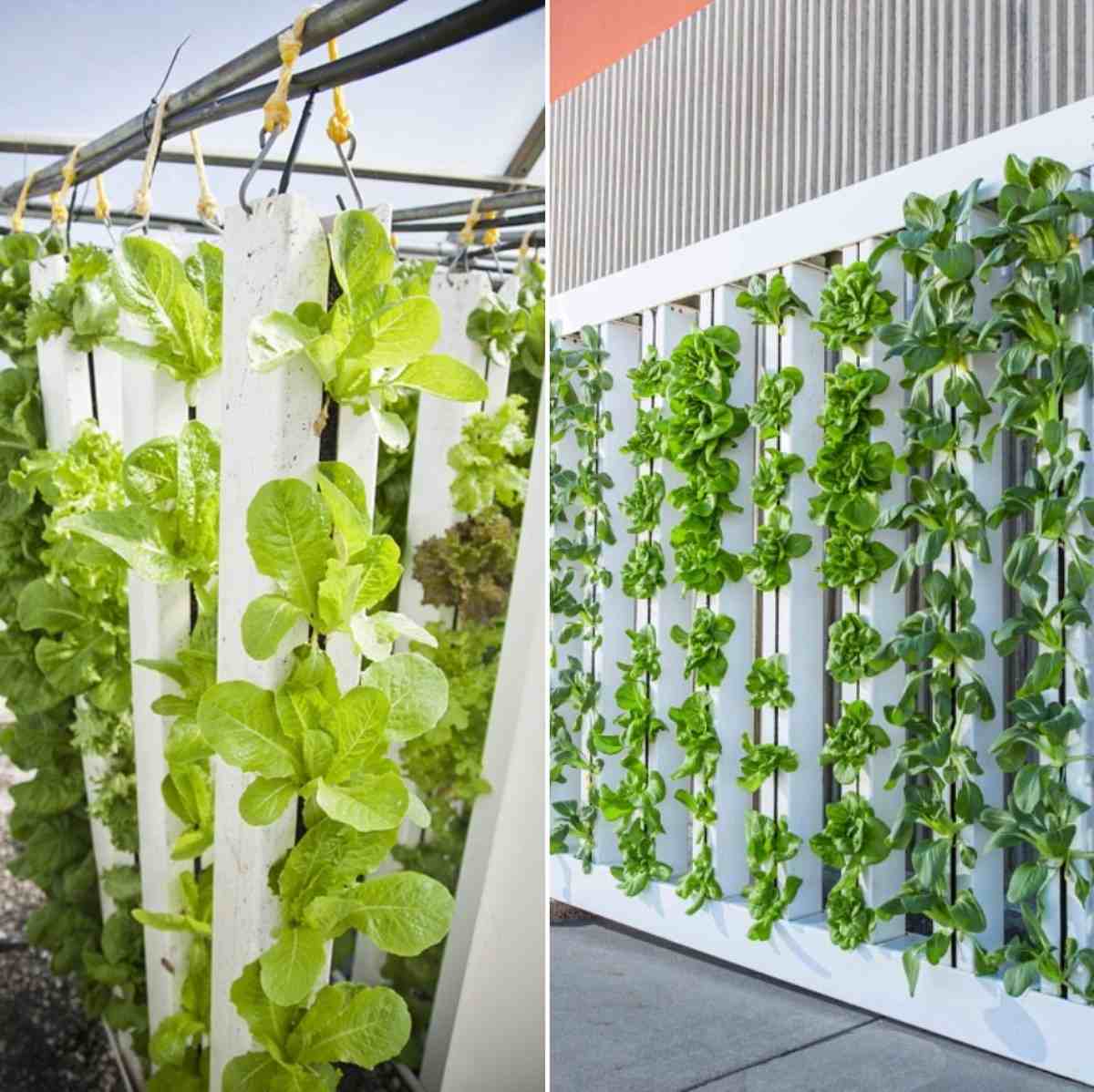
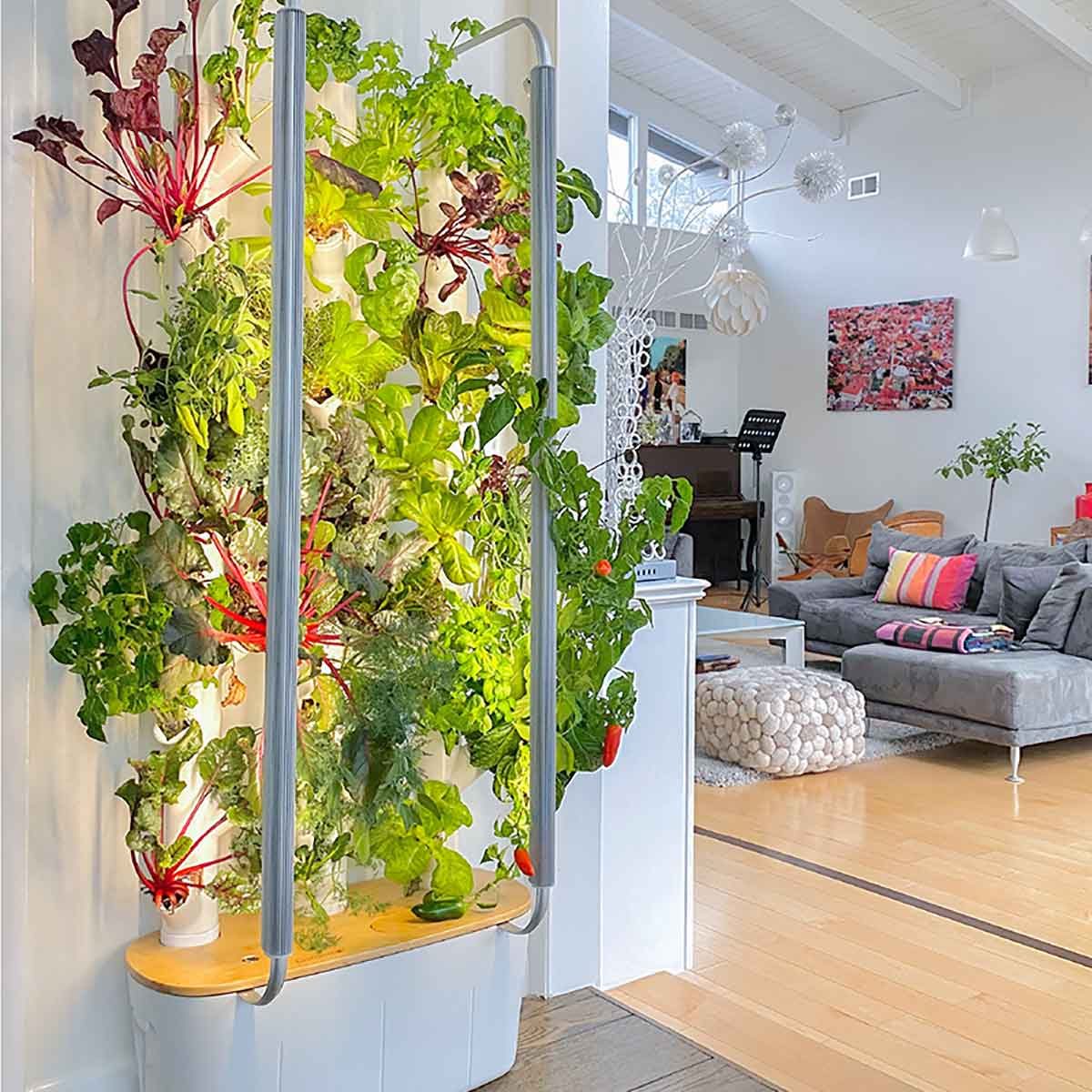
- Space-saving: Hydroponic systems can be designed to grow plants in compact spaces, making them perfect for urban gardens or indoor growing.
- Year-round growing: Hydroponic systems allow for 365-day growing, regardless of the season or climate.
- Reduced pests and diseases: Hydroponic systems eliminate the risk of pests and diseases associated with soil-based gardening.
Types of Hydroponic Gardening Systems
There are several types of hydroponic systems, each with its own advantages and disadvantages. Some of the most popular types include:
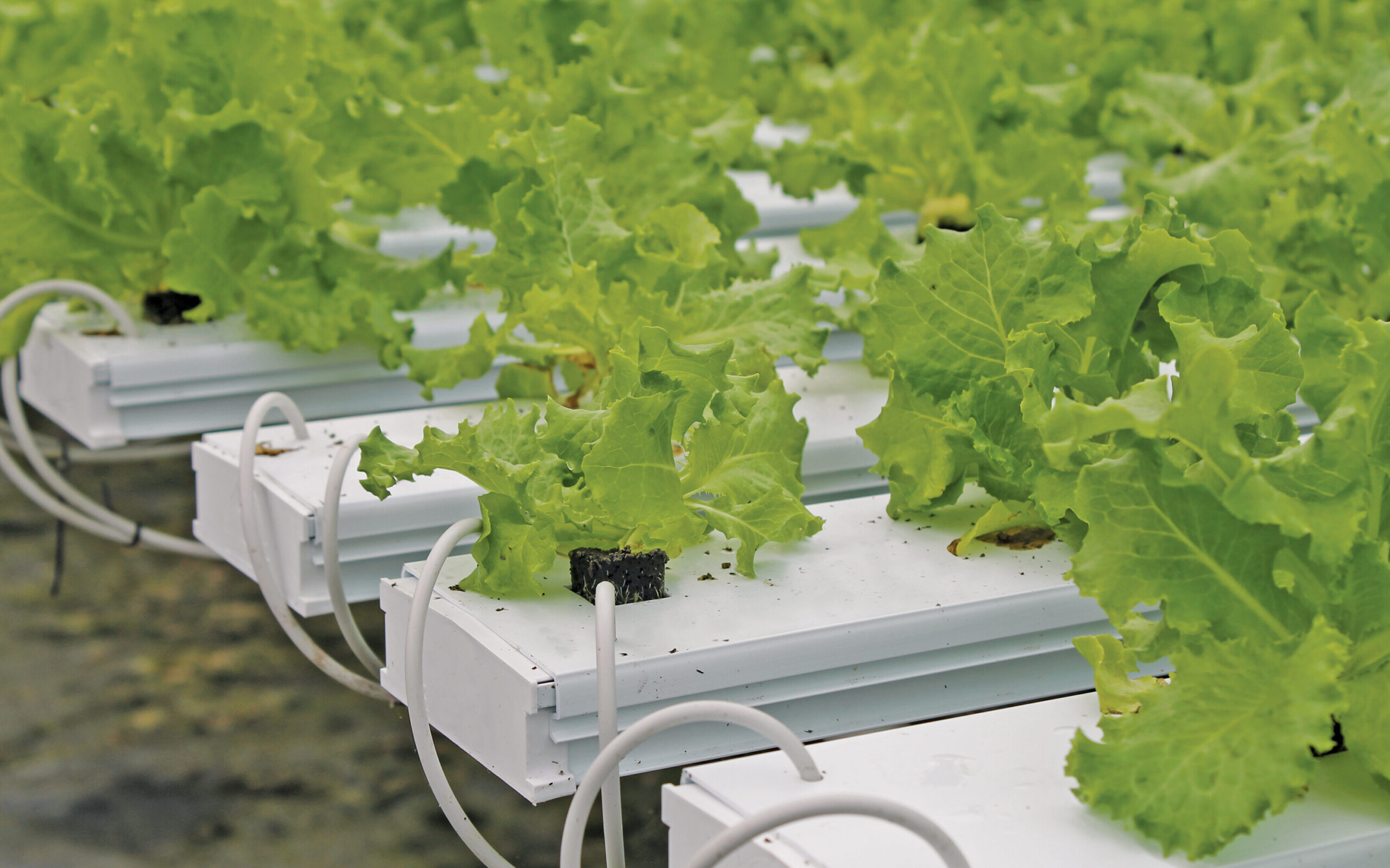
- NFT (Nutrient Film Technique): A continuous flow system where plants are suspended in a tube with a nutrient-rich solution.
- DWC (Deep Water Culture): A system where plants are suspended in a water reservoir with a built-in aeration system.
- Ebb & Flow (Flood and Drain): A system where plants are grown in a tray that's periodically flooded with a nutrient-rich solution.
- Aeroponic System: A system where plants are grown in the air, with their roots suspended in a fine mist of nutrients.
- Drip System: A system where plants receive a continuous supply of nutrients through a drip irrigation system.

Setting Up a Hydroponic Gardening System
Setting up a hydroponic gardening system requires careful planning and consideration. Here are some key factors to keep in mind:
- Choose the right system: Select a system that fits your space, budget, and growing needs.
- Select the right plants: Choose plants that are suitable for hydroponic growth, such as leafy greens, herbs, and microgreens.
- Provide adequate lighting: Hydroponic plants require adequate light to grow, so ensure you have a reliable lighting source.
- Monitor pH and nutrient levels: Regularly check and adjust pH and nutrient levels to ensure optimal plant growth.
- Maintain temperature and humidity: Hydroponic systems require a controlled environment, so ensure you maintain a consistent temperature and humidity level.
Best Hydroponic Gardening Systems for Beginners
For beginners, we recommend starting with a compact and user-friendly system. Some popular options include:
- AeroGarden Harvest Slim: A compact indoor system that grows up to 6 plants.
- Click & Grow Indoor Herb Garden: A compact system that grows up to 3 plants.
- Yzsfbl Hydroponics Growing System: A 12-hole system that's perfect for beginners.
Conclusion
Hydroponic gardening systems offer a unique and innovative way to grow plants indoors. With careful planning and maintenance, you can enjoy a bountiful harvest of fresh produce, herbs, and microgreens. Whether you're a seasoned gardener or a beginner, hydroponic systems offer a fun and rewarding experience. So why not give it a try and unlock the power of hydroponic gardening systems?