GLP-1 Analogues for Weight Management: The Latest Advances
For decades, healthcare professionals have been searching for effective and safe solutions to combat the ever-growing issue of obesity. In recent years, Glucagon-like Peptide-1 (GLP-1) analogues have emerged as a promising class of medications for weight management and the treatment of type 2 diabetes. In this article, we will delve into the world of GLP-1 analogues, exploring their mechanism of action, benefits, and potential risks. We will also examine the current state of clinical trials and real-world applications of these medications, as well as the legal considerations and regulatory frameworks that govern their use.
What are GLP-1 Analogues?
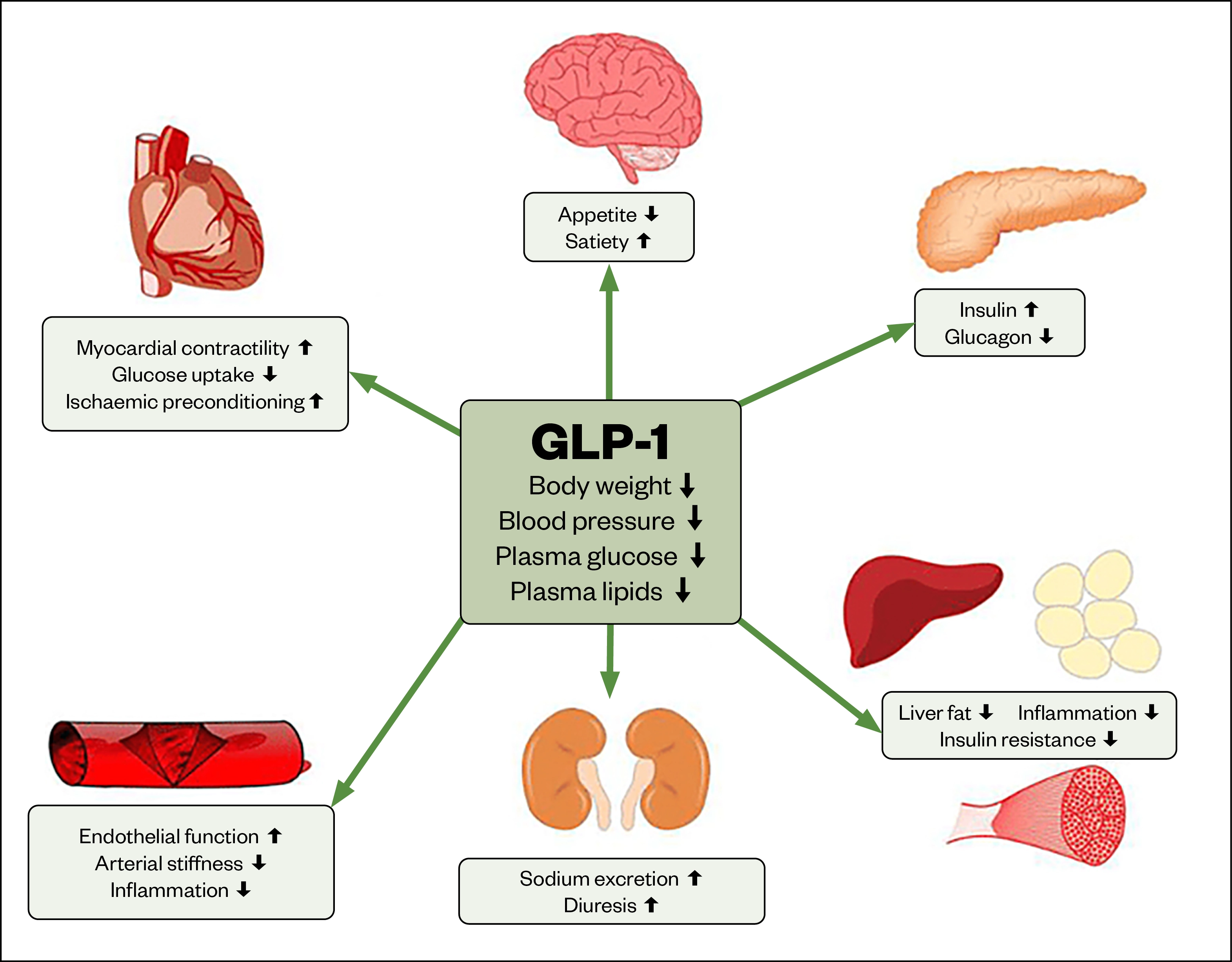
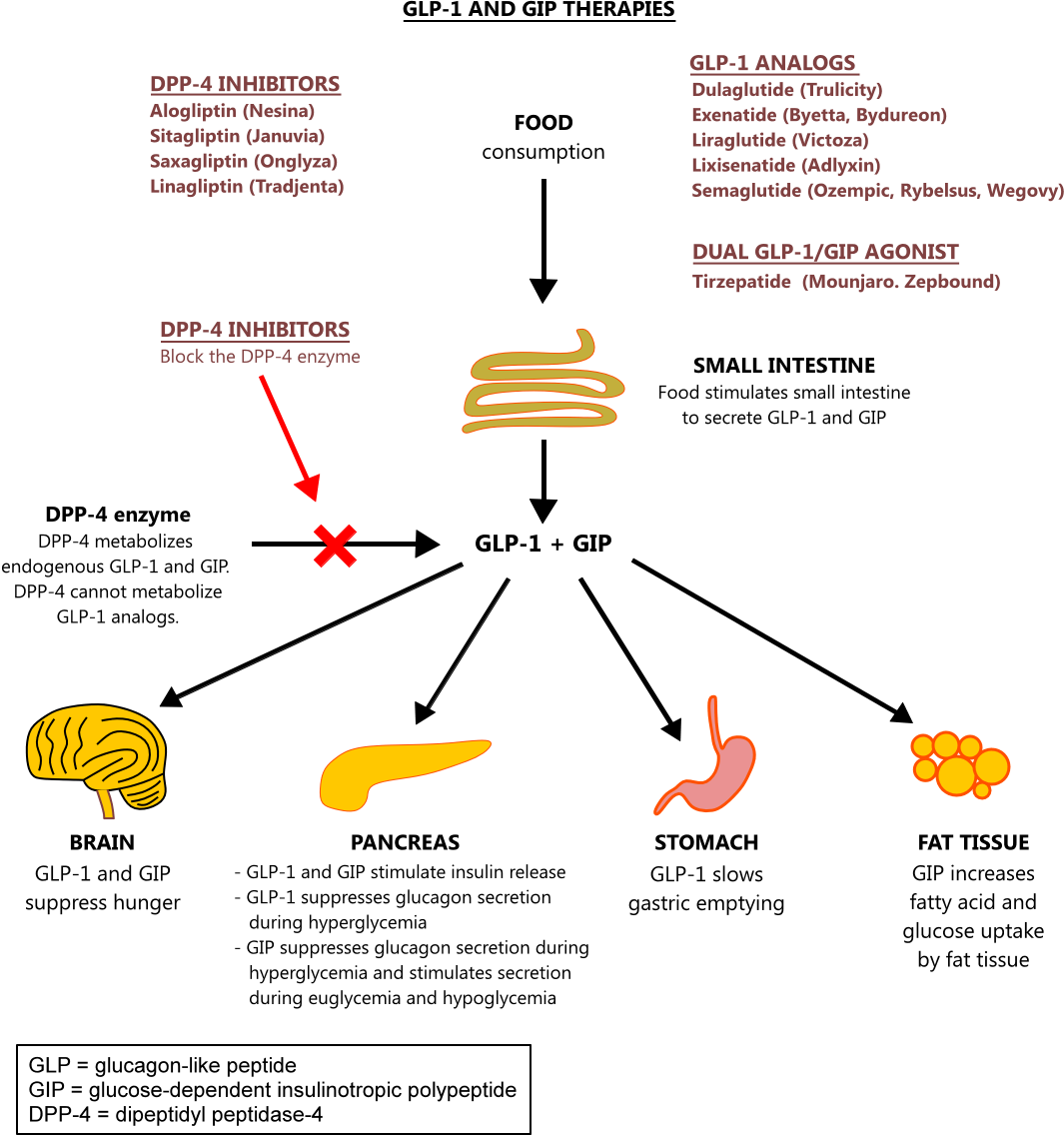
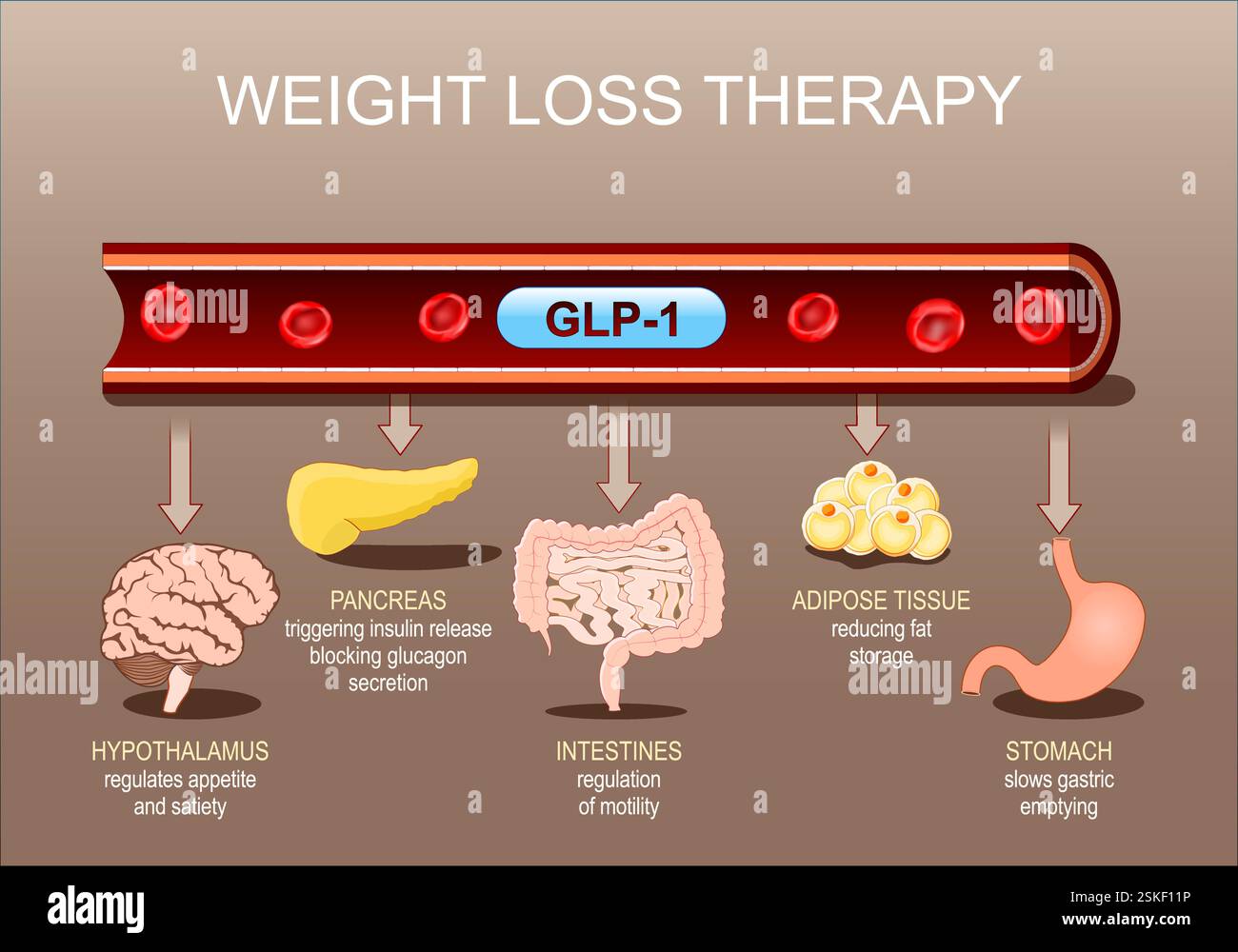
GLP-1 analogues are synthetic medications that mimic the naturally occurring hormone glucagon-like peptide-1. This hormone plays a crucial role in regulating blood sugar levels by stimulating insulin secretion and suppressing glucagon release. GLP-1 analogues are engineered to have an extended duration of action, allowing them to provide sustained benefits for weight management and glucose control.
Benefits of GLP-1 Analogues for Weight Management
Studies have consistently shown that GLP-1 analogues can lead to significant weight loss in individuals with obesity, particularly when combined with lifestyle modifications and other treatments. These medications have been shown to reduce body weight, improve glycemic control, and reduce the risk of cardiovascular complications. Additionally, GLP-1 analogues have been found to have a lower risk of hypoglycemia, a common side effect of insulin therapy.
Types of GLP-1 Analogues
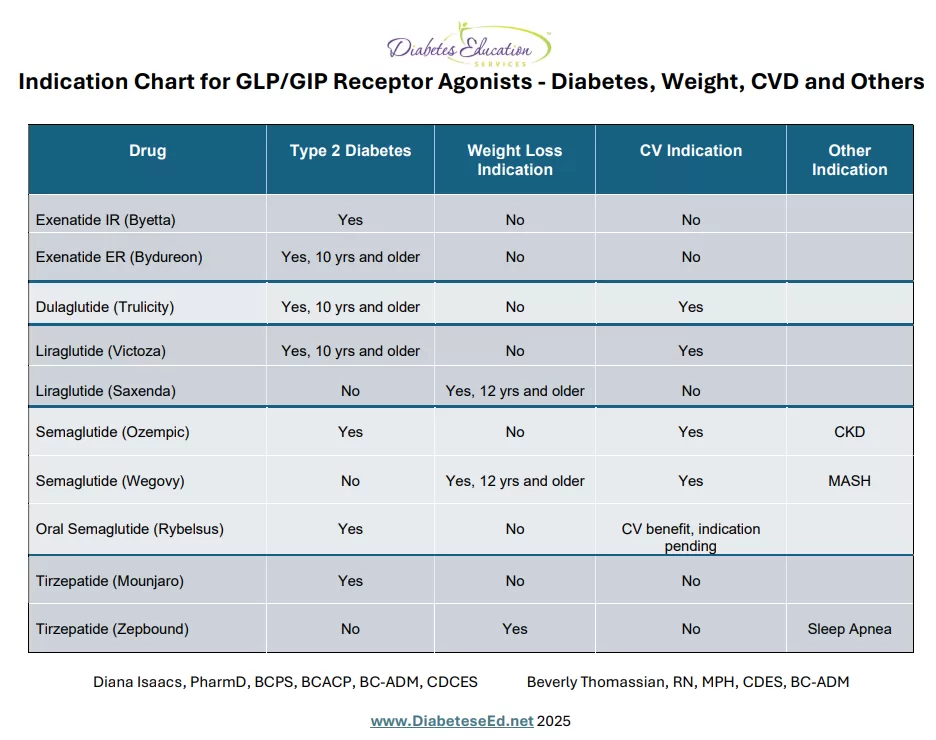
There are several types of GLP-1 analogues currently available, each with their unique characteristics and mechanisms of action. Some of the most notable GLP-1 analogues for weight management include:
- Semaglutide (Ozempic): This medication has been shown to lead to significant weight loss and improved glycemic control in clinical trials.
- Tirzepatide (Mounjaro): This dual GLP-1/GIP agonist has demonstrated superior efficacy in clinical trials, with weight loss rates of up to 21%.
- Retatrutide: This triple agonist is a potential future treatment option, which may lead to weight loss of over 24%.
- Exenatide: This medication has been shown to have a lower risk of hypoglycemia and is often used in combination with other treatments for weight management.
Current Clinical Trials and Real-World Applications
Clinical Trials:

Several clinical trials are currently underway to explore the safety and efficacy of GLP-1 analogues for weight management. These trials focus on the optimization of dosing regimens, the development of novel GLP-1 analogues, and the combination of these medications with other treatments for improved outcomes.
Real-World Applications:
GLP-1 analogues are increasingly being used in real-world settings to treat obesity and type 2 diabetes. Clinicians are working to develop personalized treatment plans that incorporate these medications, lifestyle modifications, and other interventions to achieve optimal results. However, it is essential to note that GLP-1 analogues should only be used under the guidance of a qualified healthcare professional.
Regulatory Frameworks and Legal Considerations
The use of GLP-1 analogues is subject to various regulatory frameworks, which may vary depending on the country or region. Clinicians must be aware of the relevant laws and regulations governing the use of these medications, including the risks associated with off-label use and potential drug interactions.
Conclusion
GLP-1 analogues have emerged as a promising class of medications for weight management and the treatment of type 2 diabetes. These medications have shown significant benefits in clinical trials and real-world applications, making them a valuable addition to the healthcare professional's arsenal. As the field continues to evolve, we can expect to see further research into novel GLP-1 analogues, combination treatments, and personalized approaches to achieving optimal weight management outcomes.
Key Takeaways
When considering GLP-1 analogues for weight management, remember that:
- GLP-1 analogues are synthetic medications that mimic the naturally occurring hormone glucagon-like peptide-1.
- These medications have been shown to lead to significant weight loss and improved glycemic control in clinical trials.
- Several GLP-1 analogues are available, each with unique characteristics and mechanisms of action.
- GLP-1 analogues should only be used under the guidance of a qualified healthcare professional.
- Regulatory frameworks and legal considerations must be taken into account when using GLP-1 analogues.