G Router Setup for High-Performance Network Security
As a homeowner, small business owner, or entrepreneur, a reliable and secure network is crucial for your online presence. A high-performance router is the backbone of your network, providing fast speeds, reliable connectivity, and advanced security features. In this article, we will guide you through the process of setting up a G router for high-performance network security.
Choosing the Right Router
The first step in setting up a G router for high-performance network security is to choose the right device. With numerous options available in the market, selecting the right one can be a daunting task. Here are some key factors to consider when choosing a G router:
- Wireless Standard: Ensure the router supports the latest wireless standard (Wi-Fi 6E or Wi-Fi 7) for fast and reliable speeds.
- Processor: A quad-core processor is a minimum requirement for handling multiple devices and heavy data transmission.
- Memory and Storage: Adequate RAM and storage are crucial for smooth performance and reliable connectivity.
- Security Features: Consider routers with built-in security features such as WPA3 encryption, VPN support, and advanced firewall capabilities.
- Range and Coverage: Choose a router with a strong and consistent signal, ensuring reliable coverage throughout your premises.
- Power Consumption: Opt for energy-efficient routers to reduce your electricity bill and minimize your carbon footprint.
Flint 2 (GL-MT6000) Router Setup
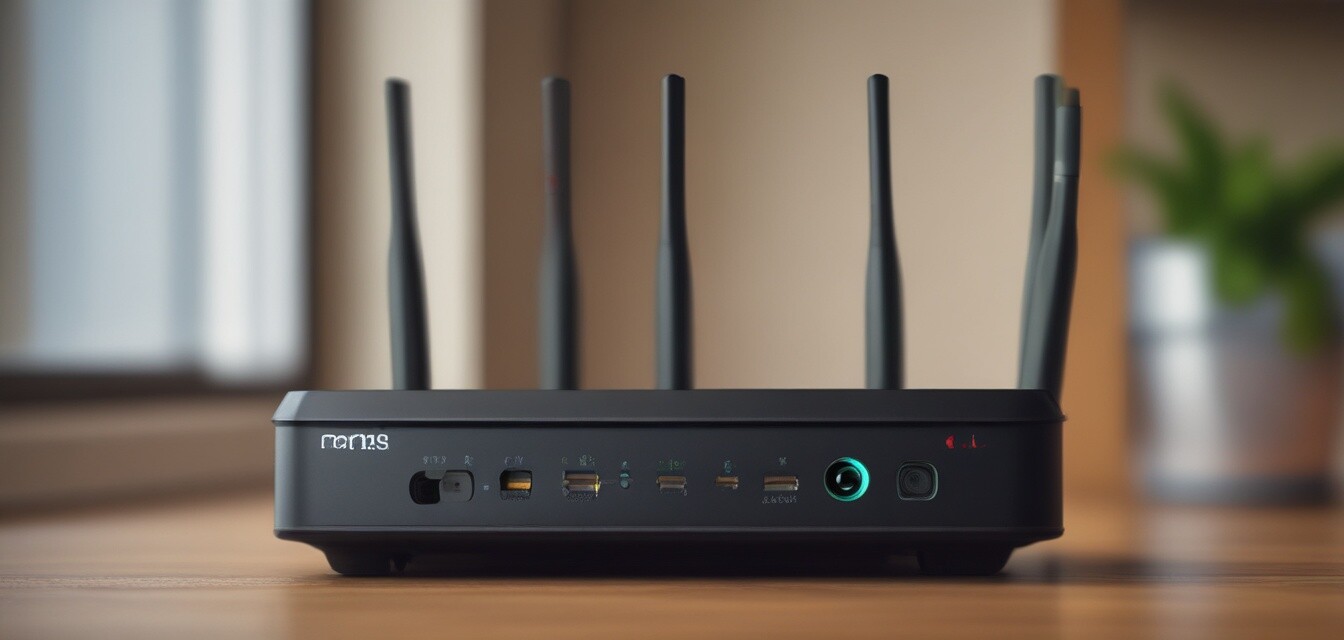
For this article, we'll use the Flint 2 (GL-MT6000) router as an example. This Wi-Fi 6 router is designed for heavy-duty data transmission, mass device connectivity, and ultra-low latency gaming environments. Here's a step-by-step guide to set up your Flint 2 router:
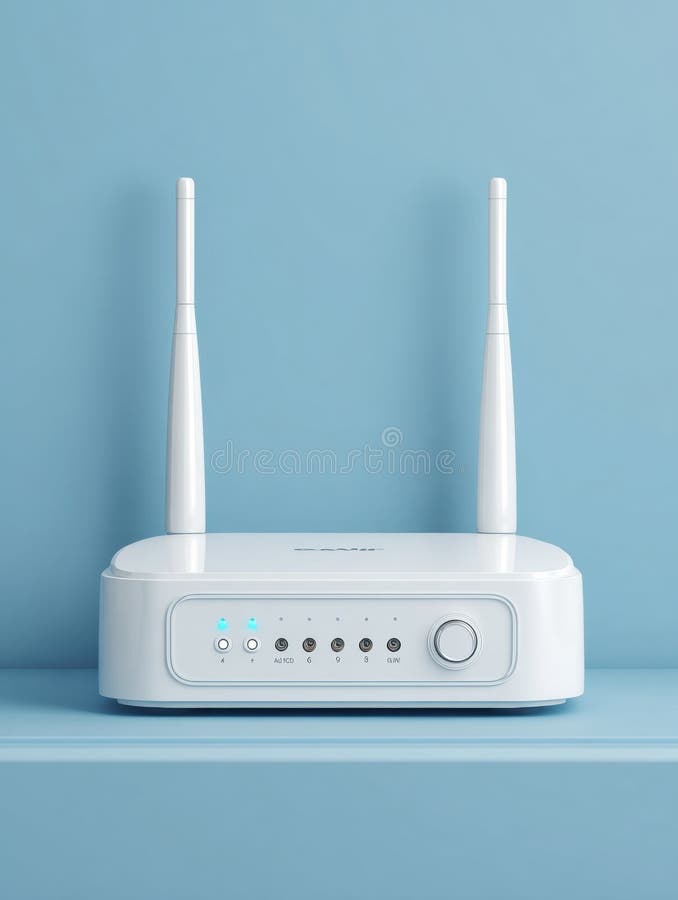
- Physical Installation: Place the router in a central location, away from obstacles and other electronic devices.
- Power On: Plug in the power cord and turn on the router.
- Connect to the Router: Use a computer or mobile device to connect to the router's default network.
- Access the Web Interface: Open a web browser and type the router's IP address (default is 192.168.8.1) to access the web interface.
- Configure the Wireless Settings: Set up the wireless network name (SSID), channel, and encryption method (WPA3).
- Configure the LAN Settings: Set up the LAN IP address, subnet mask, and gateway IP address.
- Configure the Firewall Settings: Enable the firewall and configure the rules according to your network requirements.
- Configure the VPN Settings:
- Set up the VPN server credentials and configure the VPN settings.
Advanced Security Features
Once you've set up your router, it's essential to configure advanced security features to safeguard your network. Here are some key features to consider:
- Firewall: Activate the firewall and configure the rules to block unauthorized access to your network.
- WPA3 Encryption: Enable WPA3 encryption to ensure the highest level of encryption for your wireless network.
- VPN Support: Configure the VPN server credentials and enable the VPN feature to encrypt your internet traffic.
- Malware Protection: Enable malware protection to detect and block malicious software from accessing your network.
- Regular Firmware Updates: Regularly check for firmware updates and install them promptly to ensure optimal performance and security.
Conclusion
Setting up a G router for high-performance network security requires careful consideration of the right device, advanced security features, and regular maintenance. By following the steps outlined in this article, you'll be able to create a robust and secure network that supports your online activities, whether at home, in the office, or in a small business setting. Remember to regularly check for firmware updates and configure advanced security features to maintain optimal performance and security for your Wi-Fi network.