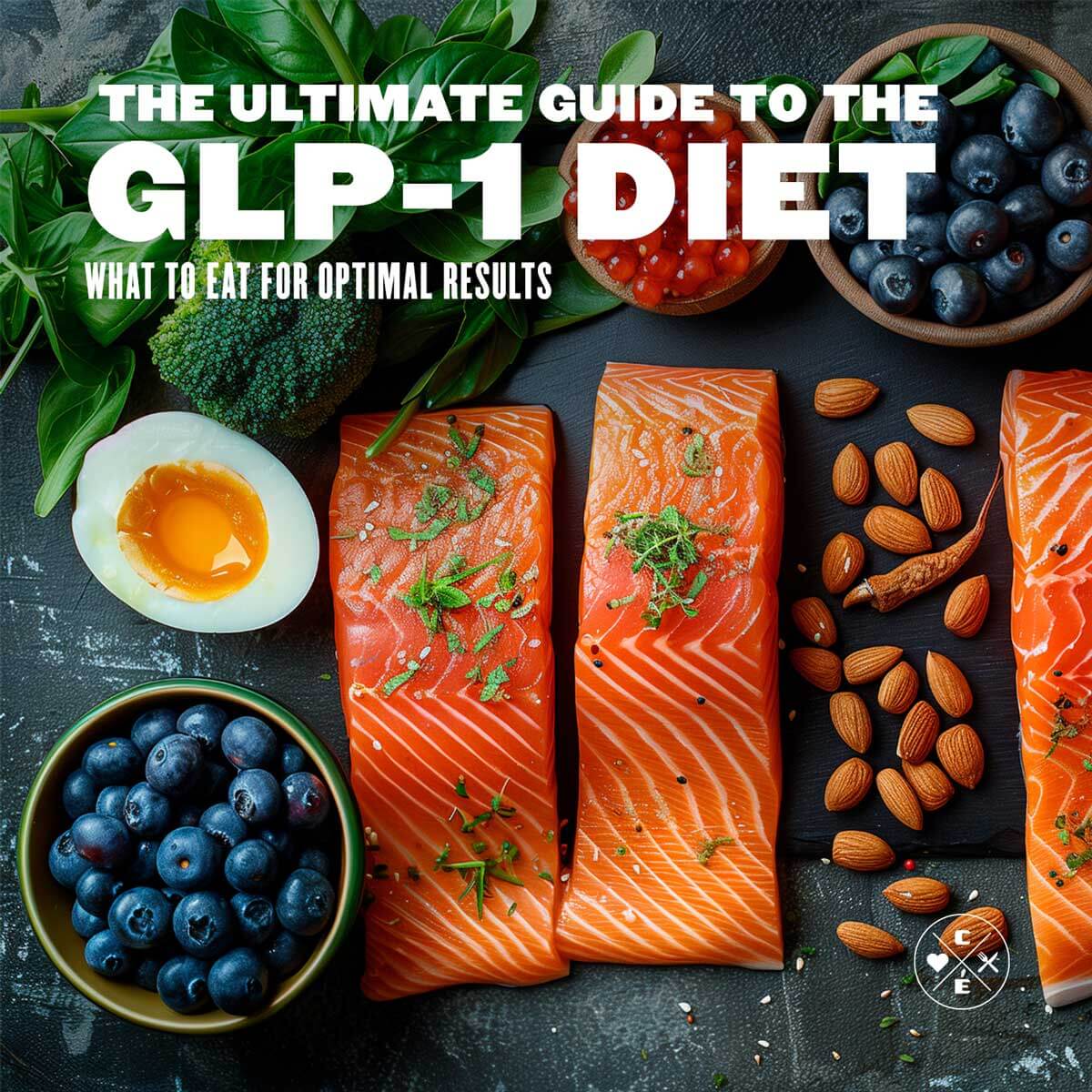
Intermittent Fasting and GLP-1 for PCOS Symptoms: A Comprehensive Guide
Introduction
Polycystic ovary syndrome (PCOS) is a complex hormonal disorder that affects millions of women worldwide. Managing PCOS symptoms can be challenging, but recent research has shed light on the potential benefits of intermittent fasting (IF) and GLP-1 for PCOS symptom management. In this article, we will delve into the world of IF and GLP-1, exploring their potential effects on insulin sensitivity, reproductive hormones, and overall health.Understanding PCOS
PCOS is a hormonal disorder characterized by ovulatory dysfunction, hyperandrogenism, and insulin resistance. Women with PCOS often experience symptoms such as irregular menstrual cycles, hirsutism, acne, and weight gain. The exact cause of PCOS is still unknown, but insulin resistance is believed to play a key role in the development and exacerbation of symptoms.Intermittent Fasting and PCOS Symptoms
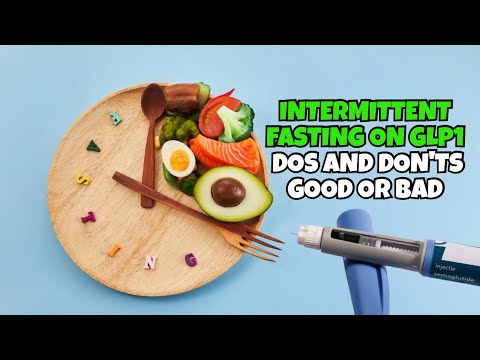
Intermittent fasting, a diet trend that involves alternating periods of eating and fasting, has gained popularity in recent years. While the benefits of IF for weight loss and metabolic health are well-documented, research suggests that it may also have a positive impact on PCOS symptoms. By reducing insulin resistance, IF may help improve insulin sensitivity, regulate blood sugar, and alleviate symptoms such as irregular cycles and high androgen levels.GLP-1 and PCOS Symptoms