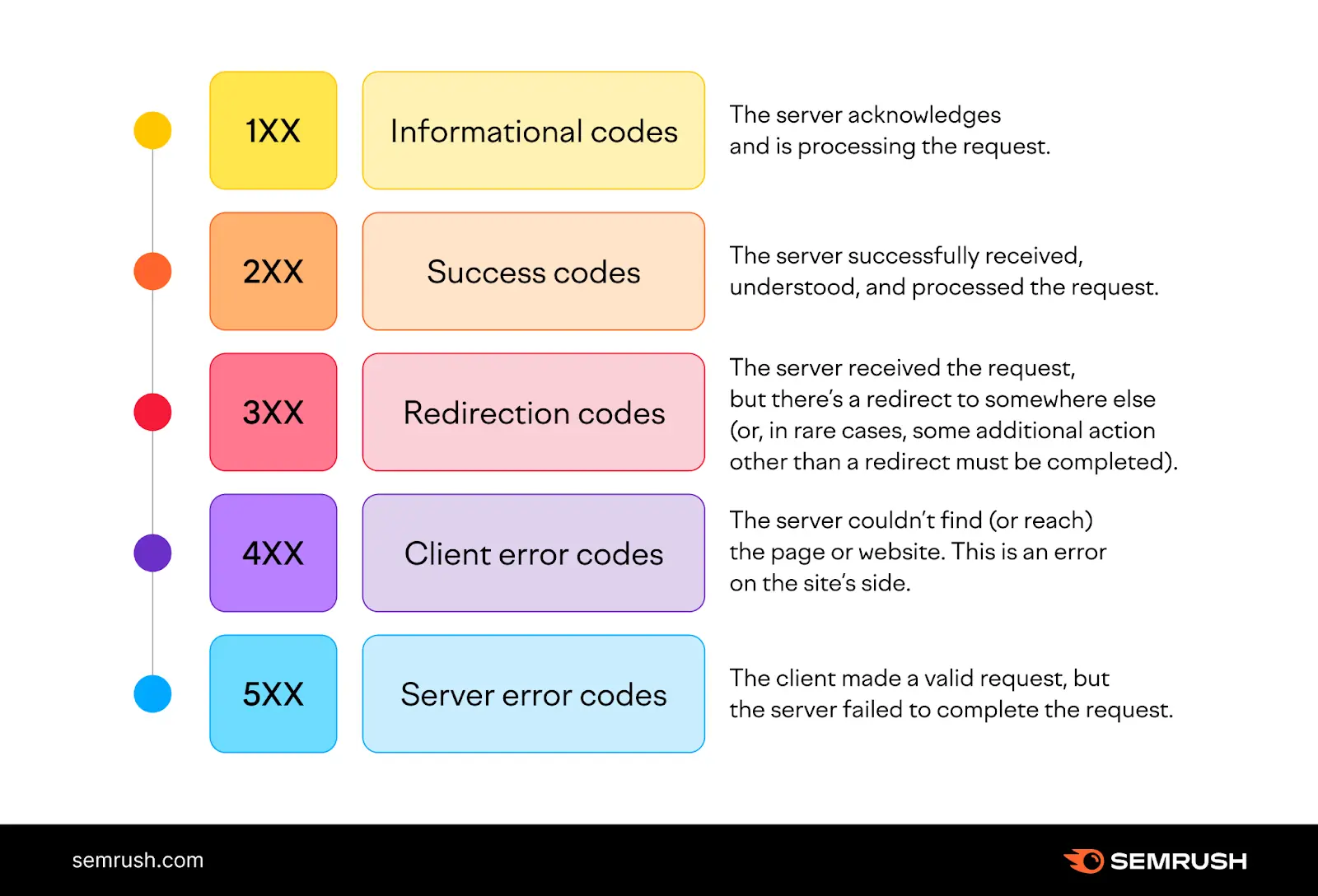
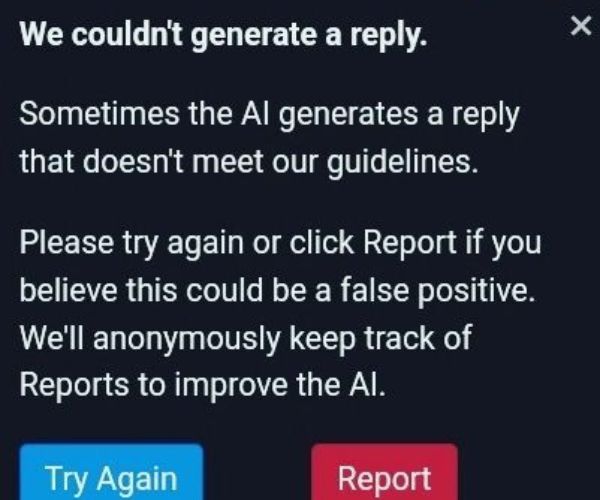
Human-Readable AI Error Messages: The Key to Efficient AI Development
As Artificial Intelligence (AI) continues to transform various aspects of our lives, developers are grappling with the challenge of making AI systems user-friendly and error-free. A crucial aspect of achieving this goal lies in crafting human-readable AI error messages that effectively communicate with users, providing actionable insights into the issue at hand. In this article, we will delve into the importance of human-readable AI error messages and explore strategies for implementing them in your AI projects.
The Importance of Human-Readable AI Error Messages
Designing human-readable AI error messages is a critical component of API development. By providing clear, consistent, and actionable error messages, developers can significantly improve the user experience and reduce frustration when issues arise. These messages serve as a bridge between the AI agent and its users, conveying the problem and suggesting a course of action to resolve it.
Types of Messages
AI systems generate various types of messages, including:
- System messages that inform the model how to behave and provide context for interactions.
- Human messages that represent user input and interactions with the model.
- Ai messages that comprise responses generated by the model, including text content, tool calls, and metadata.
- Tool messages that represent the outputs of tool calls.
Designing Human-Readable Error Messages
Effective human-readable error messages are plainspoken, using legible and readable text. Many writing apps can provide feedback on a message's readability. Avoid using technical jargon and opt for language that is familiar to your users.
- Keep it simple: Steer clear of overly complex language and focus on direct, concise communication.
- Use clear and concrete language: Avoid ambiguity and opt for straightforward, easy-to-understand language.
- Be concise: Keep error messages brief and to the point, avoiding lengthy explanations that may confuse users.
The Benefits of Human-Readable Error Messages
Human-readable error messages offer a range of benefits, including:
- Improved user experience: Clearly communicating issues helps users quickly understand and resolve problems.
- Enhanced trust: When AI systems provide actionable error messages, users are more likely to trust the system and its ability to provide accurate outputs.
- Reduced frustration: By providing straightforward error messages, developers can minimize user frustration and improve overall system usability.
Tools for Human-Readable Error Messages
Several tools and libraries can aid in creating human-readable error messages, including:
- Python library for AI-powered explanations of Python exceptions and errors: This library transforms complex tracebacks into clear, human-readable messages to speed up debugging.
- AI-powered Jenkins plugin: This plugin explains pipeline and job failures with human-readable insights.
- Interpreter open-ai error messages to human readable errors: The EduBrain AI humanizer turns rough text into clear, human-readable lines.
- LangChain: This platform provides a pre-built agent architecture and model integrations to help developers create custom agents and applications powered by LLMs.
Conclusion
Human-readable AI error messages are a critical component of efficient AI development. By implementing clear, concise, and actionable error messages, developers can improve the user experience, enhance trust, and reduce frustration. By leveraging the strategies and tools outlined in this article, developers can create error messages that effectively communicate with users, paving the way for seamless AI-human interaction.


![AI Gone Wrong: AI Hallucinations & Errors [Updated] - Tech.co](https://community.alteryx.com/t5/image/serverpage/image-id/308897iC5D2C277B2727130?v=v2 "AI Gone Wrong: AI Hallucinations & Errors [Updated] - Tech.co")