Maximizing the Benefits of GLP-1 Therapy with Mindful Eating Strategies
When it comes to managing weight and improving metabolic health, glucagon-like peptide-1 (GLP-1) therapy has proven to be a game-changer. These medications not only reduce appetite and promote weight loss but also regulate blood sugar levels, reducing the risk of diabetes and other metabolic disorders. However, GLP-1 therapy is just the beginning – it's essential to combine it with mindful eating strategies to maximize its benefits and maintain a healthy relationship with food.
The Synergy of GLP-1 Therapy and Mindful Eating
Mindful eating practices can help you harness the full potential of GLP-1 therapy by addressing both the physiological and psychological aspects of eating behavior. GLP-1 medications can reduce hunger and increase feelings of fullness, but they don't automatically teach you to eat well. By incorporating mindful eating strategies, you can develop a healthier relationship with food, build lasting nutritional habits, and maintain your success long after treatment ends.
Understanding the Science Behind GLP-1 Therapy
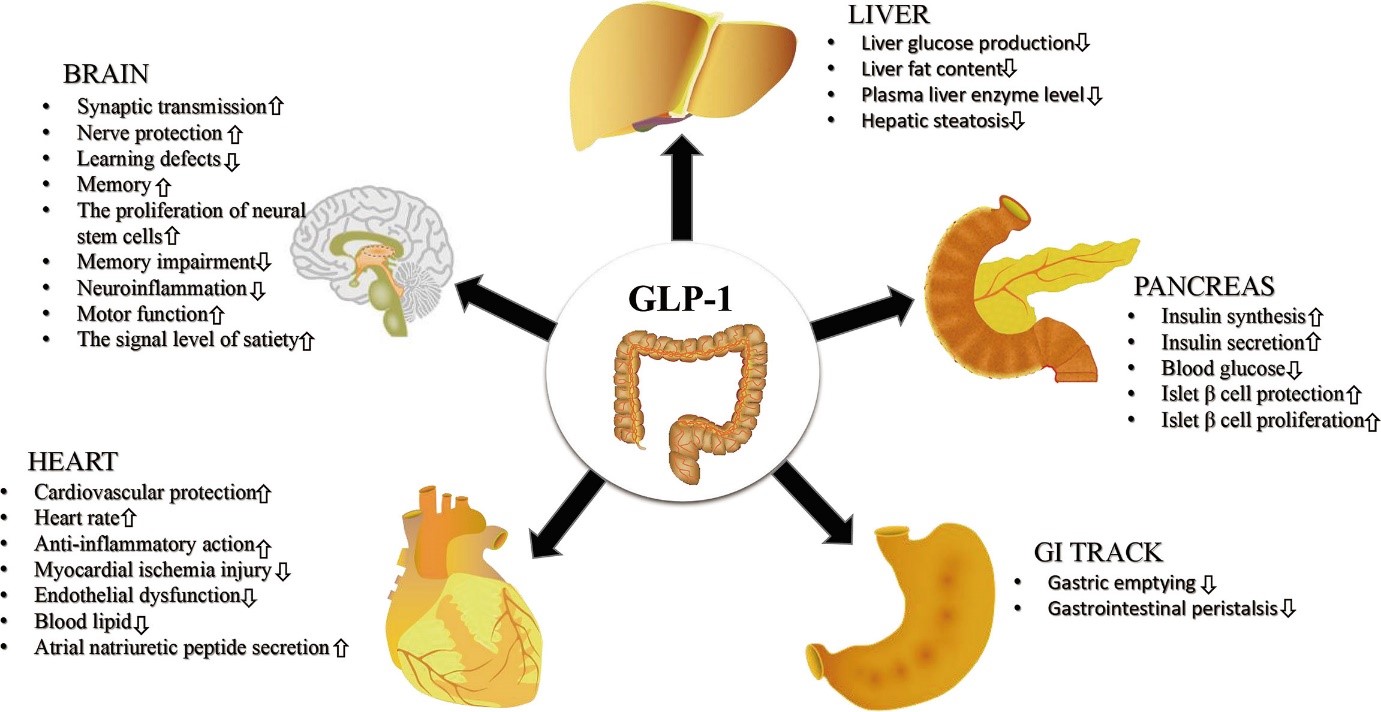
GLP-1 therapy works by mimicking the action of the naturally occurring GLP-1 hormone in the body. This hormone regulates appetite and blood sugar levels by binding to receptors in the gut and brain. By taking GLP-1 medications, you're essentially tricking your brain into feeling full and satisfied, making it easier to stick to a balanced diet. However, this doesn't necessarily mean you'll automatically develop healthy eating habits. It's essential to learn to recognize and respect your body's hunger and fullness cues to maximize the benefits of GLP-1 therapy.
The Role of Mindful Eating in GLP-1 Therapy
Mindful eating is a practice that involves paying attention to your physical and emotional sensations while eating, such as the taste, texture, and smell of food. It's about developing a non-judgmental awareness of your eating habits and making conscious choices that nourish your body and satisfy your hunger. By combining GLP-1 therapy with mindful eating strategies, you can:
- Regulate your appetite and develop a healthier relationship with food
- Build sustainable, long-term weight loss habits
- Reduce the risk of side effects associated with GLP-1 therapy
- Improve your overall metabolic health and reduce the risk of chronic diseases
Putting It into Practice
So, how do you incorporate mindful eating strategies into your GLP-1 therapy plan? Here are some tips to get you started:
- Practice mindful eating by paying attention to your hunger and fullness cues
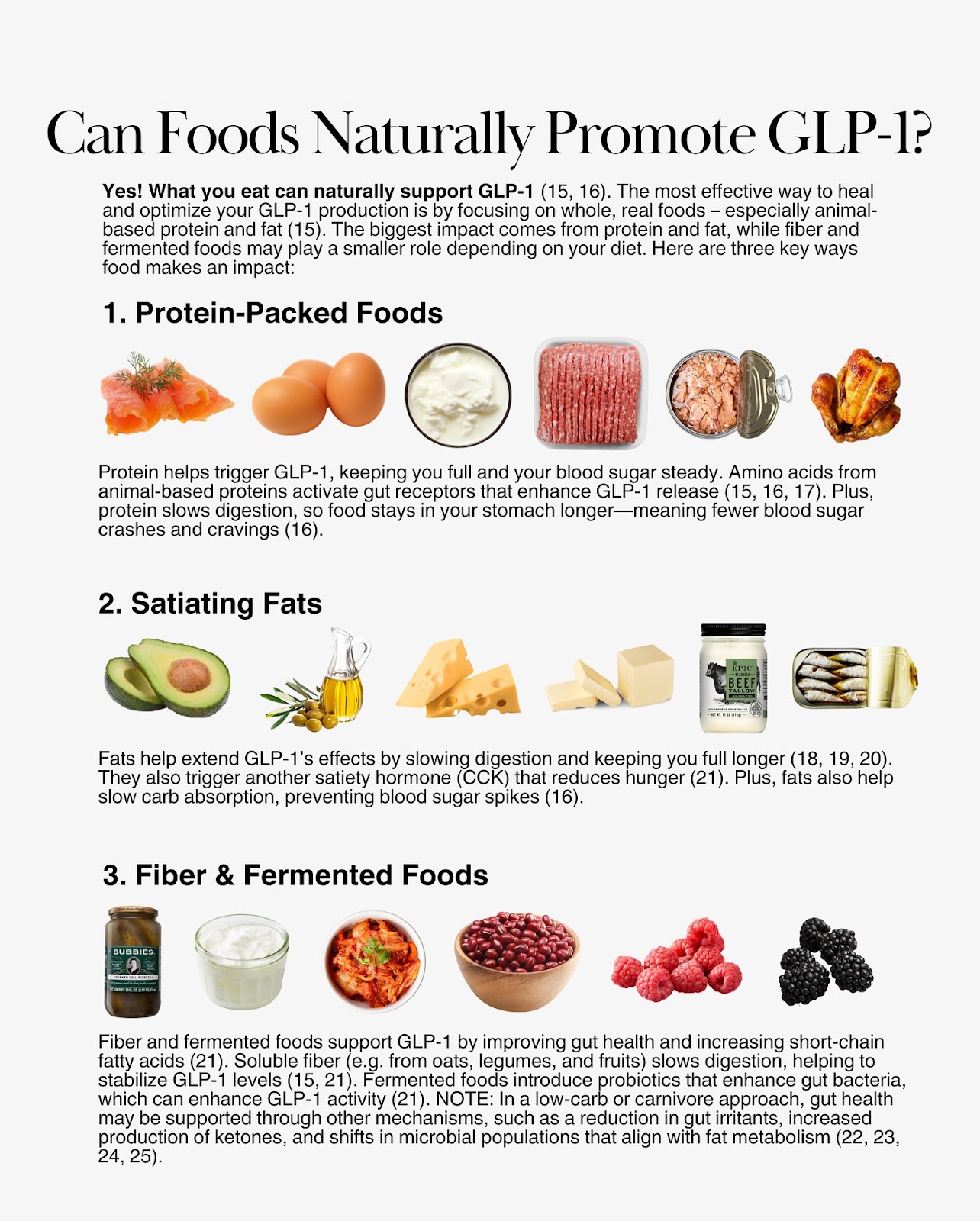
- Choose balanced, nutrient-dense meals and snacks to fuel your body
- Develop a pre-meal routine to help you prepare and plan your meals
- Engage in regular physical activity to regulate your appetite and improve overall health
- Seek support from a registered dietitian or certified health coach to develop a personalized nutrition plan
Combining GLP-1 Therapy with Behavioral Therapy
For individuals struggling with binge eating disorder, GLP-1 therapy may be used in conjunction with behavioral therapy and nutritional counseling. This comprehensive approach can help individuals overcome emotional eating patterns, develop healthier relationships with food, and achieve sustainable weight loss.
Conclusion
GLP-1 therapy is a powerful tool for managing weight and improving metabolic health, but it's just the beginning. By combining it with mindful eating strategies, you can create a holistic approach to weight management that addresses both the physiological and psychological aspects of eating behavior. By developing a healthier relationship with food and respecting your body's hunger and fullness cues, you can maintain a balanced diet, reduce the risk of side effects, and achieve lasting weight loss success.
Learn More About GLP-1 Therapy and Mindful Eating
For more information on GLP-1 therapy and mindful eating strategies, consult with a registered dietitian or certified health coach. They can help you develop a personalized nutrition plan that complements your GLP-1 therapy and supports your overall health and well-being.