Understanding the Role of GLP-1 in Gastric Bypass Weight Loss
Gastric bypass weight loss has become a widely accepted treatment option for individuals struggling with obesity. While the procedure itself has been shown to be effective in achieving significant weight loss, recent studies have highlighted the importance of glucagon-like peptide-1 (GLP-1) in the weight loss process. In this article, we will delve into the role of GLP-1 in gastric bypass weight loss and explore the latest research in this area.The Science Behind GLP-1 and Weight Loss
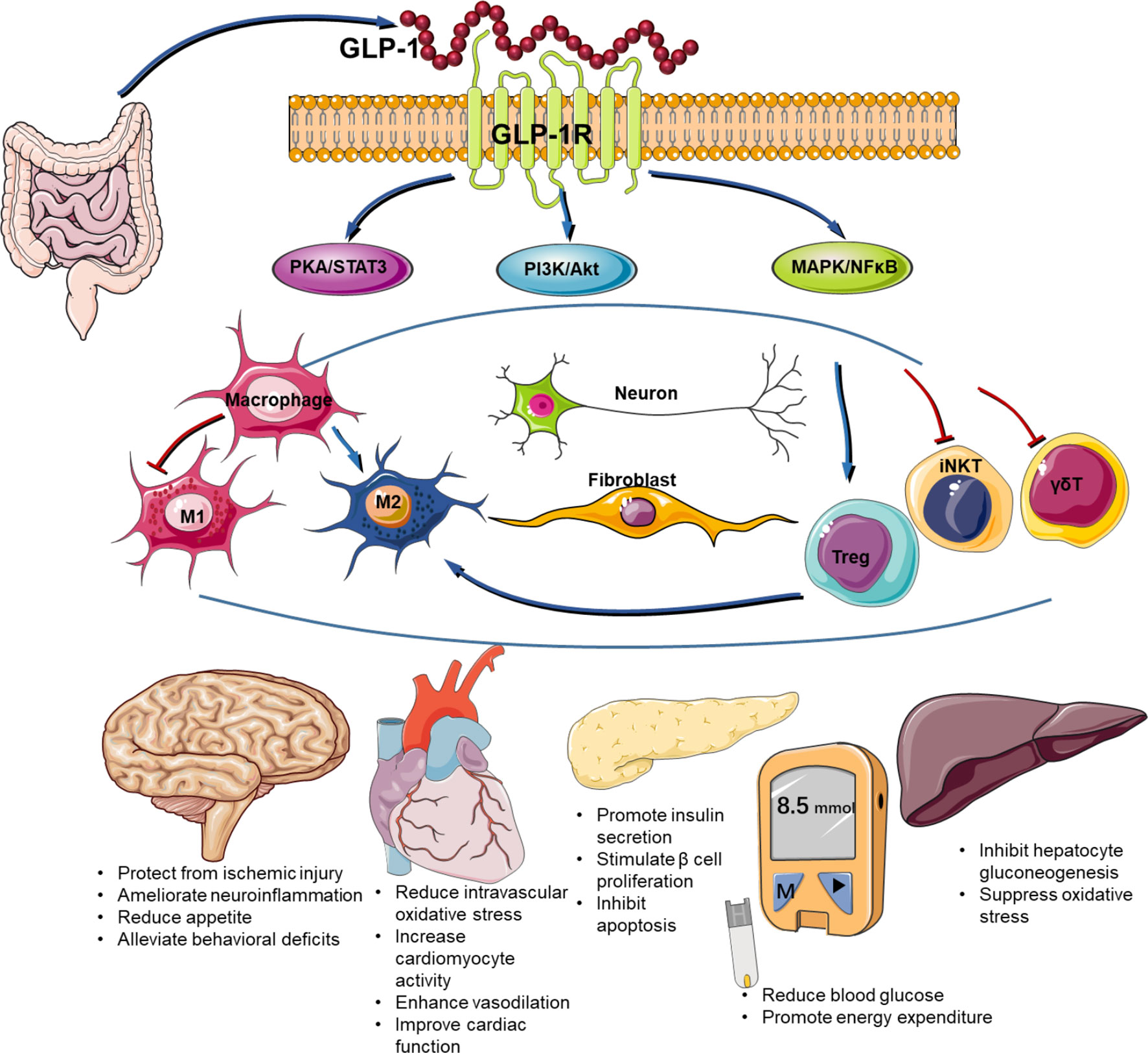
GLP-1, also known as incretin, is a hormone produced in the gut that plays a crucial role in glucose metabolism and weight regulation. After gastric bypass surgery, the levels of GLP-1 increase significantly, leading to improved glucose metabolism, reduced hunger, and increased satiety. This hormone is produced in response to food intake and helps to regulate blood sugar levels by stimulating insulin secretion and inhibiting glucagon release.The Impact of GLP-1 on Weight Loss After Gastric Bypass
Research has shown that GLP-1 levels increase significantly after gastric bypass surgery, contributing to the weight loss observed in patients. Studies have demonstrated that GLP-1 receptor agonists, such as liraglutide, can improve glucose metabolism and promote weight loss in individuals with obesity. The BARI-OPTIMISE study, a randomized clinical trial of 70 patients with less than 20% weight loss after gastric bypass or sleeve gastrectomy, found that liraglutide resulted in 8.8% weight loss over 6 months compared to 0.5% in patients in the control group.New Study Highlights Superiority of Bariatric Surgery Over GLP-1 Medications for Sustained Weight Loss
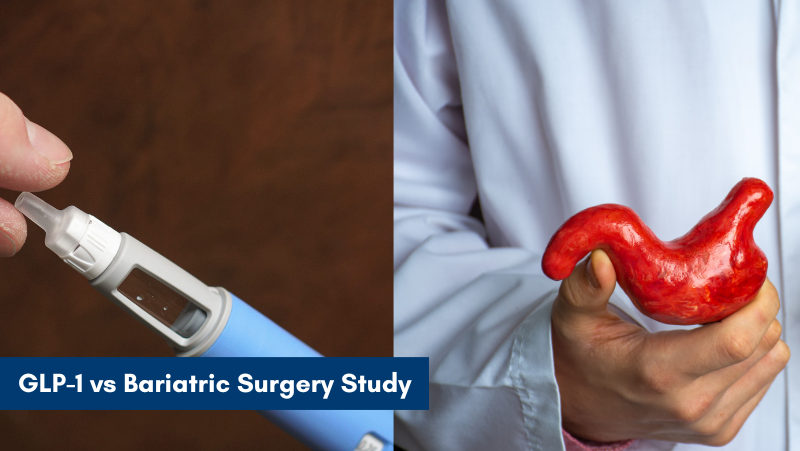
A recent real-world study presented at the ASMBS 2025 Annual Meeting compared outcomes between GLP-1 medications and bariatric surgery. The findings showed that patients who underwent sleeve gastrectomy or gastric bypass lost approximately five times more weight than those taking GLP-1 medications.GLP-1 and Bariatric Surgery: What's the Difference?