Glp-1 and Healthy Gut Diet: Unlocking Optimal Weight Loss, Appetite Control, and Blood Sugar Balance
Numerous studies have highlighted the intricate relationship between GLP-1 (Glucagon-Like Peptide-1) and gut health. This hormone, released by the gut in response to food intake, regulates blood sugar, appetite, and digestion. However, its production and effectiveness are significantly influenced by the state of the gut. In this article, we'll delve into the dynamics of the GLP-1 and healthy gut diet connection, exploring how dietary habits and lifestyle choices can impact GLP-1 levels and overall well-being.
The Science Behind GLP-1 and Gut Health
GLP-1 is produced by the L-cells in the intestinal epithelium, where it plays a crucial role in regulating nutrient intake and energy homeostasis. Research has shown that the gut microbiota can influence GLP-1 production, particularly in response to dietary fibers and altered gut bacteria populations. This remarkable connection underscores the significance of maintaining a healthy gut microbiome in optimizing GLP-1 function.
How to Boost GLP-1 Naturally with a Healthy Gut Diet
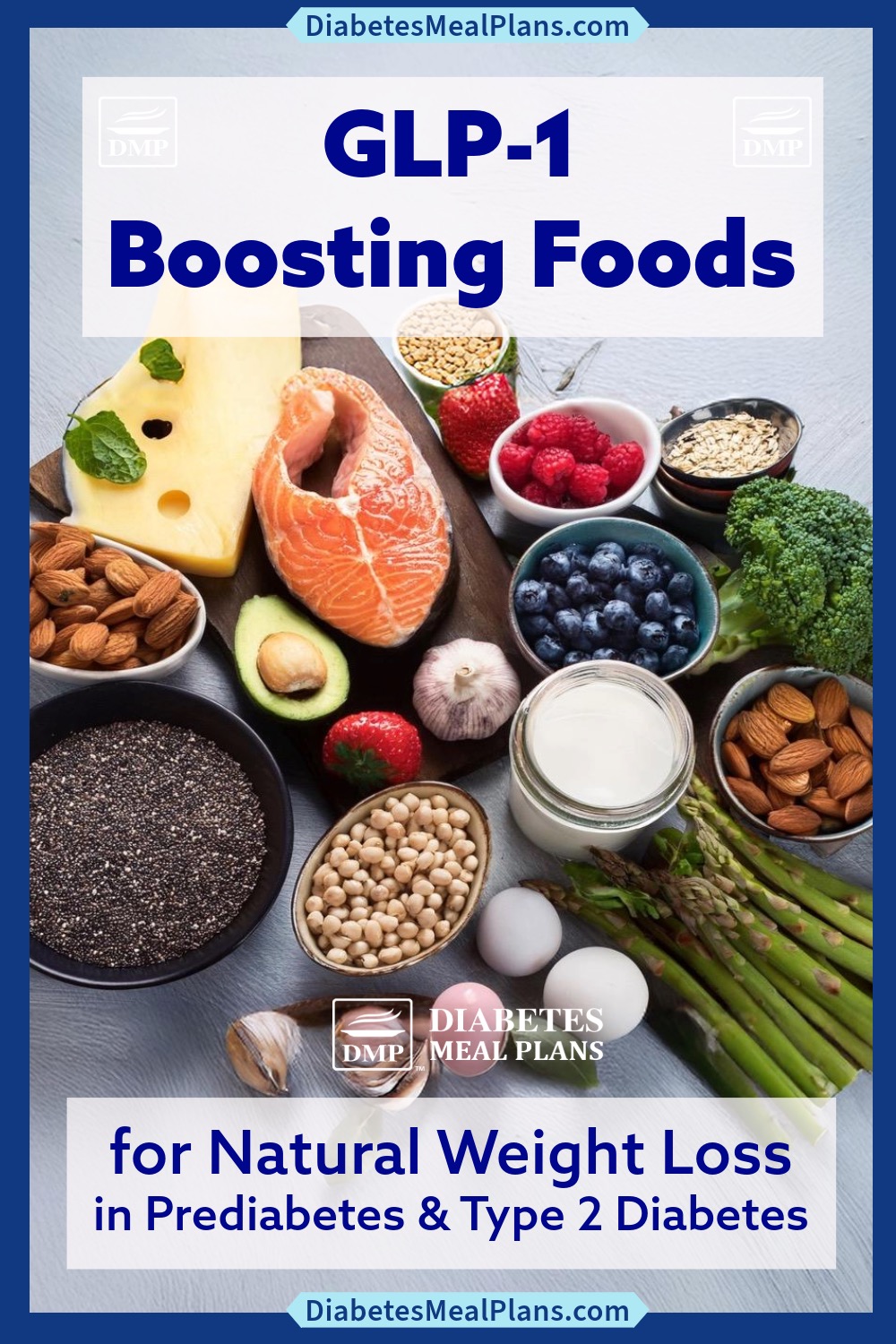
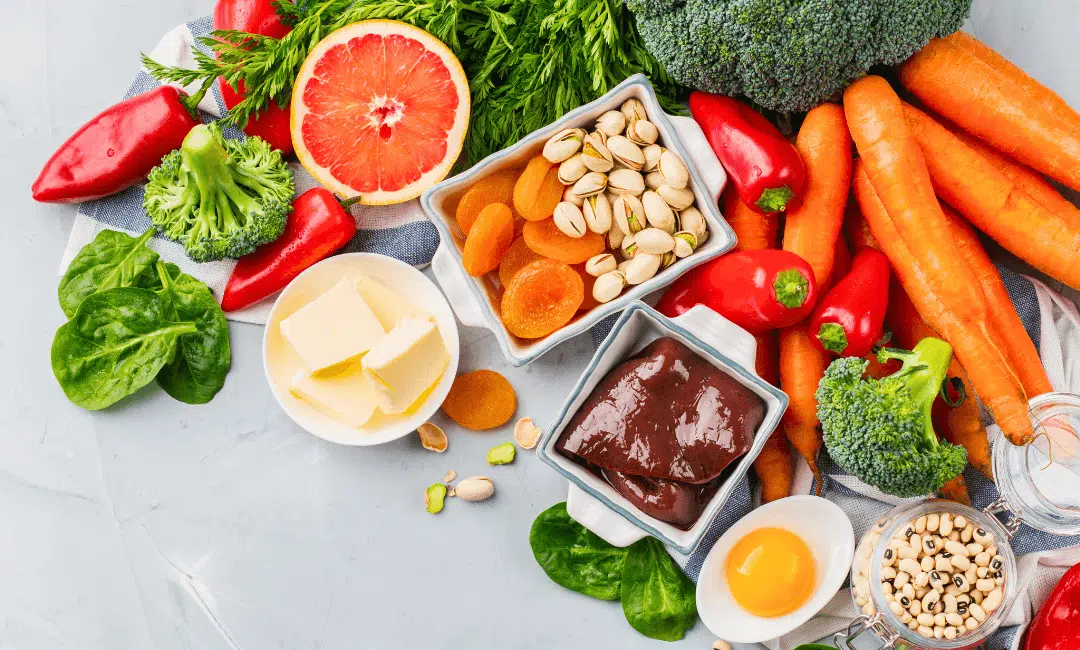
Fortunately, there are several dietary habits and lifestyle choices that can help boost GLP-1 levels naturally. A high-fiber diet, rich in fruits, vegetables, and whole grains, helps support the growth of beneficial gut bacteria. Protein and healthy fats, particularly those that are rich in omega-3 fatty acids, also play a crucial role in stimulating GLP-1 release. Among the key benefits of incorporating these foods into your diet is improved appetite control and enhanced glucose metabolism.
- High-Fiber Foods: Legumes, whole grains, and fruits are all rich in dietary fiber, which promotes a healthy gut microbiota.
- Protein-Rich Foods: Include lean protein sources like poultry, fish, and legumes to stimulate GLP-1 release.
- Healthy Fats: Avocado, olive oil, and nuts are all rich in healthy fats that support GLP-1 signaling.
Optimizing the GLP-1-Stimulating Effects of Food with Probiotics and Enzymes
Probiotics and enzymes can play a valuable role in enhancing digestion and reducing symptoms of GLP-1 medication side effects. Certain probiotic strains, such as Bifidobacterium and Lactobacillus, have been shown to produce butyrate, which triggers natural GLP-1 release and aids in weight loss and metabolic balance.

- Probiotics: Support gut health with beneficial bacteria like Bifidobacterium and Lactobacillus.
- Enzymes: Incorporate digestive enzymes like amylase and lipase to facilitate protein digestion and improve nutrient absorption.
The Imperative of GLP-1-Relevant Gut Bacteria for Weight Management
The scientific consensus is clear: maintaining a stable gut microbiome is key to optimizing GLP-1 function and achieving long-term weight loss. Incorporating foods rich in fiber, protein, and healthy fats into your diet, while also considering the beneficial effects of probiotics and enzymes, can have a profound impact on your overall health and metabolism. As you embark on your journey toward a healthier gut and higher GLP-1 levels, remember that the key lies in consistent effort and healthy choices.
Manage GLP-1 Side Effects with RDN-Approved Strategies
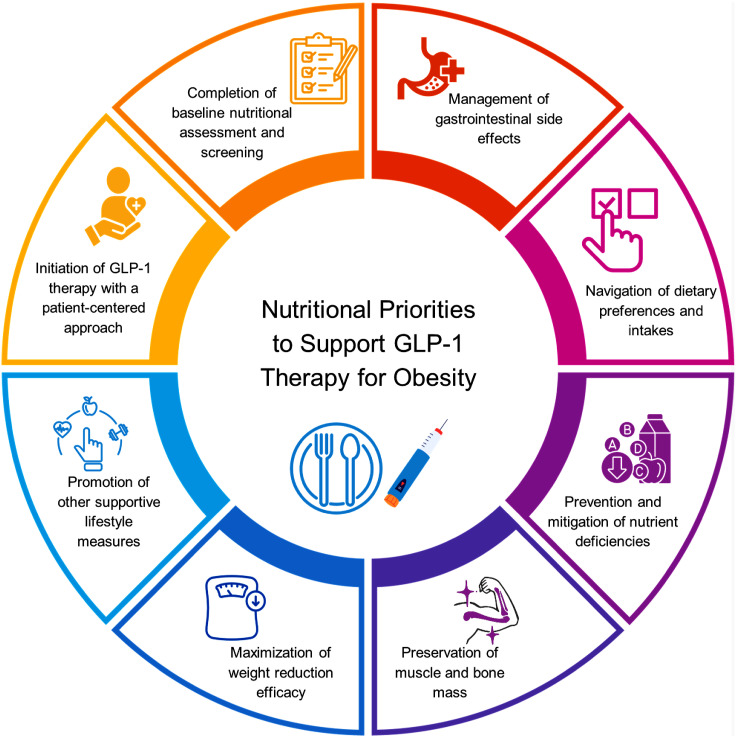
Eating 30-40% less when on GLP-1 medication underscores the importance of nutrient density at every meal. Prioritize protein, fiber-rich vegetables, and healthy fats. RDN-approved strategies can address common side effects like nausea and constipation, protecting muscle mass during rapid weight loss. Make healthy choices for a healthier you!
Conclusion
By integrating these evidence-based dietary recommendations and lifestyle habits, you'll not only enhance your GLP-1 levels but also set yourself up for sustained weight loss, superior appetite control, and better overall health. GLP-1 and Healthy Gut Diet is a powerful duo that can transform your metabolism and revitalize your digestive function. Unlock the full potential of your body and discover the transformative benefits that await.