GLP-1 Analogues for Type 2 Diabetes Management
Glucagon-like peptide-1 (GLP-1) agonists have revolutionized the management of type 2 diabetes and associated metabolic disorders. These agents mimic the naturally occurring hormone glucagon-like peptide-1, which helps control blood sugar and appetite. GLP-1 analogues have emerged as a groundbreaking class of medications that improve glycemic control by increasing insulin secretion and suppressing glucagon release, while also promoting weight loss and reducing the risk of cardiovascular events.
Understanding GLP-1 Analogues
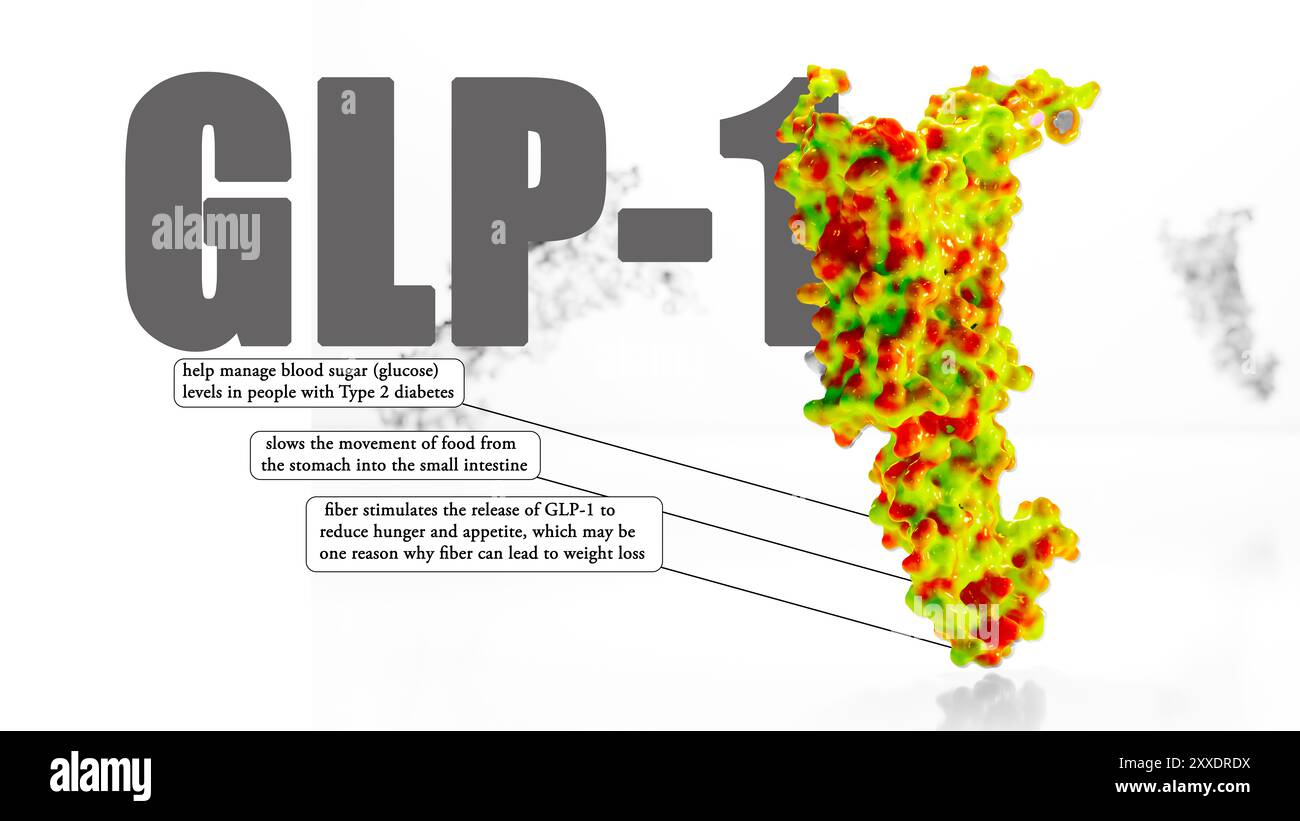
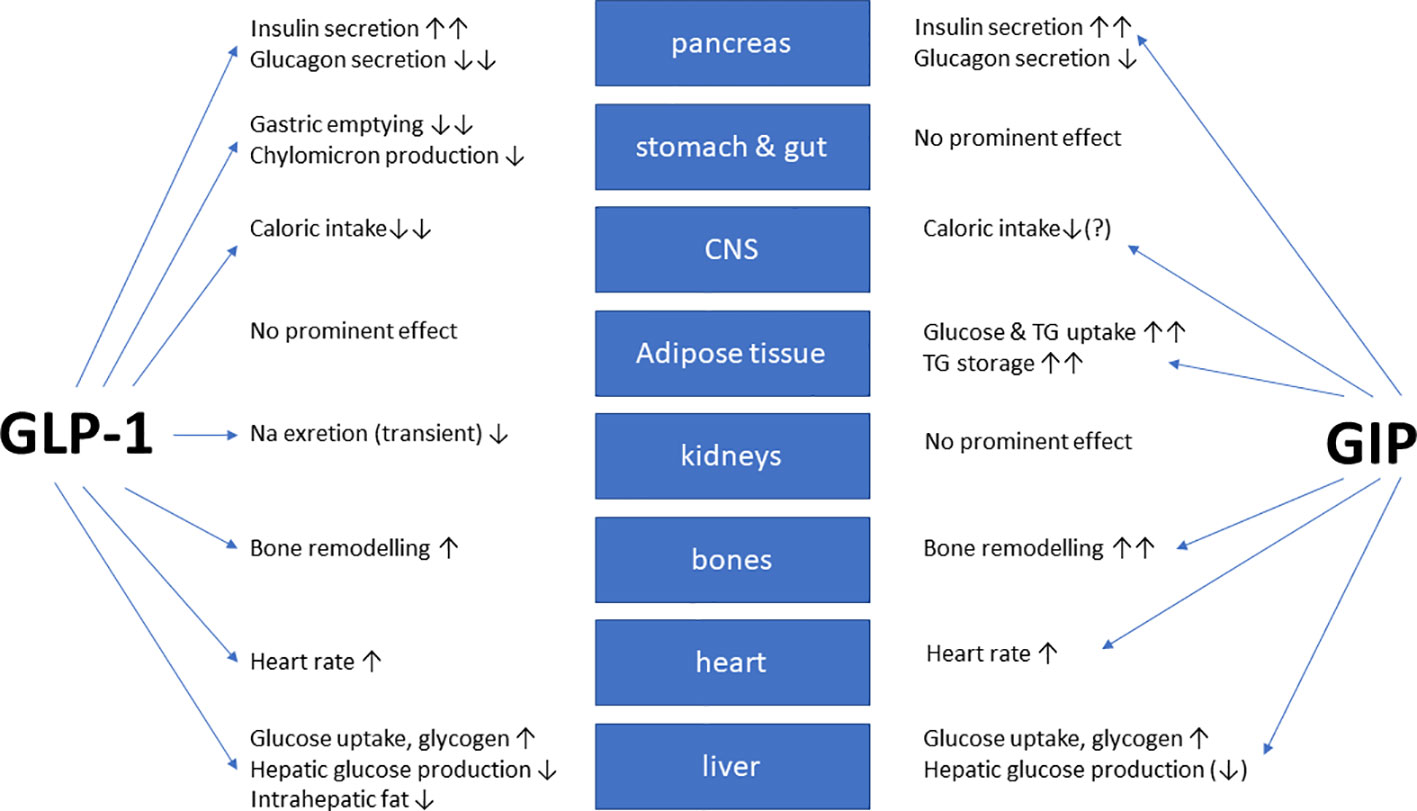
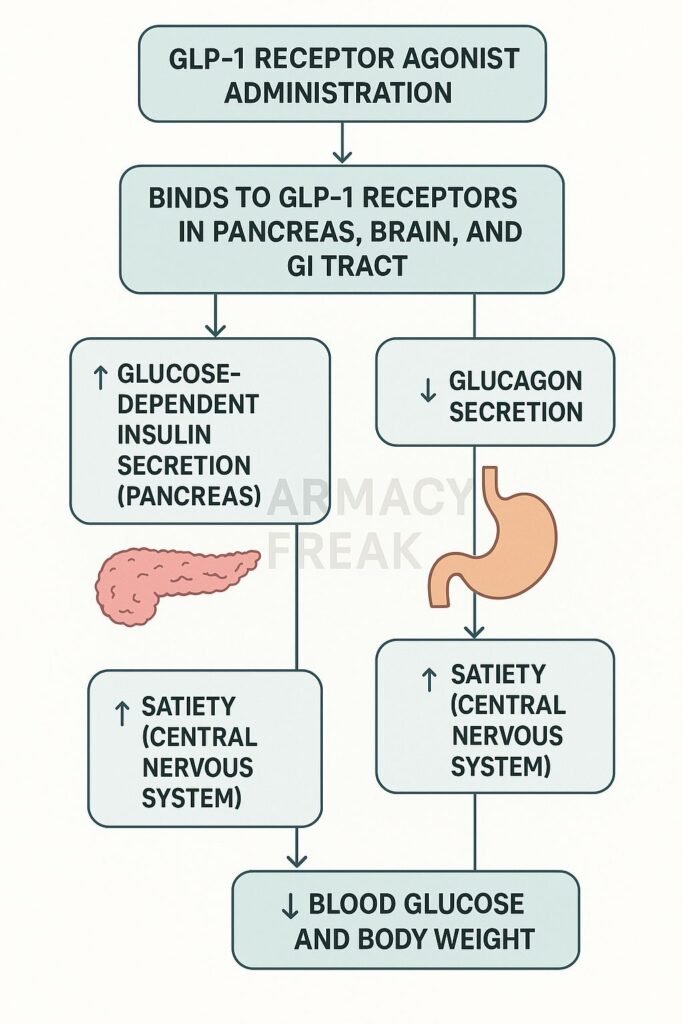
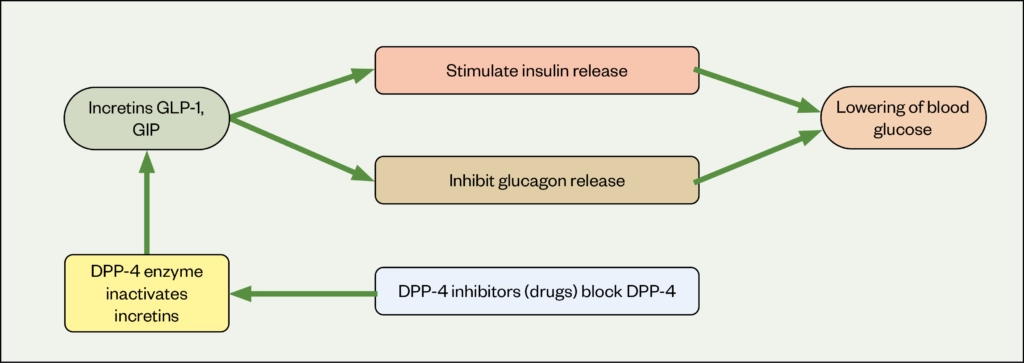
GLP-1 analogues are synthetic medications engineered to mimic the action of the naturally occurring hormone glucagon-like peptide-1. They work by activating the GLP-1 receptor, thereby stimulating glucose-dependent insulin secretion, suppressing glucagon release, and delaying gastric emptying. This leads to improved glycemic control, reduced appetite, and increased weight loss. GLP-1 analogues are available in various forms, including injectable and subcutaneous formulations.
Benefits of GLP-1 Analogues for Type 2 Diabetes Management
The benefits of GLP-1 analogues for type 2 diabetes management are multifaceted:
- Improved glycemic control: GLP-1 analogues reduce HbA1c levels by approximately 1-2 percentage points, thereby improving glycemic control and reducing the risk of diabetes-related complications.
- Weight loss: GLP-1 analogues promote weight loss by reducing appetite and delaying gastric emptying, thereby reducing calorie intake and promoting weight reduction.
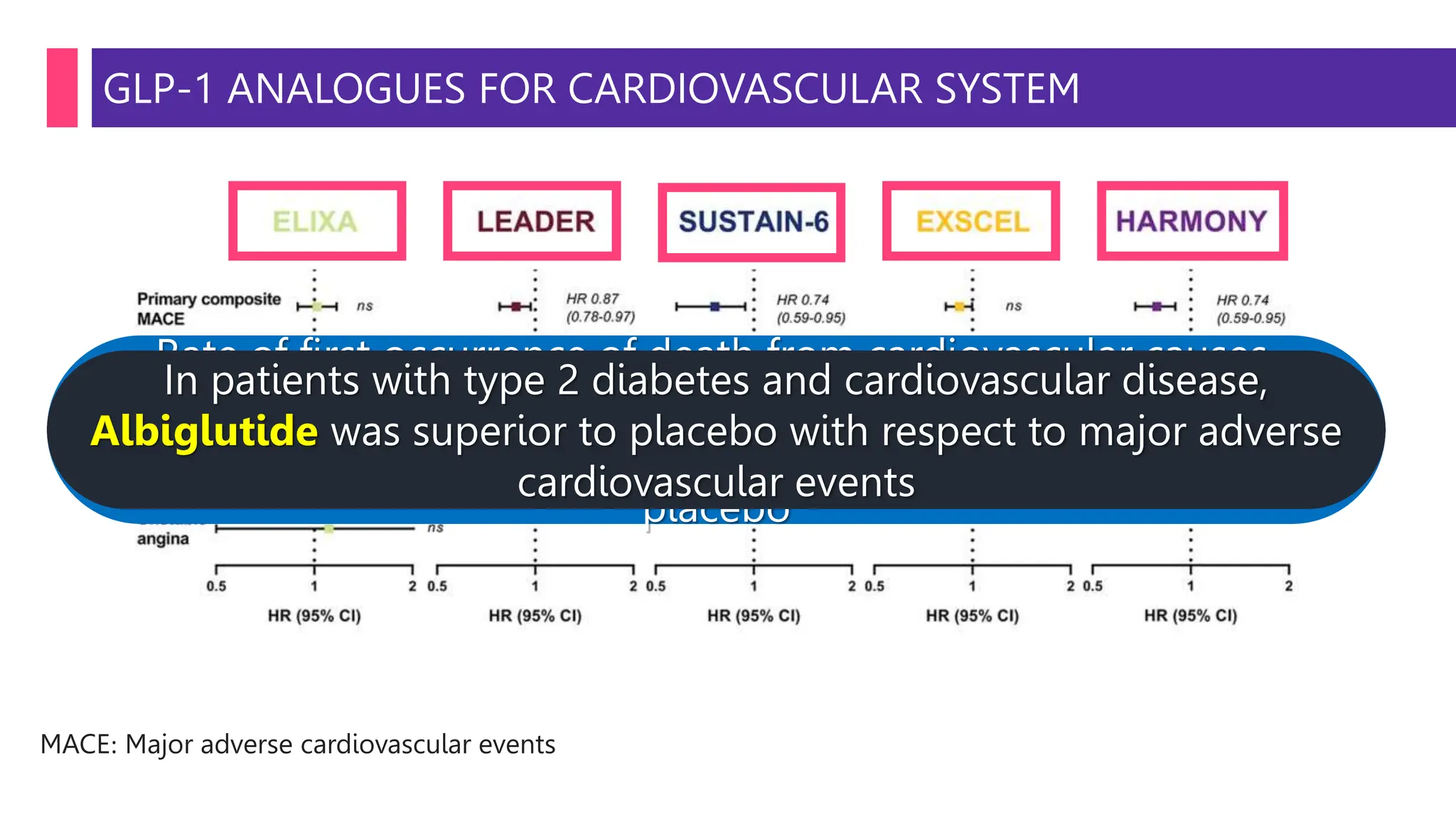
- Reduced risk of cardiovascular events: GLP-1 analogues have been shown to reduce the risk of major adverse cardiovascular events, including heart attacks, strokes, and deaths.
- Improved kidney function: GLP-1 analogues have been found to slow the decline of kidney function and reduce the risk of kidney disease progression in patients with type 2 diabetes.
Popular GLP-1 Analogues for Type 2 Diabetes Management
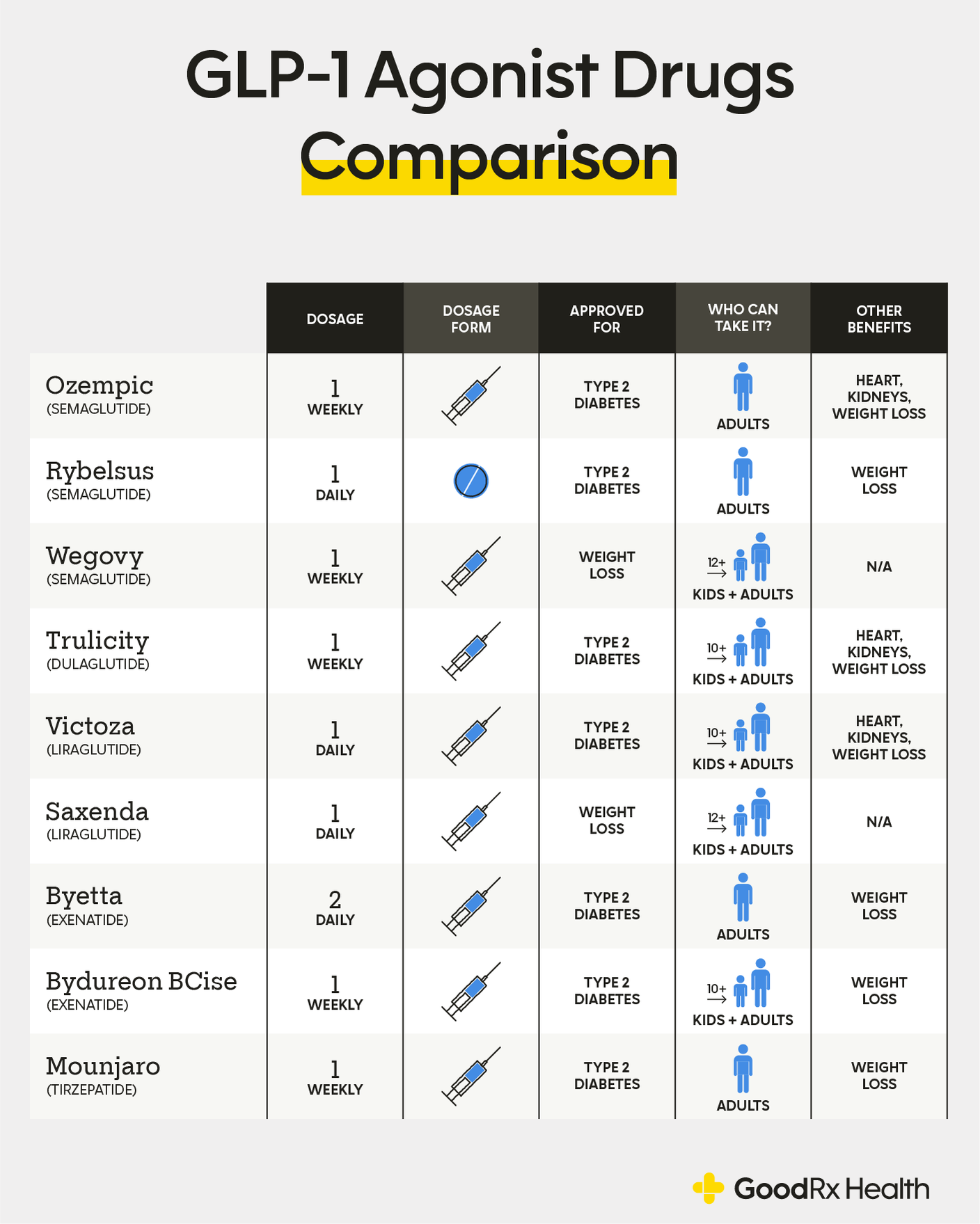
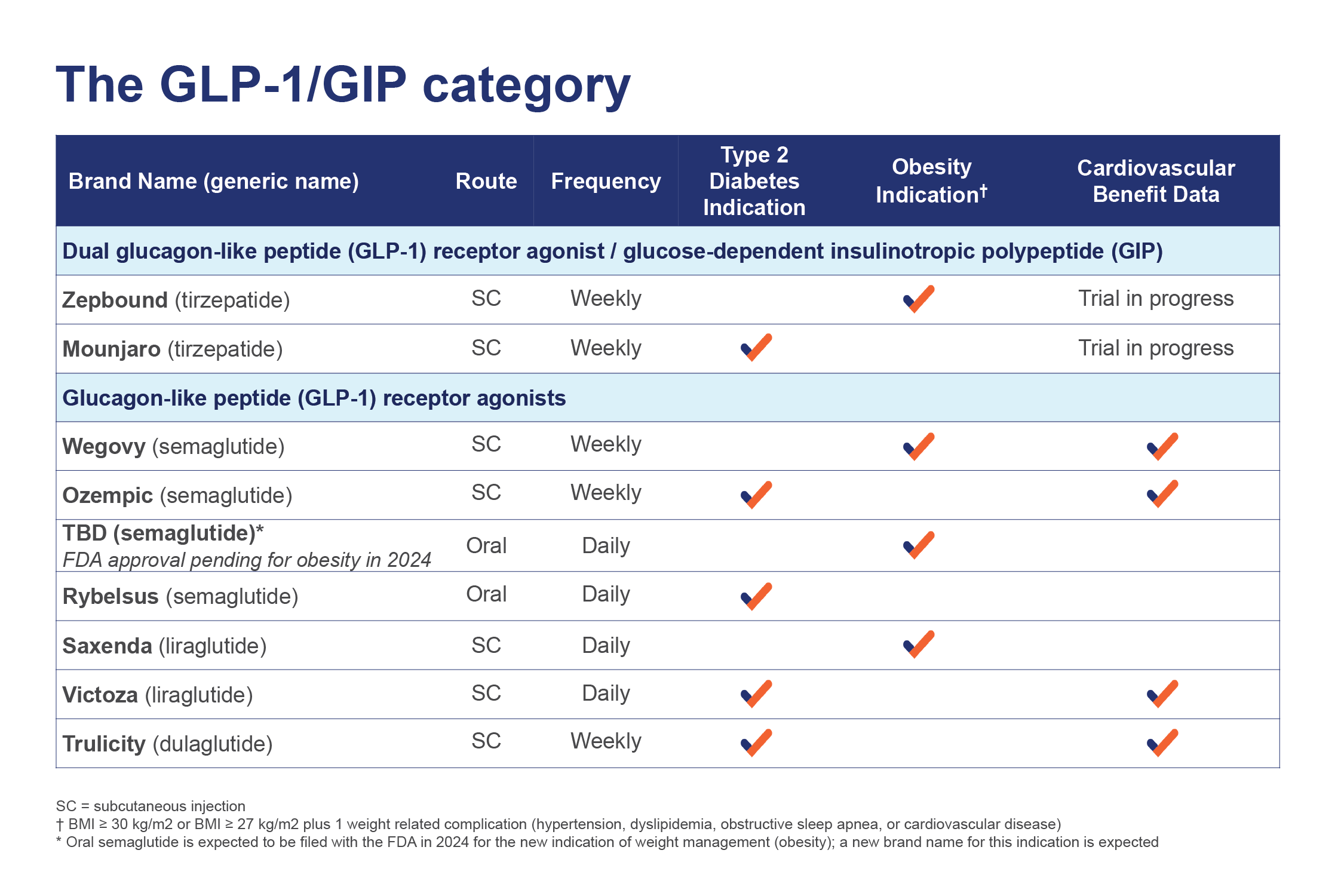
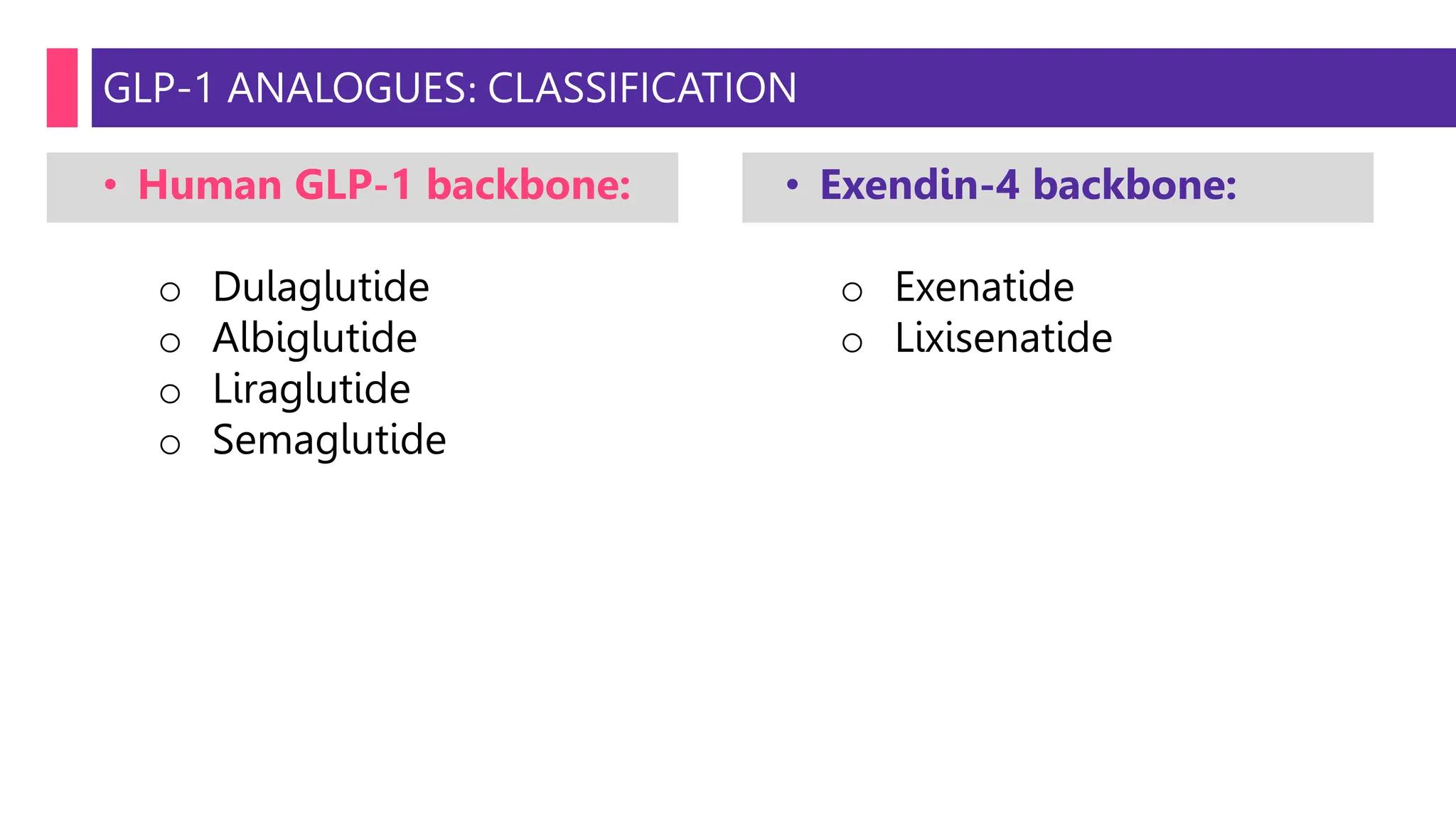
Some of the most popular GLP-1 analogues for type 2 diabetes management include:
- Exenatide: Exenatide is a GLP-1 analogue that works by mimicking the action of the naturally occurring hormone glucagon-like peptide-1.
- Liraglutide: Liraglutide is a GLP-1 analogue that has been shown to improve glycemic control, reduce body weight, and lower blood pressure in patients with type 2 diabetes.
- Semaglutide: Semaglutide is a GLP-1 analogue that works by mimicking the action of glucagon-like peptide-1 and has been found to improve glycemic control, reduce body weight, and lower blood pressure in patients with type 2 diabetes.
- Tirzepatide: Tirzepatide is a dual GIP + GLP-1 receptor agonist that has been shown to improve glycemic control, reduce body weight, and lower blood pressure in patients with type 2 diabetes.
GLP-1 Analogue Side Effects and Contraindications
While GLP-1 analogues are generally well tolerated, they can cause side effects such as:
- Nausea and vomiting: Some patients may experience nausea and vomiting when starting GLP-1 analogue treatment.
- Diarrhea: Diarrhea is a common side effect of GLP-1 analogues, especially during the initial stages of treatment.
- Injection site reactions: Some patients may experience injection site reactions, such as redness, itching, or swelling.
Conclusion
GLP-1 analogues have revolutionized the management of type 2 diabetes and associated metabolic disorders. These agents offer improved glycemic control, weight loss, and reduced risk of cardiovascular events and kidney disease. While side effects can occur, they are generally mild and temporary. As a result, GLP-1 analogues have become an essential part of type 2 diabetes management, providing a meaningful treatment option for millions of patients worldwide.
References
1. Polurus, S., et al. (2022). Glucagon-like peptide-1 receptor agonists: a review of their pharmacology and clinical use in diabetes management. Journal of Clinical Endocrinology and Metabolism, 107(1), 36–45.
2. American Diabetes Association. (2022). Standards of Medical Care in Diabetes—2022. Diabetes Care, 45(Supplement 1), S11–S57.