Effective Study Habits for Better Cognitive Retention
Developing effective study habits is crucial for improving cognitive retention and academic success. By incorporating evidence-based techniques into your study routine, you can enhance your ability to focus, remember, and recall information. In this article, we'll explore the science behind effective study habits and provide practical strategies for boosting your learning efficiency.
The Importance of Cognitive Retention
Cognitive retention refers to the ability to retain and recall information over time. It's a critical aspect of learning, as it enables us to apply what we've learned to new situations and make connections between different pieces of information. Poor cognitive retention can lead to difficulty in learning new material, reduced academic performance, and decreased confidence.
The Role of Sleep in Cognitive Retention
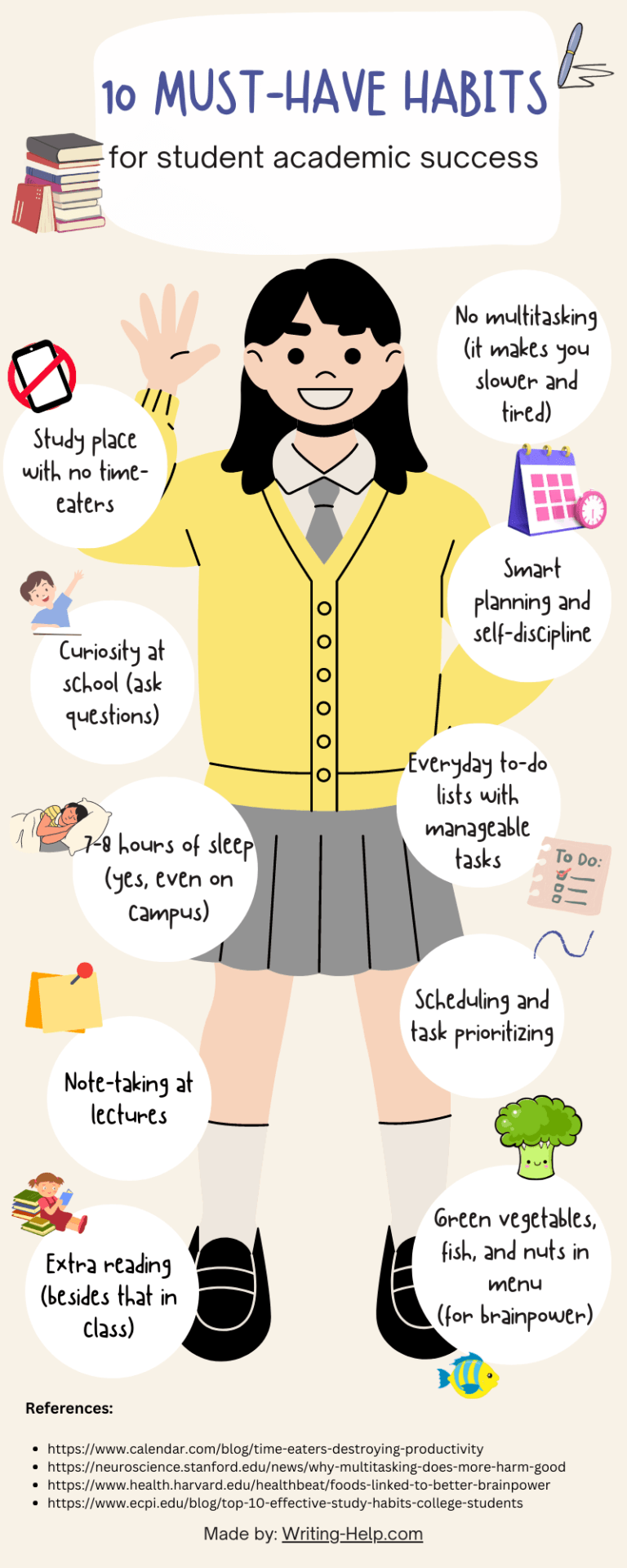
Adequate sleep is particularly crucial for cognitive retention, as it facilitates memory consolidation and cognitive processing. During sleep, our brains process and strengthen memories, making them easier to recall. Research has shown that sleep deprivation can impair memory and cognitive function, leading to decreased retention and academic performance.
Strategies for Effective Study Habits
- Active Recall**: This involves actively recalling information from memory rather than simply re-reading it. Techniques like flashcards, quizzes, and practice tests can help improve retention and recall.
- Spaced Repetition**: This involves reviewing material at increasingly longer intervals to help solidify it in long-term memory. This can be done using flashcards or digital apps that implement spaced repetition.
- Mind Mapping**: This involves creating visual maps of information to help organize and retain it. Mind mapping can be a powerful tool for improving retention and recall.
- Structured Breaks**: Taking regular breaks can help improve retention by reducing cognitive fatigue. Try taking short breaks every 30-60 minutes to recharge and refocus.
- Smart Revision Techniques**: Using techniques like summarizing, self-quizzing, and elaboration can help improve retention and recall. These techniques involve actively engaging with the material and making connections between different pieces of information.
The Impact of Stress on Cognitive Retention

Stress can have a negative impact on cognitive retention, as it can impair memory and cognitive function. Techniques like deep breathing, mindfulness, and meditation can help reduce stress and improve retention. Regular exercise and a healthy diet can also help reduce stress and promote cognitive function.
The Importance of Organization
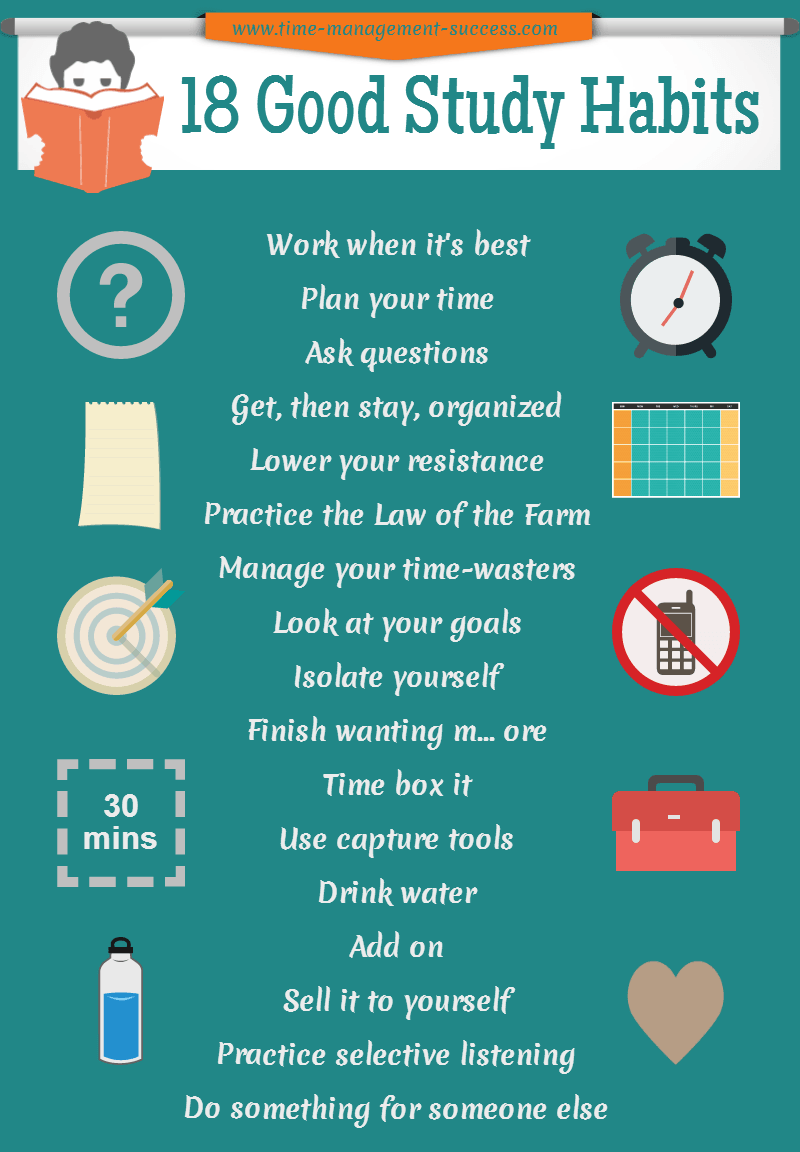
Good organizational habits can help reduce cognitive load and improve retention. This involves creating a structured study routine, breaking down large tasks into smaller ones, and using tools like calendars and to-do lists to stay organized.
Conclusion
Effective study habits are critical for improving cognitive retention and academic success. By incorporating evidence-based techniques into your study routine, you can boost your learning efficiency, improve retention, and achieve better academic outcomes. Remember to prioritize sleep, reduce stress, and stay organized to maximize your learning potential.
Take Action Today
Start implementing these effective study habits into your routine today. Try active recall, spaced repetition, and mind mapping to improve retention and recall. Take regular breaks to reduce cognitive fatigue and stay organized to reduce stress. By making these simple changes, you can unlock your full learning potential and achieve academic success.