Digital Signature Verification: Ensuring the Integrity of Electronic Documents
In today's digital age, electronic documents have become an essential part of business operations. However, with the increased use of electronic documents comes the need for robust security measures to ensure their authenticity and integrity. Digital signature verification is one such measure that has gained significant importance in recent years. In this article, we will delve into the world of digital signature verification and explore its significance, benefits, and best practices.
What is Digital Signature Verification?
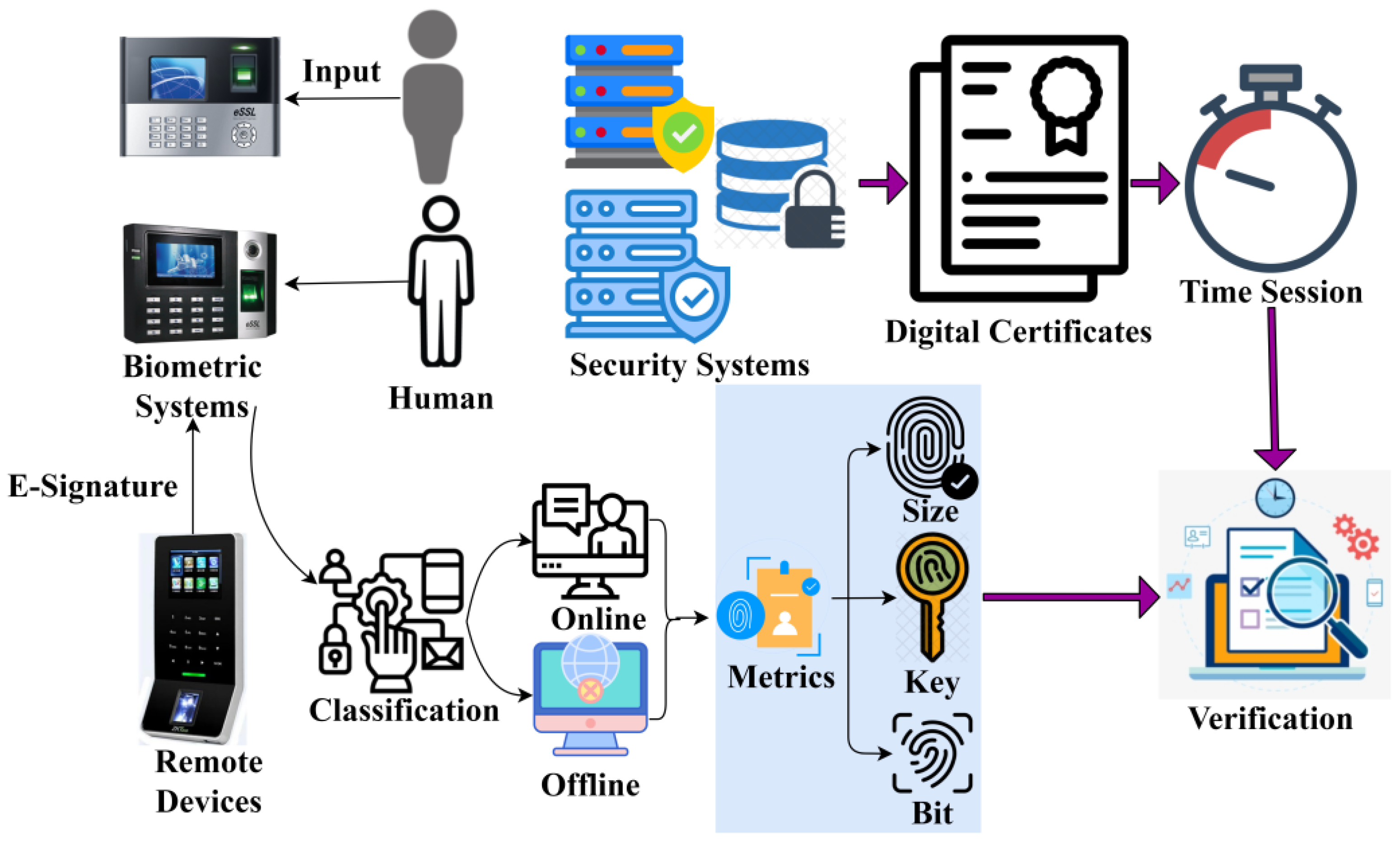
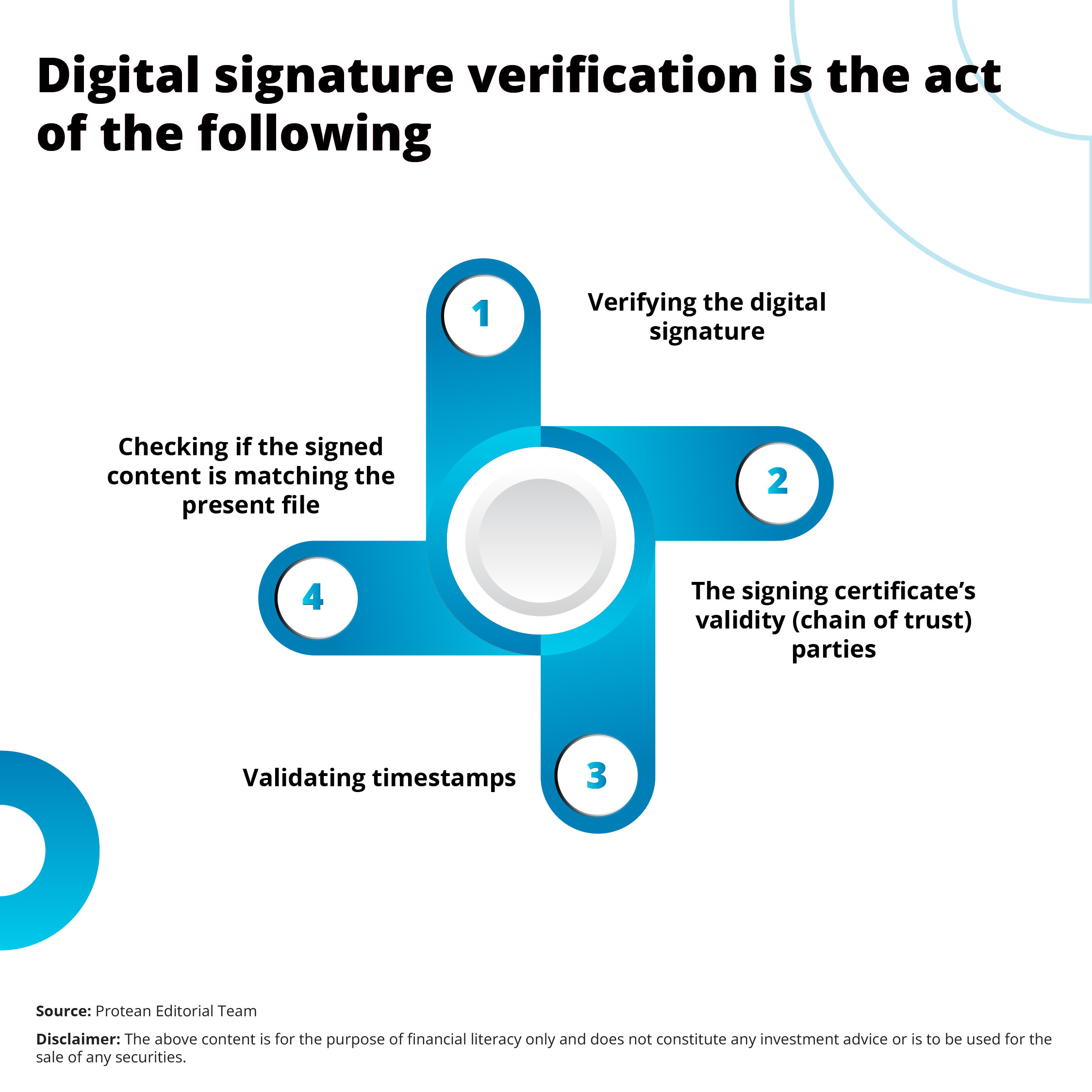
Digital signature verification is the process of authenticating the identity of a signer and verifying the integrity of an electronic document. It involves using encryption algorithms and digital certificates to ensure that a document has not been tampered with or altered since its creation. Digital signature verification is essential in various industries, including finance, healthcare, and government, where secure transactions and document integrity are critical.
How Does Digital Signature Verification Work?
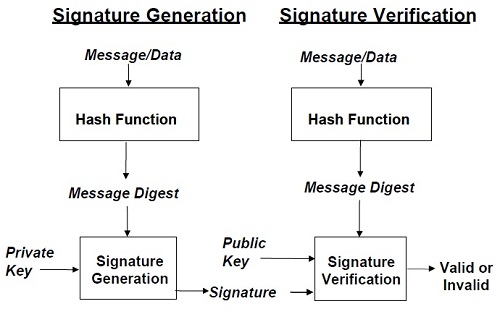
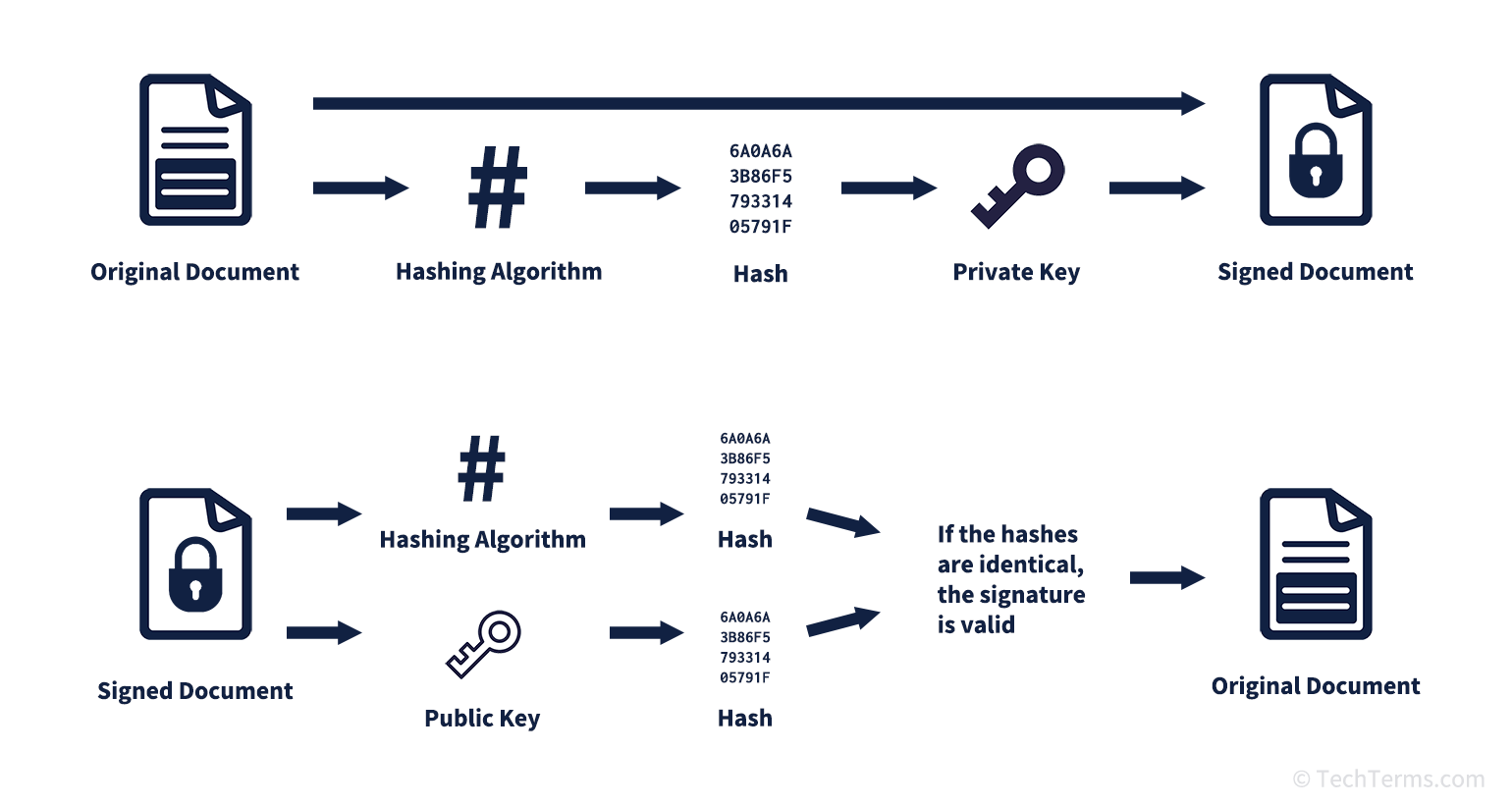
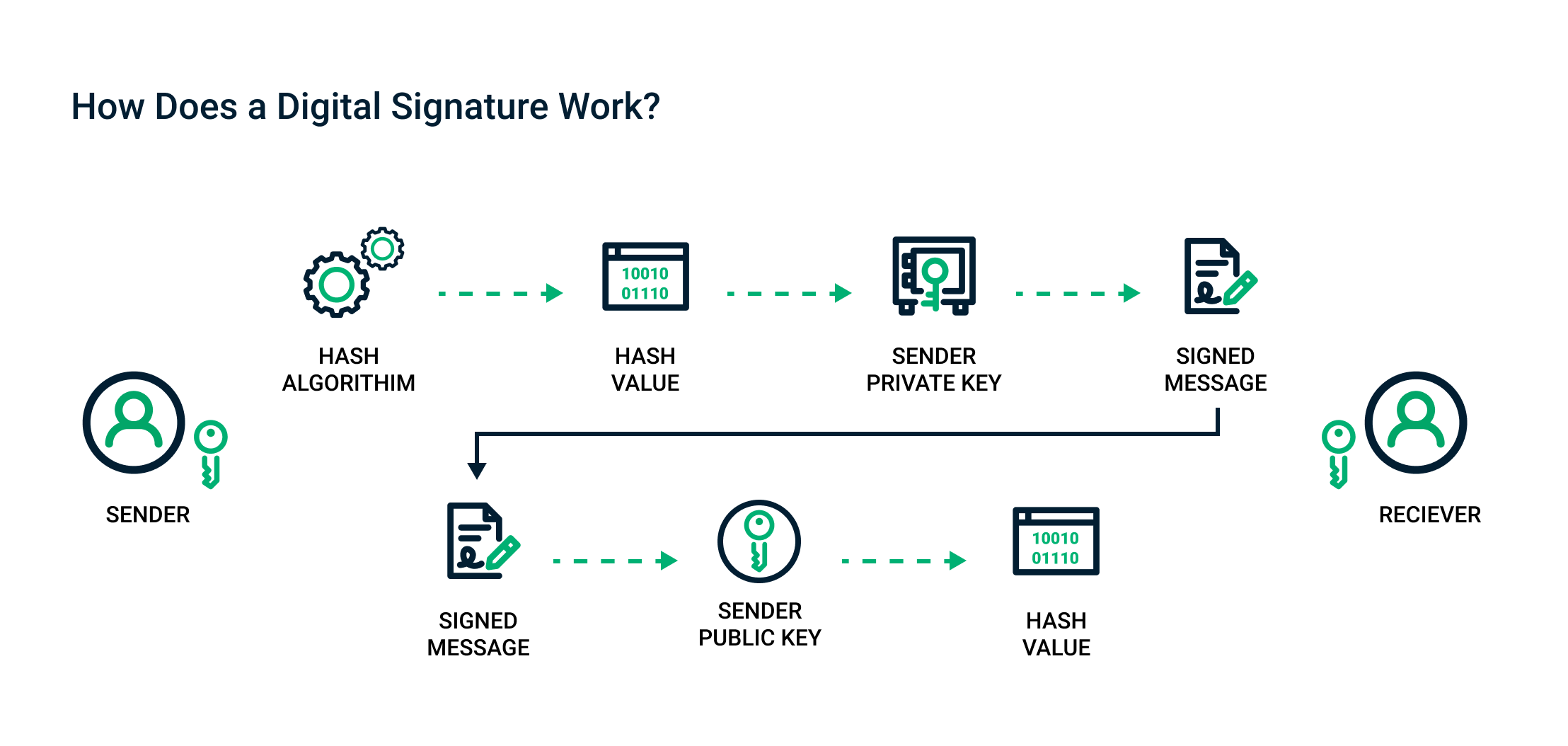
Digital signature verification uses public-key cryptography to ensure the authenticity of a digital signature. The process involves the following steps:
- The signer creates a digital signature using their private key and a hash of the document.
- The digital signature is then transmitted along with the document to the recipient.
- The recipient uses the signer's public key to verify the digital signature and ensure that it matches the hash of the document.
- If the digital signature is valid, the recipient can be assured that the document has not been tampered with or altered since its creation.
Benefits of Digital Signature Verification
Digital signature verification offers several benefits, including:
- Authentication: Digital signature verification ensures that the signer's identity is authentic and verified.
- Integrity: Digital signature verification ensures that the document has not been tampered with or altered since its creation.
- Non-Repudiation: Digital signature verification ensures that the signer cannot deny their involvement in creating or sending the document.
- Security: Digital signature verification uses encryption algorithms to ensure the secure transmission of digital signatures.
Best Practices for Digital Signature Verification
To ensure the effectiveness of digital signature verification, the following best practices should be followed:
- Use a reputable digital signature software or service.
- Use a secure and tamper-proof document format, such as PDF.
- Use a secure transmission method, such as encrypted email or a secure online portal.
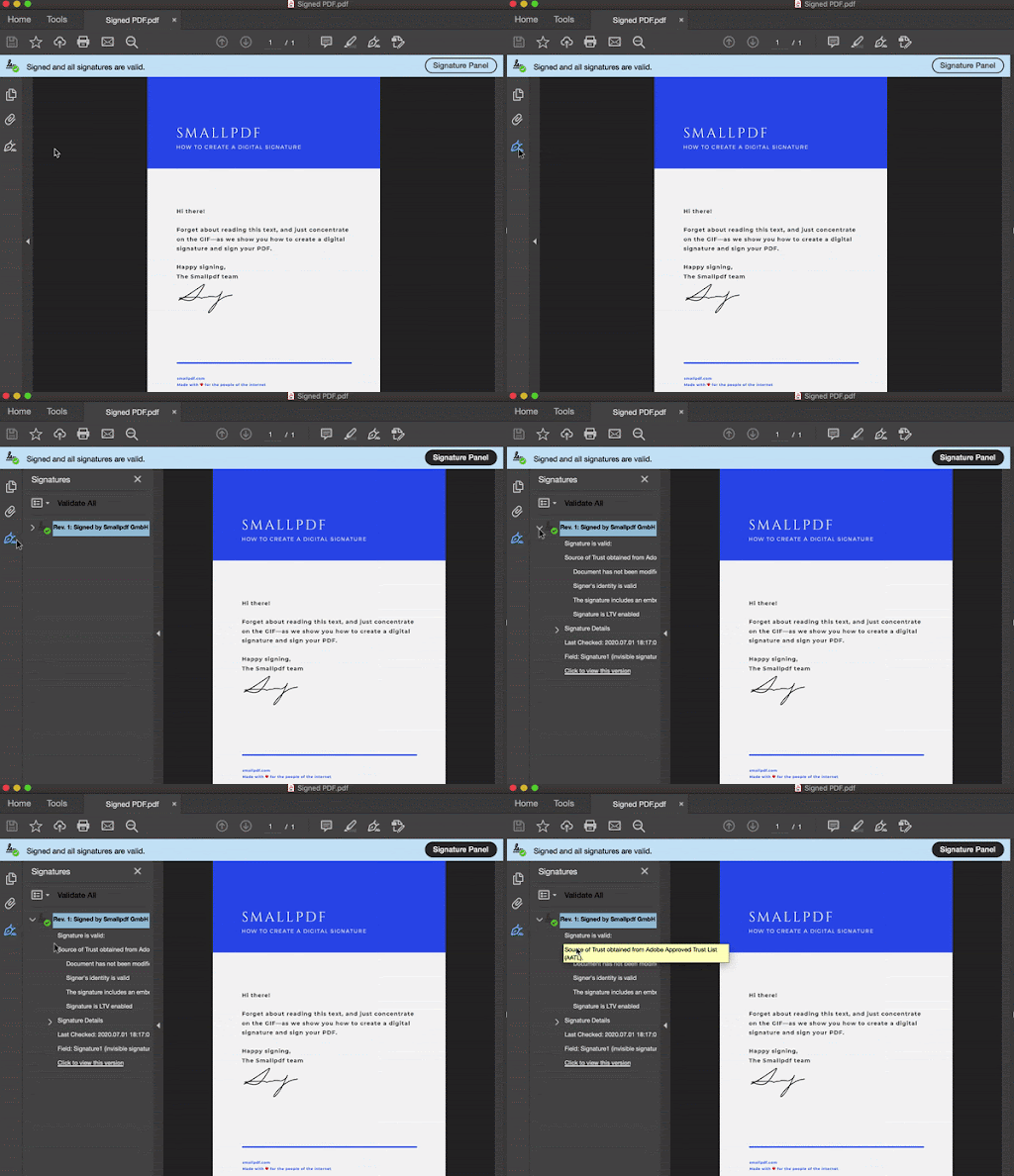
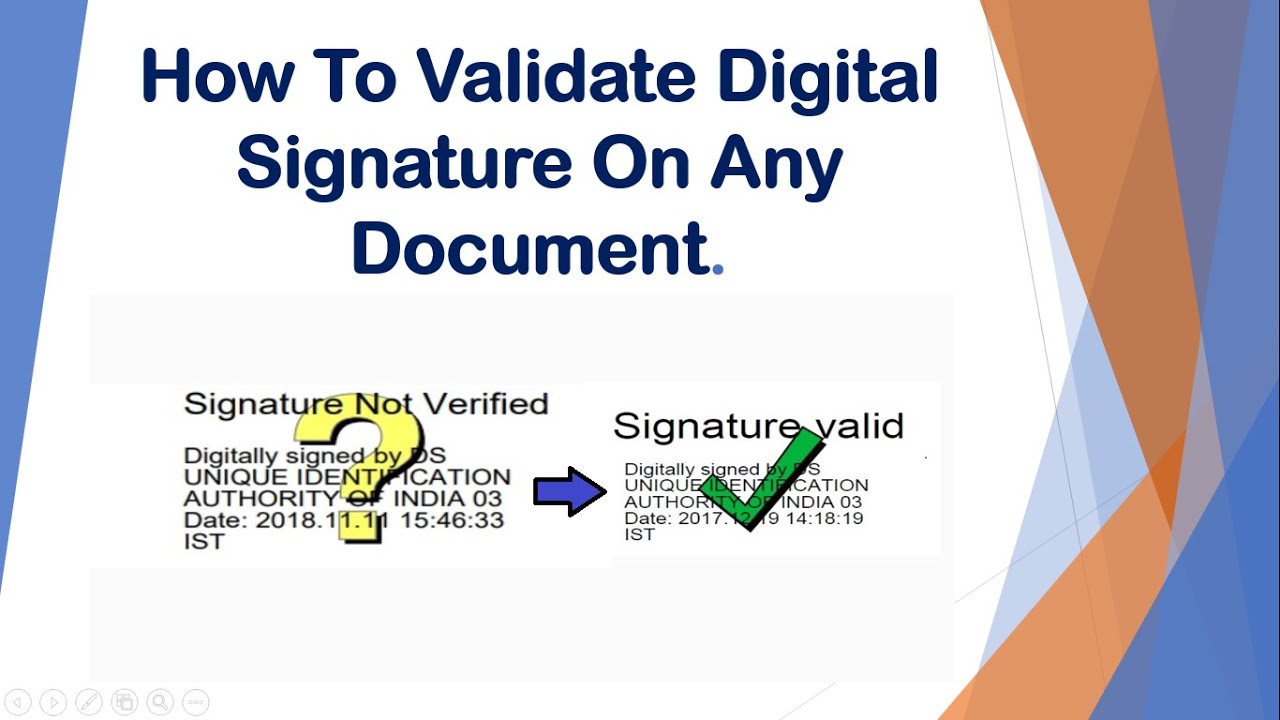
- Verify the digital signature and document integrity before accepting or relying on the document.
Common Tools and Services for Digital Signature Verification
There are several tools and services available for digital signature verification, including:
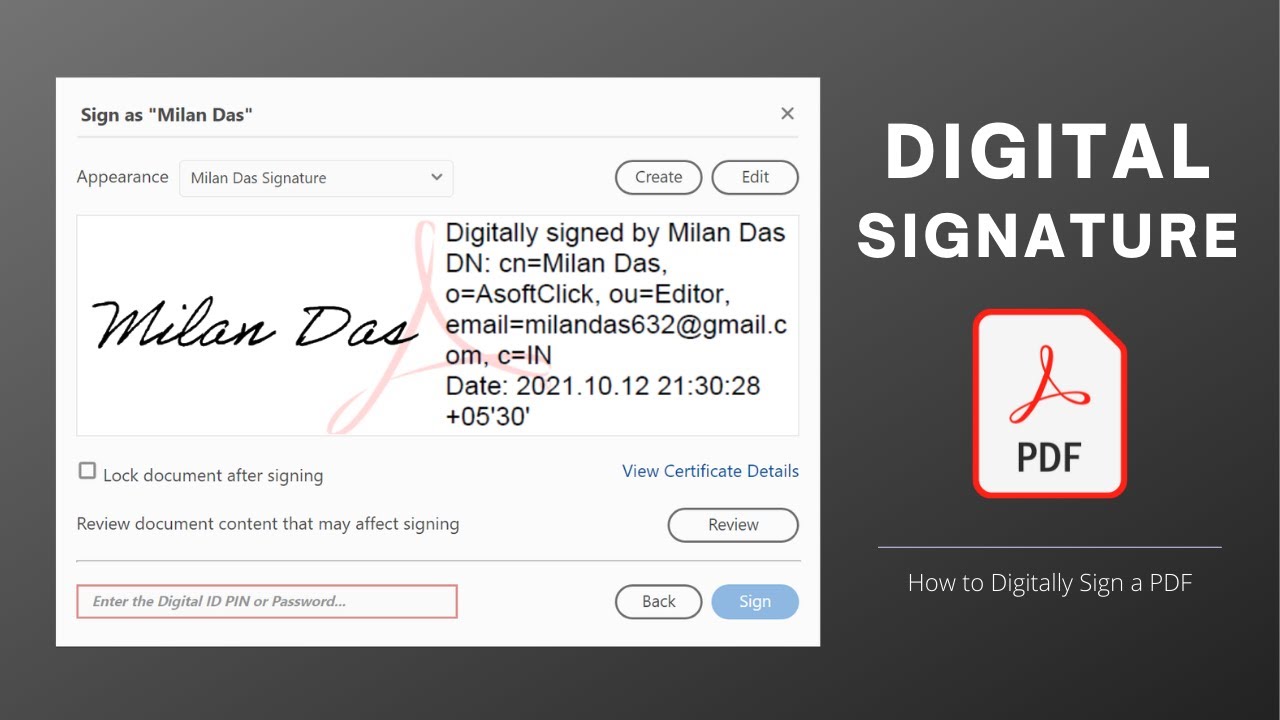
- Adobe Acrobat: A popular PDF viewer that offers digital signature verification capabilities.
- SignWell: A digital signature software that offers advanced features for digital signature verification.
- iReadPDF: A digital signature verification tool that checks certificate-based signatures to confirm the signer's identity and verify document integrity.
Conclusion
Digital signature verification is a critical component of secure electronic document exchange. By following the best practices outlined in this article, individuals and organizations can ensure the authenticity and integrity of electronic documents and protect against tampering and fraud. As the use of electronic documents continues to grow, digital signature verification will become an increasingly important tool for ensuring the security and reliability of online transactions.

![Electronic Signature Verification: A Complete Guide [2026]](https://i.ytimg.com/vi/5iLgsKNDiVI/maxresdefault.jpg "Electronic Signature Verification: A Complete Guide [2026]")