Exploring the Relationship Between GLP-1 and Improved Body Composition
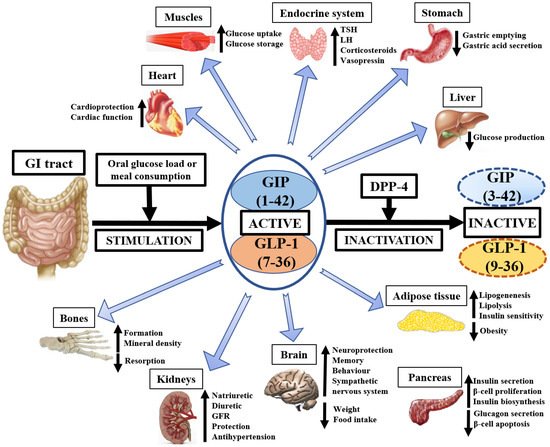
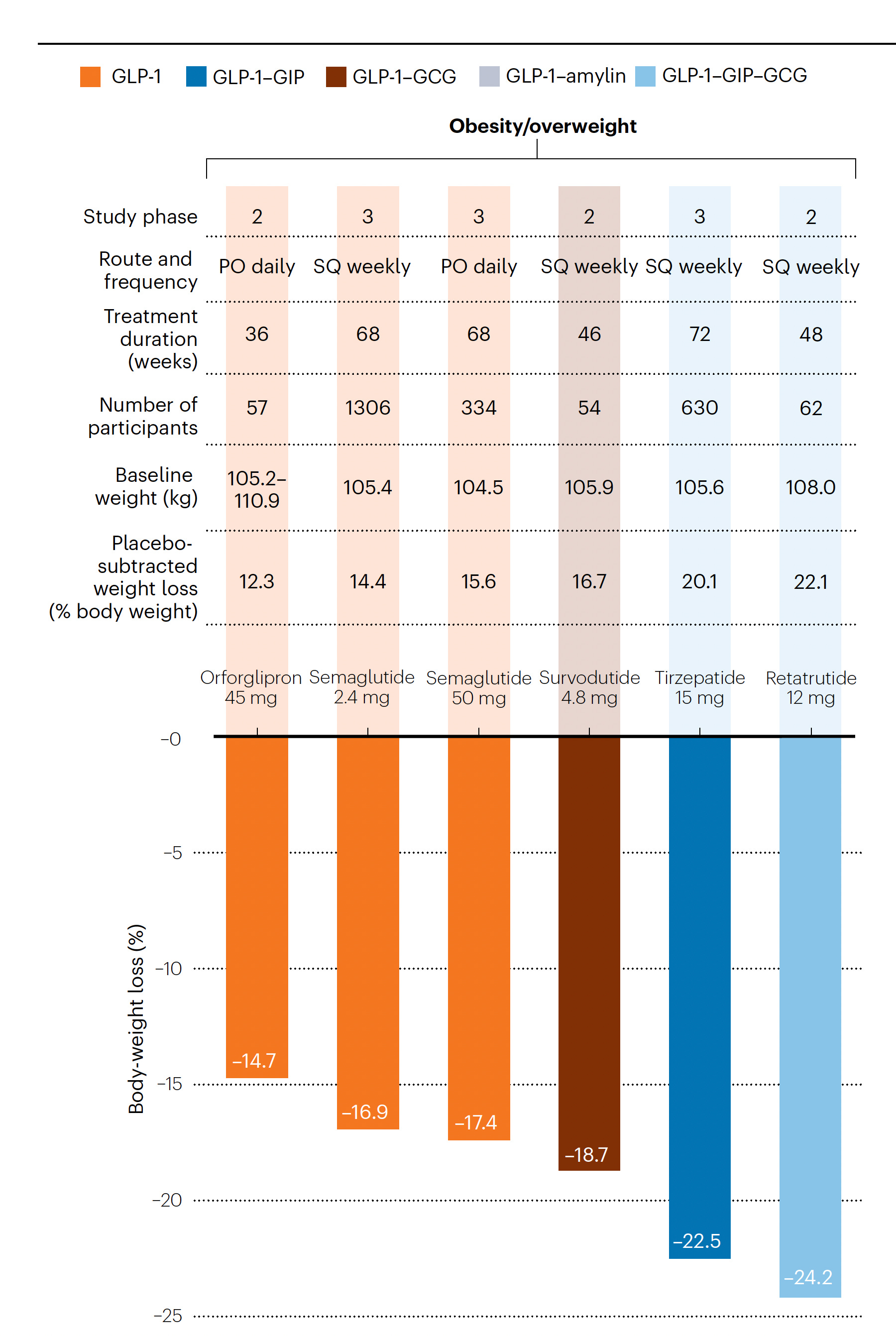
When it comes to managing weight and improving overall health, many individuals turn to glucagon-like peptide-1 (GLP-1) receptor-based agonists. These medications work by mimicking the action of a natural hormone in the body, which can lead to weight loss and improved body composition. However, the effects of GLP-1 on body composition are not without controversy. In this article, we will delve into the current understanding of GLP-1 and its impact on body composition, as well as strategies for optimizing body recomposition while on GLP-1 therapy.The Effects of GLP-1 on Body Composition
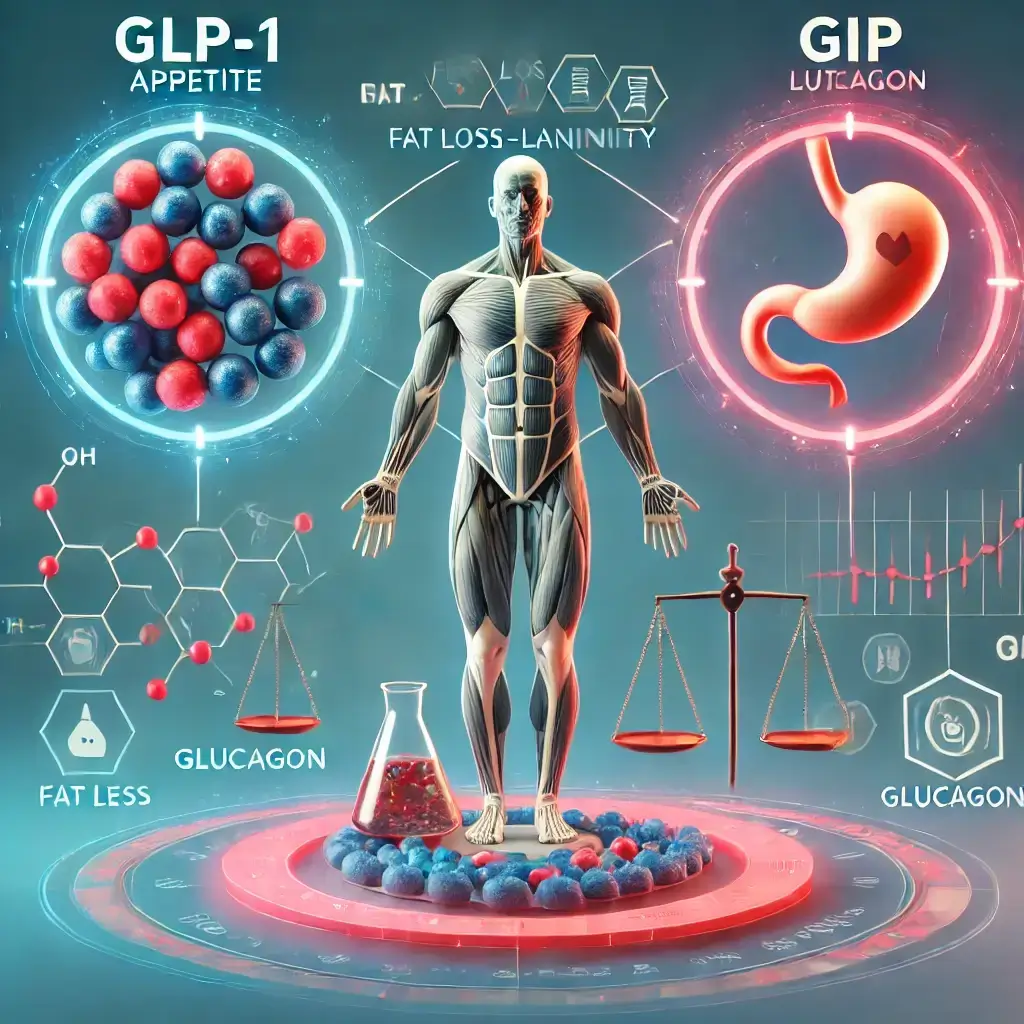
Recent studies have investigated the effects of GLP-1 receptor agonists on body composition, with some interesting findings. A study published in 2024 found that GLP-1 receptor agonist users experienced greater reductions in fat body mass compared to controls, with body shaping effects in terms of both subcutaneous fat mass and visceral fat mass 1. However, other studies have pointed to a potential decrease in absolute muscle values, which can be concerning for those who value muscle mass.The Importance of Body Recomposition
Body recomposition, or the balance between fat and muscle mass, is a crucial aspect of overall health and weight management. Maintaining muscle mass is essential for metabolic health, as it plays a significant role in glucose regulation and insulin sensitivity. While fat loss is often the primary focus of weight loss programs, preserving muscle mass is equally important.Strategies for Optimizing Body Recomposition on GLP-1 Therapy
Fortunately, there are strategies that can help mitigate the potential loss of muscle mass during GLP-1 therapy. Research suggests that implementing lifestyle modifications, such as resistance training and adequate protein intake, can help preserve lean body mass and enhance overall body composition outcomes 5.Resistance Training and Protein Intake