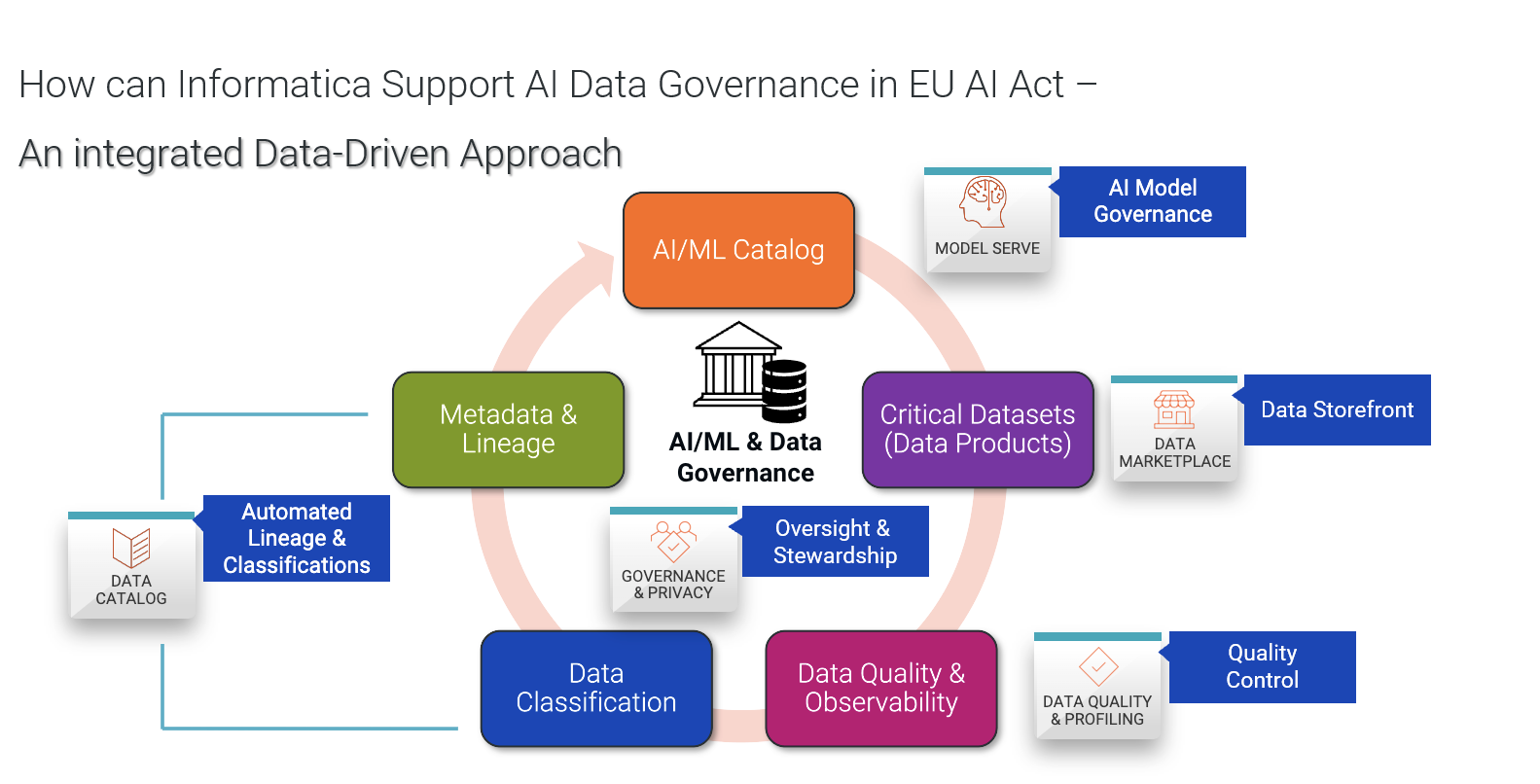
Decentralized AI Governance Strategy: Building a Scalable and Ethical AI Framework
The increasing integration of artificial intelligence (AI) in various industries has brought about significant benefits, but it also poses unprecedented governance challenges. As AI systems become more pervasive, the need for a robust governance framework has never been more pressing. A decentralized AI governance strategy offers a promising approach to balancing innovation, control, and compliance while ensuring accountability and ethics in AI decision-making processes.
What is Decentralized AI Governance?
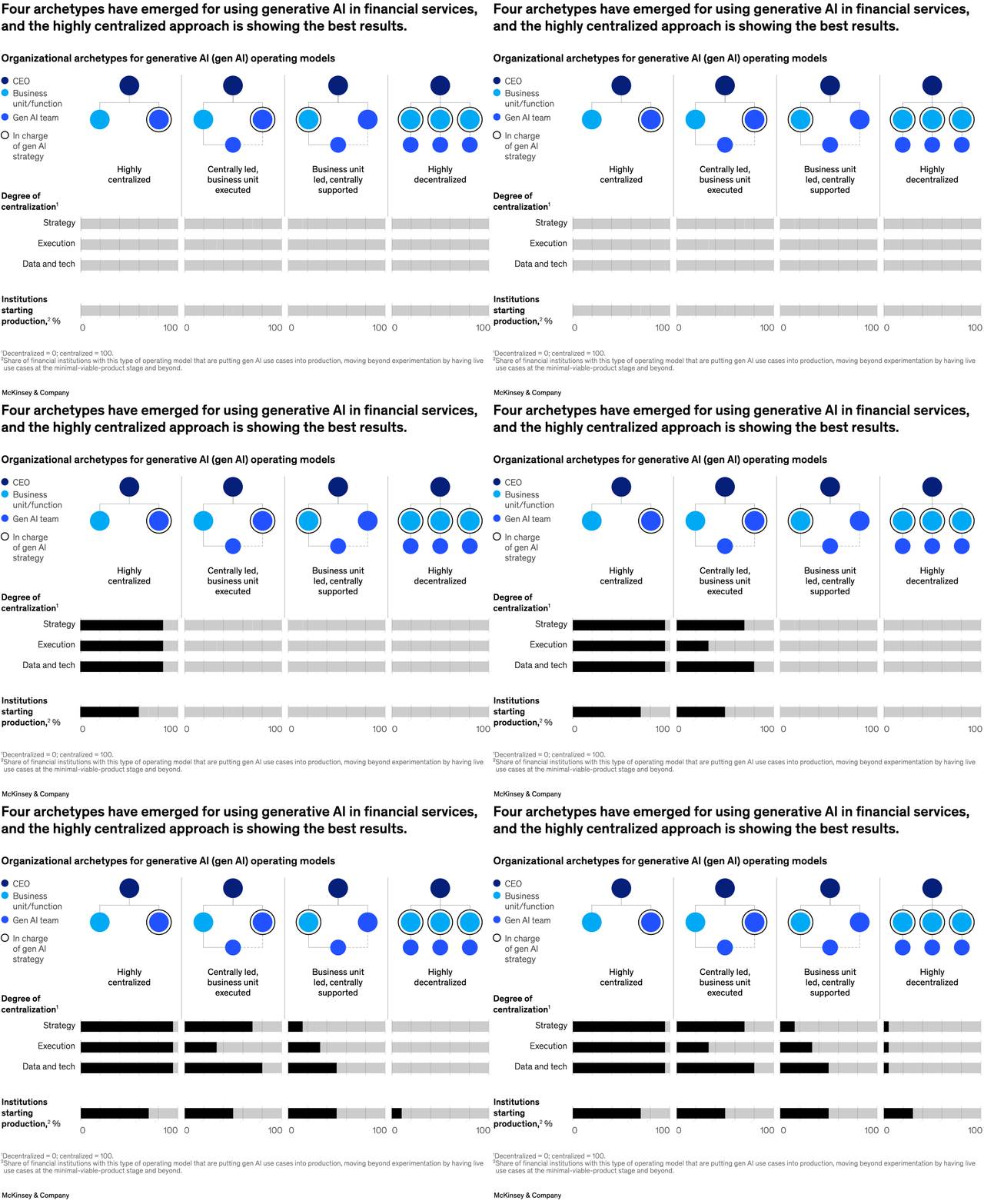
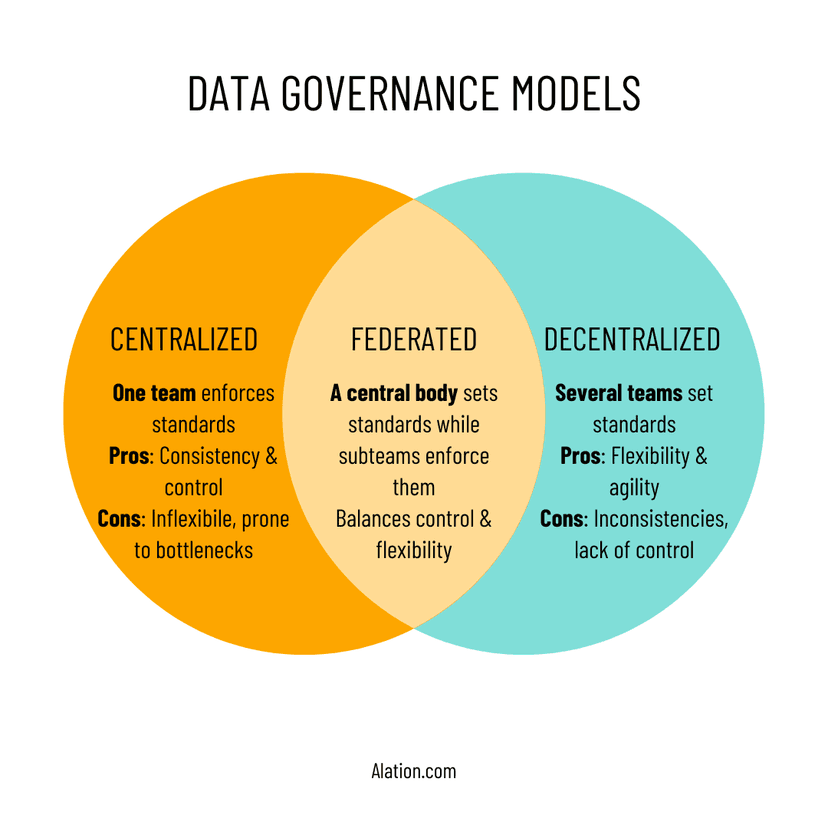
Decentralized AI governance refers to a governance framework that distributes decision-making authority and accountability across various layers and stakeholders within an organization. This approach involves a hybrid model, combining centralized oversight with decentralized autonomy, to ensure that AI systems are developed, deployed, and maintained in a responsible and accountable manner.
Benefits of Decentralized AI Governance
- Improved Inclusivity: Decentralized AI governance encourages diverse perspectives and opinions, fostering a more inclusive and representative decision-making process.
- Increased Agility: By delegating decision-making authority to local teams, organizations can respond quickly to changing market conditions and customer needs.
- Enhanced Transparency: Decentralized governance promotes transparency by providing a clear understanding of AI decision-making processes and data usage.
- Resilience to Central Points of Failure: By distributing decision-making authority, decentralized governance reduces the risk of single-point failures and ensures that organizations can continue to operate even in the event of a central authority's disruption.
Key Components of a Decentralized AI Governance Strategy
A successful decentralized AI governance strategy involves several key components, including:

- Clear Policy Frameworks:** Establishing clear policies and guidelines for AI development, deployment, and maintenance, including data access, model risk management, and regulatory compliance.
- Decentralized Data Management:** Ensuring that data is decentralized and accessible to relevant teams, while maintaining data security and integrity.
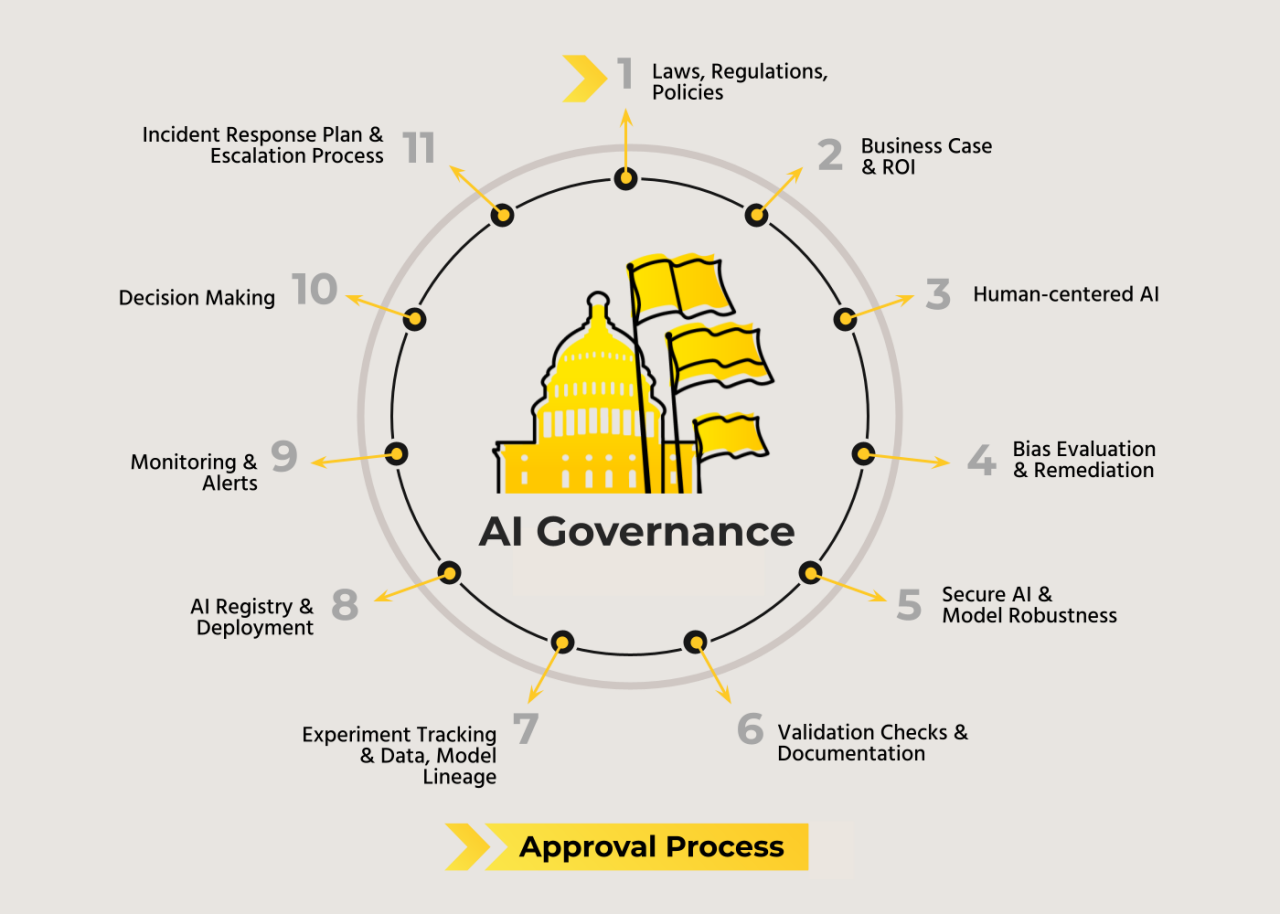
- AI-Development Lifecycle Governance:** Implementing a governance framework that covers AI development, testing, deployment, and maintenance, including robust review and approval processes.
- Continuous Monitoring and Evaluation:** Regularly monitoring and evaluating AI systems for performance, bias, and risk, with a focus on identifying areas for improvement.
- Transparency and Accountability:** Providing clear lines of communication and demonstrating accountability throughout the AI decision-making process.
Implementing a Decentralized AI Governance Strategy
Implementing a decentralized AI governance strategy requires careful planning, commitment, and collaboration from all stakeholders. Organizations can take the following steps to get started:
- Establish a cross-functional team to develop and maintain the governance framework.
- Identify and define key performance indicators (KPIs) to measure AI success and risk.
- Develop and socialize clear policies and guidelines for AI development, deployment, and maintenance.
- Implement a decentralized data management system that ensures data security and accessibility.
- Establish a continuous monitoring and evaluation process to regularly assess AI system performance and risk.
Conclusion
A decentralized AI governance strategy offers a promising approach to balancing innovation, control, and compliance in the development and deployment of AI systems. By distributing decision-making authority and promoting transparency and accountability, organizations can ensure that their AI systems are developed and used in a responsible and accountable manner. As the importance of AI governance continues to grow, it is essential for organizations to prioritize a decentralized AI governance strategy that fosters inclusivity, agility, and resilience.