Binge Eating GLP-1 Therapy Outcome: A Promising Approach to Managing Eating Disorders
Binge eating disorder (BED) is the most common eating disorder, affecting millions of people worldwide. Despite its prevalence, there is a lack of effective pharmacological interventions. However, recent studies have highlighted the potential of glucagon-like peptide-1 (GLP-1) receptor agonists (GLP-1RAs) in managing BED. In this article, we will explore the therapeutic effects of GLP-1 therapy on BED, its outcomes, and the importance of combining it with behavioral therapy and nutritional counseling.
What are GLP-1 Receptor Agonists?
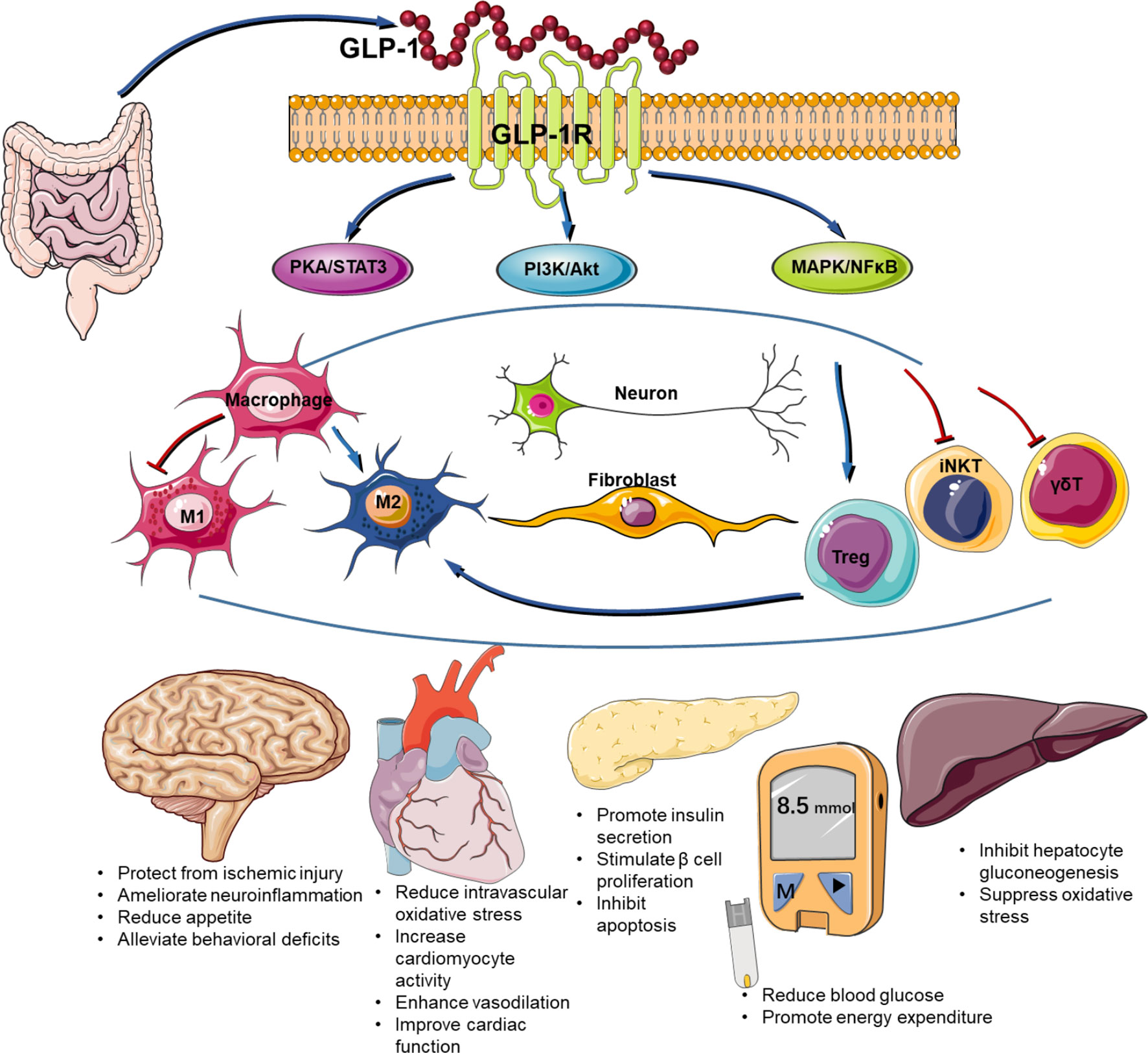
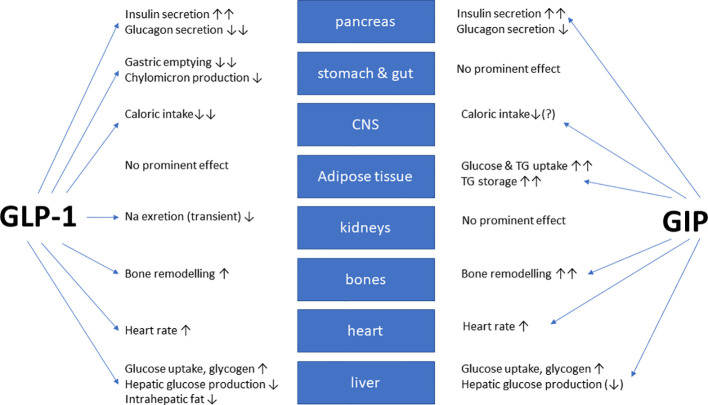
GLP-1RAs are medications approved for type 2 diabetes and obesity management. They work by slowing gastric emptying, increasing satiety, reducing hunger, and influencing reward pathways related to eating behavior. By mimicking the natural hormone GLP-1, these medications have been shown to reduce food intake and promote weight loss in individuals with obesity.
GLP-1 Therapy for Binge Eating Disorder: A Breakthrough in Treatment?
The therapeutic potential of GLP-1RAs in managing BED was first explored in small pilot studies. These studies revealed that GLP-1RAs, such as liraglutide, reduce binge eating, body weight, and comorbidities in individuals with BED and bulimia nervosa. Moreover, GLP-1RAs have a favorable psychiatric side effect profile compared to current medical treatments, making them an attractive option for treating BED.
GLP-1 Therapy Outcome: Weight Loss and Reduced Binge Eating
Research suggests that GLP-1 therapy can lead to significant weight loss and reduced binge eating behaviors in individuals with BED. A 2024 review found that GLP-1 medications may help reduce binge eating by lowering appetite and food cravings. When combined with appropriate mental health care, GLP-1 therapy can support better control over eating behaviors. However, it is essential to note that long-term data on the effects of GLP-1 therapy in BED are still limited, and discontinuation effects are unknown.
The Importance of Combining GLP-1 Therapy with Behavioral Therapy and Nutritional Counseling
Cognitive behavioral therapy (CBT) remains the gold-standard first-line treatment for BED. However, off-label GLP-1 agonist use for BED requires careful monitoring for both metabolic effects and changes in eating disorder symptoms. A combination of GLP-1 therapy and CBT or dialectical behavior therapy (DBT) may be the most effective approach to managing BED.

Challenges and Future Directions in GLP-1 Therapy for BED
While GLP-1RAs show promise in managing BED, many gaps in knowledge remain. Investigations of the neurobiological changes to GLP-1 and its receptors produced by binge eating, as well as the potential therapeutic relevance of GLP-1-based pharmacotherapies to reduce binge eating, are still limited. Moreover, the field is moving toward a more integrated approach, combining metabolic science with neuroscience to create powerful new tools for treating BED.
Conclusion
GLP-1 therapy holds promise as a novel approach to managing binge eating disorder. By combining GLP-1 therapy with lifestyle modifications and regular medical supervision, patients can achieve sustainable weight loss and long-term health improvements. However, it is essential to prioritize both physical and mental well-being and to address the complexities of eating disorders. With further research and a more integrated approach, GLP-1 therapy may become a valuable addition to the treatment options for BED.
What to Expect from GLP-1 Therapy for Binge Eating Disorder
- Improved appetite regulation and reduced food cravings
- Significant weight loss and reduced body mass index (BMI)
- Reduced binge eating behaviors and episodes of overeating
- Improved mental health outcomes, including enhanced mood and emotional regulation
- Important to combine with behavioral therapy and nutritional counseling for optimal results
Are You Considering GLP-1 Therapy for Binge Eating Disorder?
Before starting GLP-1 therapy, it is crucial to consult with a healthcare professional to discuss the potential benefits and risks. A thoughtful medical review, a practical plan for potential side effects, and clear expectations are essential for achieving the best outcomes with GLP-1 therapy for BED.