Profiling GLP-1 for Weight Loss: A Comprehensive Guide
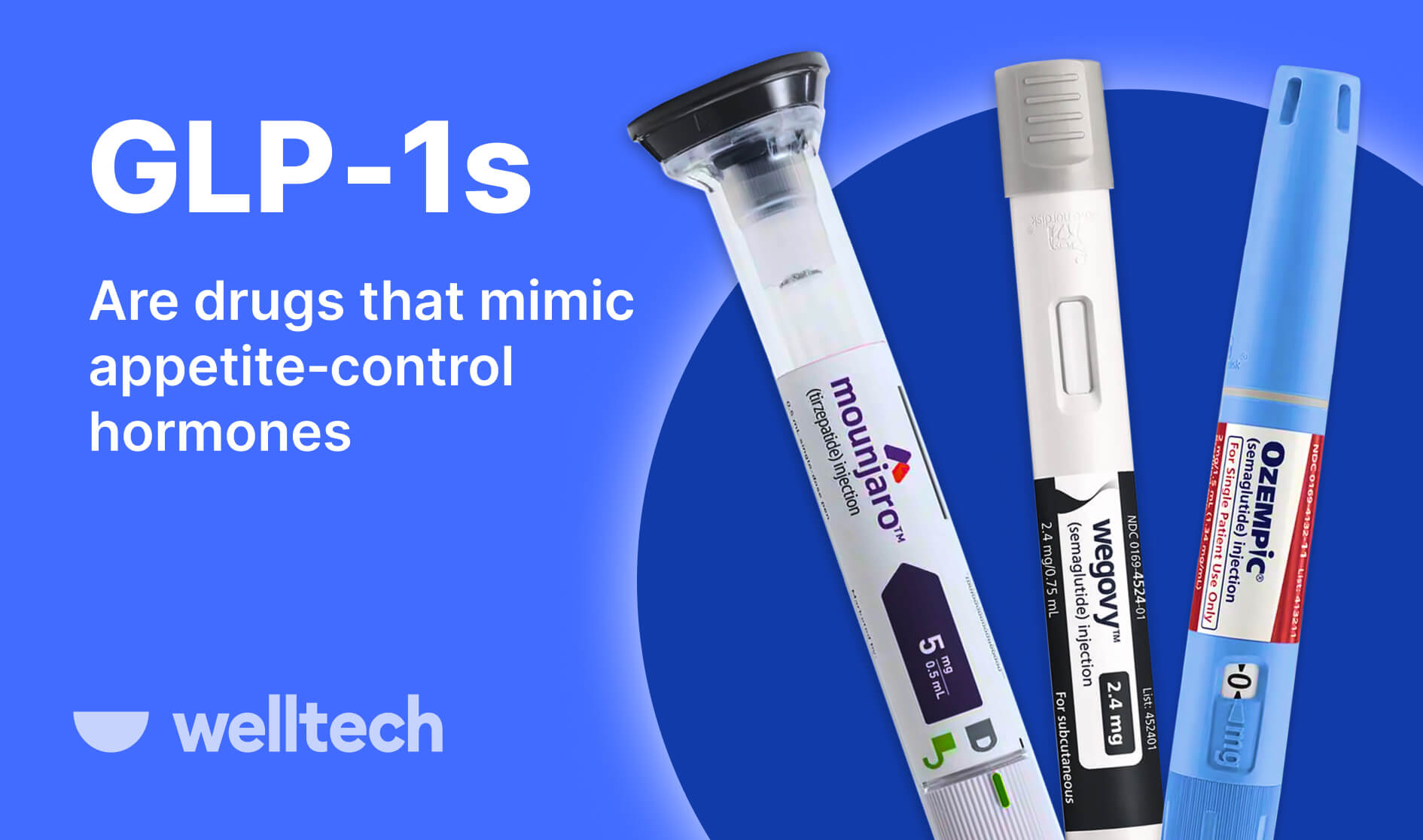
The emergence of glucagon-like peptide-1 (GLP-1) receptor agonists has revolutionized the field of weight management. These medications have shown remarkable efficacy in promoting significant weight loss, making them a popular choice for individuals struggling with obesity. In this article, we will delve into the world of GLP-1 for weight loss, exploring its mechanism of action, benefits, and potential drawbacks.
The Science Behind GLP-1
GLP-1 is a natural hormone produced by the intestines in response to food intake. It plays a crucial role in regulating blood sugar levels, insulin release, and appetite. GLP-1 receptor agonists mimic the action of natural GLP-1, increasing insulin secretion, decreasing glucagon levels, and slowing gastric emptying. This results in a feeling of fullness, reduced hunger, and improved glucose control.
Benefits of GLP-1 for Weight Loss
- Significant weight loss: GLP-1 medications have been shown to promote weight loss of up to 15% or more of initial body weight.
- Improved glucose control: GLP-1 receptor agonists have been found to reduce HbA1c levels, improving glucose control in individuals with type 2 diabetes.
- Cardiovascular benefits: GLP-1 medications have been associated with a reduced risk of heart attack, stroke, and heart failure.
- Increased satiety: GLP-1 receptor agonists can help reduce hunger and increase feelings of fullness, making it easier to stick to a weight loss diet.
Drawbacks and Side Effects of GLP-1
While GLP-1 medications have shown impressive benefits, they are not without potential drawbacks and side effects. These may include:
- Nausea and vomiting
- Diarrhea and abdominal pain
- Muscle loss and weakness
- Increased risk of pancreatitis and thyroid cancer
Choosing the Right GLP-1 Medication
With several GLP-1 medications available, choosing the right one can be overwhelming. Here are some factors to consider:

- Efficacy: Look for medications with proven efficacy in promoting significant weight loss.
- Safety profile: Consider the potential side effects and risks associated with each medication.
- Dosage and administration: Opt for medications with convenient dosing regimens and minimal side effects.
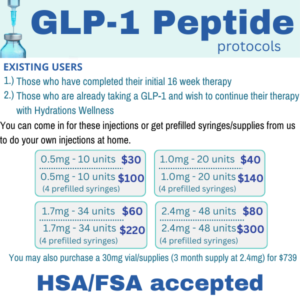
- Cost: GLP-1 medications can be expensive, so factor in the cost when making your decision.
Combining GLP-1 with Lifestyle Changes
While GLP-1 medications can be effective on their own, they are even more effective when combined with lifestyle changes. This includes:
- A healthy diet: Focus on whole, unprocessed foods and avoid sugary drinks and snacks.
- Stress management: Engage in stress-reducing activities, such as yoga or meditation, to help manage emotional eating.
Conclusion
Profiling GLP-1 for weight loss requires a comprehensive understanding of its mechanism of action, benefits, and potential drawbacks. By choosing the right medication and combining it with lifestyle changes, individuals can achieve significant weight loss and improve their overall health. As research continues to evolve, it's essential to stay informed about the latest developments in GLP-1 therapy and its applications for weight management.
References
Consult the following resources for further information:
- American Diabetes Association. (2022). GLP-1 receptor agonists for the treatment of type 2 diabetes.
- European Medicines Agency. (2022). GLP-1 receptor agonists for the treatment of obesity.
- National Institutes of Health. (2022). GLP-1 receptor agonists for weight loss.