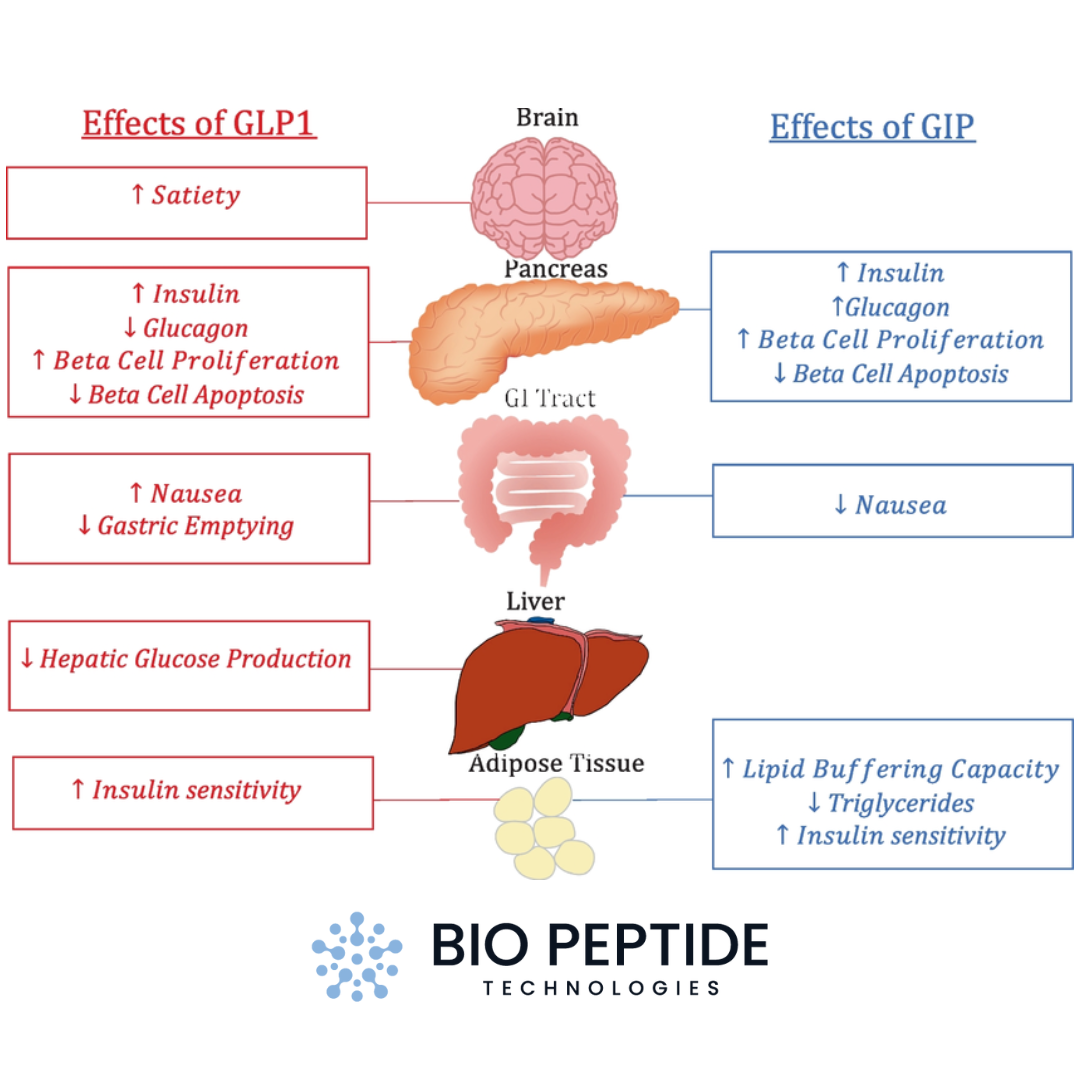
Unveiling the Mechanisms of GLP-1 and Appetite Suppression
Glucagon-like peptide-1 (GLP-1) receptor agonists have been at the forefront of obesity and type 2 diabetes management, primarily through their appetite-suppressing and metabolic regulatory effects. GLP-1, a natural hormone produced in the intestines, plays a vital role in glucose metabolism and has been found to have a profound impact on appetite regulation. In this article, we will delve into the mechanisms underlying GLP-1-induced weight loss, with a focus on central and peripheral pathways.GLP-1 and Central Appetite Regulation
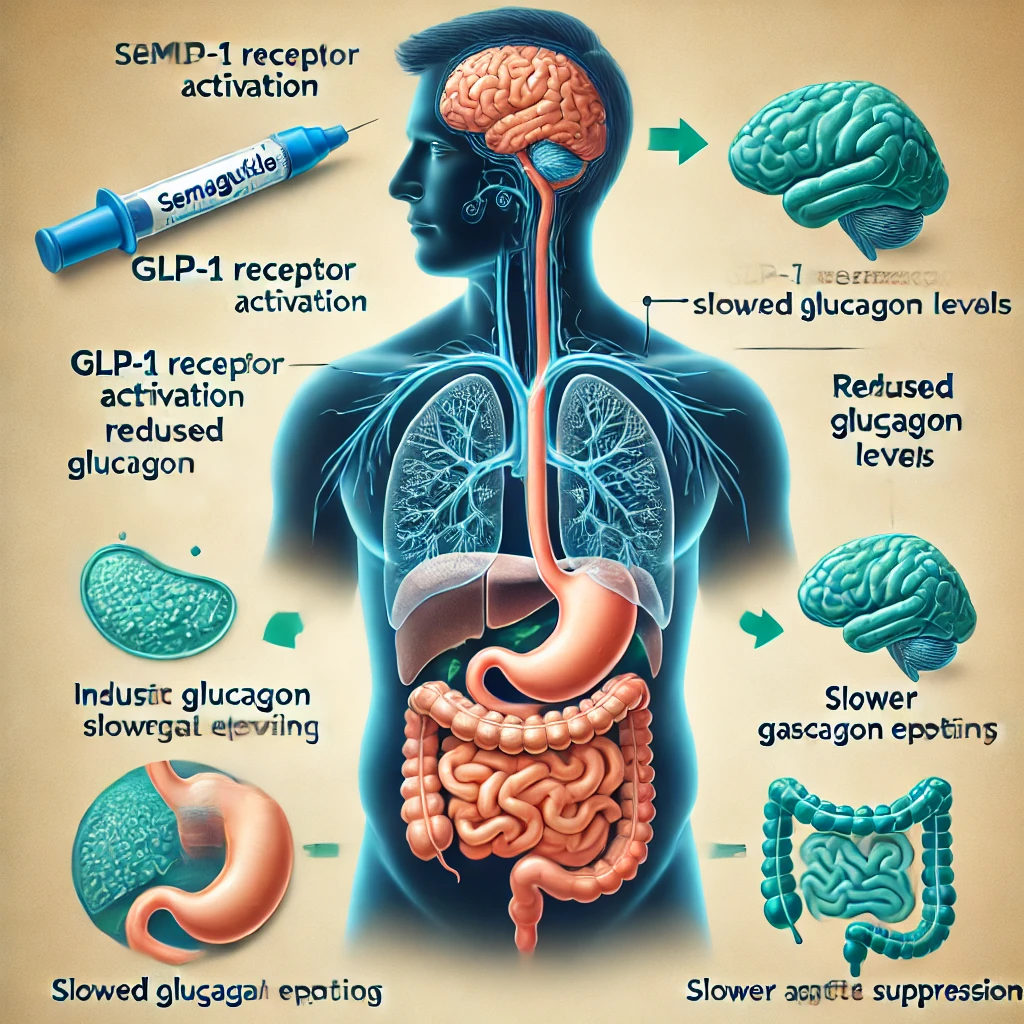
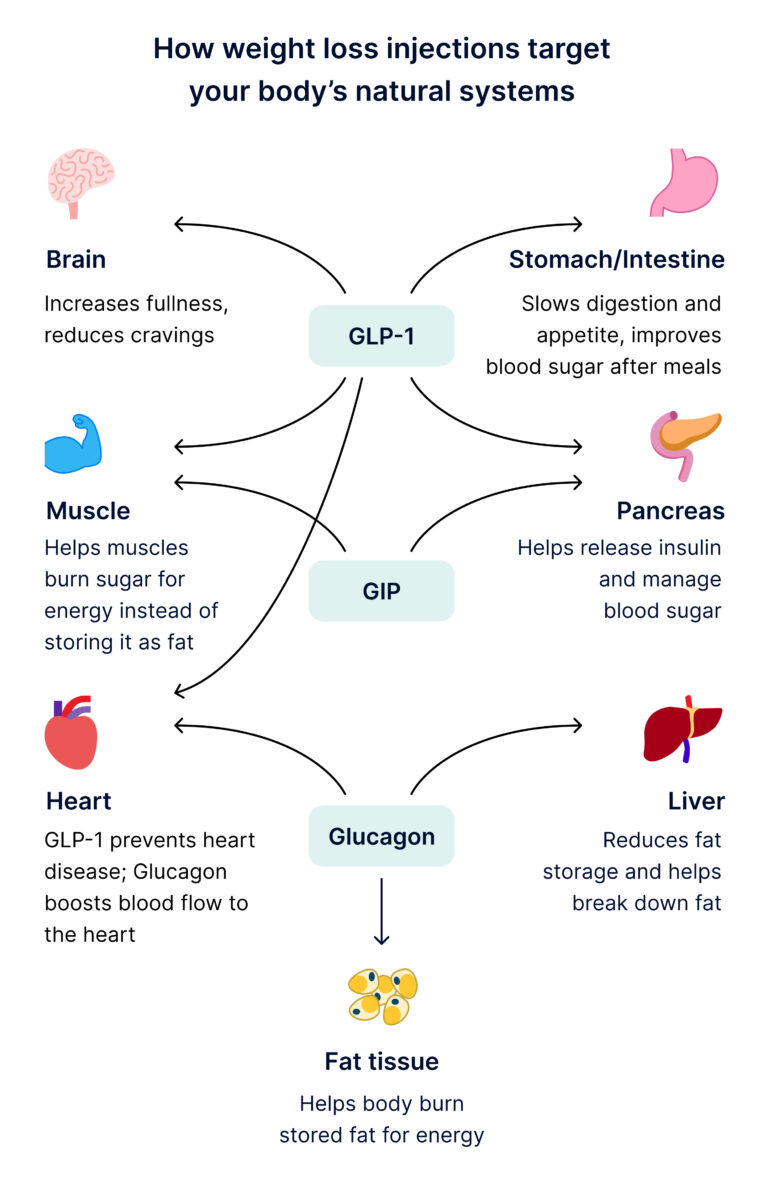
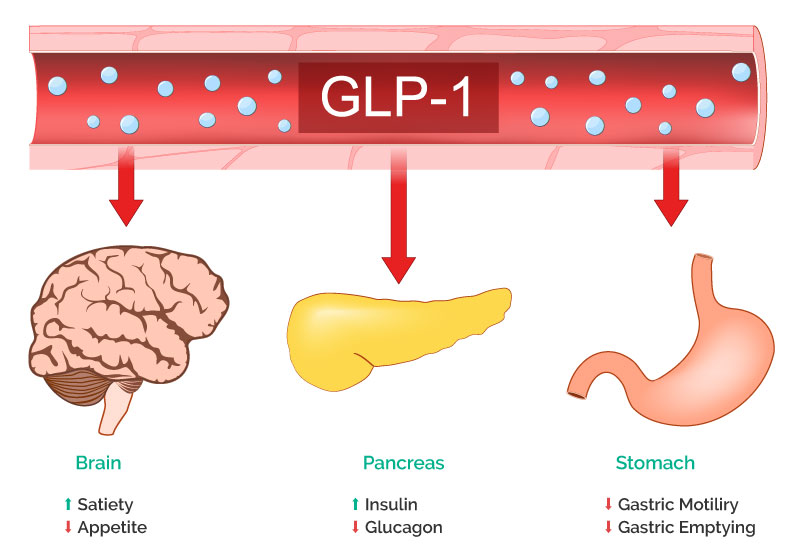
Studies have shown that GLP-1 primarily modulates brain regions controlling appetite. This includes influencing the hypothalamus, a part of the brain that controls hunger, satiety, and overall energy balance. By binding to GLP-1 receptors in the hypothalamus, GLP-1 agonists slow gastric emptying, reduce food intake, and generate a feeling of fullness. This process is accompanied by changes in brain reward circuits, as GLP-1 signaling reduces the desire for food and dampens food rewards.Peripheral Effects: Gastric Emptying and Weight Loss
In addition to central mechanisms, GLP-1 also regulates appetite through peripheral pathways. GLP-1 lies direct the flow of food into the small intestine slows down, which reduces the rate at which nutrients enter the bloodstream. This results in a reduced spike in blood glucose levels, making it easier to manage hunger and maintain weight loss. Furthermore, GLP-1 enhances the release of gastrointestinal hormones, including cholecystokinin, which helps speed up food absorption into the bloodstream and facilitates feelings of satiety.GLP-1 and Body Weight Regulation