Mastering the Art of Garden Crop Rotation for a Thriving Vegetable Garden
As a gardener, you're likely no stranger to the joys of cultivating a bountiful vegetable garden. However, have you ever stopped to consider the long-term health and productivity of your garden? That's where garden crop rotation comes in – a simple yet effective technique that can make all the difference in the world.
What is Garden Crop Rotation?
Crop rotation is the practice of changing what you grow in a particular garden bed from season to season or year to year. By rotating crops, you can prevent soil depletion, reduce pest buildup, and minimize disease. It's a vital practice for maintaining healthy soil and maximizing yields in a small backyard garden.
Benefits of Garden Crop Rotation
Prevents disease-causing pathogens from building up in soil
Reduces pest buildup and the need for pesticides
Maintains soil fertility and balance
Improves overall garden productivity
Helps prevent soil depletion
Why Crop Rotation is Important
Regularly growing the same crop in the same spot can lead to a buildup of diseases and pests, making it essential to rotate crops to maintain soil health. By changing the types of crops grown in a particular area each season, you disrupt pest cycles and reduce disease risk.
Designing an Effective Crop Rotation Plan
When planning your crop rotation, consider the following factors:
Identify the crops you want to grow and their growth habits
Consider the soil type and nutrient requirements of each crop
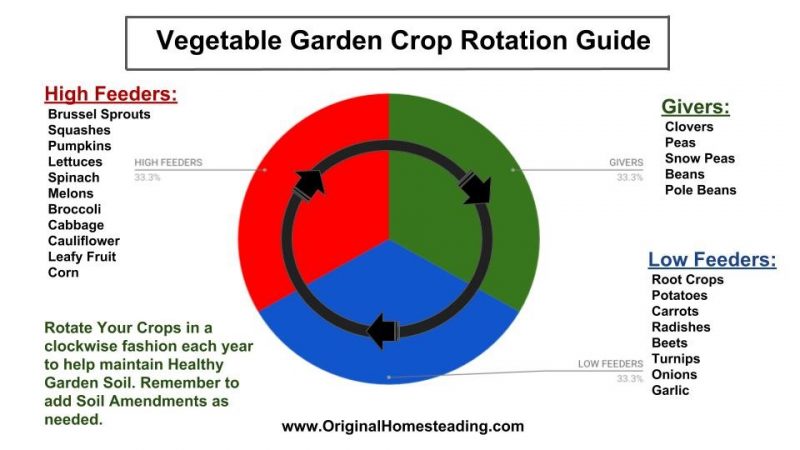
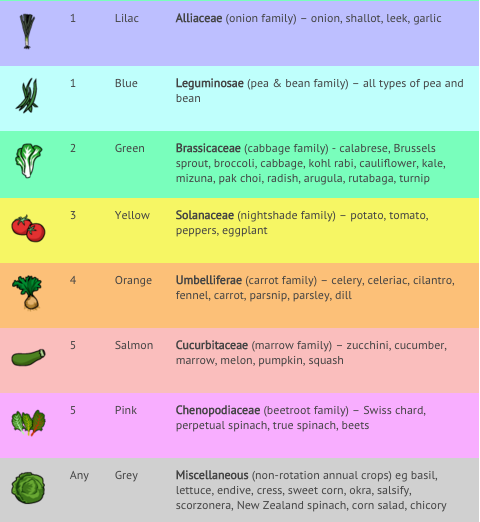
Plan for a 3- to 4-year rotation cycle to prevent soil depletion and pest buildup
Integrate cover crops into your rotation plan to enhance soil health

Implementing Crop Rotation in Your Garden
Implementing crop rotation in your garden is easier than you think. Here are some tips to get you started:
Keep a garden journal to track your crop rotation and note any challenges or successes
Start with a simple rotation plan and gradually add more complexity as you gain experience
Experiment with different crop combinations to find what works best for your garden
Consider incorporating companion planting into your crop rotation plan to enhance beneficial relationships between crops
Conclusion
Garden crop rotation is a simple yet powerful technique for maintaining soil health and maximizing yields in your vegetable garden. By following the tips outlined in this article, you can create a thriving garden that produces bountiful harvests for years to come. So why not give crop rotation a try and see the difference it makes in your garden?
Additional Resources
For more information on crop rotation and gardening, check out the following resources:
Iowa State University Extension: Crop Rotation Guidelines for Home Gardens
Permaculture Research Institute: Crop Rotation and Companion Planting
Garden Design Magazine: 10 Reasons Why Crop Rotation is Important
Keywords:
vegetable garden planning, maximizing garden space, 2026 garden plan, small space gardening, efficient garden layout, urban gardening, home vegetable garden, garden design ideas, crop rotation, garden planning tips