Freelance Contract Obligations: Understanding Your Rights and Responsibilities
Why Freelance Contract Obligations Matter
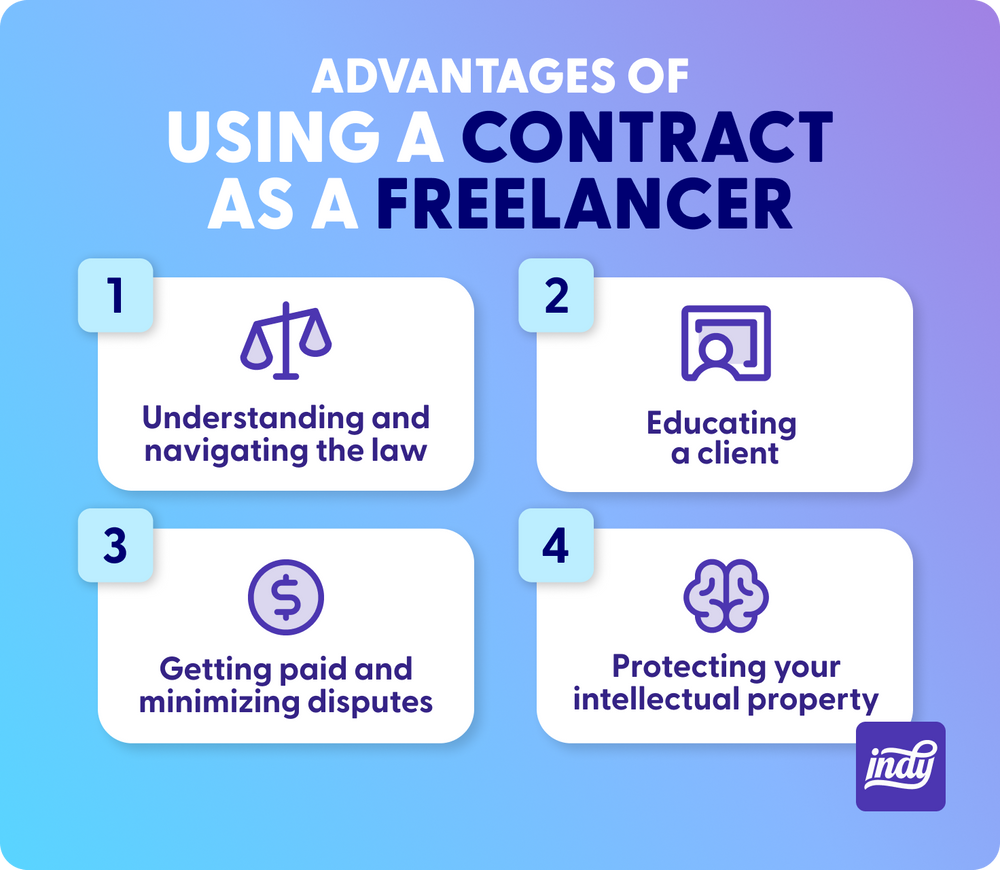
As a freelancer, you are classified as an independent contractor, rendering services to clients on a project-by-project basis. While freelancing offers the freedom to choose your projects and work at your own pace, it also brings unique risks and liabilities. One of the most critical aspects of freelancing is understanding your contract obligations, which can protect your rights and ensure fair compensation. In this article, we will delve into the importance of freelance contract obligations and provide expert tips for creating a secure agreement.The Importance of Freelance Contracts
A freelance contract serves as a legally binding document that outlines the rights and obligations of both parties involved in a project. This contract acts as a safeguard, ensuring that both you and your client understand their responsibilities and expectations. It's essential to have a clear contract in place, especially when working with new clients or on complex projects.Key Components of a Freelance Contract
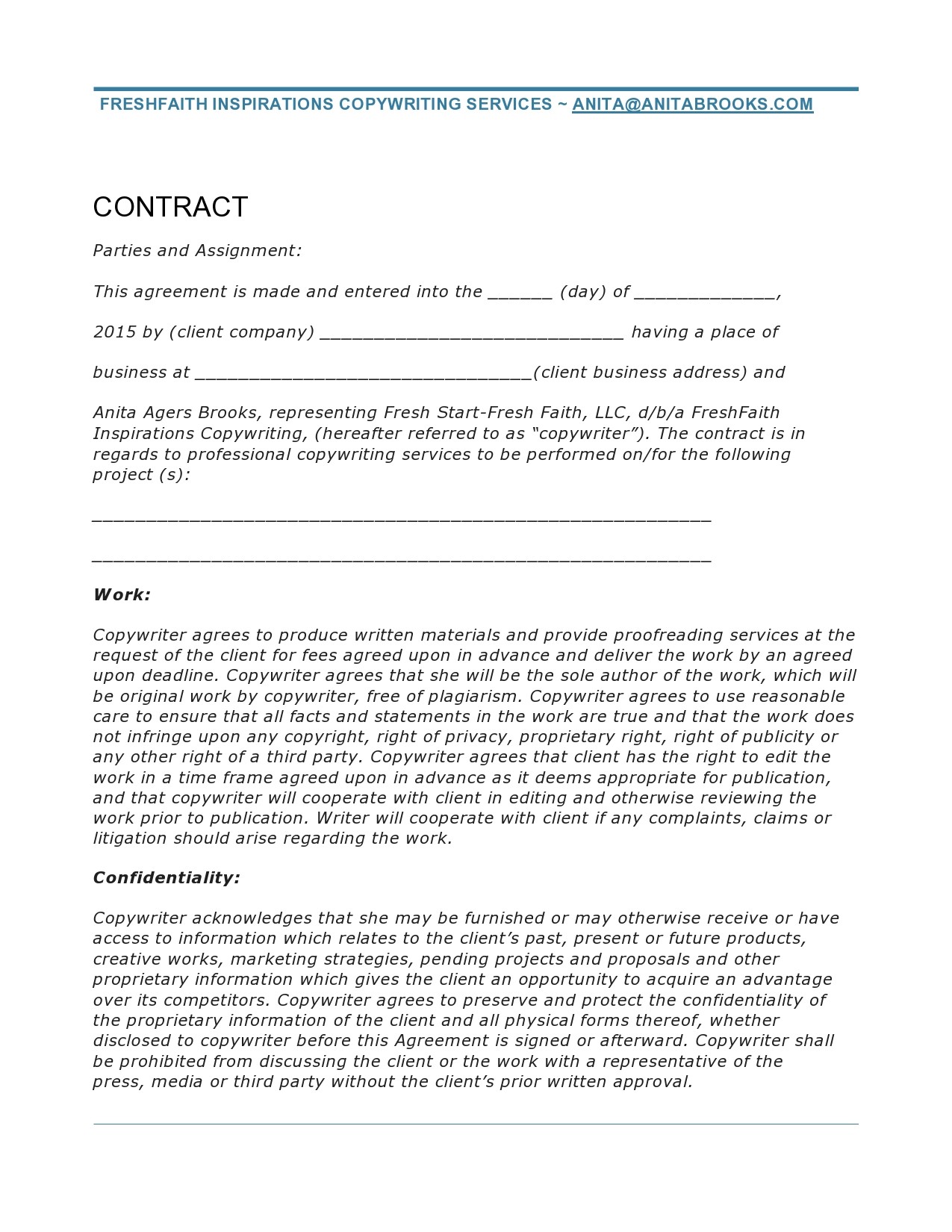
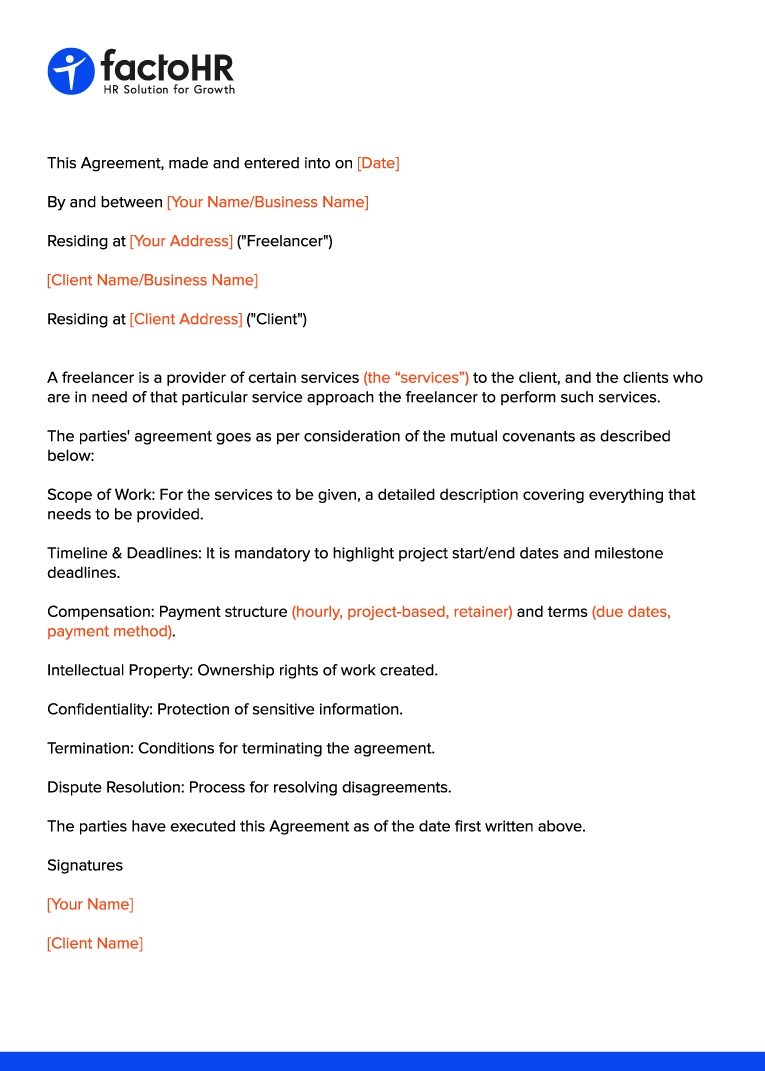
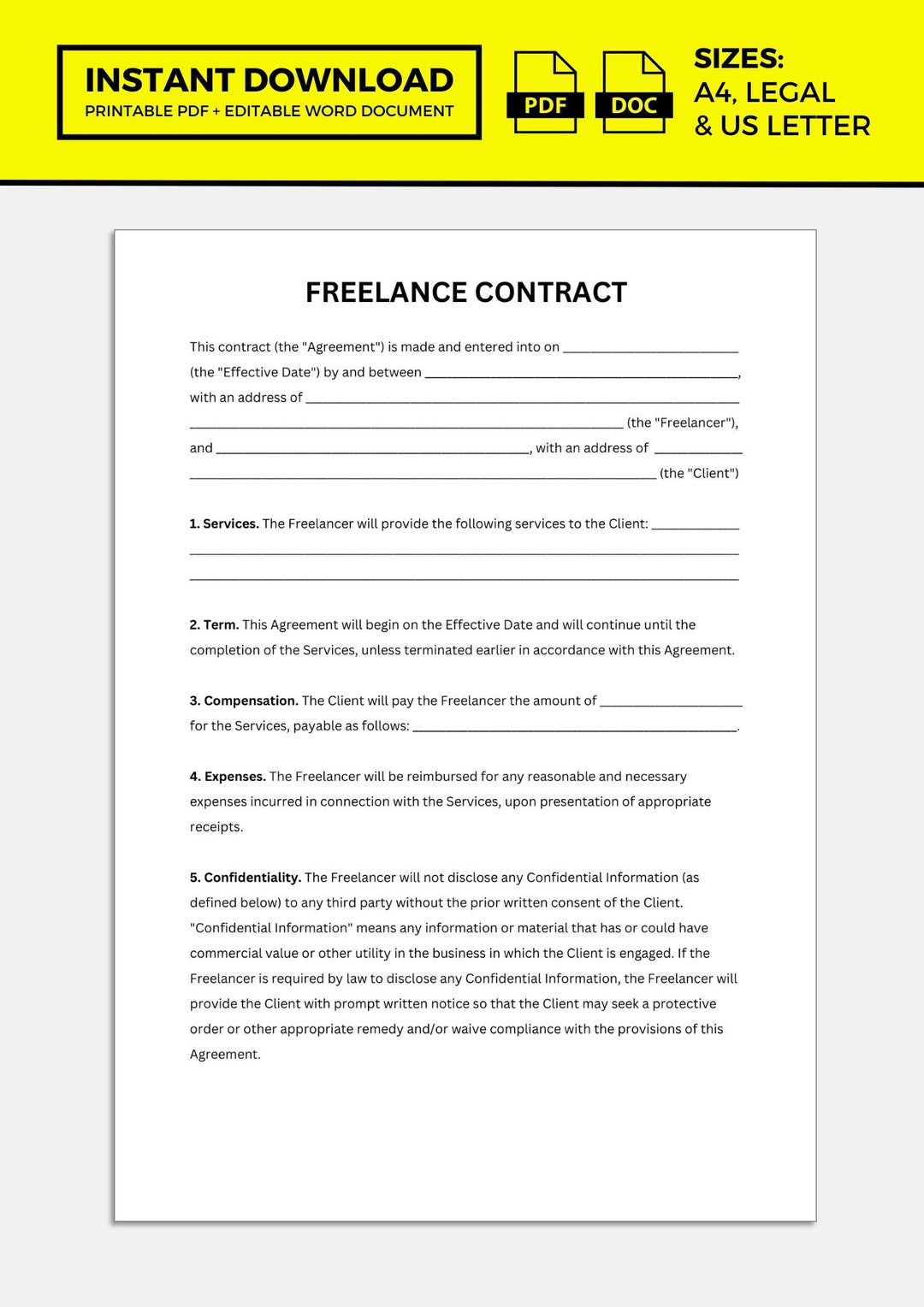
When crafting a freelance contract, consider including the following essential elements:- Scope of Work: Clearly define the project scope, deliverables, and timeline to avoid misunderstandings.
- Payment Terms: Outline payment amounts, schedules, and methods to ensure timely reimbursement.
- Responsibilities: Clearly define the roles and responsibilities of both parties, including your obligations and expectations.
- Warranty and Liability: Establish liability and warranty expectations to protect your business.
- Termination: Define the conditions and procedures for terminating the contract.
- Dispute Resolution: Establish a process for resolving disputes that may arise during the project.
Freelance Contract Obligations: Protecting Your Rights

- Delivering Quality Work: Ensure that you meet the agreed-upon standards and deliver high-quality work.
- Meeting Deadlines: Adhere to the project timeline and deliverables to maintain a positive working relationship.
- Confidentiality: Respect confidentiality agreements and protect sensitive information shared with your clients.
- Communication: Maintain regular communication with your client to address any questions or concerns.
Client's Obligations: What to Expect
While you have your contract obligations to fulfill, it's equally essential to understand the client's responsibilities:- Payment: Timely payment for completed work is a critical obligation.
- Communication: Clients are expected to communicate clearly and respond promptly to your needs.
- Feedback: Provide constructive feedback and suggestions for improvement.
- Intellectual Property: Respect your intellectual property rights and avoid using your work without permission.