Women's Health and Stress Eating: Understanding the Connection
Stress and strong emotions can drive overeating. Learn practical strategies to curb stress eating and build healthier habits.
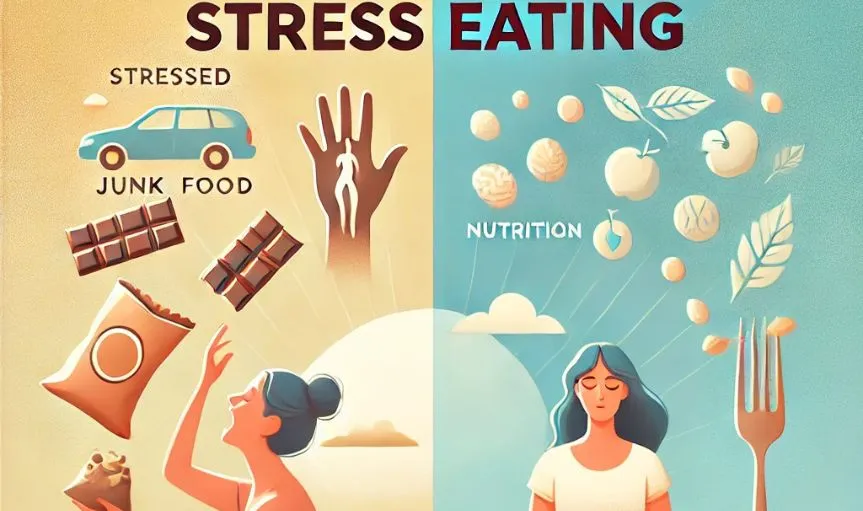
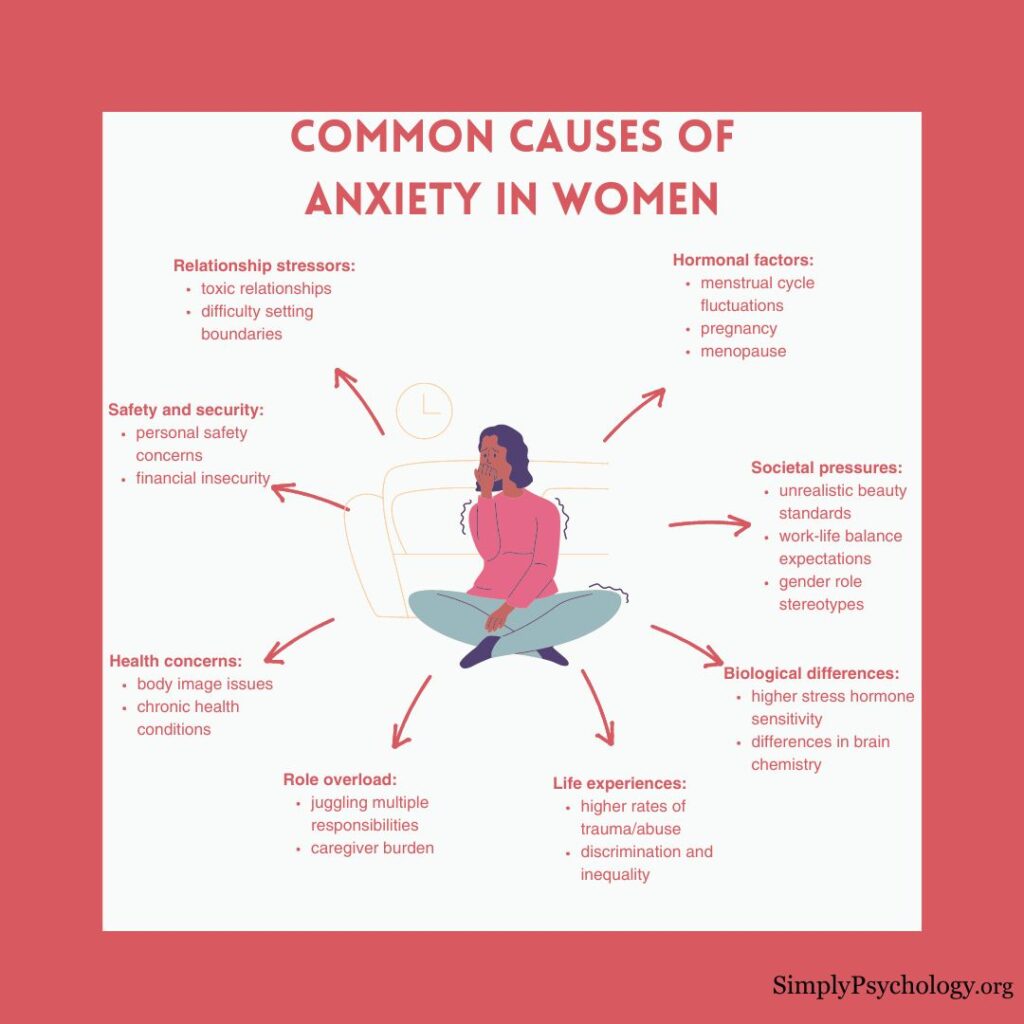
Stress eating is a common phenomenon that affects many women. The journey to understanding the connection between women's health and stress eating is a complex one. Research has shown that women are more susceptible to emotionally triggered eating due to their menstrual cycle and hormonal phases. This phenomenon can lead to unhealthy eating habits, which in turn, can exacerbate stress and worsen overall health outcomes.
How Stress Affects Appetite
Studies have shown that women with high chronic stress levels tend to engage in emotional eating. In addition to psychological responses to stress, there may also be physiological responses. During a stressful event, the body releases cortisol, a hormone that helps the body protect itself. However, if cortisol levels are elevated for a prolonged period, it can lead to a range of negative effects on the body, including weight gain, digestive issues, and changes in appetite.
Sex Differences in Eating Behaviors
Research has also shown that men and women exhibit different eating behaviors in response to stress. While men tend to experience decreased appetite and weight loss, women are more likely to engage in emotional eating. This difference is attributed to hormonal fluctuations during the menstrual cycle and the unique hormonal profiles associated with women's reproductive cycles.
Management of Stress and Eating Habits
The connection between women's health and stress eating highlights the importance of developing healthy coping mechanisms to manage stress. Mindful and intuitive eating can help individuals understand their feelings and stress responses, making it easier to adopt healthier eating habits. Regular exercise, social support, and stress management techniques such as meditation and deep breathing can also mitigate the negative effects of stress on eating behaviors.

Impact of Stress on Health
Stress has a profound impact on overall health, exacerbating conditions such as anxiety, depression, and digestive issues. When combined with unhealthy eating habits, the consequences can be severe, including increased risk of obesity, metabolic disorders, and cardiovascular disease.
Breaking the Cycle of Stress Eating
Developing a comprehensive plan to manage stress and eating habits is crucial for breaking the cycle of stress eating. Strategies include:
- Paying attention to hunger and fullness cues to develop a healthier relationship with food
- Engaging in regular physical activity to reduce stress levels and improve mood
- Avoiding trigger foods that can exacerbate stress and emotional eating
- Seeking social support from friends, family, or a therapist to develop a support network
- Practicing stress-reducing techniques such as meditation, deep breathing, or yoga
Conclusion
The connection between women's health and stress eating is complex, influenced by hormonal fluctuations, genetic predispositions, and environmental factors. Understanding the impact of stress on appetite and the brain-gut axis can help individuals develop targeted strategies to manage stress and rebalance their eating habits. By breaking the cycle of stress eating, women can improve their overall health, reduce the risk of chronic diseases, and cultivate a healthier relationship with food.