Wireless Internet Router Setup Guide
Setting up a wireless internet router can be a daunting task, but don't worry, we've got you covered. In this comprehensive guide, we'll walk you through the process of setting up your wireless internet router, step by step, so you can enjoy seamless and secure internet connectivity at home.
Understanding the Basics
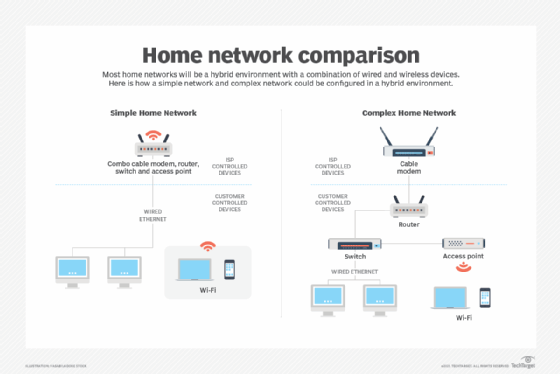
Before we dive into the setup process, let's first understand what a wireless internet router is and how it works. A wireless router is a device that broadcasts the internet signal from your modem, allowing you to connect devices to the internet wirelessly. It's essentially the heart of your home network, securing the connection with a built-in firewall and providing access to the internet and sometimes even the wireless network.
Preparation is Key
Before you start setting up your wireless internet router, make sure you have the following:
- A modem that connects to the internet
- A wireless internet router (if your modem doesn't have a built-in router)
- A computer or device with a web browser
- The user manual and installation materials for your router
Step 1: Unbox and Prepare the Router
Take your wireless internet router out of the box and remove any packaging materials. Locate the power cord, Ethernet cables, and any other accessories that came with your router. Place the router in a central location in your home, ideally in a room that has the least amount of obstacles between it and your devices.
Step 2: Connect to the Internet
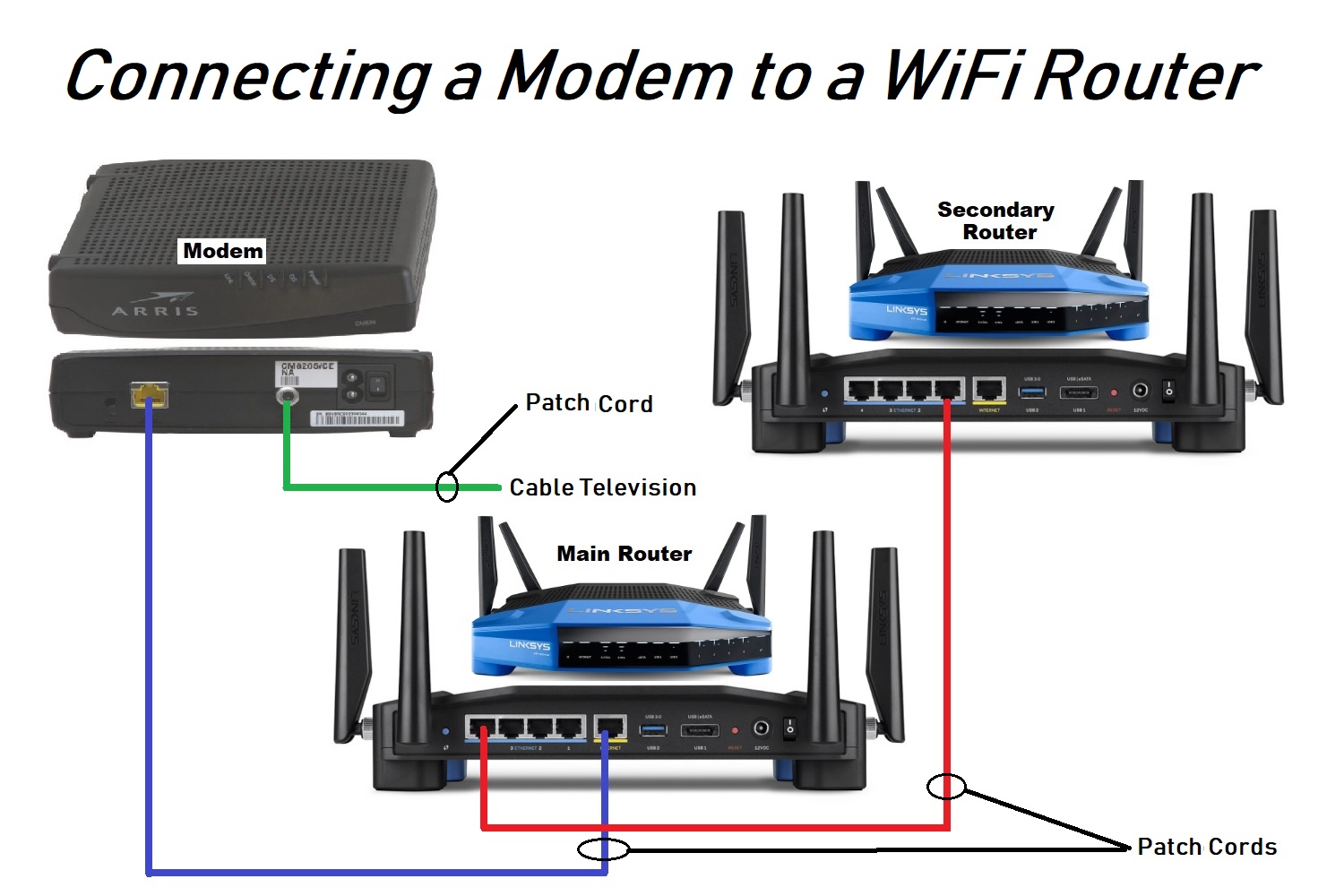
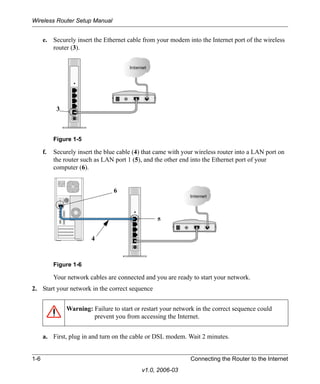
Connect the power cord to the router and plug it into a nearby power outlet. Next, connect one end of an Ethernet cable to the modem and the other end to the router's Ethernet port. This will establish a connection between the modem and the router. Wait for the router to power on and display its lights.
Step 3: Configure the Router
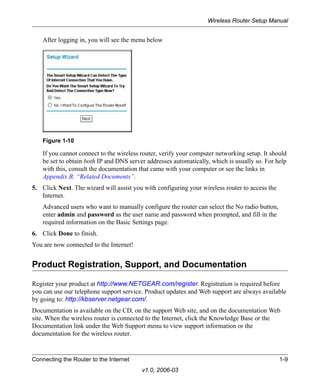
Open a web browser on a device connected to the router and navigate to the router's default IP address (usually 192.168.0.1 or 192.168.1.1). Log in to the router using the admin username and password provided in the user manual. You'll see the router's web interface, where you can configure various settings, including:

- Wireless network settings (SSID, password, encryption)
- Advanced settings (IP address, subnet mask, DNS settings)
- Security settings (firewall, access control)
Make sure to change the default admin password and enable WPA2 encryption for secure wireless connections.
Step 4: Connect Devices to the Router
With the router configured, it's time to connect your devices to the wireless network. On each device, open the wireless settings and select your router's SSID (network name) from the list of available networks. Enter the password you set up in the previous step and save the changes. Your devices should now be connected to the wireless network.
Step 5: Test the Connection
Once you've connected all your devices to the wireless network, test the connection by browsing the internet, checking email, or streaming content. If the connection is slow or unstable, try rebooting the router or adjusting the wireless settings.
Conclusion
Setting up a wireless internet router may seem intimidating, but with this comprehensive guide, you should be able to set up your router and enjoy seamless and secure internet connectivity at home. Remember to change the default admin password and enable WPA2 encryption for secure wireless connections. Happy surfing!
Additional Tips and Resources
Here are some additional tips and resources to help you get the most out of your wireless internet router:
- Place the router in a central location to ensure equal coverage throughout your home.
- Use a wireless range extender if you experience weak signal strength in certain areas of your home.
- Update your router's firmware regularly to ensure the latest security patches and features.
- Consult the router's user manual or online resources for specific instructions and troubleshooting guides.




![[Wireless Router] How do I enter my ASUS router's setting page using ...](https://www.letsbemates.com.au/mate/wp-content/uploads/2023/10/NetComm-NF17ACV-Modem-Router-Back-WAN-Port.png "[Wireless Router] How do I enter my ASUS router's setting page using ...")