Using GLP-1 Agonist Medications to Control Blood Sugar in Pre-Diabetes
Pre-diabetes is a condition characterized by high blood sugar levels that are not high enough to be classified as diabetes. It's estimated that over 88 million adults in the United States have pre-diabetes, and without proper treatment, it can progress to type 2 diabetes. One way to control blood sugar levels in pre-diabetes is through the use of GLP-1 agonist medications.
What are GLP-1 Agonist Medications?
- GLP-1 agonist medications are a class of injectable medications that work by mimicking the natural GLP-1 hormone in the body.
- GLP-1 is a hormone released by the gut in response to eating, which helps to regulate blood sugar levels.
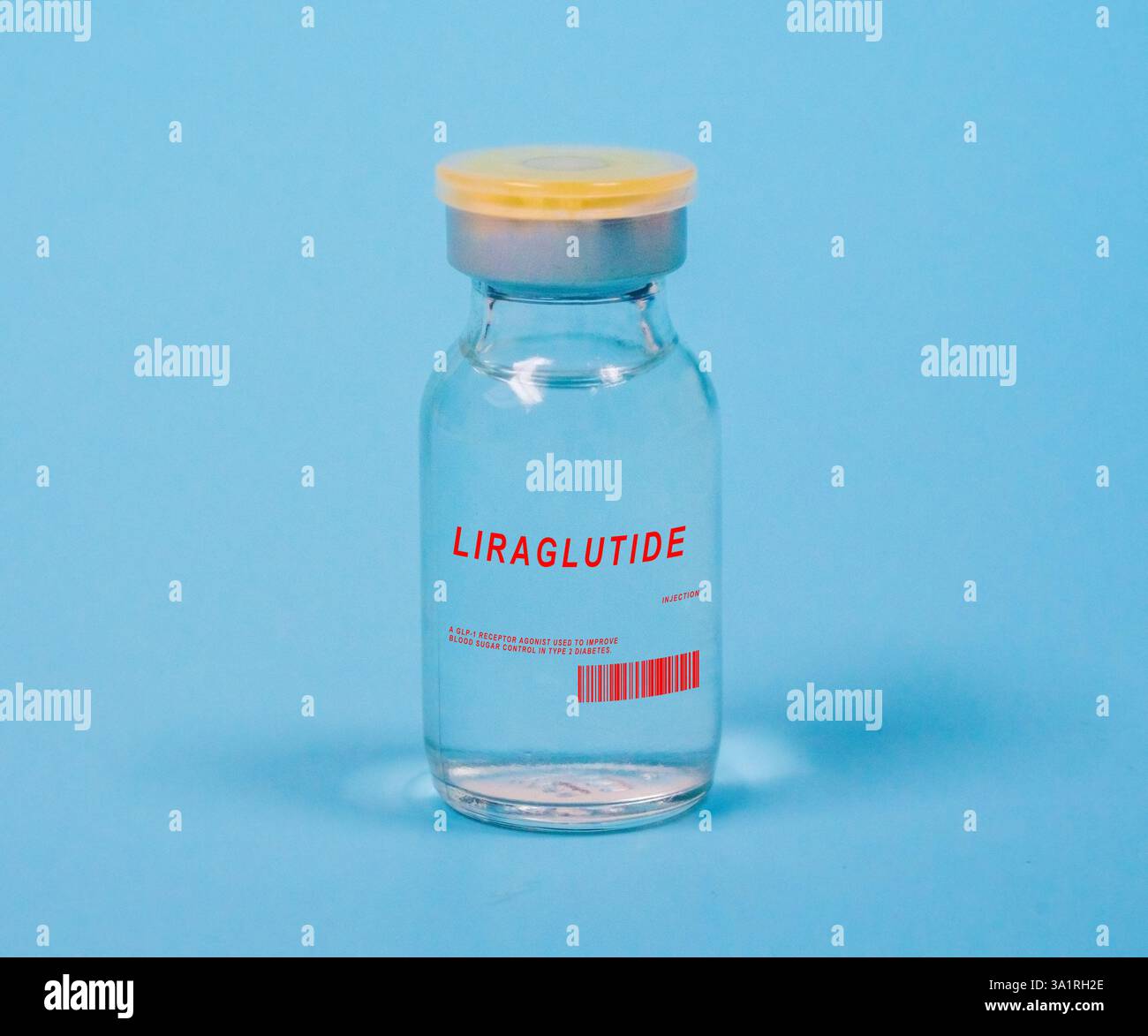
- GLP-1 agonist medications, such as semaglutide (Ozempic) and liraglutide (Saxenda), help to increase the production of insulin in the body, which reduces blood sugar levels.
How Do GLP-1 Agonist Medications Work?
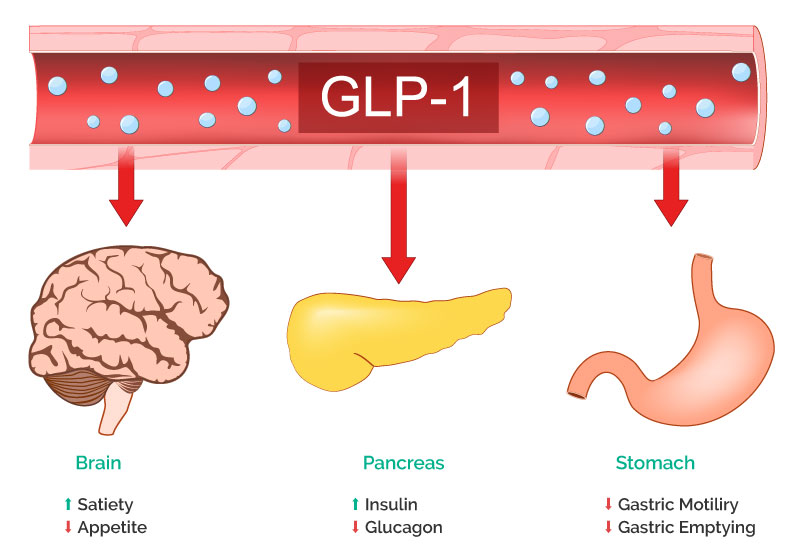
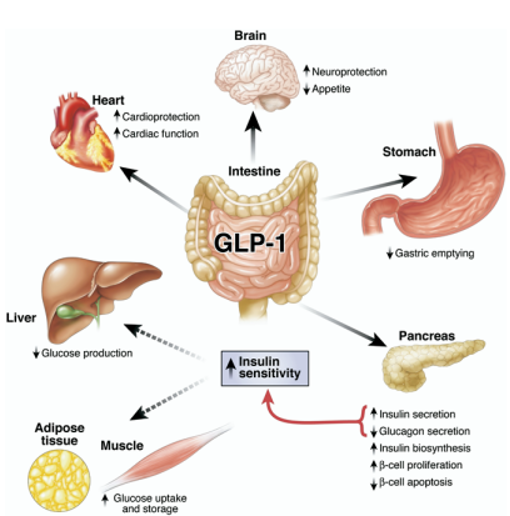
GLP-1 agonist medications work by mimicking the natural GLP-1 hormone in the body. When we eat, GLP-1 is released from the gut, which stimulates the release of insulin from the pancreas. Insulin helps to reduce blood sugar levels. GLP-1 agonist medications, such as semaglutide and liraglutide, work by activating the GLP-1 receptors in the body, which increases the production of insulin and reduces blood sugar levels.
Benefits of GLP-1 Agonist Medications in Pre-Diabetes
- GLP-1 agonist medications have been shown to be effective in reducing blood sugar levels in people with pre-diabetes.
- They have also been shown to help with weight loss, which is a major risk factor for developing type 2 diabetes.
- GLP-1 agonist medications have also been shown to reduce the risk of cardiovascular disease and heart failure in people with pre-diabetes.
Side Effects of GLP-1 Agonist Medications

While GLP-1 agonist medications can be effective in controlling blood sugar levels in pre-diabetes, they can also have side effects. Some common side effects include:
- Gastrointestinal issues, such as nausea, vomiting, and diarrhea.
- Injection site reactions, such as redness, swelling, and itching.
- Low blood sugar levels (hypoglycemia).
- Increased risk of pancreatitis (inflammation of the pancreas).
Using GLP-1 Agonist Medications to Control Blood Sugar in Pre-Diabetes
Using GLP-1 agonist medications to control blood sugar levels in pre-diabetes can be a effective way to reduce the risk of developing type 2 diabetes. However, it's essential to work with a healthcare provider to determine the best course of treatment. Your healthcare provider will need to monitor your blood sugar levels and adjust your medication as needed.
It's also essential to make lifestyle changes, such as a healthy diet and regular exercise, to help manage your blood sugar levels and reduce your risk of developing type 2 diabetes.
When using GLP-1 agonist medications, it's essential to be aware of the potential side effects and to report any concerns to your healthcare provider. With proper monitoring and treatment, GLP-1 agonist medications can be a valuable tool in controlling blood sugar levels in pre-diabetes.
Conclusion
Using GLP-1 agonist medications to control blood sugar in pre-diabetes can be an effective way to reduce the risk of developing type 2 diabetes. However, it's essential to work with a healthcare provider to determine the best course of treatment and to make lifestyle changes to help manage your blood sugar levels.