The Impact of GLP-1 on Fertility Health and Calorie Needs: A Comprehensive Review
Glucagon-like peptide-1 receptor agonists (GLP-1RAs) have revolutionized the treatment of type 2 diabetes and obesity. However, their effects extend beyond glucose control and weight management, influencing reproductive health and fertility. In this article, we will delve into the impact of GLP-1 on fertility health and calorie needs, examining the latest research and clinical evidence.
GLP-1 and Fertility: The Emerging Connection
The relationship between GLP-1 and fertility has gained significant attention in recent years. Studies have shown that GLP-1RAs can improve reproductive function, ovulatory disorders, and pregnancy outcomes. One of the primary mechanisms by which GLP-1 exerts its effects on fertility is through weight reduction and improved insulin sensitivity. As GLP-1RAs stimulate weight loss, they also enhance insulin sensitivity, leading to a reduction in androgen production and an improvement in hormonal balance. This, in turn, can increase the chances of ovulation and conception.
- GLP-1RAs have been shown to improve ovulatory disorders and pregnancy outcomes in women with polycystic ovary syndrome (PCOS).
- Studies have demonstrated a significant reduction in BMI and improvements in insulin sensitivity in women using GLP-1RAs.
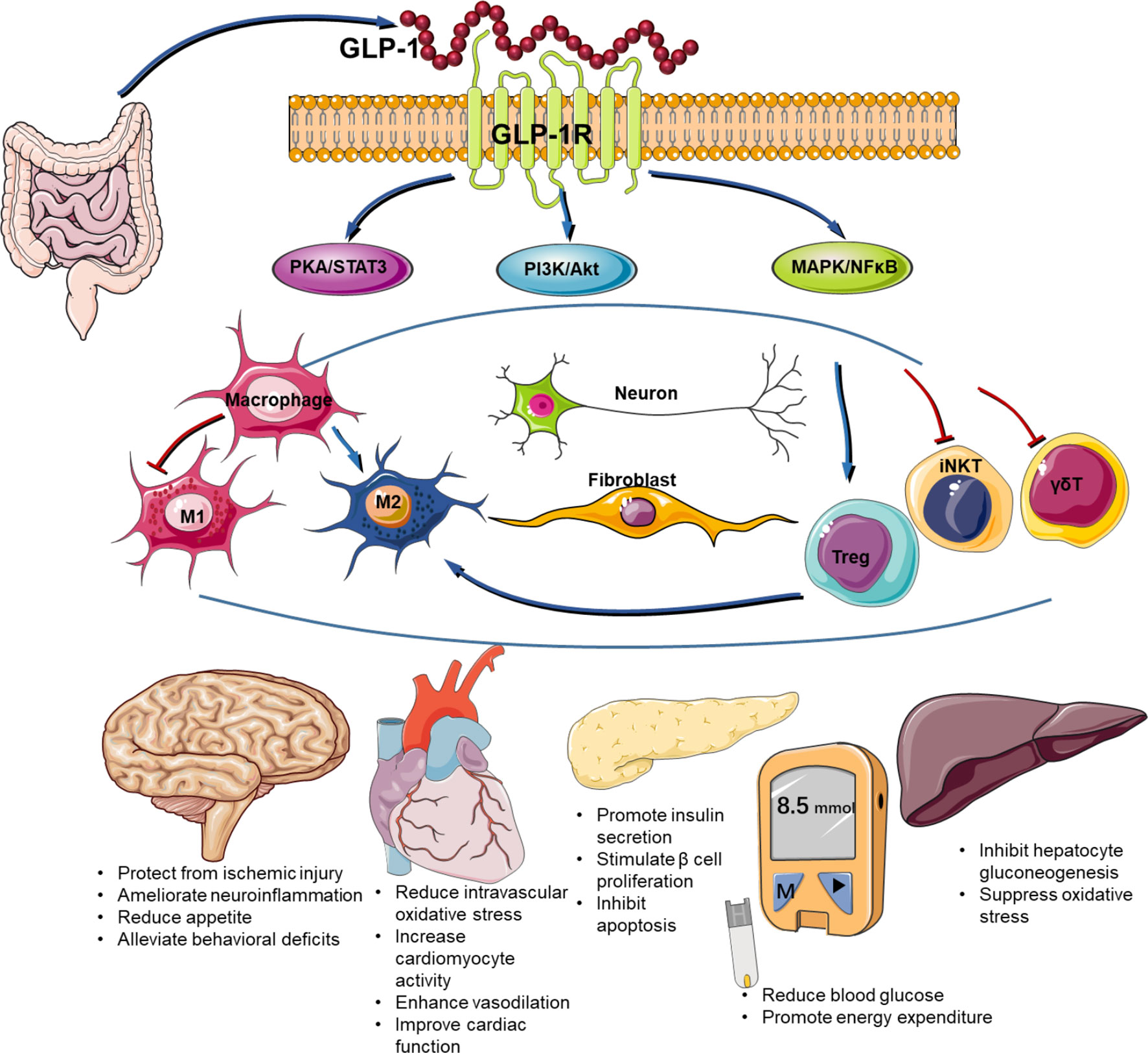
- The impact of GLP-1 on fertility is thought to be mediated by direct effects on the gonadal tissues, as well as indirect effects through weight reduction and improved insulin sensitivity.
The Impact of GLP-1 on Calorie Needs
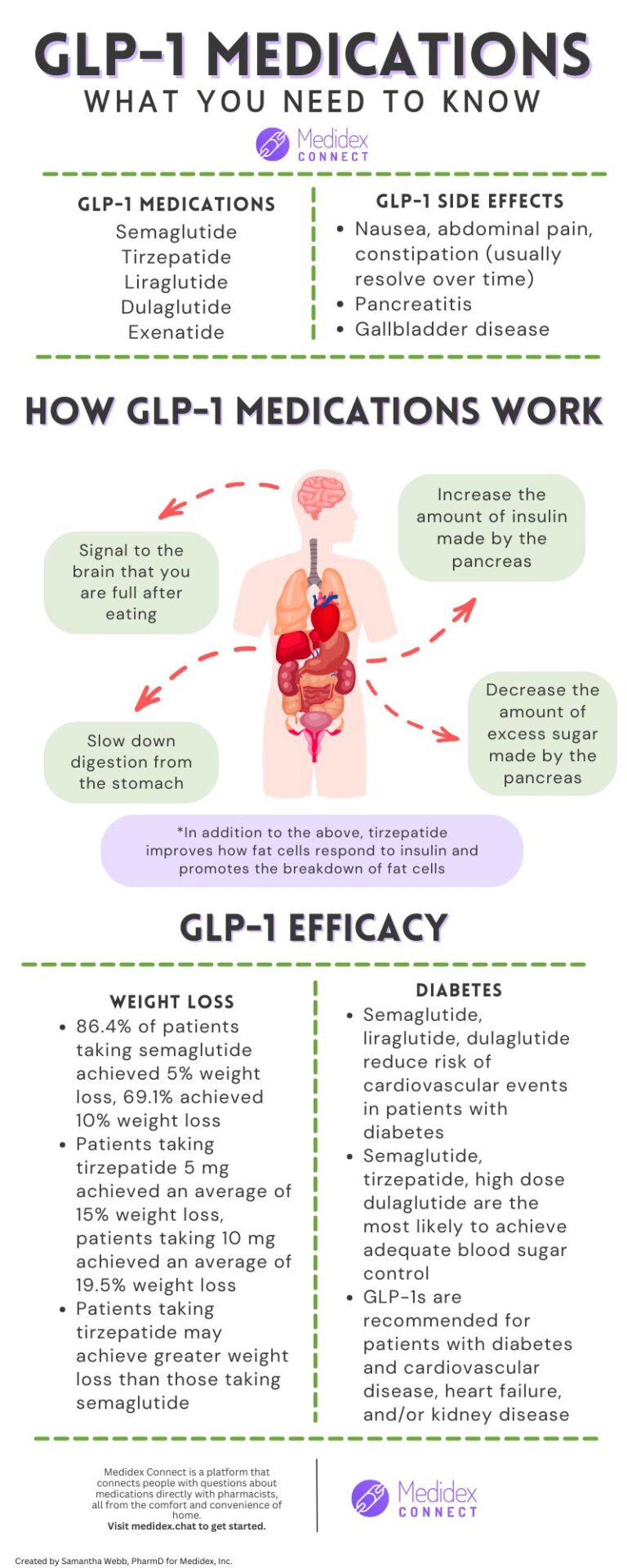
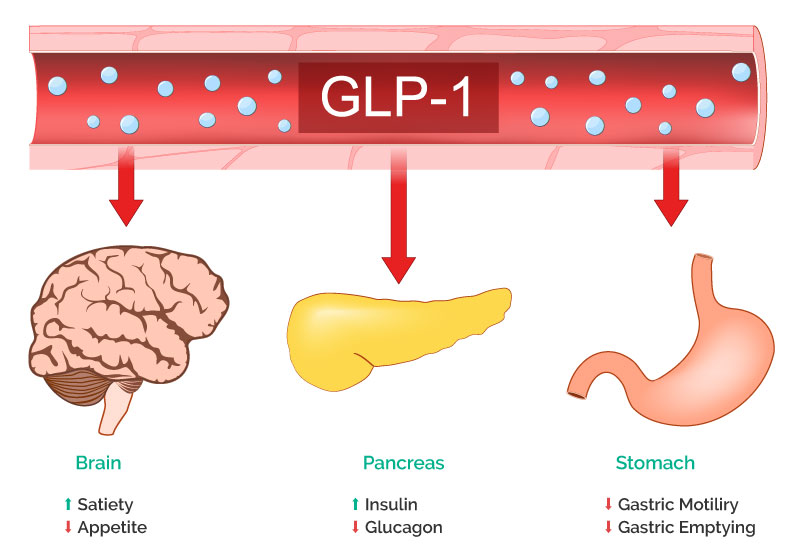
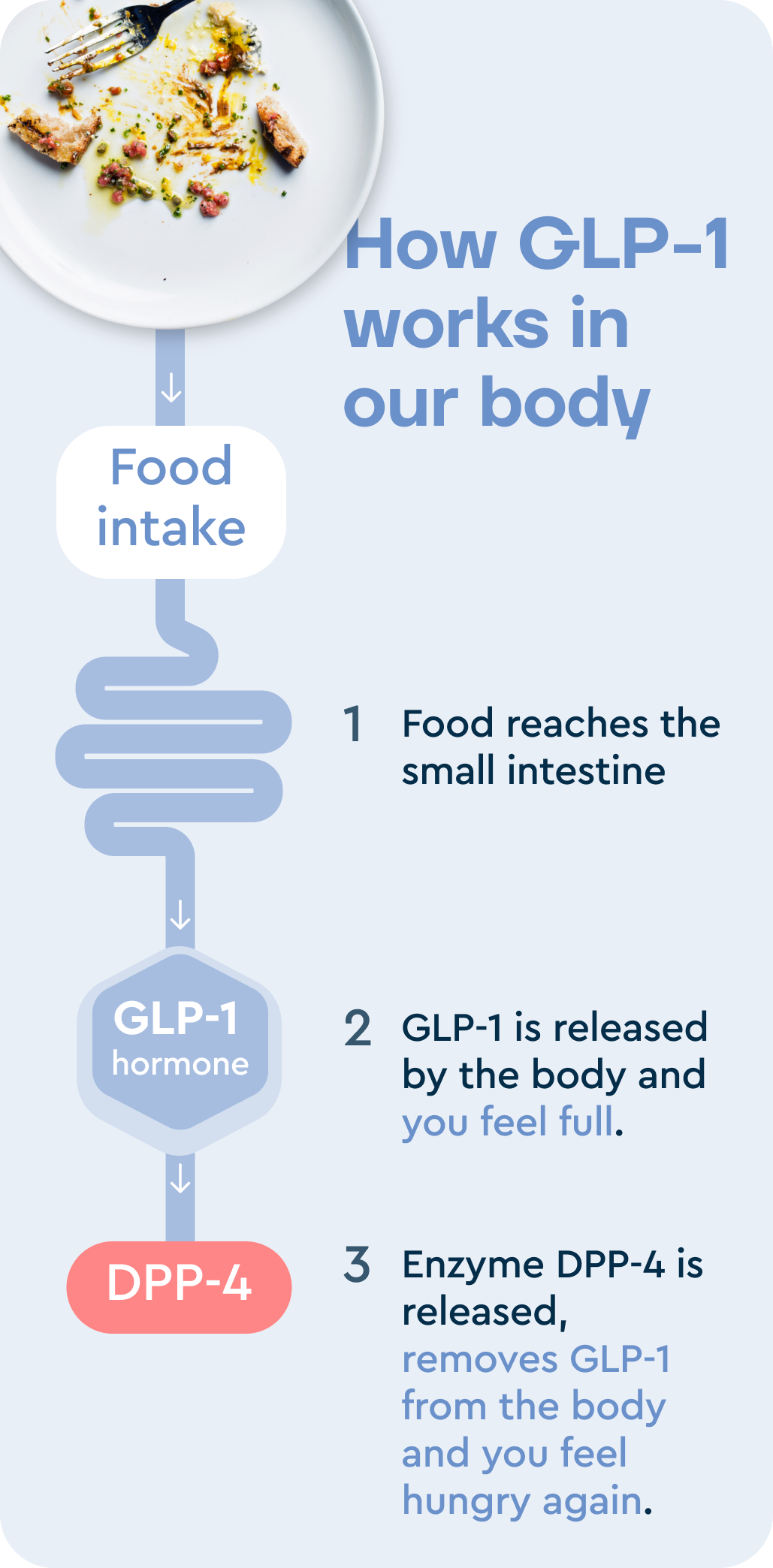
GLP-1RAs are known to suppress appetite and increase feelings of fullness, leading to a reduction in calorie intake. This effect is thought to be mediated by the gut-brain axis, with GLP-1 receptors expressed in the hypothalamus and other brain regions involved in appetite regulation. By reducing calorie intake and promoting weight loss, GLP-1RAs can have a significant impact on calorie needs, particularly in individuals with obesity or insulin resistance.

- GLP-1RAs have been shown to decrease food intake and improve satiety in individuals with obesity.
- The suppressive effect of GLP-1 on appetite is thought to be mediated by the release of anorexigenic hormones, such as glucagon-like peptide-1 (GLP-1) and amylin.
- By reducing calorie intake and promoting weight loss, GLP-1RAs can improve metabolic health and reduce the risk of chronic diseases, such as type 2 diabetes and cardiovascular disease.
Therapeutic Strategy and Future Research Directions
Given the emerging connection between GLP-1 and fertility, a therapeutic strategy that incorporates GLP-1RAs may be beneficial for women with PCOS, obesity, or insulin resistance who are trying to conceive. However, more research is needed to fully understand the effects of GLP-1 on reproductive health and fertility. Future studies should aim to investigate the mechanisms by which GLP-1 exerts its effects on fertility, as well as the optimal dosing and duration of treatment.
- Further research is needed to fully understand the mechanisms by which GLP-1 exerts its effects on fertility.
- Studies should aim to investigate the optimal dosing and duration of GLP-1RA treatment for improving fertility and reducing calorie needs.
- More research is also needed to explore the effects of GLP-1RAs on endometrial health and pregnancy outcomes.
Conclusion
In conclusion, the impact of GLP-1 on fertility health and calorie needs is a complex and multifaceted topic. While GLP-1RAs have revolutionized the treatment of type 2 diabetes and obesity, their effects extend beyond glucose control and weight management, influencing reproductive health and fertility. Further research is needed to fully understand the mechanisms by which GLP-1 exerts its effects on fertility, as well as the optimal dosing and duration of treatment. As our understanding of the relationship between GLP-1 and fertility continues to evolve, it is likely that GLP-1RAs will play an increasingly important role in the treatment of reproductive health and fertility disorders.