Setting a Specific Brand Target
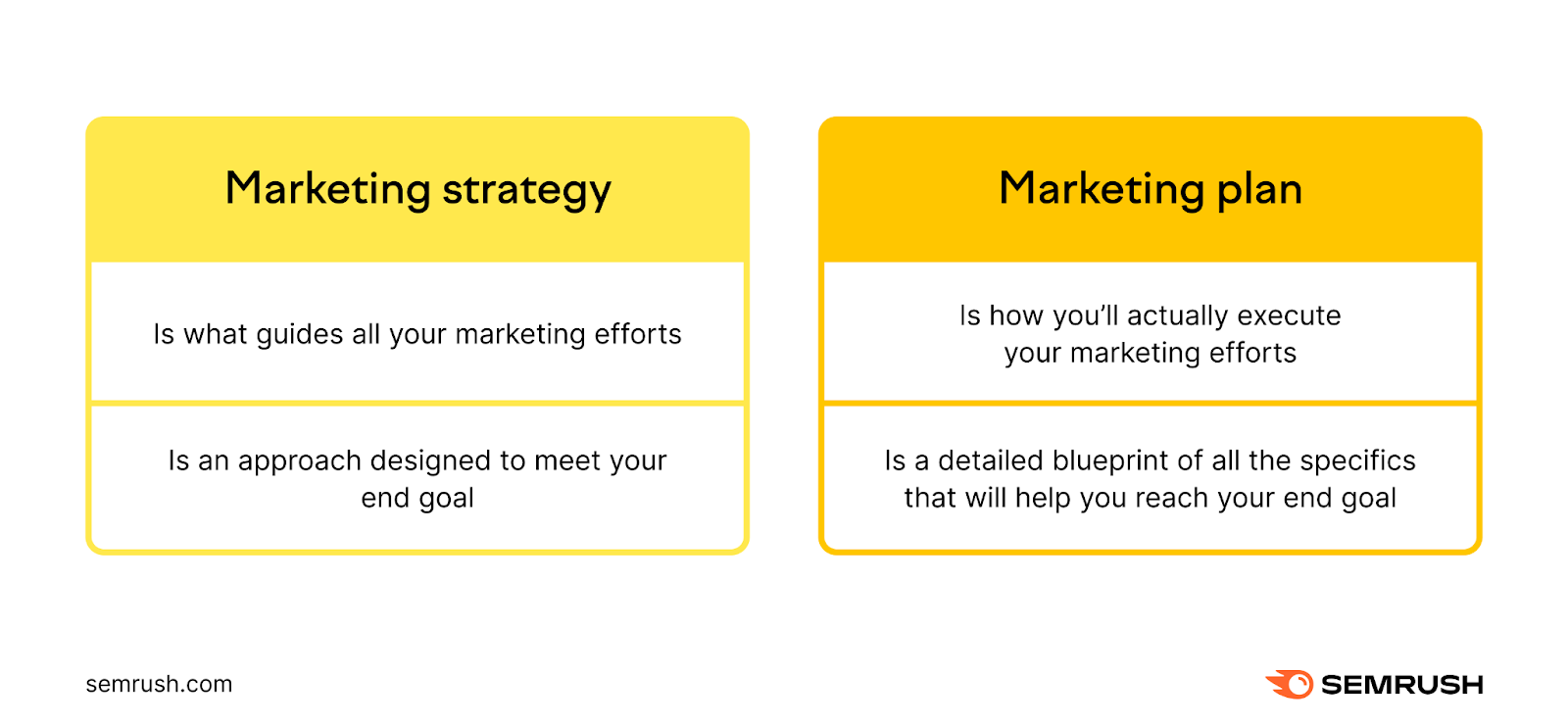
When it comes to creating a successful brand, setting a specific target is crucial. It's the foundation upon which your brand strategy is built, and without it, you'll struggle to achieve meaningful results. In this article, we'll explore the importance of setting a clear brand target and provide tips on how to do it effectively.
What is a SMART Goal?
A SMART goal is a Specific, Measurable, Attainable, Relevant, and Time-bound objective that helps you achieve your brand's goals. It's a crucial aspect of any marketing strategy, as it gives you a clear direction and lets you track progress. By applying the SMART method to your brand target, you'll increase your chances of meeting your objectives and achieving success.
Let's break down each component of a SMART goal:
- Specific: The more detailed your goals, the greater your chance of meeting them. Vague goals will only lead to aimlessness and failure. For example, instead of saying "increase brand awareness," you could say "increase brand awareness among young adults in the target market by 20% within the next 6 months."
- Measurable: Your goal should be quantifiable, so you can track progress and measure success. Use specific metrics like sales, engagement, or website traffic to gauge your progress.
- Attainable: Your goal should be realistic and achievable based on your resources and capabilities. If your goal is too ambitious, you'll set yourself up for disappointment and frustration.
- Relevant: Your goal should align with your brand's overall mission and vision. If it doesn't, it's unlikely to resonate with your target audience.
- Time-bound: Your goal should have a specific deadline or timeframe for completion. This will help you stay focused and motivated, and ensure you're making progress towards your objectives.
The Importance of Setting a Specific Brand Target
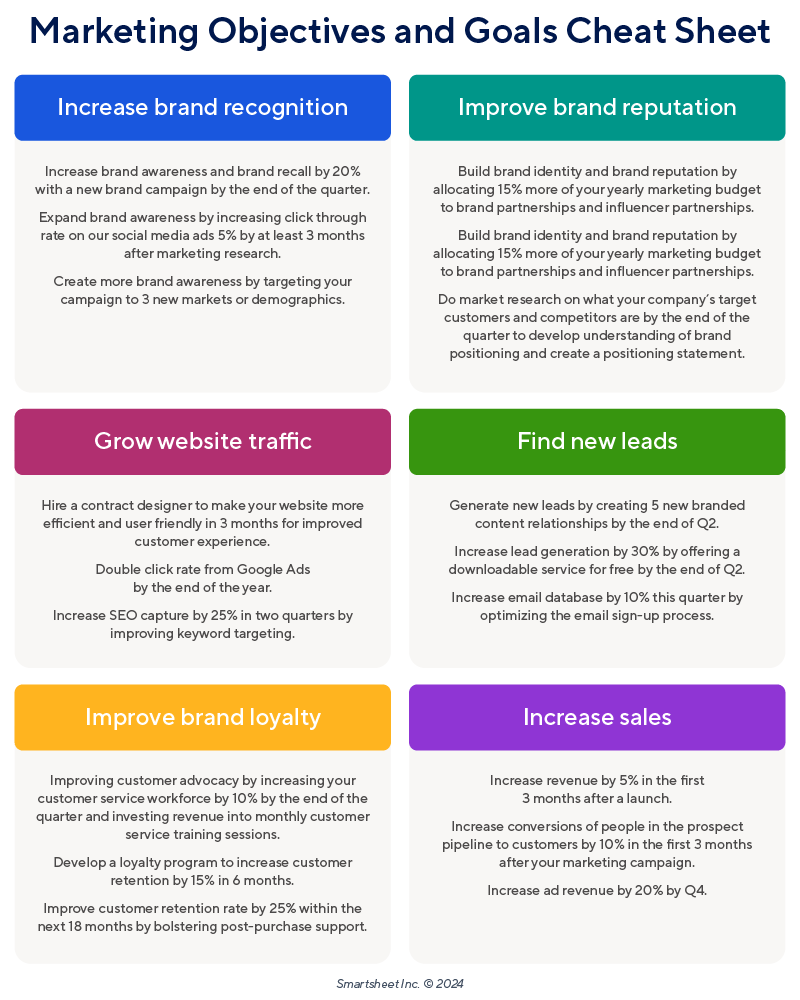
Many marketing teams struggle with setting brand targets that produce real business results. They create vague goals like "increase brand awareness" or "improve brand recognition" without defining what success looks like or how to measure it. These broad statements feel productive during planning sessions, but they leave teams without clear direction or meaningful ways to track progress.
Before you start working on your brand strategy, you need to have a clear idea of what your brand goals are. Brand goals are the specific and measurable targets and objectives that your brand aims for. They help you align your brand vision, mission, values, and personality with your business goals, and ensure everyone in your organization is working towards the same objectives.
Practical Brand Objectives
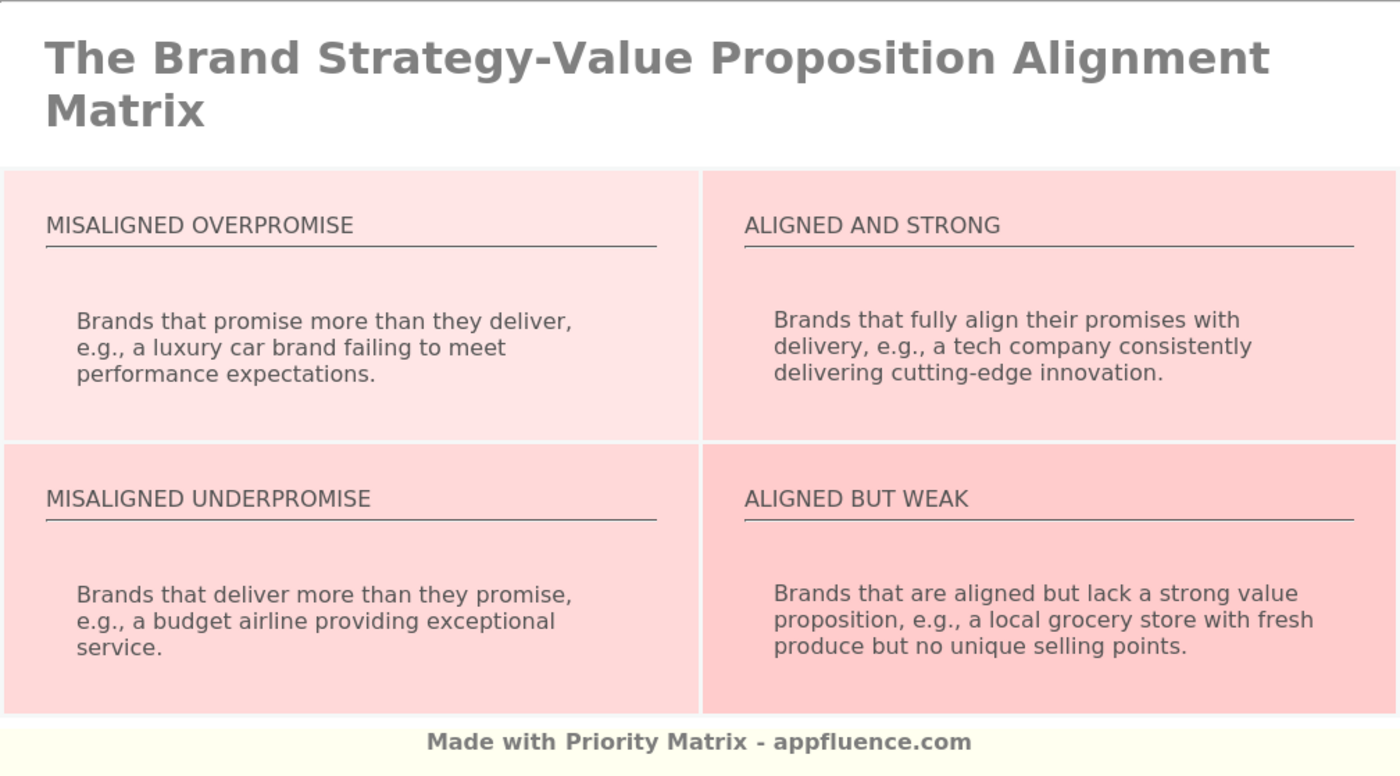
Practical brand objectives are measurable, achievable, and well-aligned with your company goals. As 82% of consumers make buying decisions with a brand's purpose in mind, the importance of communicating targets and ambition is evident. Brand objectives are not just about design principles; they help tie your entire brand strategy together, allowing you to build a brand that resonates with your target audience.
Unlocking Your Brand Potential
Setting a specific brand target is just the first step towards unlocking your brand's potential. By defining your brand objectives, you'll be able to:
- Improve collaboration among your company's departments, providing specific ways to measure branding progress and improve public perception of your company.
- Enhance your brand identity and differentiate yourself from your competitors, making it easier to attract and retain customers.
- Develop a clear brand message that resonates with your target audience, and communicate your values and purpose effectively.
- Increase brand awareness and recognition, driving more sales and revenue for your business.
Conclusion
Setting a specific brand target is a crucial aspect of creating a successful brand strategy. By using the SMART method to set your brand objectives, you'll be able to achieve meaningful results, increase brand awareness, and drive sales and revenue for your business. Remember to keep your target clear, measurable, achievable, relevant, and time-bound, and you'll be well on your way to brand success.