Reducing Emotional Eating with GLP-1: A New Chapter in Weight Management
Emotional eating has long been a challenge for many individuals, especially those navigating weight loss after 40. Life's stresses, from work responsibilities to family obligations, can lead to unhealthy eating patterns, which can derail your weight loss efforts. For those on GLP-1 medications, such as Ozempic or Wegovy, managing emotional eating is crucial to achieving and maintaining a healthy weight.
The Role of GLP-1 in Emotional Eating
GLP-1 medications can be life-changing, helping to regulate appetite, reduce food noise, and support steady weight loss in a way many people have never experienced before. But one surprise that can come up on this journey is the realization that emotional eating doesn't just disappear. This doesn't mean the medication isn't working or that you're doing something wrong. Emotional eating is part of a complex interplay between physical and psychological factors, and GLP-1 medications can only address the former.
When used correctly, GLP-1 medications can significantly reduce physical hunger signals, helping to rewire cravings and create space for lasting habit change. However, this doesn't necessarily mean that emotional eating will cease to exist. Rather, it's a symptom of deeper issues that require attention and therapy.
Understanding the Science Behind GLP-1
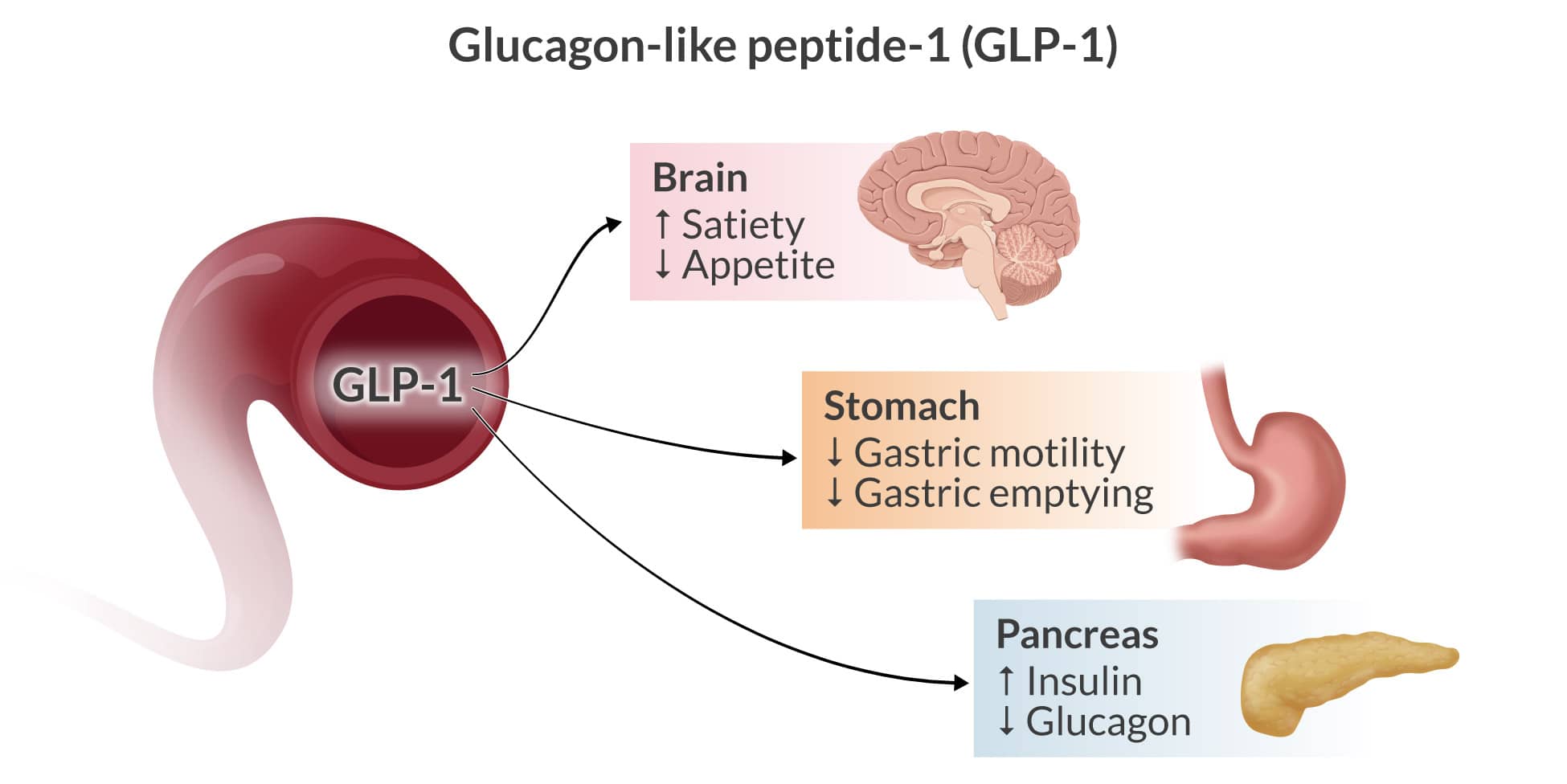
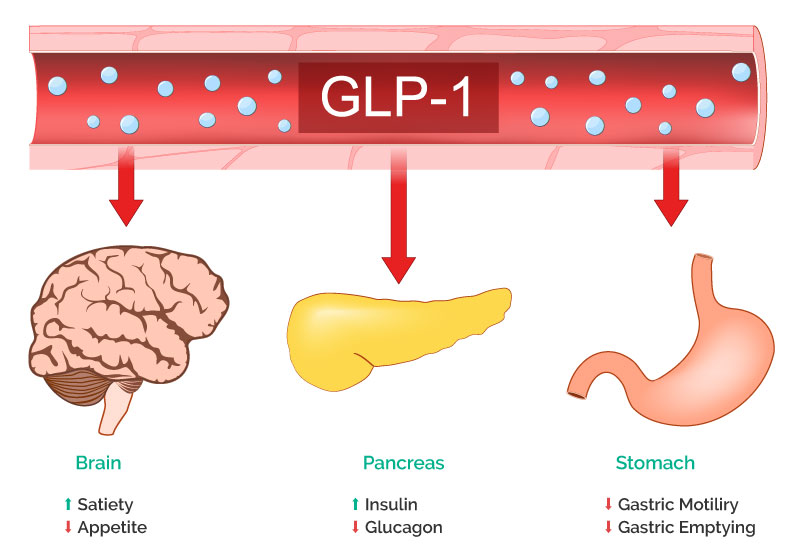
GLP-1 medications mimic the natural hormone glucagon-like peptide-1 (GLP-1) by slowing gastric emptying, increasing satiety, reducing hunger and food cravings, and influencing reward pathways related to eating behavior. Because these pathways overlap with those involved in emotional and psychological functioning, GLP-1 medications may have effects that extend beyond weight management.
Recent studies have shown that GLP-1 medications can also enhance mental health by improving mood, reducing cravings, and aiding emotional regulation. This is attributed to the medication's impact on the brain's reward system and emotional centers, which can lead to positive changes in eating behavior.
Maximizing the Benefits of GLP-1
While GLP-1 medications can be highly effective in reducing food noise, it's essential to address the underlying emotional triggers and develop lasting coping strategies. This can be achieved through a combination of behavioral therapy, nutritional counseling, and mindfulness practices.
Key takeaways from recent findings include:
- GLP-1 medications dramatically reduce "food noise" - the constant mental chatter about food and eating
- Most patients experience improved mood and reduced anxiety around food within 4-6 weeks of treatment
- GLP-1 receptors in the brain directly influence reward pathways and emotional regulation centers
- Psycho-education and self-help strategies can enhance the effectiveness of GLP-1 therapy
Reducing Emotional Eating with GLP-1
While GLP-1 medications can provide a powerful ally in managing emotional eating, it's essential to understand that the effects of these medications are primarily physical. Emotional eating is a complex issue that requires attention to underlying psychological factors.
A mindfulness-based approach can be particularly effective in managing emotional eating by cultivating self-awareness, identifying triggers, and developing healthy coping mechanisms. This can include practicing regular mindfulness meditation, engaging in physical activity, and developing a support network of peers and professionals.
Conclusion
Reducing emotional eating with GLP-1 is a complex task that requires a multi-faceted approach. While GLP-1 medications can provide a powerful tool in managing physical hunger signals, it's essential to address the underlying emotional and psychological factors that contribute to unhealthy eating patterns.
By combining GLP-1 therapy with behavioral therapy, nutritional counseling, and mindfulness practices, individuals can break free from emotional eating and develop a healthier relationship with food. This can lead to improved overall well-being, increased self-esteem, and a more empowered approach to managing weight and health.



_1764651558.webp "GLP-1 medications and mental health benefits: What new research shows")