Understanding the Mechanisms of GLP-1 in Antidiabetic Effects
Glucagon-like peptide-1 (GLP-1) has emerged as a gut-derived peptide with pleiotropic actions, demonstrating therapeutic efficacy for cardiometabolic disorders, primarily diabetes and obesity. The mechanisms of GLP-1 in antidiabetic effects are multifaceted, involving various physiological pathways and actions on glucose homeostasis, insulin secretion, and appetite regulation.Physiological Importance and Mechanisms of GLP-1
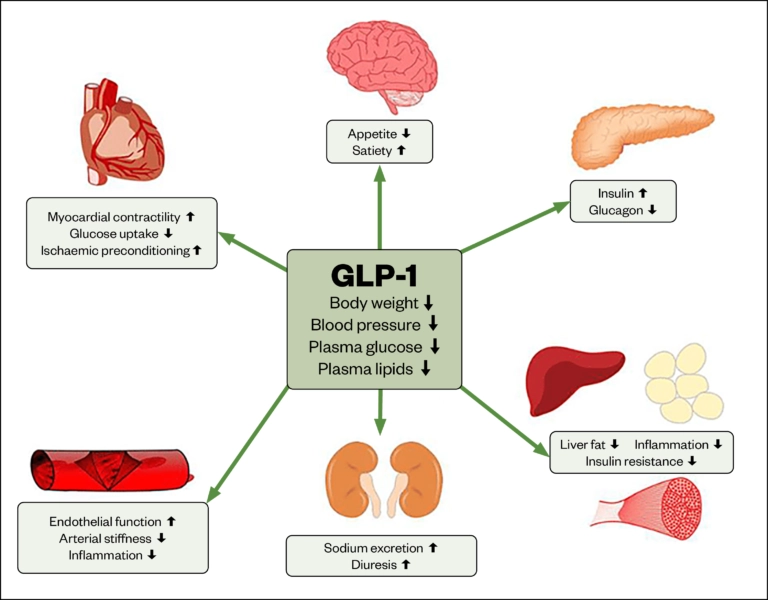
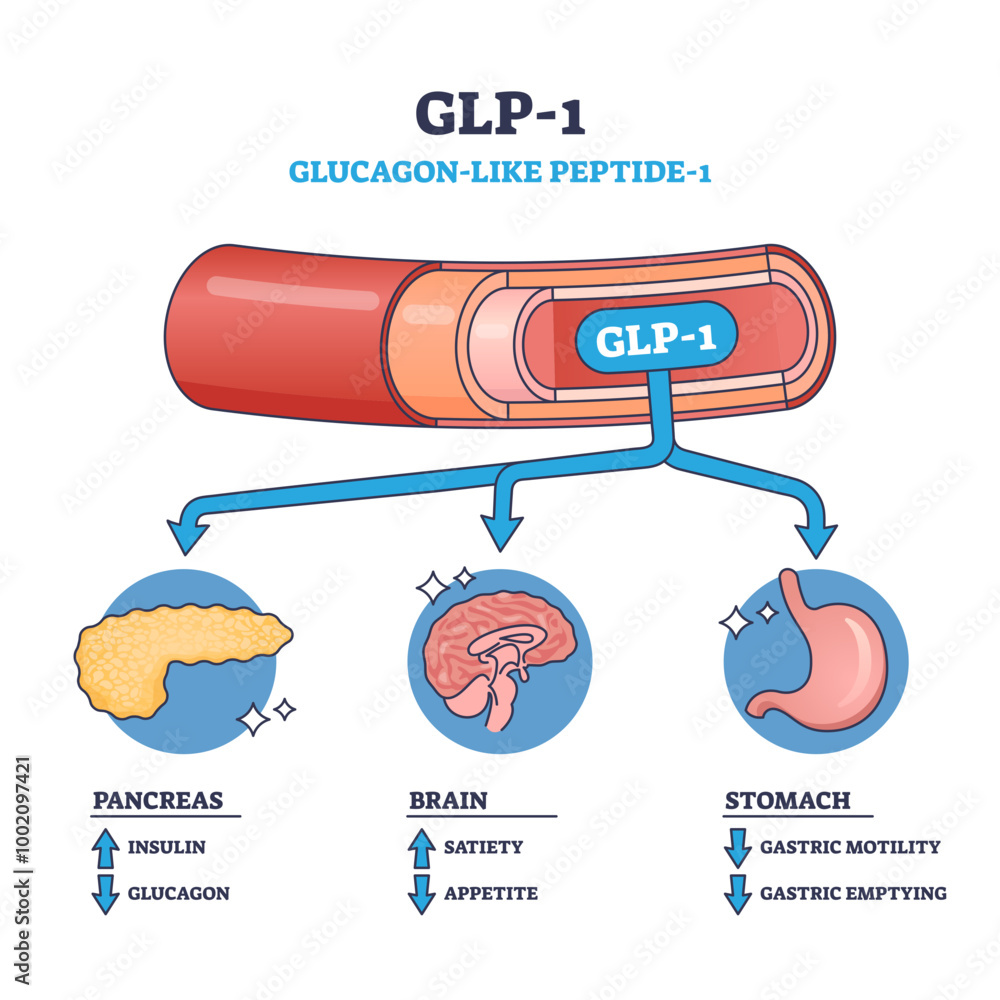
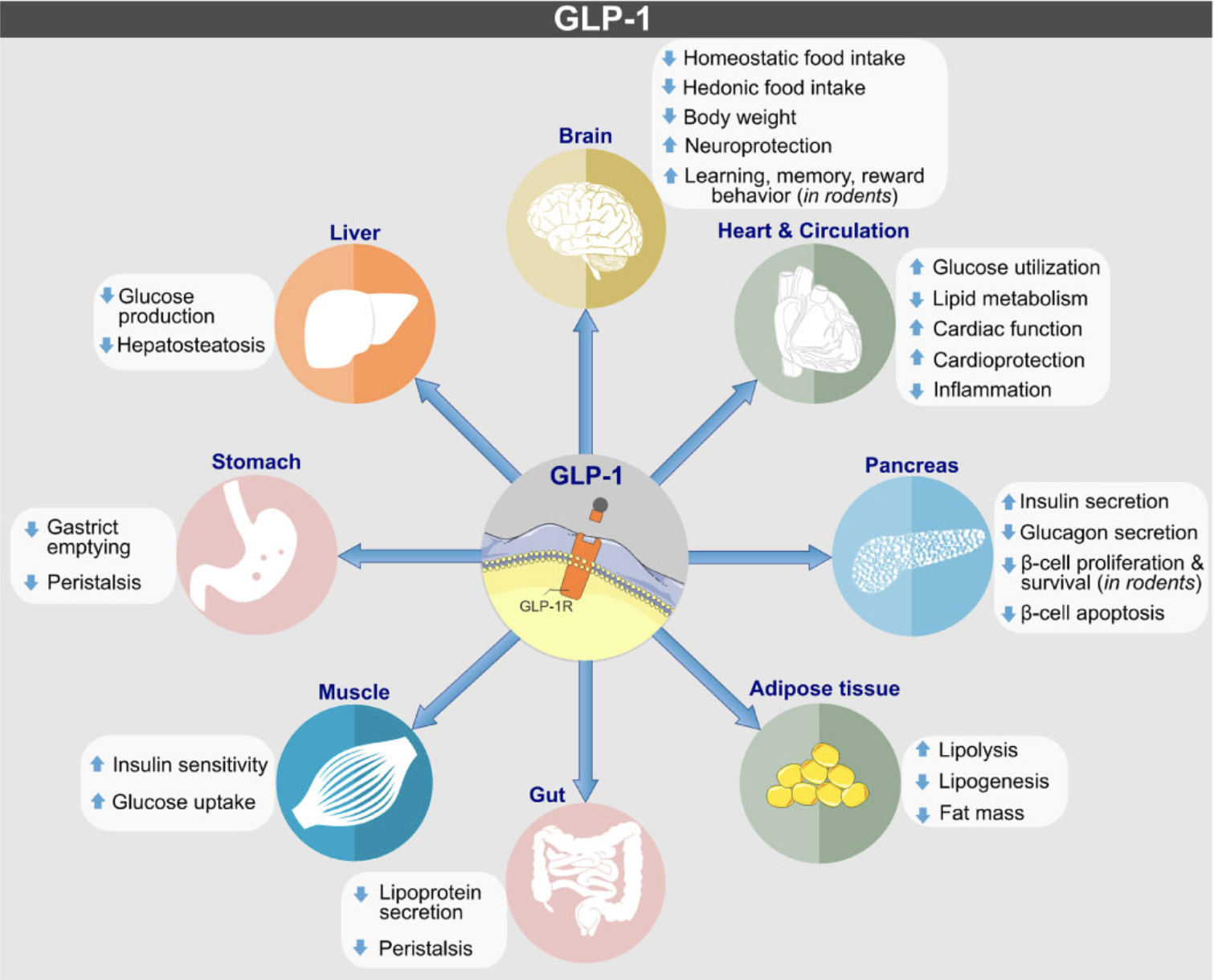
GLP-1 is secreted by L-cells in the intestine in response to nutrient intake, particularly carbohydrates. GLP-1 exerts its effects on glucose homeostasis by stimulating insulin secretion, inhibiting glucagon secretion, slowing gastric emptying, and increasing satiety. The mechanisms of GLP-1 action involve the GLP-1 receptor (GLP-1R), which is expressed in pancreatic β-cells, the cardiovascular system, and the central nervous system (CNS).GLP-1R Activation and Glycemic Control
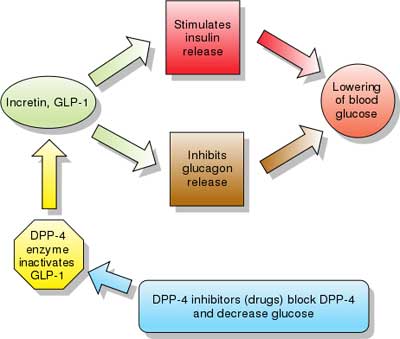
GLP-1R activation has significant effects on glycemic control in patients with type 2 diabetes (T2DM) through various mechanisms, including: • Stimulation of insulin secretion: GLP-1R activation stimulates insulin secretion in a glucose-dependent manner, avoiding hypoglycemia. • Inhibition of glucagon secretion: GLP-1R activation inhibits glucagon secretion, reducing blood glucose levels. • Protection of β-cells from apoptosis: GLP-1R activation protects pancreatic β-cells from apoptosis, preserving β-cell function and mass. • Slowing gastric emptying: GLP-1R activation slows gastric emptying, reducing postprandial glucose peaks and improving glucose control. • Increasing satiety: GLP-1R activation increases satiety, reducing appetite and body weight.Mechanisms of GLP-1 Action Beyond Insulin Secretion
GLP-1's effects extend beyond insulin secretion, influencing various physiological pathways: • Cardiac effects: GLP-1R activation has been shown to have protective effects on the cardiovascular system, reducing cardiovascular events and mortality. • Hepatic effects: GLP-1R activation reduces liver glucose production and improves insulin sensitivity. • CNS effects: GLP-1R activation has been shown to influence appetite, satiety, and energy homeostasis.Clinical Implications of GLP-1 Mechanisms
Understanding the mechanisms of GLP-1 action has led to the development of GLP-1 receptor agonists (GLP-1RAs), which mimic the effects of natural GLP-1. GLP-1RAs have been shown to be effective in improving glycemic control, reducing body weight, and decreasing cardiovascular events in patients with T2DM.Conclusion
The mechanisms of GLP-1 in antidiabetic effects are complex and multifaceted, involving various physiological pathways and actions on glucose homeostasis, insulin secretion, and appetite regulation. A comprehensive understanding of these mechanisms has led to the development of innovative therapeutic agents, offering promise for the management of T2DM and other cardiometabolic disorders.References
* Drucker, D. J. (2006). "The role of glucagon-like peptide-1 in glucose homeostasis." Diabetes Obes Metab, 8 Suppl 2, 3-16. * GLP-1 Receptor Agonists. (2024). Advances in Experimental Medicine and Biology