Managing Remote Teams: 11 Practical Ways to Boost Productivity and Morale
As we navigate the ever-changing landscape of work-from-home and remote work options, it's no surprise that managing remote teams has become a significant challenge for many leaders. Even with years of remote work behind us, many teams are still dealing with disconnection, burnout, and dips in productivity. In this guide, we'll walk through 11 practical ways to lead remote teams more effectively, from setting clear expectations to making async communication actually work.Why Managing Remote Teams in 2025 Remains a Challenge
As the demand for remote work continues to rise, companies are facing a new set of challenges in managing remote teams. With team members working from different locations, it can be difficult to maintain collaboration, productivity, and morale. In addition, managing remote teams requires a different set of skills and tools, including communication, flexibility, and adaptability.11 Practical Ways to Manage Remote Teams
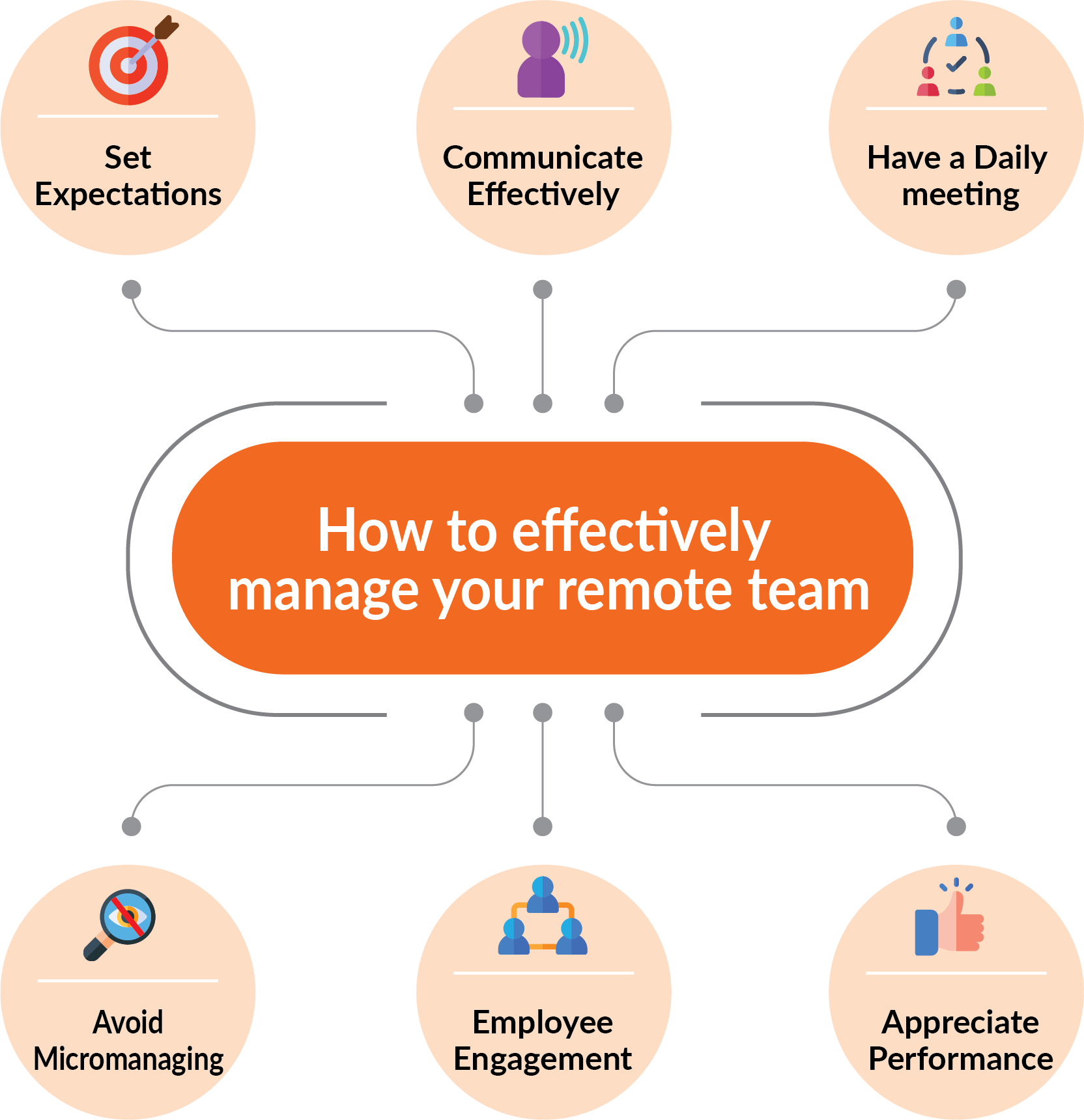
1. **Set Clear Expectations**: Establishing clear expectations is crucial for managing remote teams. This includes setting clear goals, timelines, and communication channels. By setting expectations, you can ensure that everyone is on the same page and working towards the same objectives. 2. **Create a Structured Schedule**: Managing remote teams requires a structured schedule to maintain productivity and accountability. Create a schedule that includes regular check-ins, deadlines, and time-off policies to help team members stay on track. 3. **Use Communication Tools**: Effective communication is key to managing remote teams. Use tools like Slack, Asana, or Trello to facilitate communication, collaboration, and project management. 4. **Foster a Culture of Care**: Managing remote teams requires a culture of care and empathy. Encourage team members to share their thoughts, ideas, and concerns, and prioritize their well-being. 5. **Focus on Results**: As a remote team leader, it's essential to focus on results rather than tracking hours worked. Encourage team members to prioritize their tasks and deliver high-quality results. 6. **Provide Training and Development Opportunities**: With limited face-to-face interactions, it's essential to provide training and development opportunities to help team members grow and develop their skills. 7. **Emphasize Flexibility**: Managing remote teams requires flexibility and adaptability. Encourage team members to work from different locations, adjust their schedules, and take breaks when needed. 8. **Create a Shared Vision**: Establishing a shared vision is critical for managing remote teams. Encourage team members to contribute to the company's vision, mission, and values, and prioritize their contributions. 9. **Use Feedback Mechanisms**: Managing remote teams requires regular feedback mechanisms to ensure that everyone is on track and working towards the same objectives. 10. **Prioritize Self-Care**: Managing remote teams requires self-care and prioritization. Encourage team members to prioritize their mental and physical well-being, and provide resources and support when needed. 11. **Stay Organized**: Lastly, managing remote teams requires staying organized and up-to-date with the latest tools, technologies, and best practices.Overcoming Common Challenges in Managing Remote Teams





/Distributed%20team%20Fun2.png?width=2000&name=Distributed%20team%20Fun2.png "Best Practices for Managing a High-Performing Remote Team")




.jpg "Kumospace | Communication and Collaborate Software for Remote Teams")