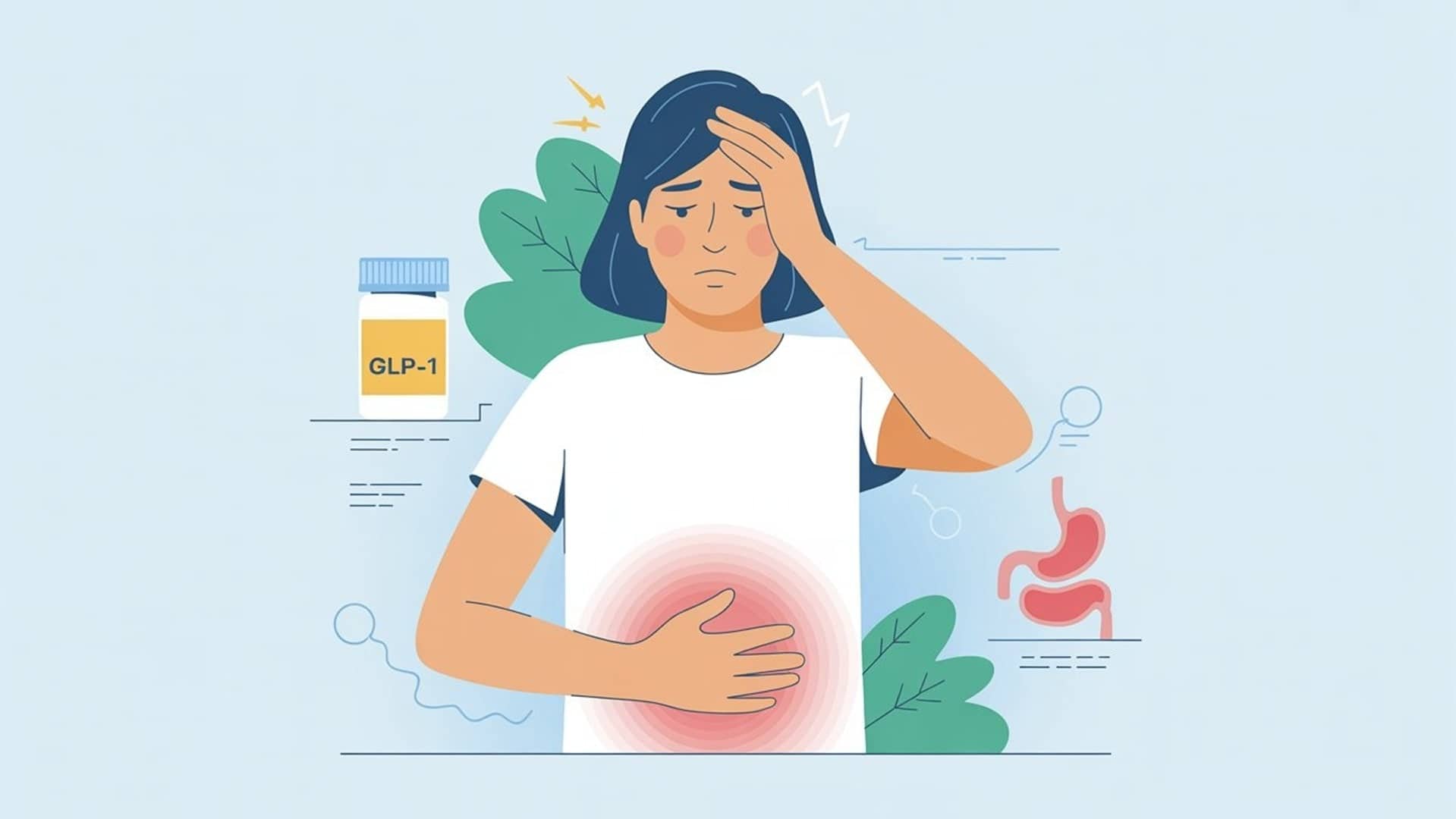
Managing Emotional Eating with GLP-1: Strategies for a Healthier Relationship with Food
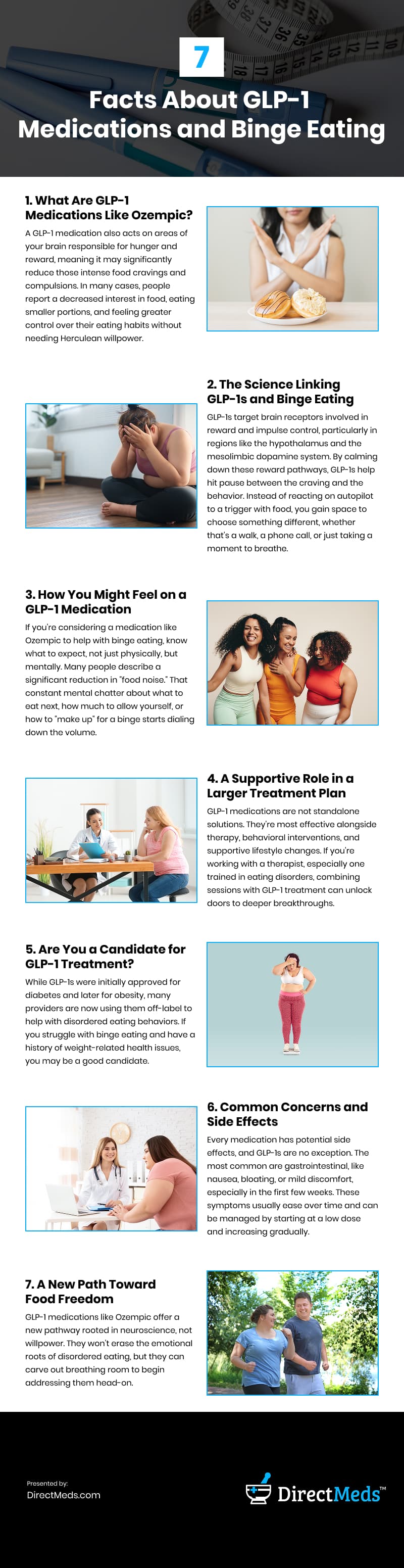
Emotional eating is a common challenge for many women, especially those navigating weight loss after 40. Life's stresses, from work responsibilities to family obligations, can lead to unhealthy eating patterns, which can derail your weight loss efforts. For those on GLP-1 medications, such as Ozempic or Wegovy, managing emotional eating is crucial to achieving and maintaining a healthy weight.
What is GLP-1 and How Does it Help with Emotional Eating?
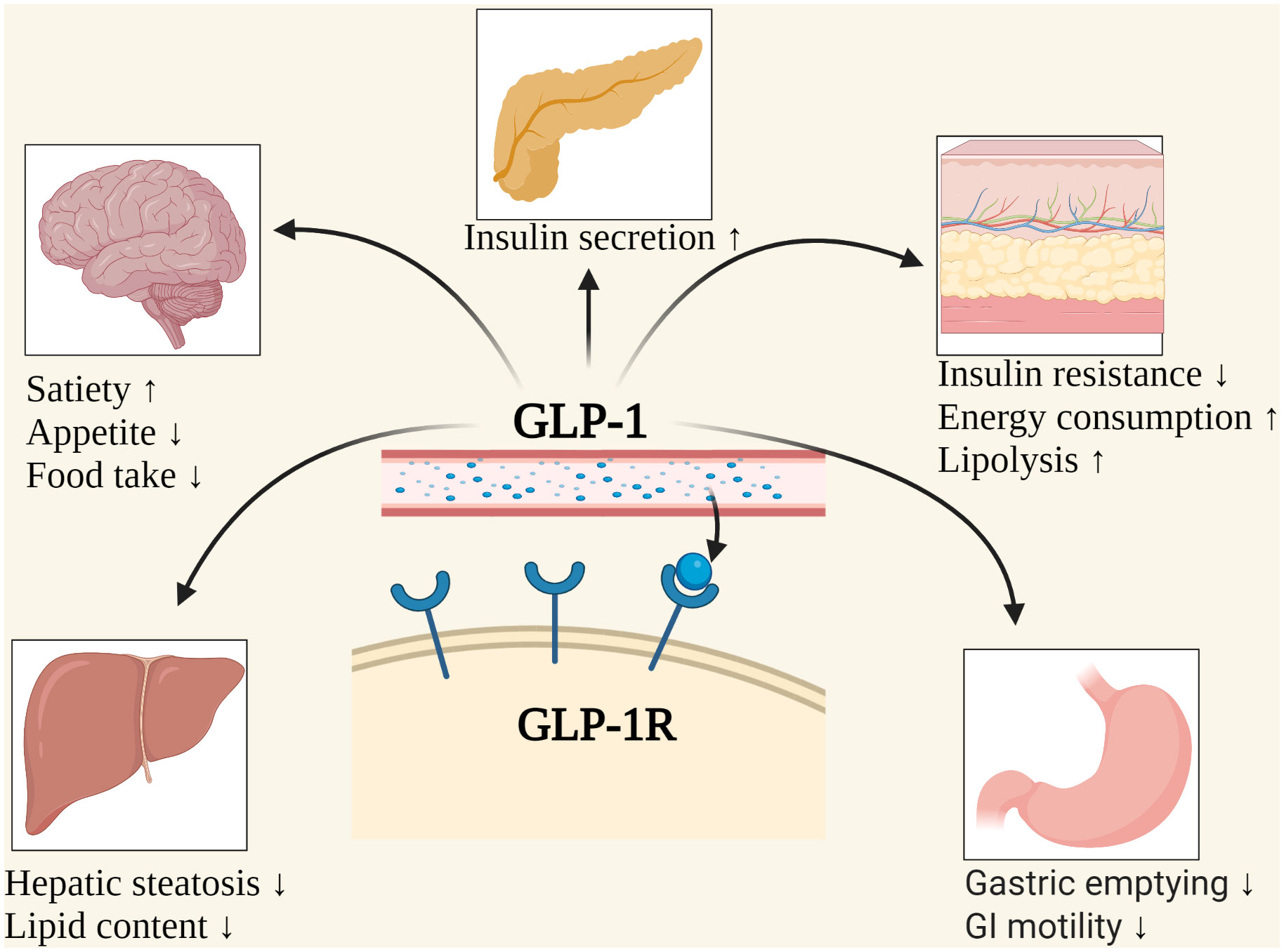
GLP-1, or glucagon-like peptide-1, is a naturally occurring hormone that helps regulate blood sugar levels, slows down gastric emptying (aka keeps you feeling full longer), and reduces appetite. GLP-1 medications, such as semaglutide and tirzepatide, mimic this hormone to help with weight loss and improve blood sugar control. While these medications can be effective in reducing physical hunger, emotional eating is a different story, and it's essential to understand how to manage it effectively.
Understanding Emotional Eating with GLP-1
GLP-1 medications can be an excellent tool for managing appetite and supporting weight loss, but they don't erase emotions, and that's okay. Emotional eating is a complex issue that involves various psychological and emotional factors, such as stress, anxiety, and boredom. By understanding the root causes of emotional eating, you can develop strategies to manage it effectively while on GLP-1 treatment.
Strategies for Managing Emotional Eating with GLP-1
1. Distinguish Emotional Hunger from Physical Hunger
Developing self-awareness is the first step in managing emotional eating. Take time to understand the signs that you are experiencing emotional hunger versus physical hunger. Ask yourself questions like "Am I eating because I'm genuinely hungry or because I'm stressed/anxious/lonely?" By recognizing the difference, you can start making more informed food choices.
2. Practice Mindfulness and Self-Compassion
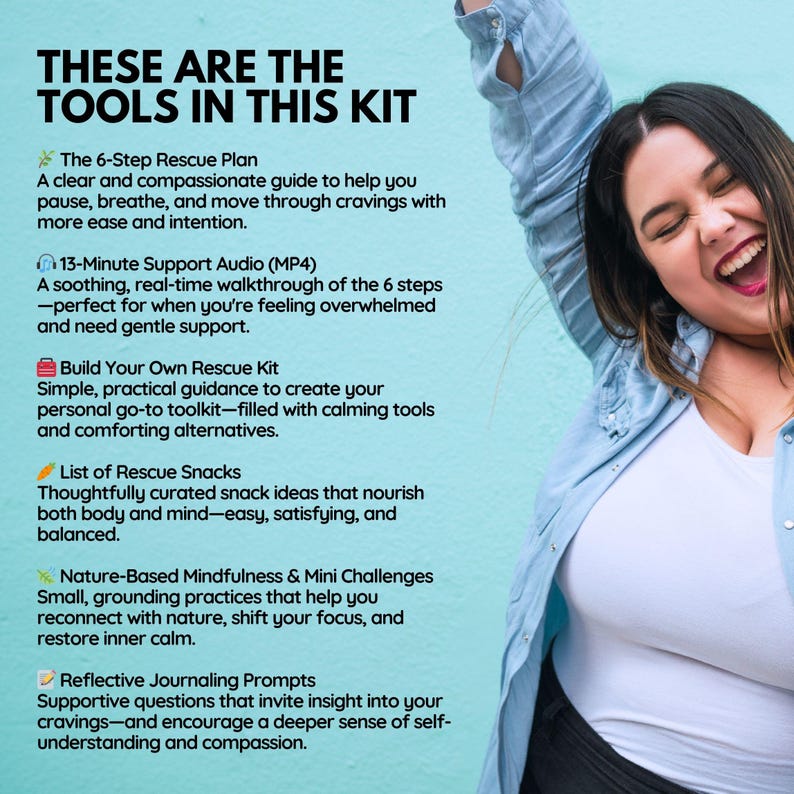
Mindfulness and self-compassion are essential tools in managing emotional eating. Practice mindfulness meditation, journaling, or yoga to help calm your mind and body when faced with emotional triggers. Be kind to yourself and acknowledge that it's okay to make mistakes – it's all part of the journey towards a healthier relationship with food.

3. Develop a Healthier Relationship with Food
Establishing a healthier relationship with food involves creating a balanced and sustainable eating plan that includes whole, nutrient-dense foods like fruits, vegetables, whole grains, lean proteins, and healthy fats. A balanced diet provides adequate nutrients to support your overall health, reducing the likelihood of emotional eating.
4. Engage in Regular Exercise
Regular exercise can help reduce stress and anxiety, making it easier to manage emotional eating. Choose activities you enjoy, and aim for at least 30 minutes of moderate-intensity exercise per day. Exercise also helps release endorphins, which can improve your mood and reduce cravings for unhealthy foods.
5. Seek Professional Help
If you're struggling with emotional eating, consider seeking professional help from a registered dietitian, therapist, or counselor. They can help you identify the underlying causes of your emotional eating and develop a personalized plan to overcome it.
Conclusion
Managing emotional eating with GLP-1 requires a comprehensive approach that involves understanding the science behind these medications, adopting healthy coping strategies, and practicing self-compassion. By recognizing emotional hunger, practicing mindfulness, developing a healthier relationship with food, engaging in regular exercise, and seeking professional help, you can build a more peaceful relationship with food and achieve a healthier body weight.
Additional Resources
- Find the best information about living a healthier life from the trusted medical team at Harvard Medical School.
- Learn more about glucagon-like peptide-1 (GLP-1) medications and their effects on emotional eating at WebMD.