Unlocking the Power of GLP-1 Agonist and Appetite Suppression: A Comprehensive Guide
Glucagon-like peptide 1 (GLP-1) agonist and appetite suppression have revolutionized the treatment of obesity and type 2 diabetes, offering a novel approach to managing weight and metabolic health. The complex interplay between GLP-1 signaling, appetite regulation, and metabolic pathways has sparked intense research, resulting in the development of effective medications that harness the therapeutic potential of GLP-1. In this article, we delve into the mechanisms underlying GLP-1 agonist and appetite suppression, exploring the latest advances in this rapidly evolving field.
GLP-1 Agonist: A Glimpse into the Mechanisms
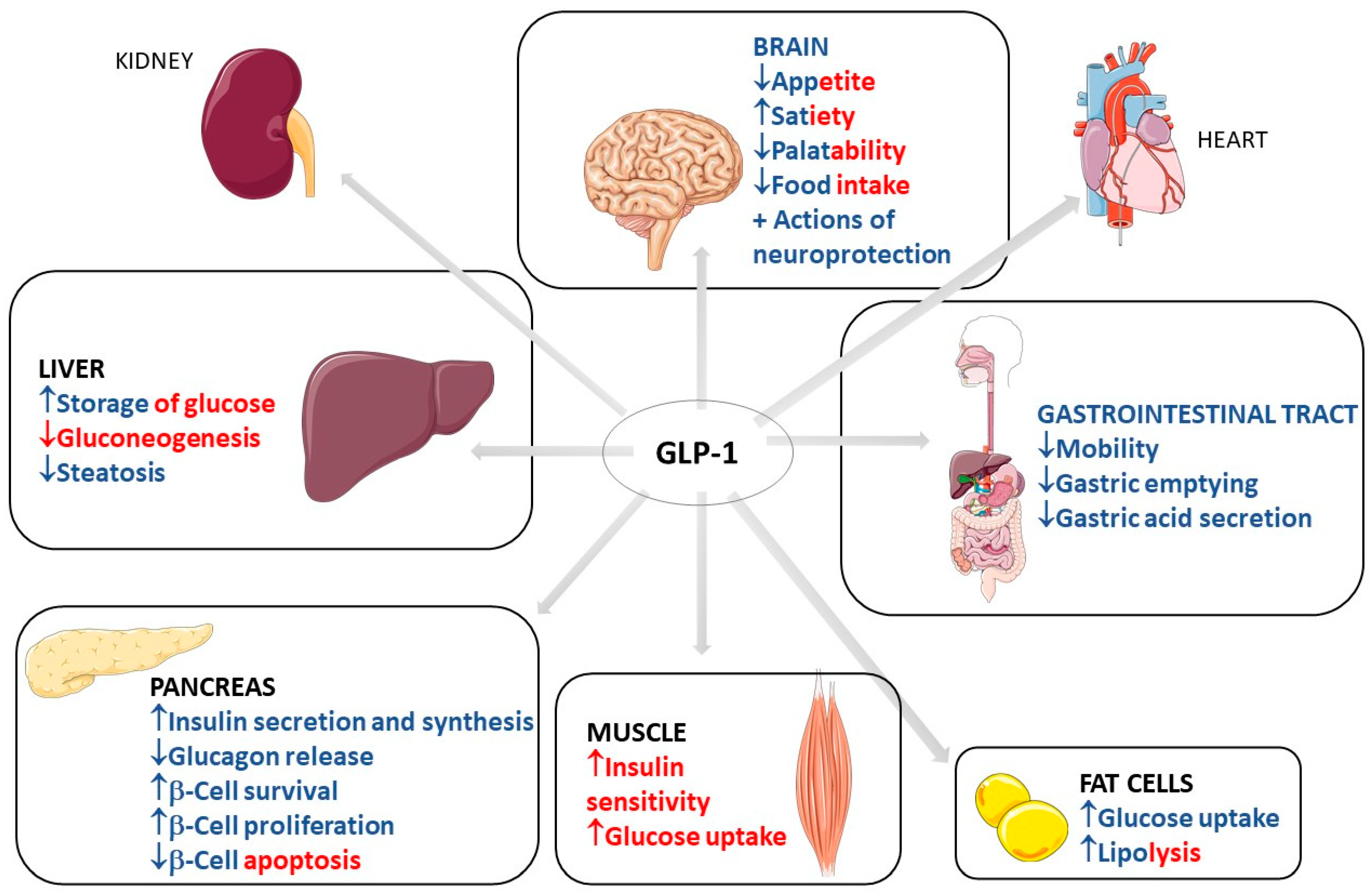
- GLP-1 is a gut hormone that regulates blood sugar levels, insulin sensitivity, and appetite control.
- The hormone is released in response to food and acts on receptors throughout the body, influencing glucose homeostasis and energy balance.
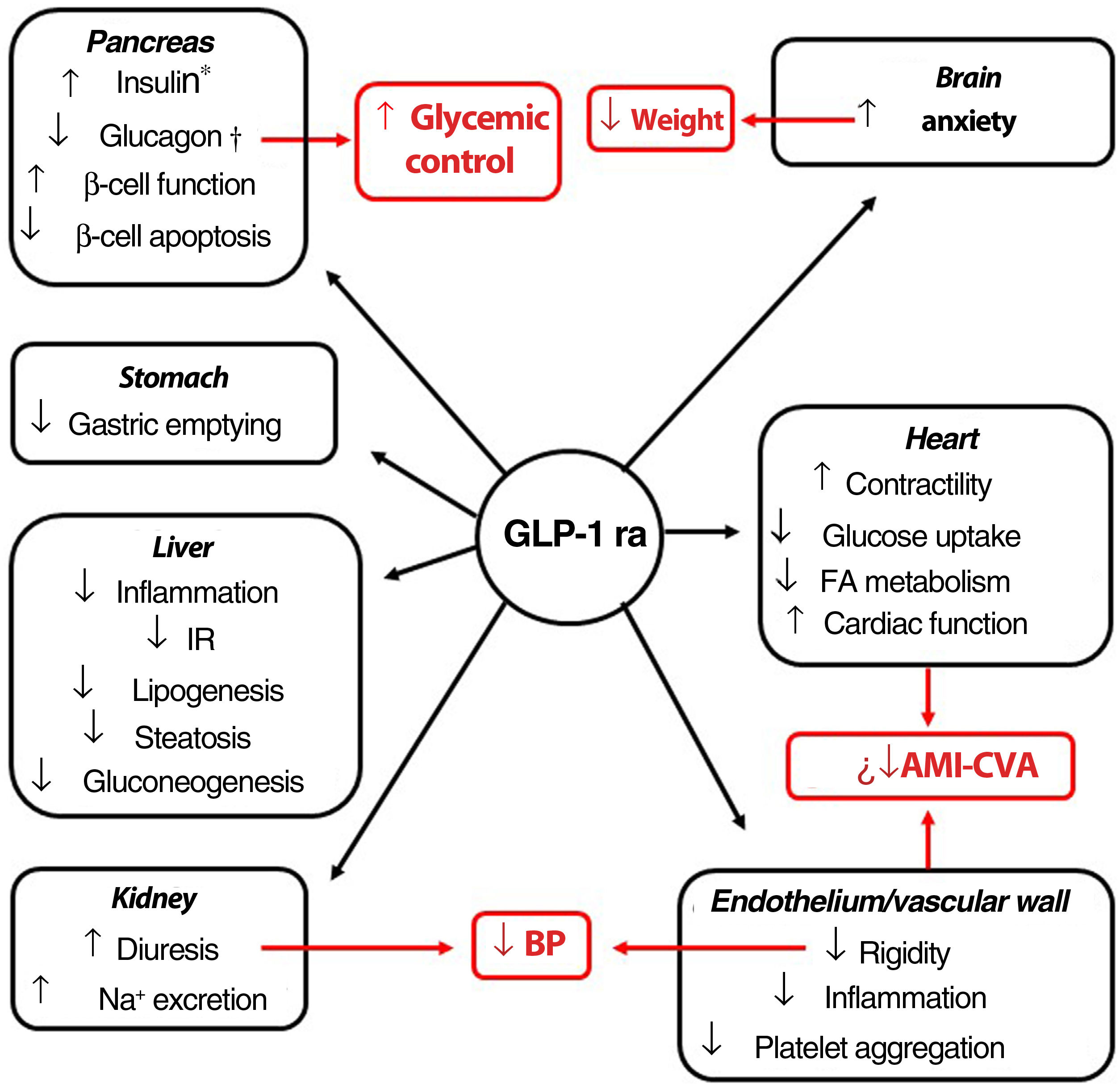
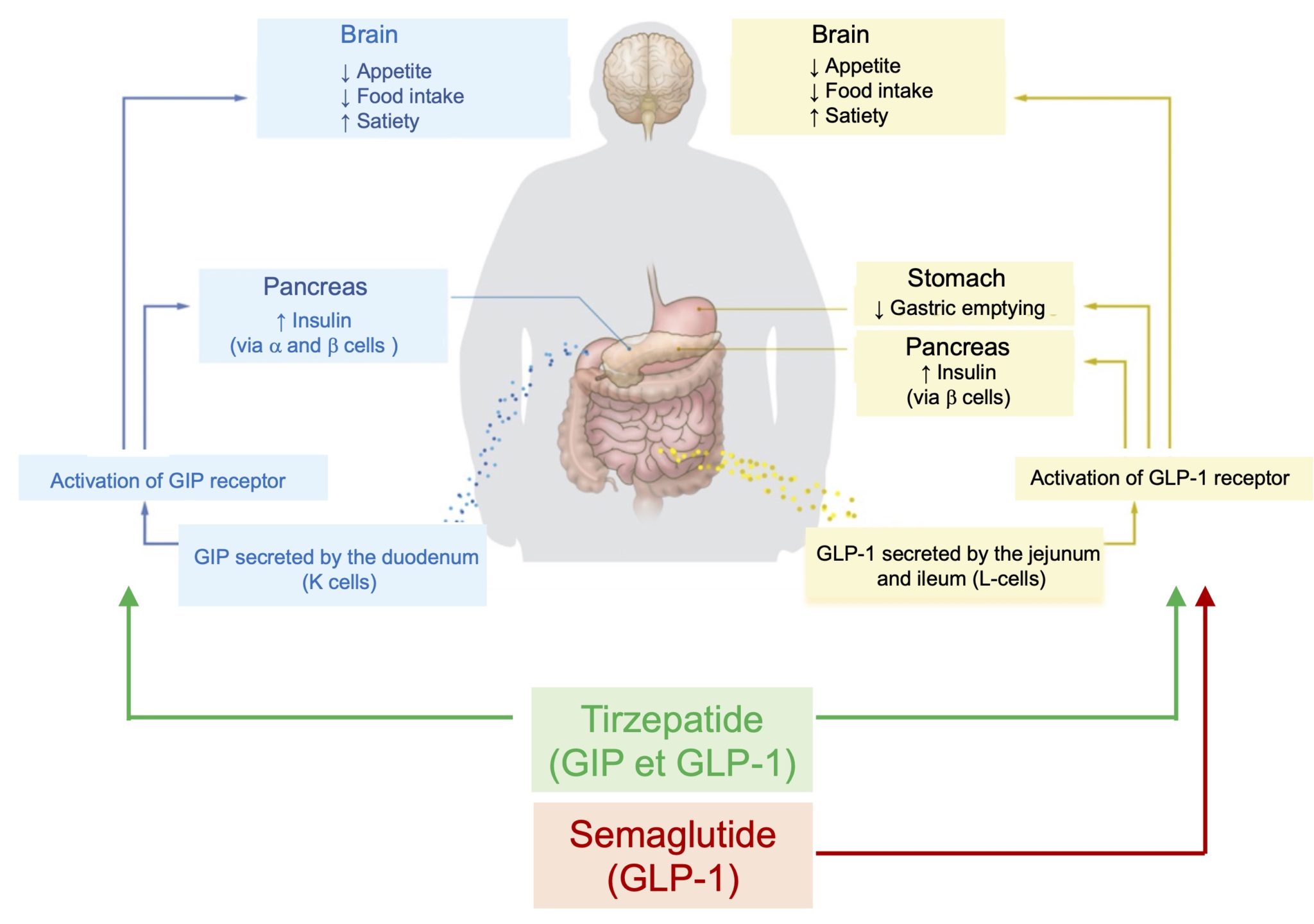
- GLP-1 agonist medications mimic the natural hormone, enhancing its effects on glucose-dependent insulin secretion, glucagon release, and delayed gastric emptying via vagal pathways.
These medications interact with GLP-1 receptors in the gut, brain, and pancreas, regulating appetite and metabolism to promote weight loss and improve metabolic health.
The Science of Appetite Suppression
Appetite suppression is a critical aspect of GLP-1 agonist therapy, as it helps individuals reduce their caloric intake and achieve significant weight loss. The mechanisms behind appetite suppression involve the activation of brain regions responsible for reward, satiety, and hunger.
- Research has shown that GLP-1 agonist medications decrease appetite by activating hypothalamic and brainstem receptors, leading to reduced hunger and increased feelings of satiety.
- These medications also regulate gut hormones, such as PYY and GLP-1, which play a crucial role in appetite suppression and weight management.
Clinical Applications and Future Directions
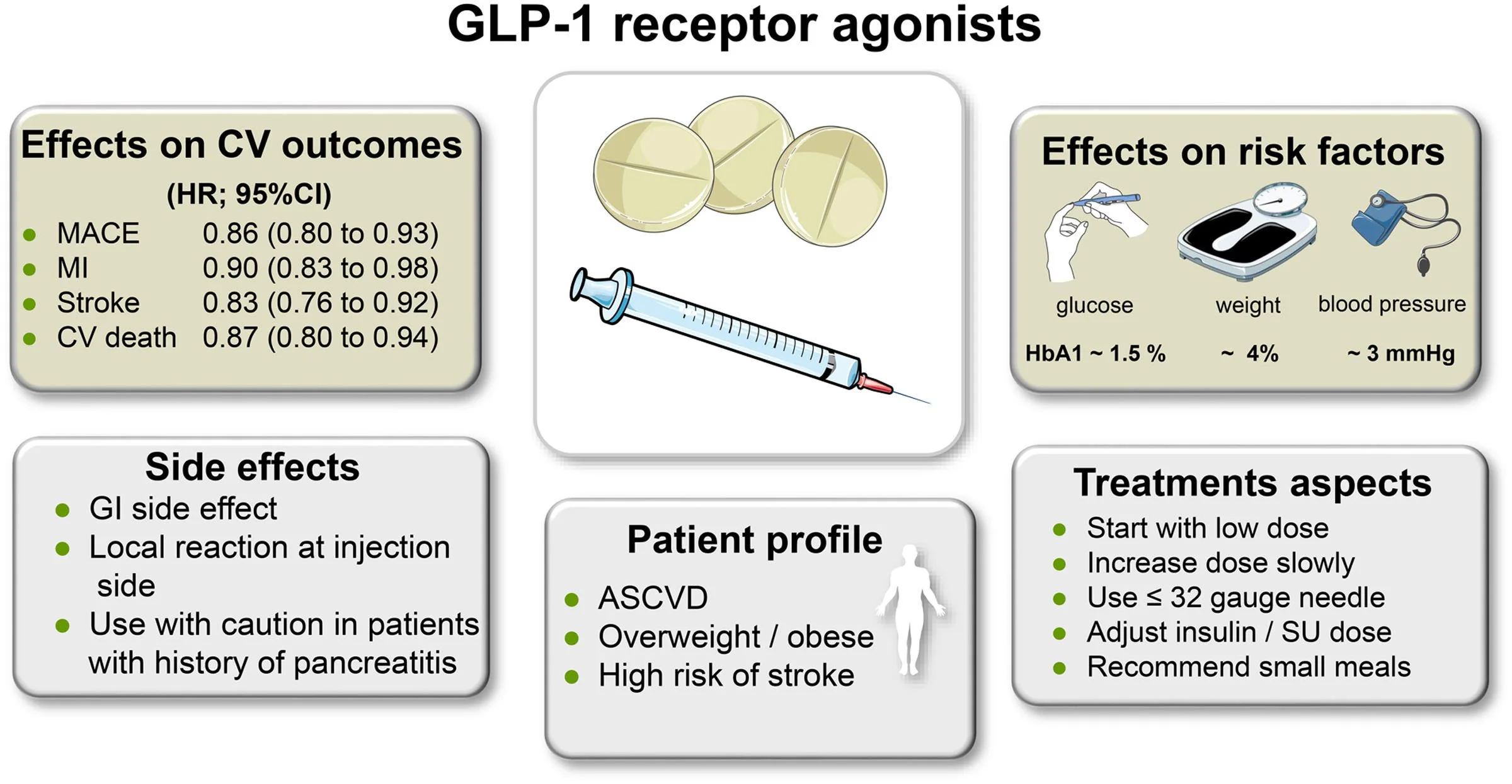
Clinical trials have demonstrated the efficacy of GLP-1 agonist medications in promoting weight loss and improving metabolic health. These medications have been shown to reduce body weight, waist circumference, and body mass index (BMI), as well as to improve glycemic control, lipid profiles, and cardiovascular risk factors.
- GLP-1 agonist medications have been approved for the treatment of obesity and type 2 diabetes, with some products also receiving label extensions for cardiovascular and kidney disease.
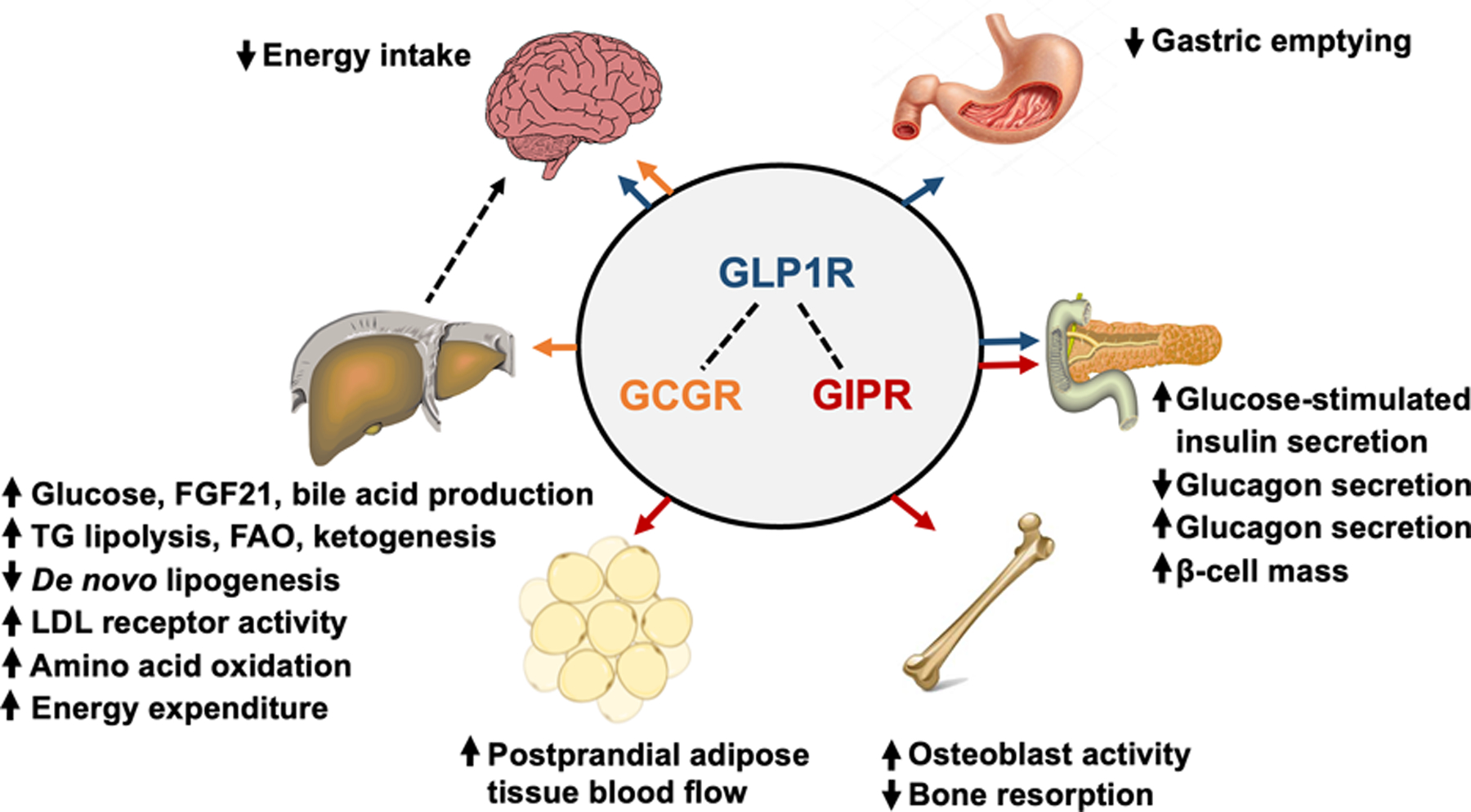
- The continued development of GLP-1 agonist medications has led to the creation of novel combinations and hybrid formulas, aiming to improve efficacy, safety, and tolerability.
- The exploration of GLP-1 agonist medications in other therapeutic areas, such as kidney disease, cardiovascular disease, and cancer, has also expanded the scope of their potential applications.
Prevention and Maintenance Strategies
Effective weight management and maintenance require a combination of behavioral changes, pharmacological therapies, and ongoing medical support. Critical considerations in the prevention and maintenance of weight loss include:
- High protein intake to preserve muscle mass and support overall health.
- Resistance training to enhance muscle strength and endurance.
- Regular nutritional monitoring to ensure adequate caloric intake and nutrient balance.
Challenges and Future Challenges
Despite the progress in GLP-1 agonist therapy, several challenges remain, including:
- Optimizing dosing regimens and pill burden to enhance patient compliance and adherence.
- Increased awareness of rare but serious adverse events associated with GLP-1 agonist therapy.
- Further research into the impact of GLP-1 agonist medications on mental health and cognitive function.
Conclusion
GLP-1 agonist and appetite suppression are revolutionizing the treatment of obesity and type 2 diabetes, offering a novel approach to managing weight and metabolic health. The continued development of GLP-1 agonist medications, coupled with ongoing research into their mechanisms and applications, holds great promise for improving the lives of individuals affected by these chronic diseases.