Introduction to Low E Windows
When it comes to improving your home's energy efficiency and overall comfort, replacing your windows is a great place to start. And if you're considering low E windows, you're making an excellent choice. But what exactly are low E windows, and how do they work? In this article, we'll delve into the benefits, types, and costs of low E windows, as well as the available options to ensure your windows and doors meet your climate's standards.What are Low E Windows?
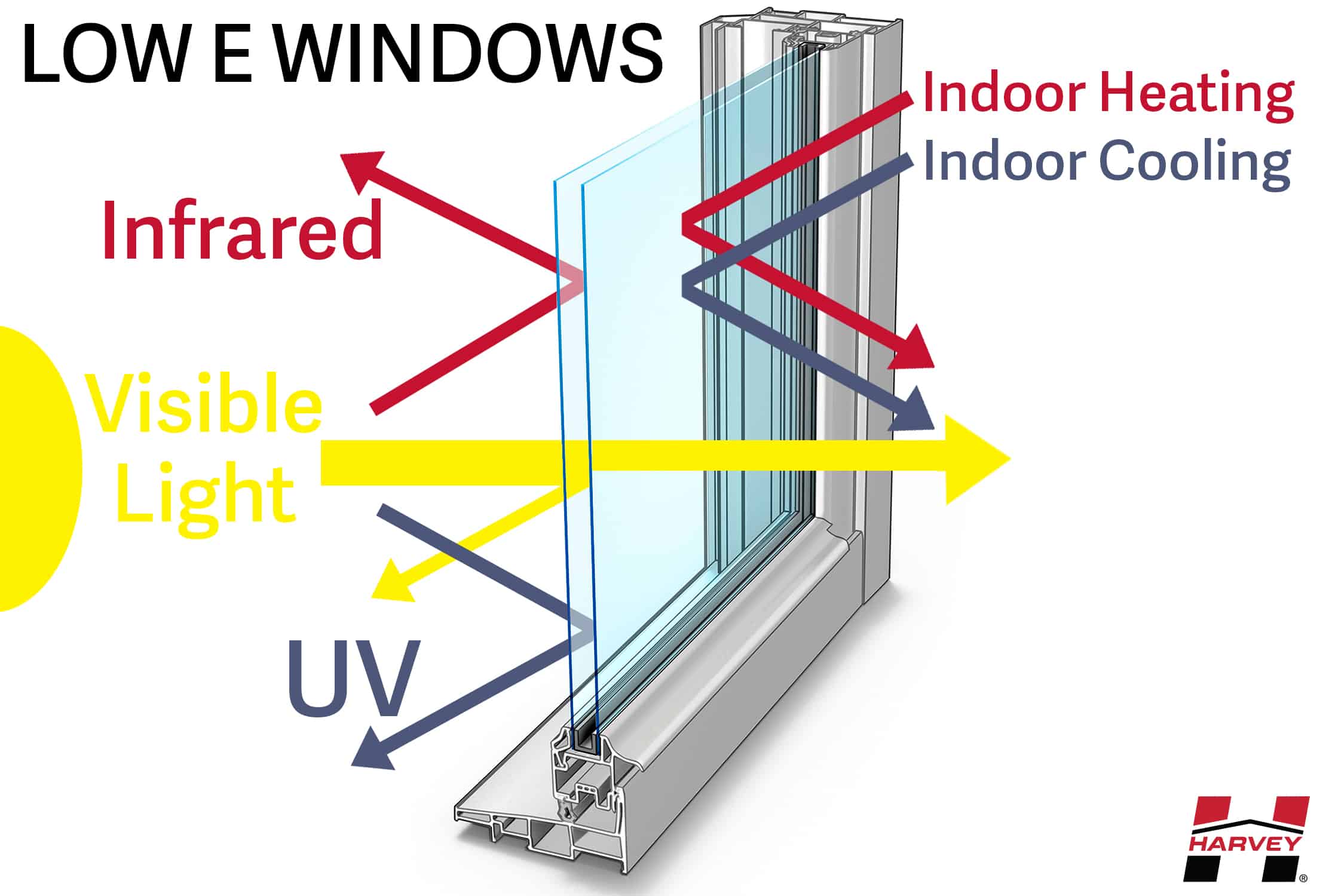
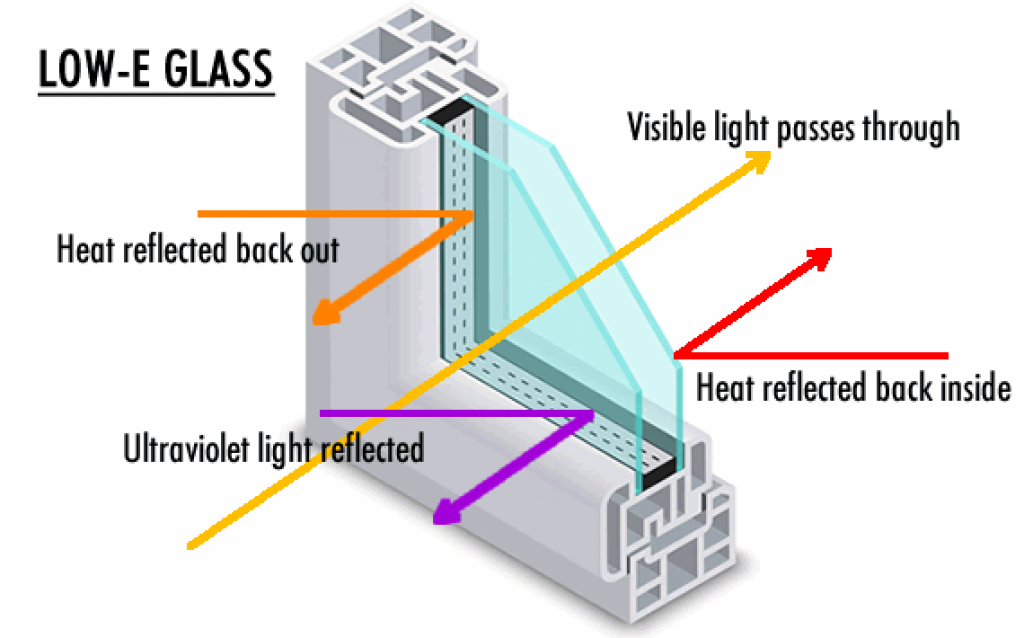
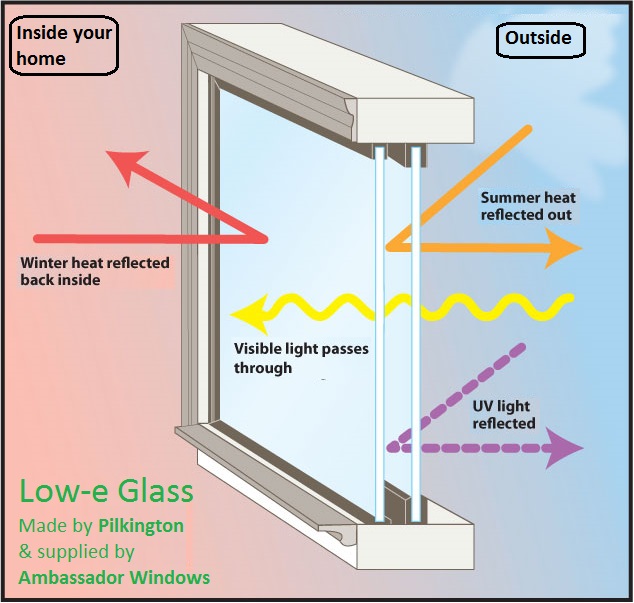
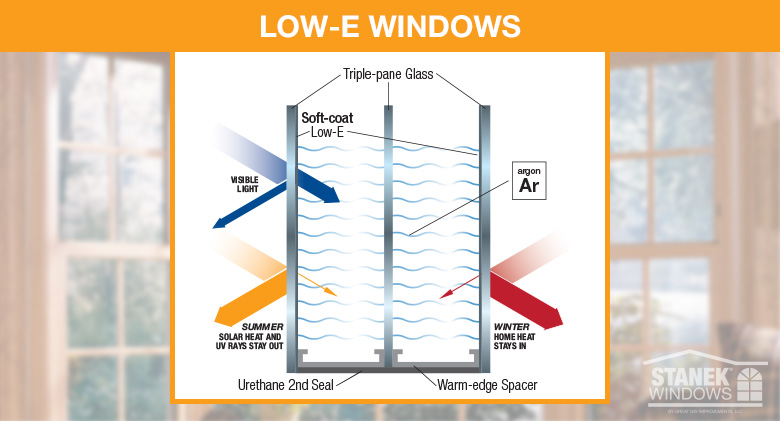
Low E windows, also known as low emissivity windows, are designed to reduce heat transfer and minimize energy loss. The term "low E" refers to the low emissivity coating, a thin metallic layer applied to the glass that reflects radiant heat rather than absorbing it. This allows for visible light to pass through while blocking infrared and UV light, keeping your home cooler in the summer and warmer in the winter.How Do Low E Windows Work?
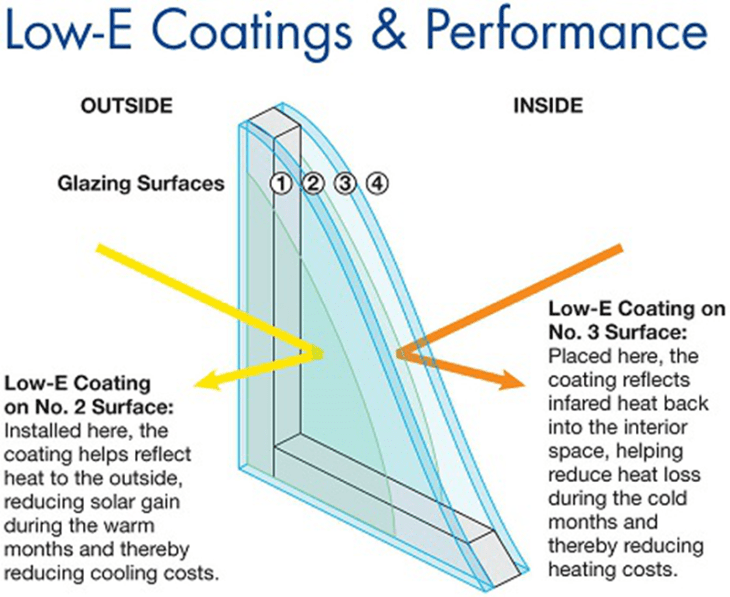
Low E windows work by using a special coating to reduce the amount of heat that enters your home. This coating is applied to one or more panes of glass and is designed to reflect radiant heat away from your home. The result is a reduction in heat transfer, which means your home will stay cooler in the summer and warmer in the winter, all while reducing your energy costs.Types of Low E Windows
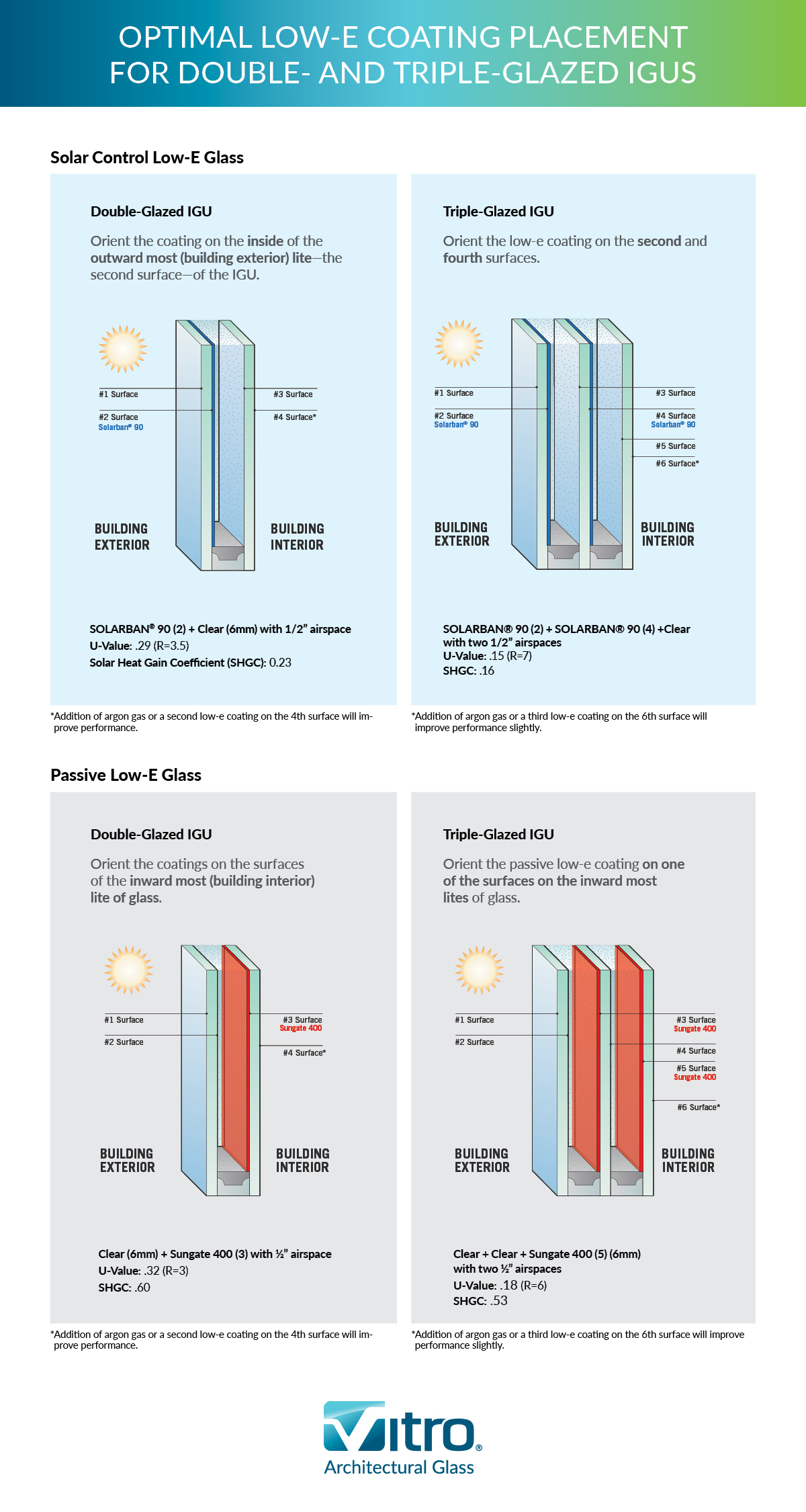
There are several types of low E windows available, each with its own unique benefits and price points. Some common types include: *- Passive Solar Low E: This type of low E window is designed to allow sunlight to enter your home, reducing the need for artificial lighting and heating.
- Solar Control Low E: This type of low E window is designed to reduce heat gain during the summer months and retain heat during the winter months.
- Low E Coatings: These are the most common type of low E window and are designed to minimize heat transfer.
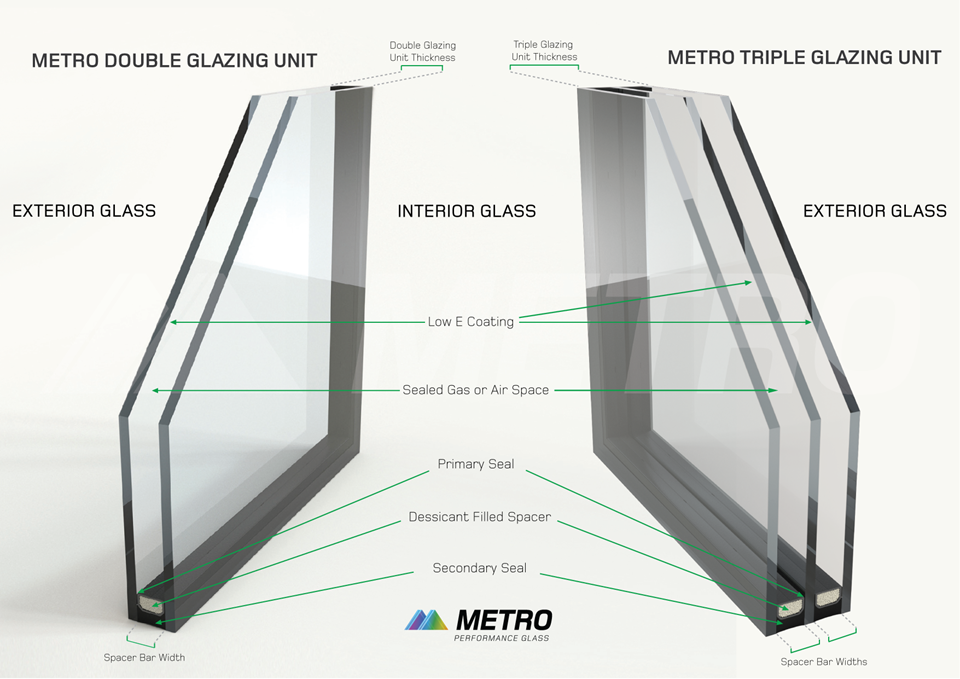
- Double Pane Low E: This type of low E window features two panes of glass with a gap in between, providing improved insulation and reduced energy loss.
- Triple Pane Low E: This type of low E window features three panes of glass with two gaps in between, providing even greater insulation and energy efficiency.
Benefits of Low E Windows
So why should you choose low E windows for your home? Here are just a few of the many benefits: * Reduced energy costs * Improved comfort * Increased property value * UV protection * Fading protectionCost of Low E Windows
So how much do low E windows cost? The price of low E windows can vary depending on the type and quality of the window, as well as the size and complexity of the installation. On average, low E windows can cost 10-15% more than regular windows. However, the long-term energy savings and increased property value can make up for the upfront cost.Options for Low E Windows
When it comes to choosing low E windows, there are many options available to suit your needs and budget. Some of the most common options include: *- DIY installation: If you're feeling handy, you can install your own low E windows. However, this can be a complex process and may require professional expertise.
- Professional installation: Hiring a professional to install your low E windows can be more expensive, but it ensures a high-quality installation and may be covered by a warranty.
- Energy-efficient window films: These are a budget-friendly solution that can be applied to existing windows, improving energy efficiency and reducing heat transfer.