Incretin Effect GLP-1 Therapy: A Revolutionary Approach to Managing Type 2 Diabetes
Glucagon-like peptide-1 (GLP-1) receptor agonists have been a game-changer in the treatment of type 2 diabetes, offering a unique combination of glycemic control, weight reduction, and a low risk of hypoglycemia. In this article, we'll delve into the intricacies of the incretin effect and GLP-1 therapy, exploring its mechanisms, benefits, and potential side effects.
The Incretin Effect: A Key to Understanding GLP-1 Therapy
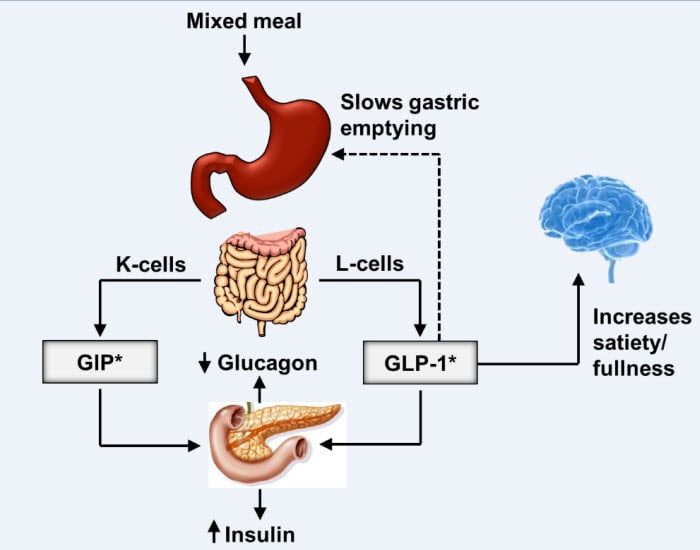
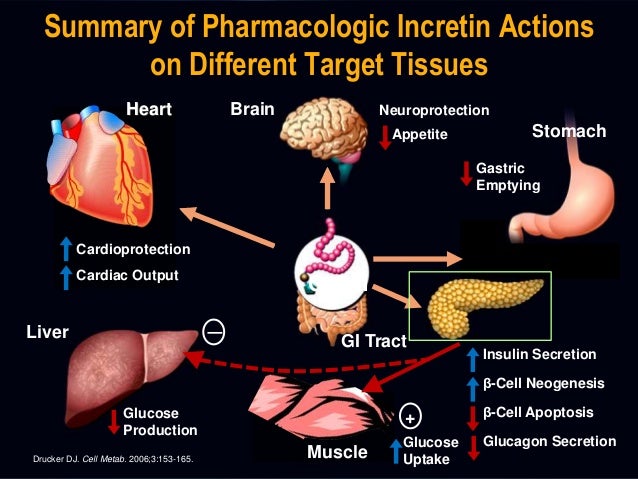
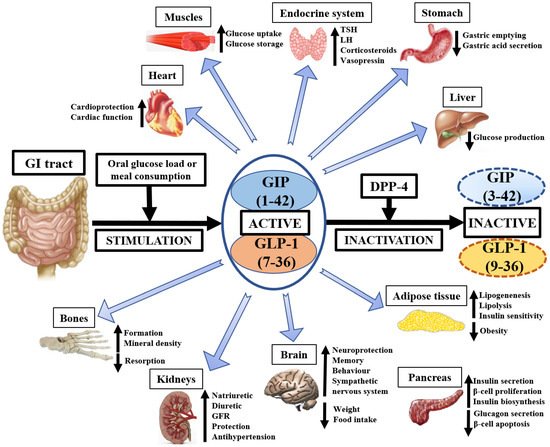
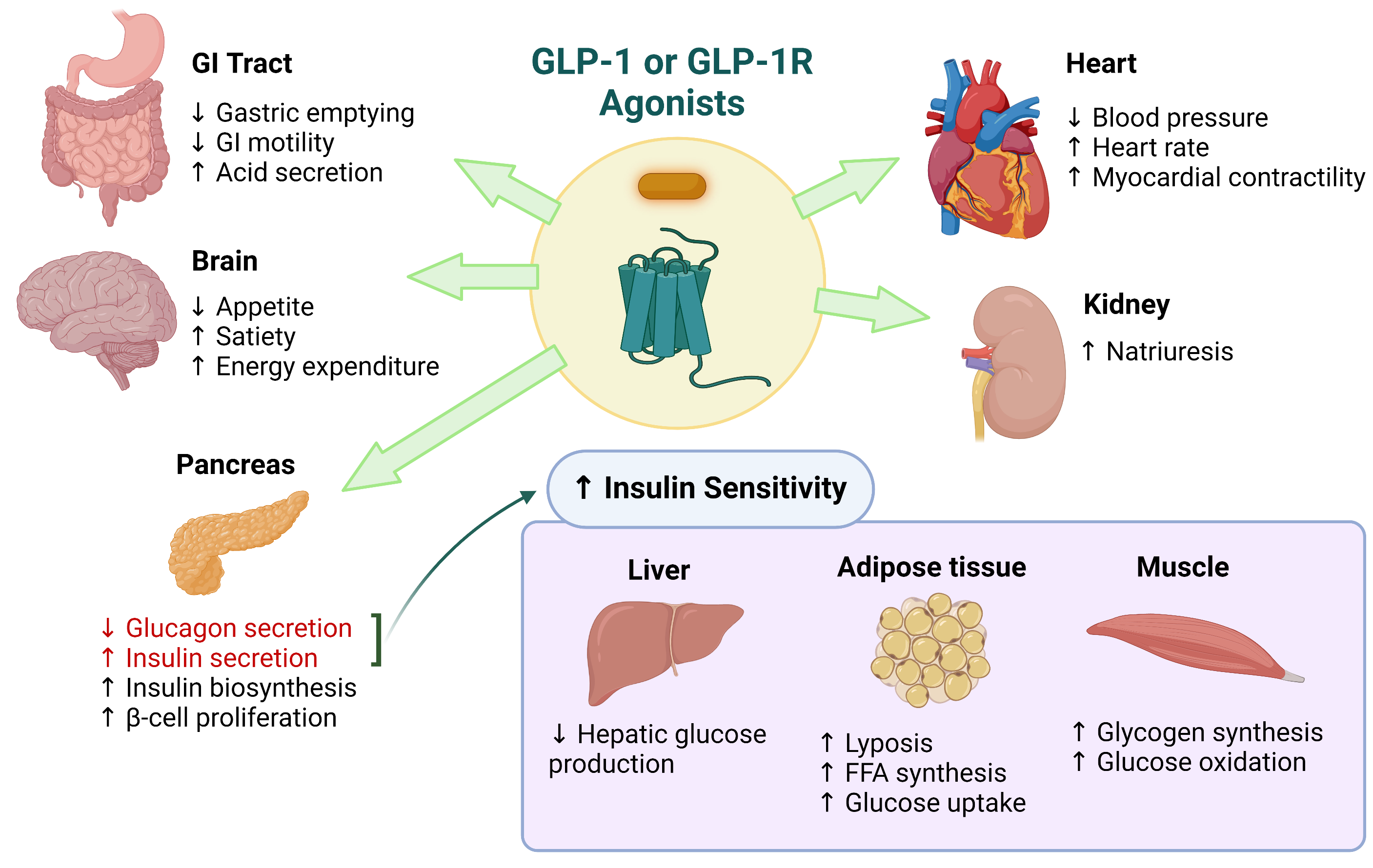
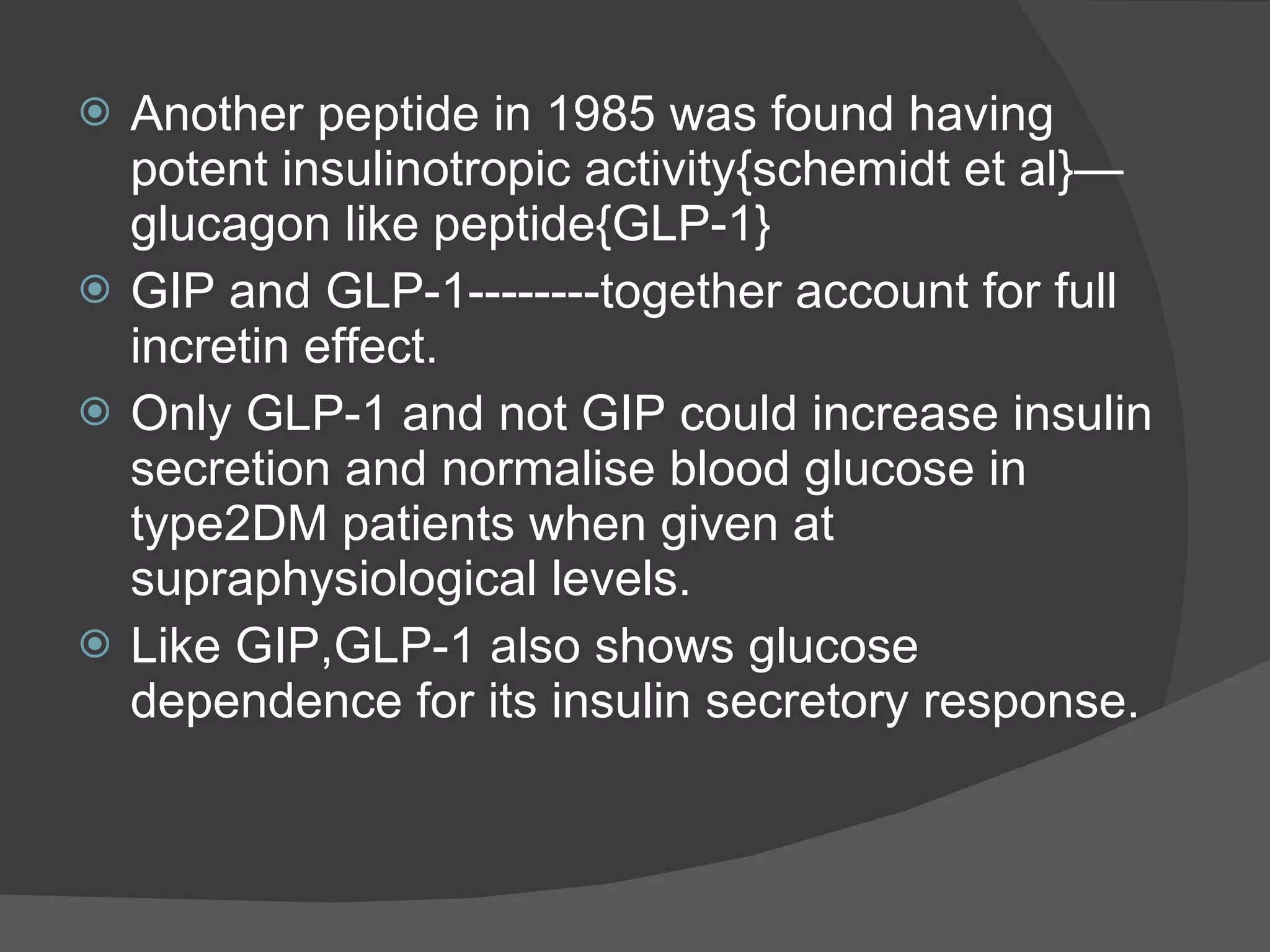
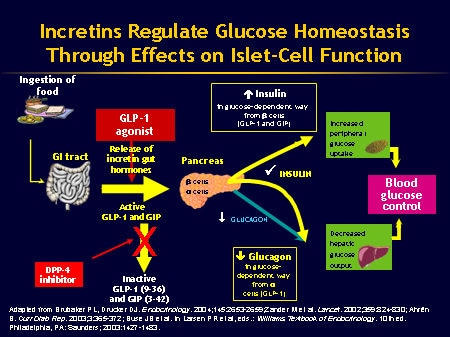
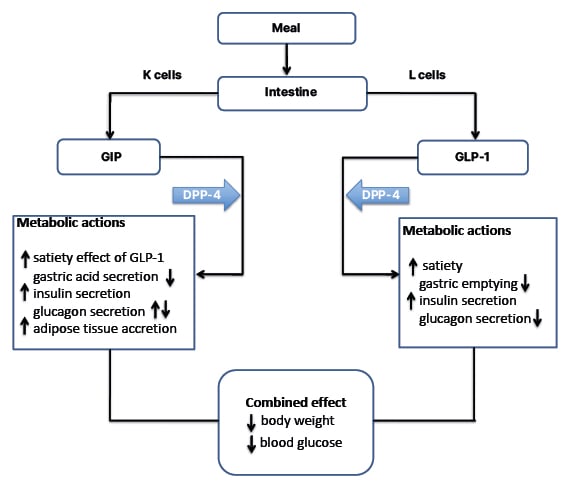
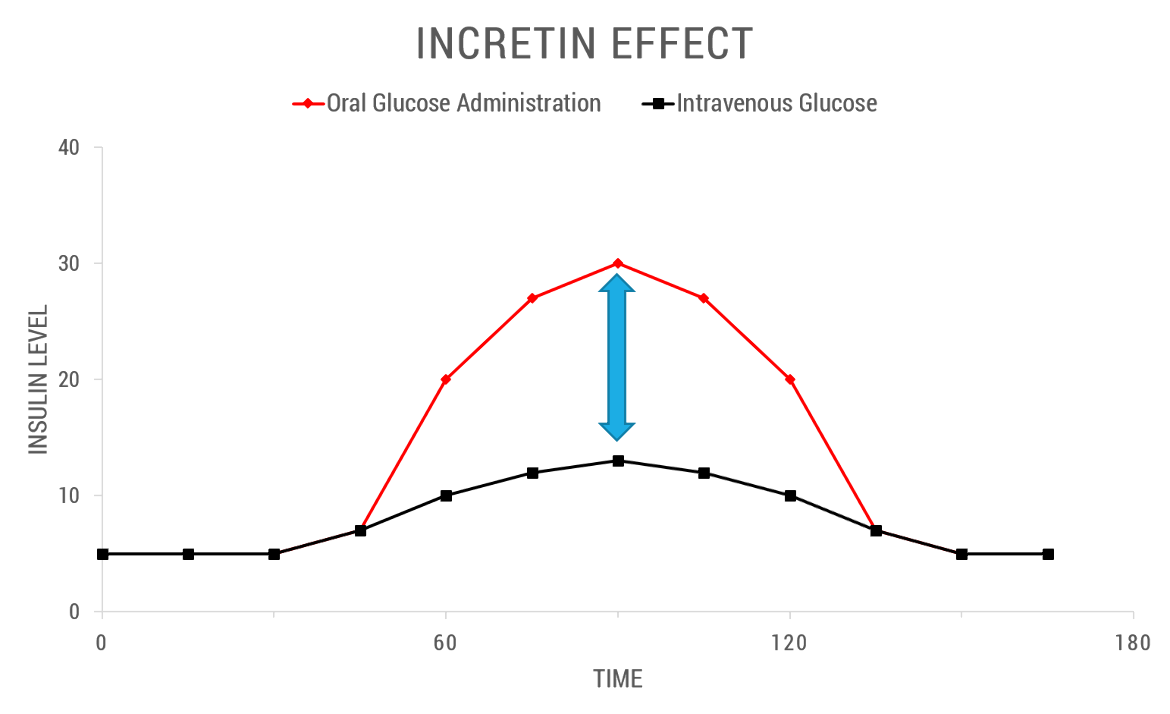
The incretin effect refers to the augmented insulin secretion in response to nutrient intake, which is partly attributed to the release of intestinal hormones such as GLP-1. GLP-1 plays a crucial role in regulating blood sugar levels by stimulating insulin release, inhibiting glucagon secretion, and slowing gastric emptying. In type 2 diabetes, the incretin effect is impaired, leading to inadequate insulin secretion and hyperglycemia.
How GLP-1 Receptor Agonists Work
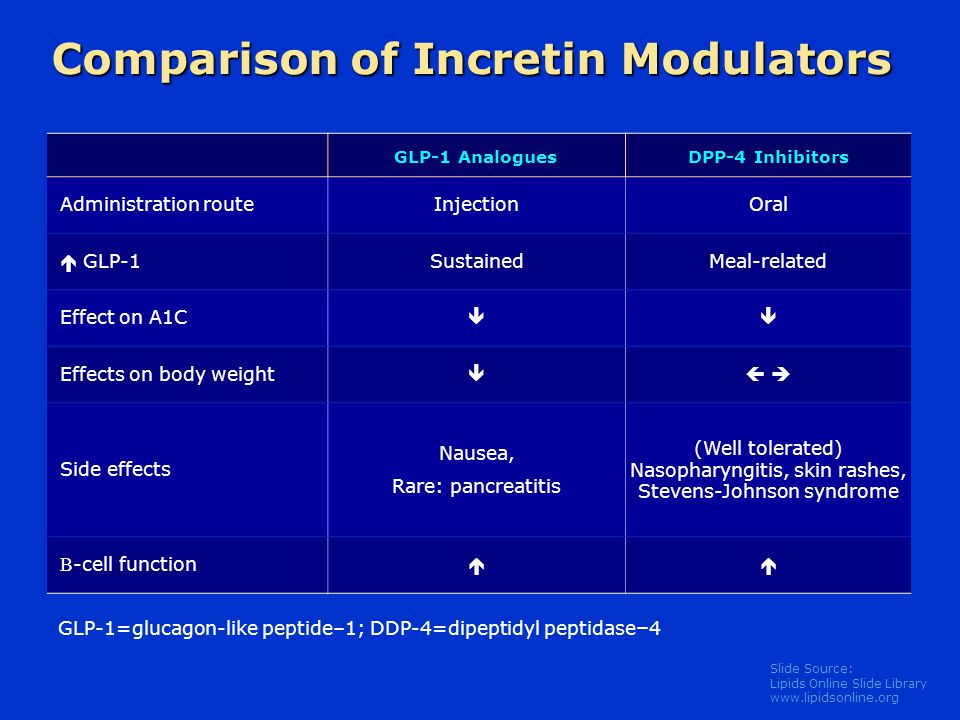
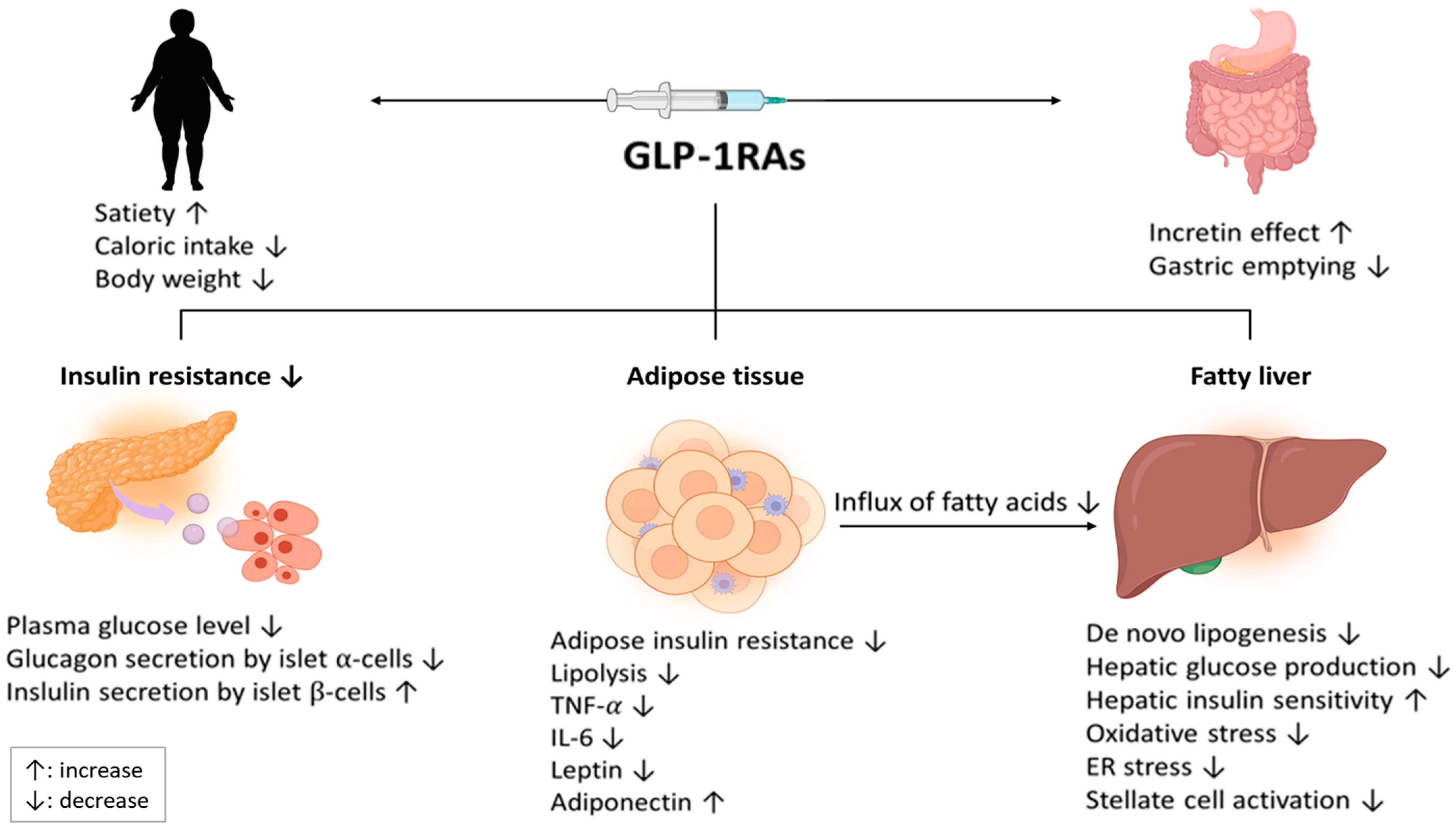
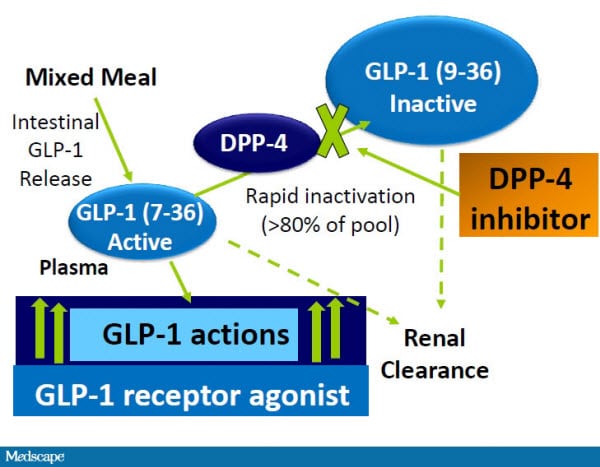
GLP-1 receptor agonists, such as exenatide and liraglutide, mimic the actions of endogenous GLP-1 by binding to its receptor on pancreatic β-cells. This binding stimulates insulin release, suppresses glucagon secretion, and slows gastric emptying, resulting in improved glycemic control and weight reduction. GLP-1 agonists also have a low risk of causing hypoglycemia, making them an attractive option for patients with type 2 diabetes.
Benefits of GLP-1 Therapy
- Improved glycemic control: GLP-1 agonists have been shown to reduce HbA1c levels and improve fasting plasma glucose levels.
- Weight reduction: GLP-1 agonists can lead to significant weight loss, often exceeding 5% of initial body weight.
- Low risk of hypoglycemia: GLP-1 agonists have a low risk of causing hypoglycemia, making them a safer option for patients with type 2 diabetes.
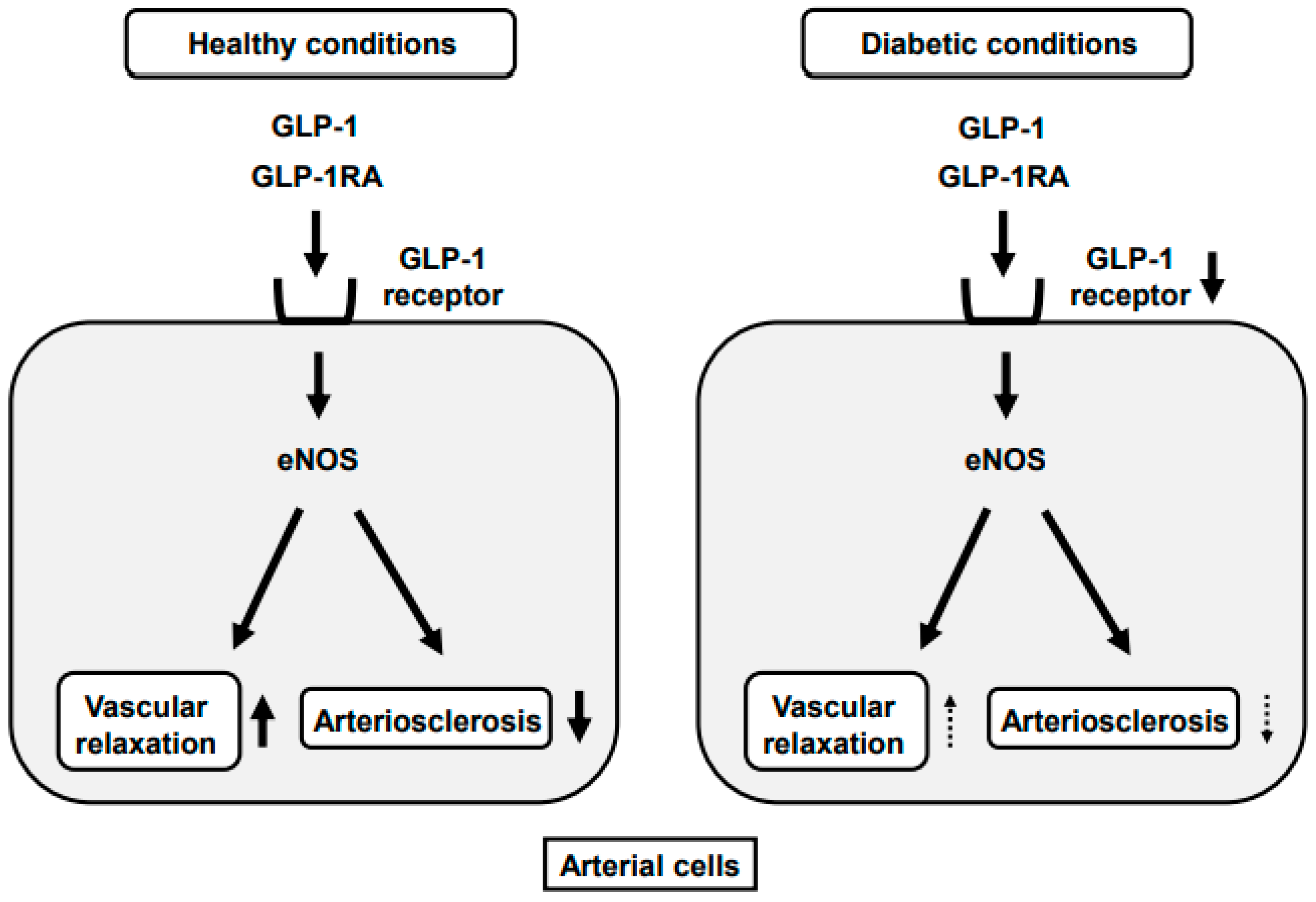
- Cardiovascular benefits: Some GLP-1 agonists, such as semaglutide, have been shown to reduce major adverse cardiovascular events (MACE) and cardiovascular mortality.
Potential Side Effects of GLP-1 Therapy
- Nausea and vomiting: GLP-1 agonists can cause nausea and vomiting, especially during the initial treatment period.
- Diarrhea: GLP-1 agonists can lead to diarrhea, which may be a result of slowed gastric emptying.
- Injection site reactions: Some patients may experience injection site reactions, such as redness, swelling, or itching.
- Increased risk of pancreatitis: GLP-1 agonists have been associated with an increased risk of pancreatitis, although the exact mechanism is unclear.

Conclusion
GLP-1 therapy represents a significant advancement in the treatment of type 2 diabetes, offering a unique combination of glycemic control, weight reduction, and a low risk of hypoglycemia. While GLP-1 agonists have a favorable safety profile, potential side effects such as nausea, diarrhea, and injection site reactions should be monitored. As research continues to uncover the intricacies of the incretin effect and GLP-1 therapy, we can expect even more innovative treatments to emerge, revolutionizing the management of type 2 diabetes.
Future Directions
With the increasing understanding of the incretin effect and GLP-1 therapy, researchers are exploring new avenues for treatment, including:
- Dual GLP-1 and GIP agonists: These agents target both GLP-1 and glucose-dependent insulinotropic polypeptide (GIP) receptors, potentially offering enhanced glycemic control and weight reduction.
- Triple GLP-1, GIP, and glucagon agonists: These agents simultaneously target GLP-1, GIP, and glucagon receptors, which may lead to improved energy expenditure and glycemic control.
- Oral GLP-1 agonists: Researchers are working on developing oral GLP-1 agonists, which could potentially offer a more convenient treatment option for patients.
References
This article is based on the following sources:
- Ignatova E, et al. (2020). GLP-1 receptor agonists: A review of their mechanism of action, efficacy, and safety. Diabetes, Metabolic Syndrome and Obesity: Targets and Therapy, 13, 2727–2742.
- Drucker DJ, et al. (2020). GLP-1 receptor agonists: A review of their clinical efficacy and safety in type 2 diabetes. Diabetes, Obesity and Metabolism, 22(3), 553–565.
- Nauck MA, et al. (2020). GLP-1 receptor agonists: A review of their pharmacology, pharmacokinetics, and clinical use. Diabetes, Metabolic Syndrome and Obesity: Targets and Therapy, 13, 2711–2726.