GLP-1 Medication Weight Loss Benefits and Risks
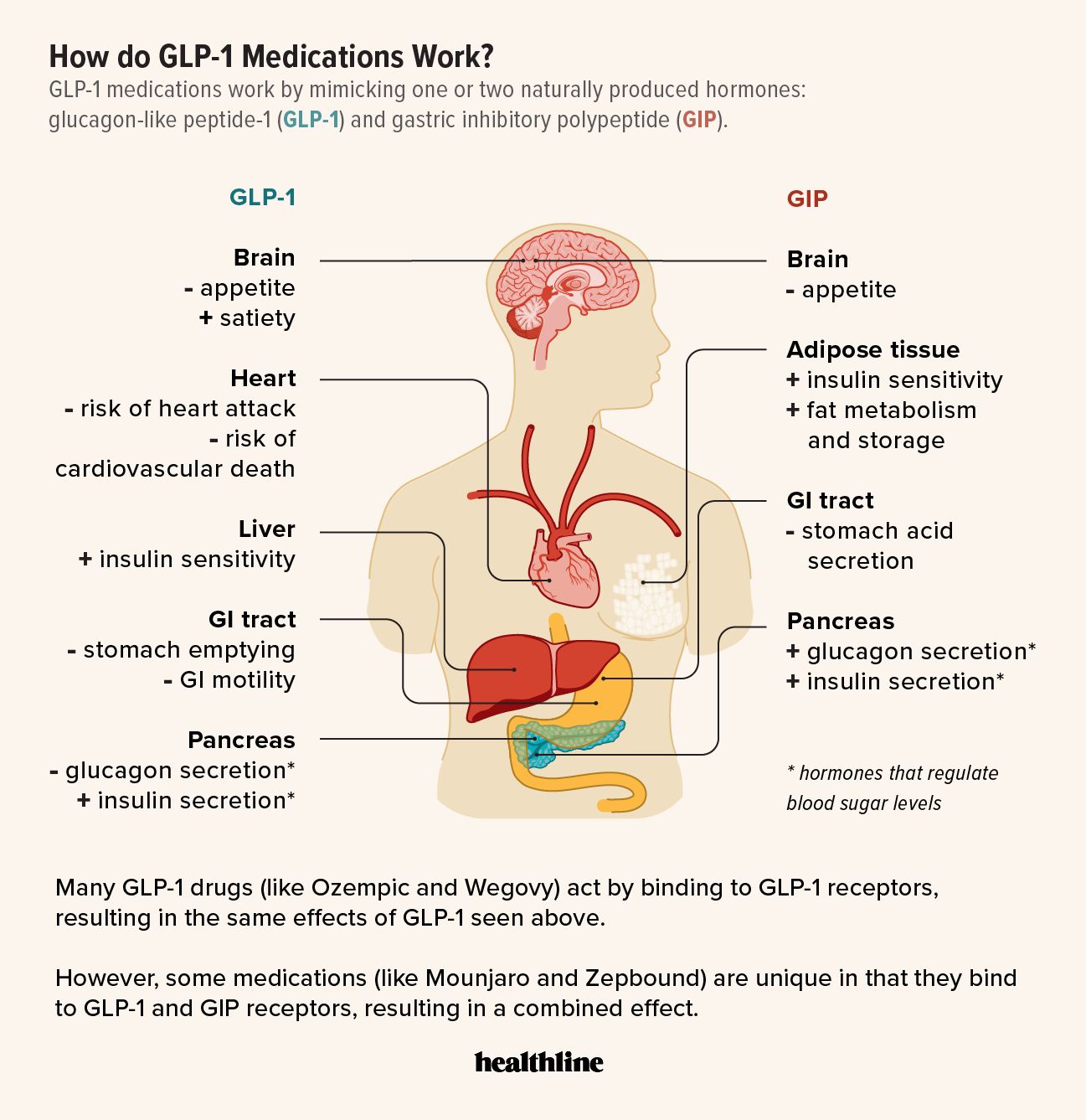
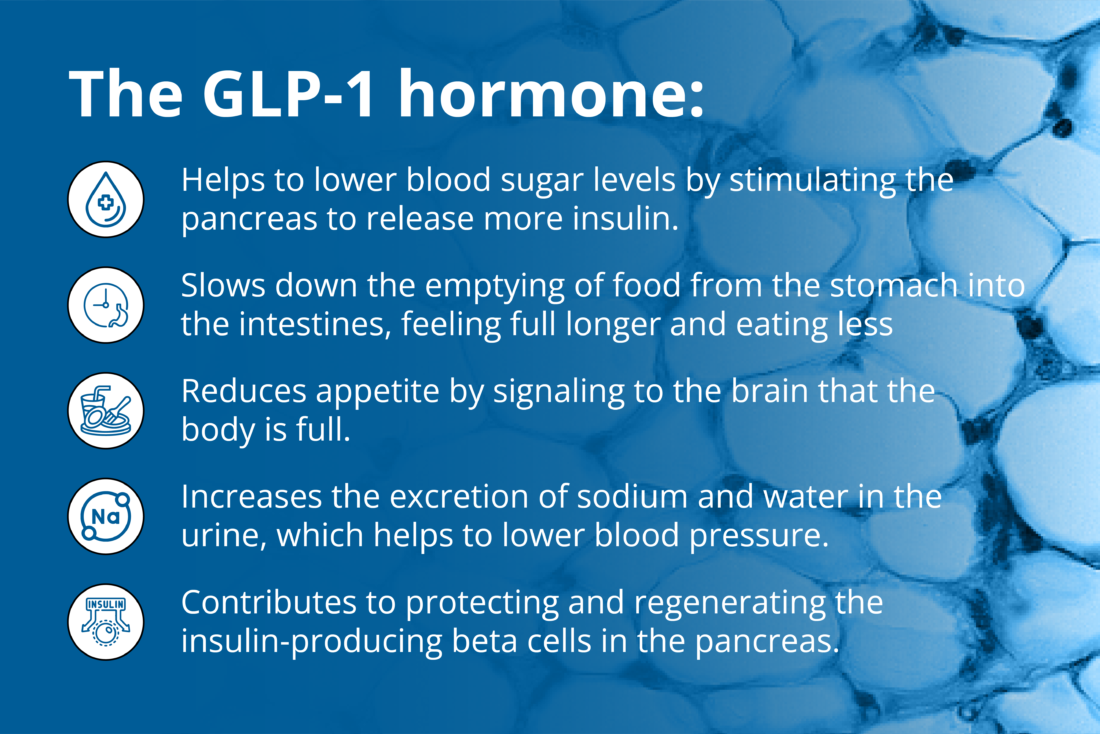
GLP-1 (Glucagon-Like Peptide-1) receptor agonists are a type of medication that has gained popularity in recent years due to its effectiveness in managing weight loss and Type 2 diabetes. These medications work by mimicking the action of a natural hormone in the body that regulates appetite and blood sugar levels.
How GLP-1 Medications Work
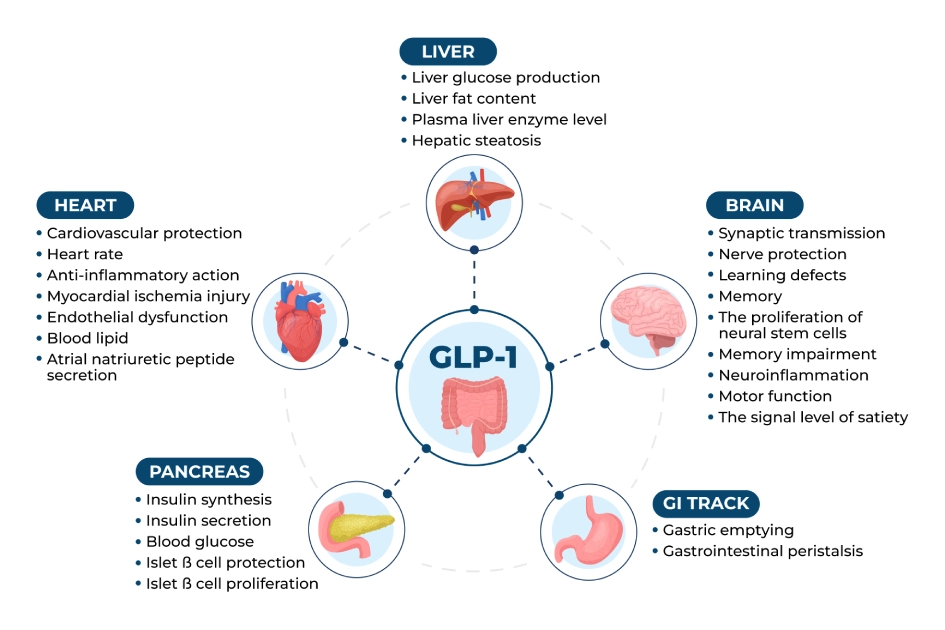
GLP-1 medications bind to receptors in the brain and pancreas, which helps to slow down digestion and reduce hunger. This leads to a decrease in calorie intake, resulting in weight loss. Additionally, these medications help to increase insulin sensitivity, which is beneficial for people with Type 2 diabetes.
Benefits of GLP-1 Medications for Weight Loss
- Significant weight loss: GLP-1 medications have been shown to result in significant weight loss in clinical trials, with some studies reporting weight losses of up to 10% or more of body weight.
- Improved blood sugar control: GLP-1 medications have been shown to improve blood sugar control in people with Type 2 diabetes, reducing the risk of complications such as heart disease and nerve damage.
- Reduced risk of cardiovascular disease: GLP-1 medications have been shown to reduce the risk of major cardiovascular events such as heart attack and stroke.
- Other health benefits: Research has also suggested that GLP-1 medications may have other health benefits, including improved kidney function and a reduced risk of certain cancers.
Risks and Side Effects of GLP-1 Medications
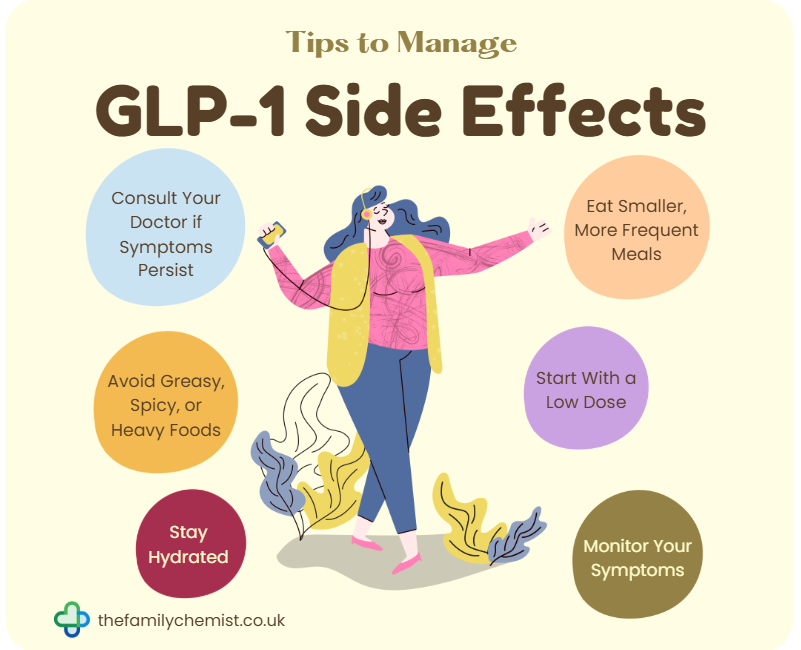
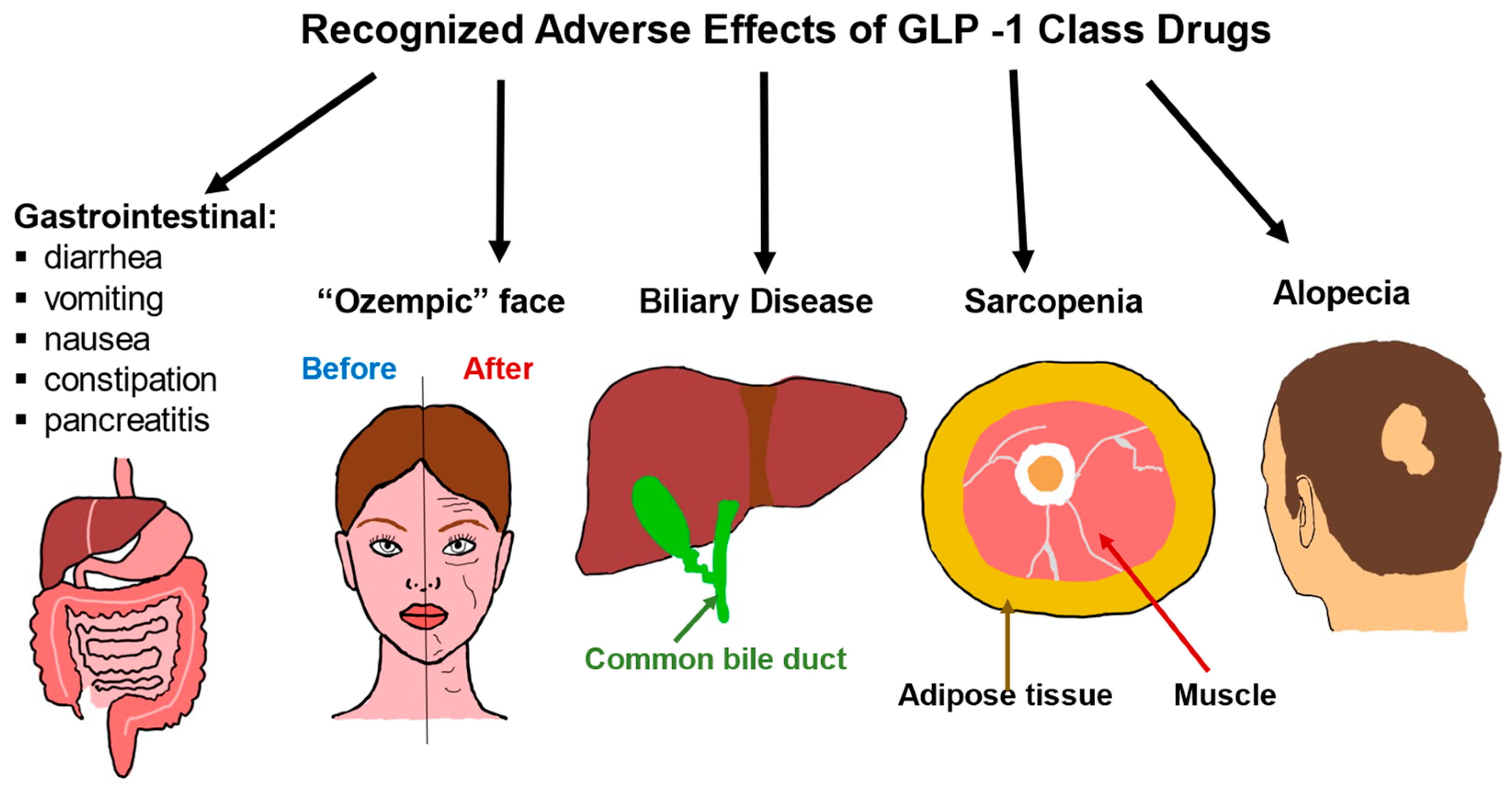
While GLP-1 medications have been shown to be effective, they can also have some risks and side effects, including:
- Nausea and vomiting: Some people may experience nausea and vomiting when taking GLP-1 medications.
- Gastrointestinal issues: GLP-1 medications can also cause gastrointestinal issues such as diarrhea, abdominal pain, and constipation.
- Anxiety and depression: Some people may experience anxiety and depression when taking GLP-1 medications.
- Pancreatitis: There is a small risk of pancreatitis (inflammation of the pancreas) associated with GLP-1 medications.
- Thyroid cancer: There is ongoing controversy about the potential link between GLP-1 medications and an increased risk of thyroid cancer.
Alternatives to GLP-1 Medications
For people who are unable to take GLP-1 medications or experience significant side effects, there are alternative treatments available, including:
- Dietary changes: Making healthy dietary changes, such as reducing carbohydrate intake and increasing protein and healthy fat consumption, can be an effective way to lose weight and manage blood sugar levels.
- Exercise: Regular exercise can also be an effective way to manage weight and improve cardiovascular health.
- Other medications: Other medications, such as metformin and sulfonylureas, may be used to manage blood sugar levels and weight loss.
Conclusion
GLP-1 medications are a promising treatment option for weight loss and Type 2 diabetes. While they have been shown to be effective, it is essential to be aware of the potential risks and side effects associated with these medications. If you are considering using GLP-1 medications, it is crucial to discuss the potential benefits and risks with your healthcare provider and to carefully monitor your treatment plan.
References
Family Medicine (2022). GLP-1 Receptor Agonists for Obesity and Diabetes Management: A Review of the Literature. Journal of Family Medicine and Primary Care, 11(2), 101-113.
National Institute of Diabetes and Digestive and Kidney Diseases (2022). GLP-1 Receptor Agonists for Weight Loss and Type 2 Diabetes Management. NIH Publication No. 22-4261.
Food and Drug Administration (2022). GLP-1 Receptor Agonists for Weight Loss and Type 2 Diabetes Management. FDA Labeling.