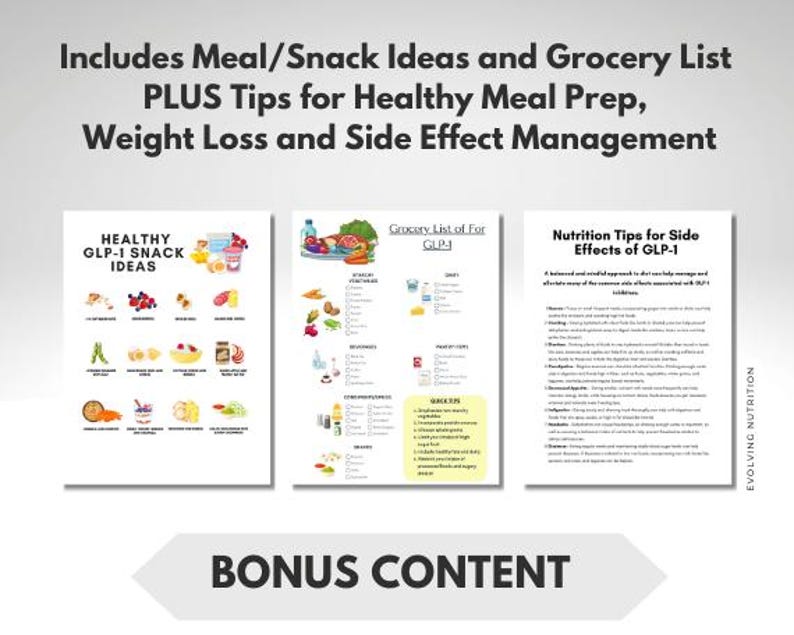
The GLP-1 Diet for Obesity: A Comprehensive Guide
Understanding the GLP-1 Medication Class
Glucagon-like peptide-1 receptor agonists, collectively referred to as GLP-1s, have revolutionized the treatment landscape for obesity. These medications work by mimicking the action of a natural hormone in the body, which helps regulate blood sugar levels and reduces hunger. However, real-world challenges and limited clinician and public knowledge on the topic have led to a need for a comprehensive guide on the GLP-1 diet for obesity.The Benefits of the GLP-1 Diet
The GLP-1 diet is designed to complement the medication by optimizing weight loss, blood sugar control, and overall health. By focusing on whole foods, such as fruits, vegetables, healthy fats, and whole grains, individuals can maximize the effectiveness of their GLP-1 medication. The diet also helps to minimize gastrointestinal side effects common with GLP-1 medications, such as nausea and constipation.Key Nutritional Priorities for the GLP-1 Diet
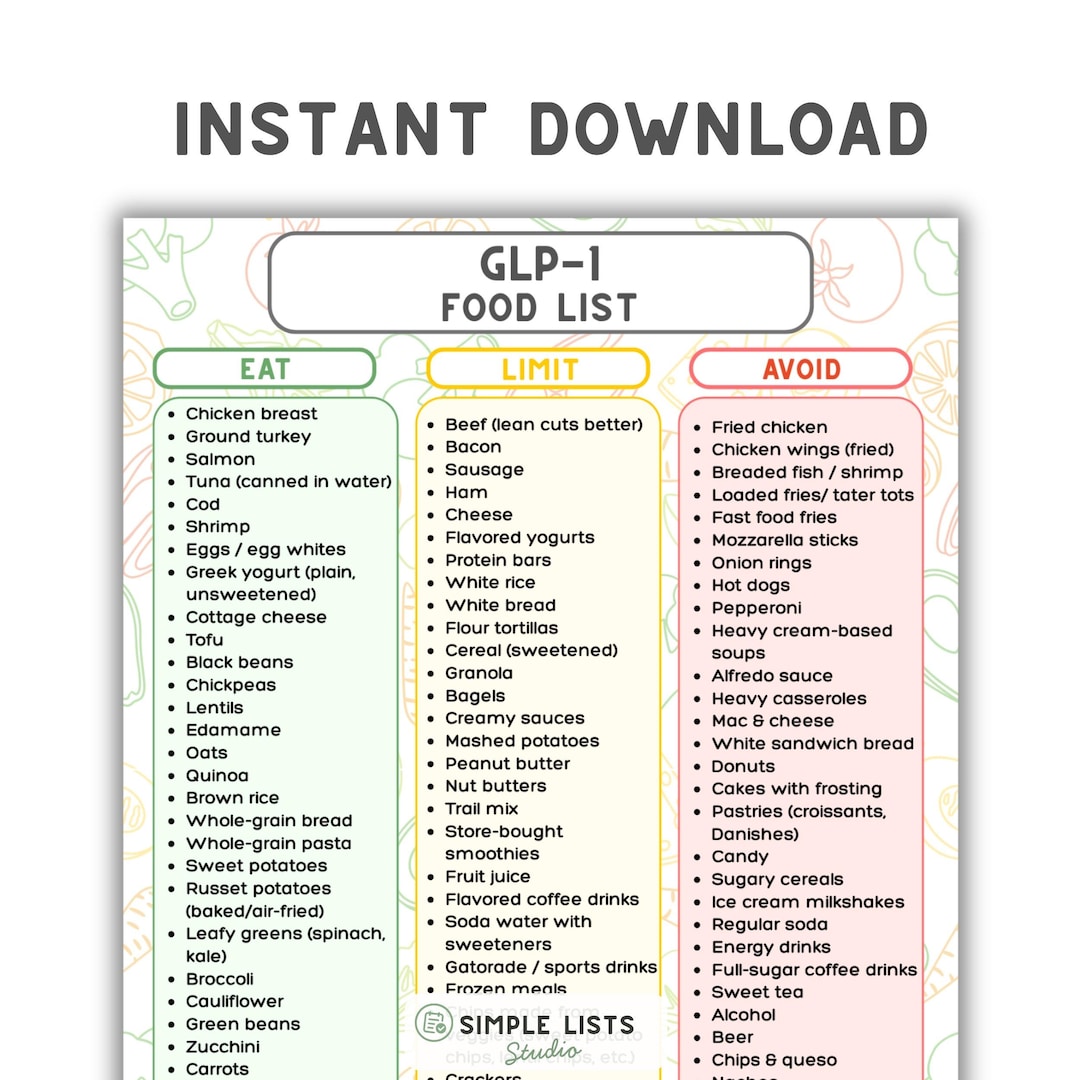
Developing the right eating habits is crucial for individuals using GLP-1 medications for obesity treatment. Some key nutritional priorities include:- Focusing on whole foods, including fruits, vegetables, lean proteins, and whole grains
- Limiting unprocessed foods and added sugars
- Staying hydrated to help reduce nausea and constipation
- Monitoring carbohydrate, protein, and fat intake to optimize medication effectiveness
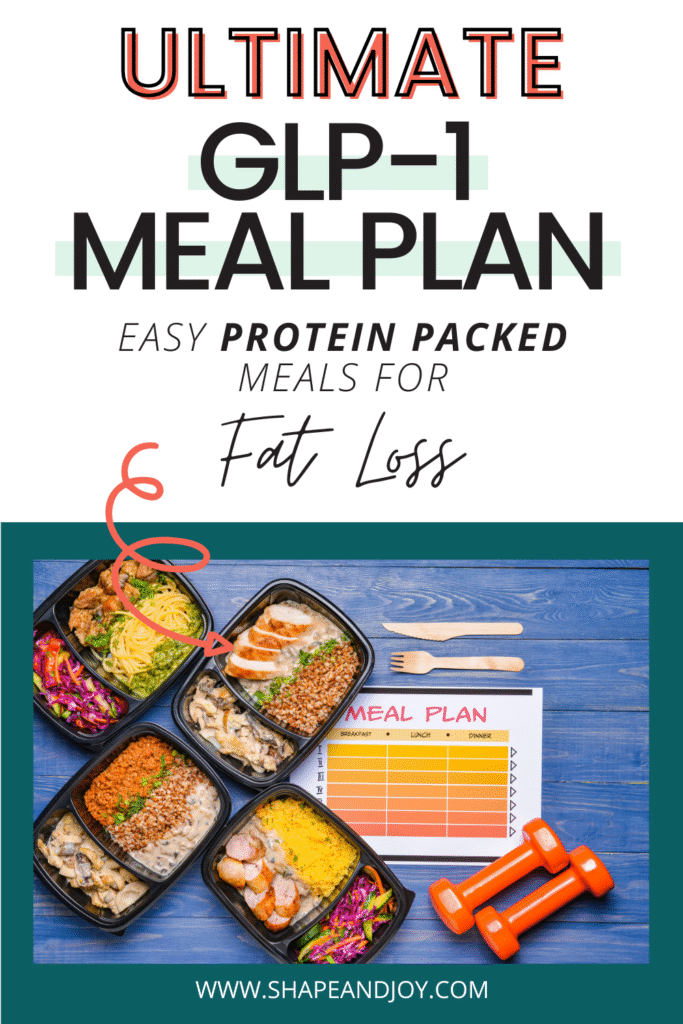
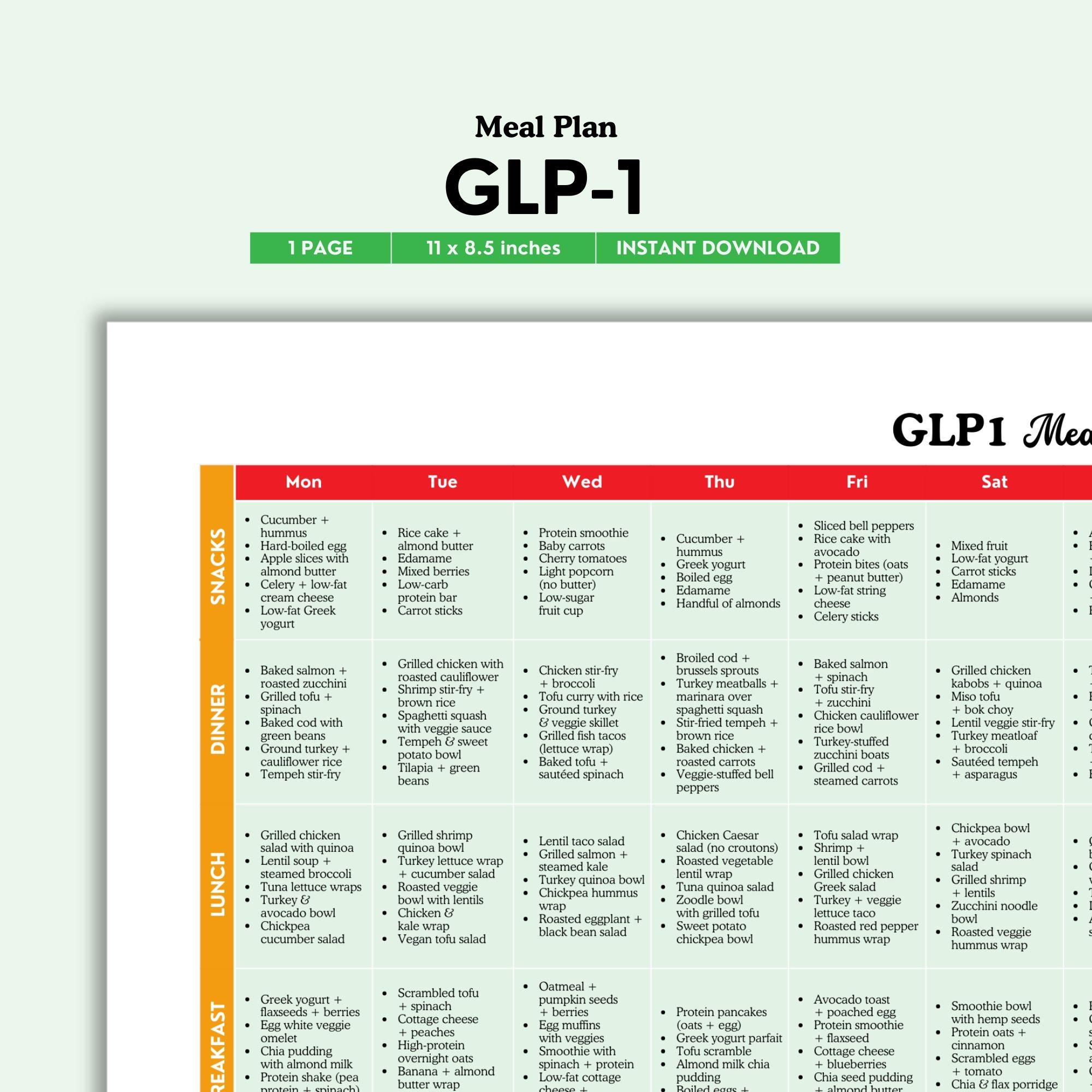
GLP-1 Diet Meal Plan Samples
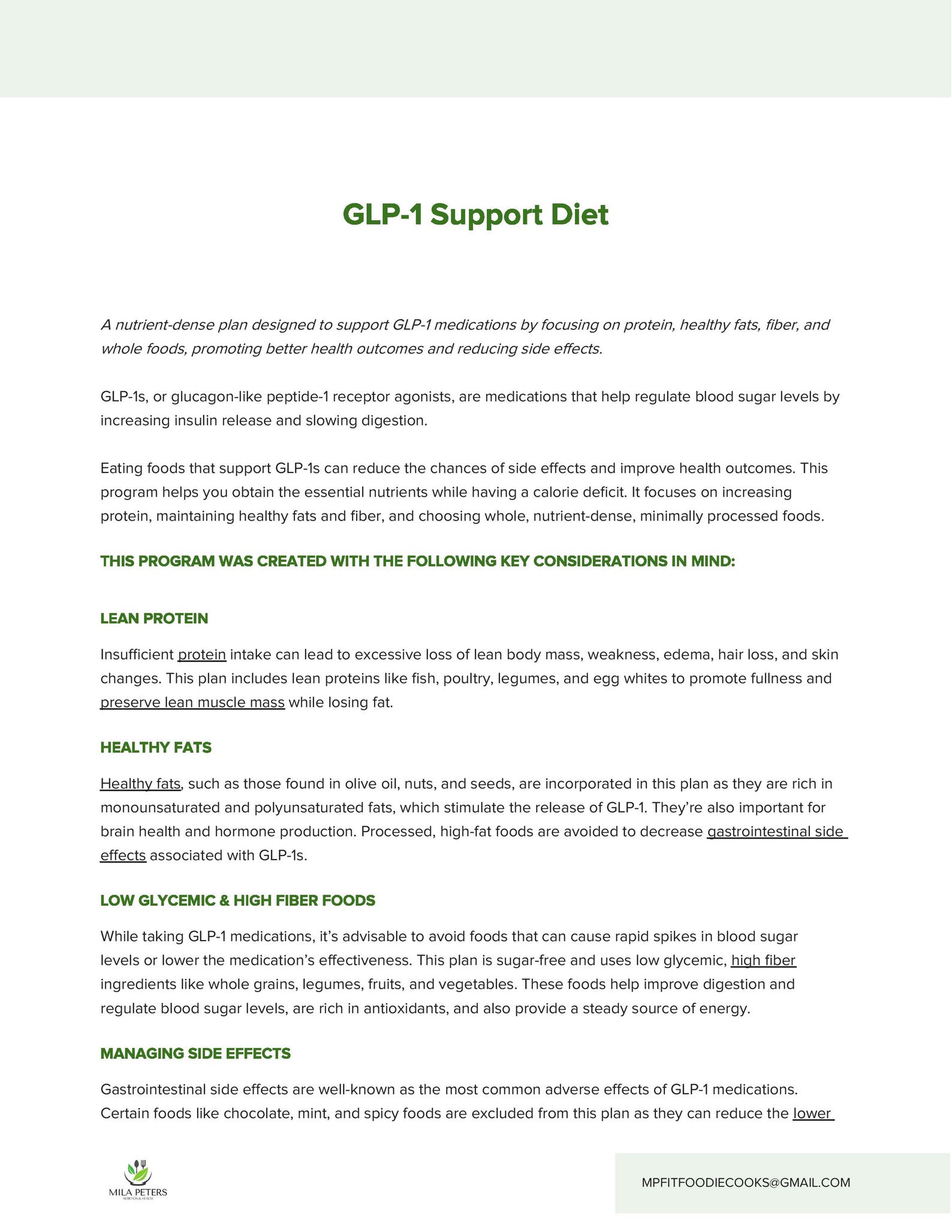
- Breakfast: Overnight oats with fruit, nuts, and seeds
- Snack: Fresh vegetables and hummus
- Lunch: Grilled chicken with brown rice and steamed vegetables
- Snack: Greek yogurt with berries and almonds
- Dinner: Grilled salmon with roasted sweet potatoes and green beans
Nutrition Tips for Efficient Weight Loss on GLP-1 Medications
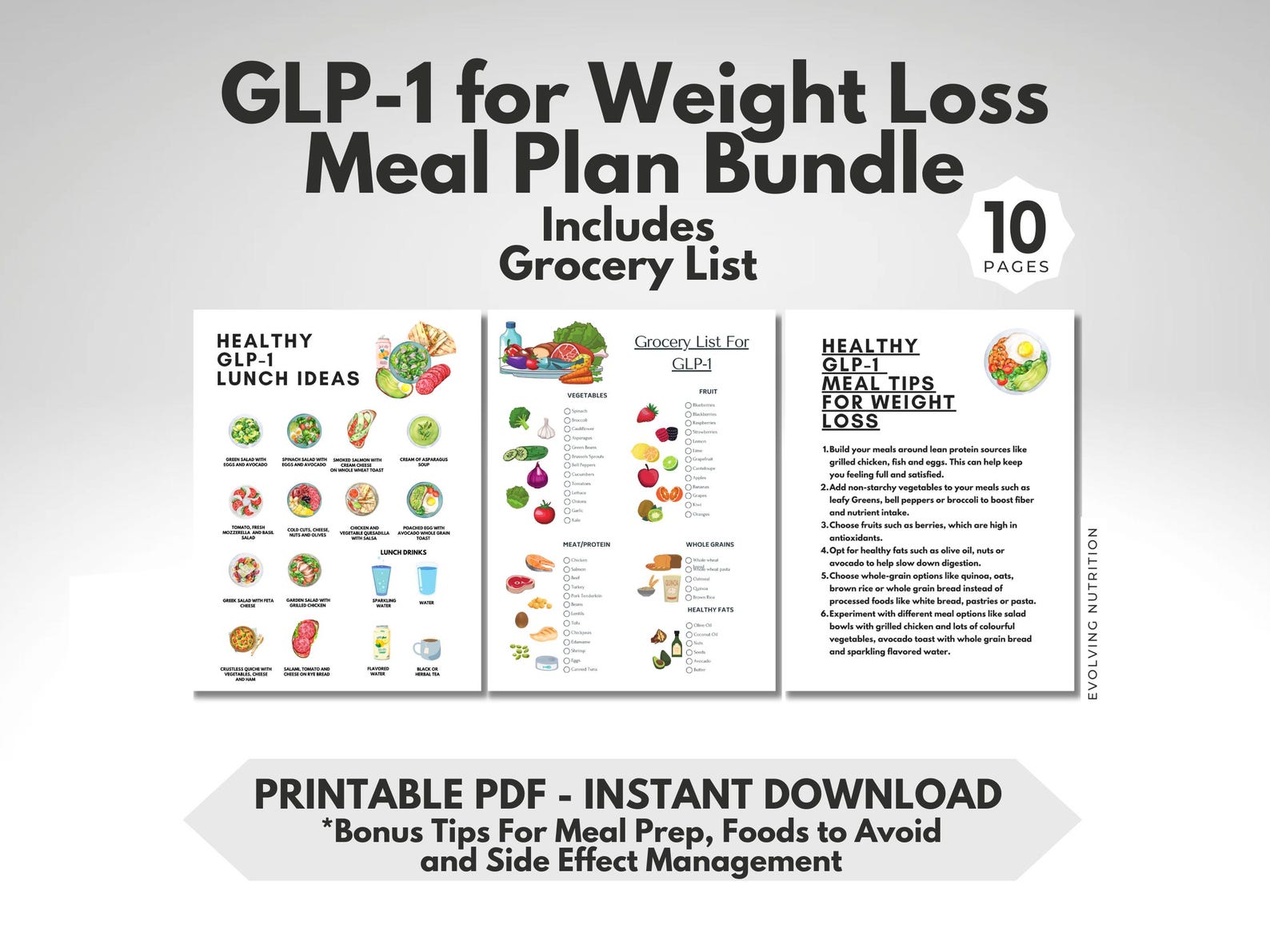
In addition to developing a comprehensive meal plan, here are some additional nutrition tips to help optimize weight loss on GLP-1 medications:- Drink plenty of water throughout the day to stay hydrated and reduce side effects
- Choose protein-rich foods and snacks to help control hunger and increase satiety
- Include healthy fats, such as avocado and nuts, to support satiety and nutrient absorption
- Monitor carbohydrate, protein, and fat intake to optimize medication effectiveness