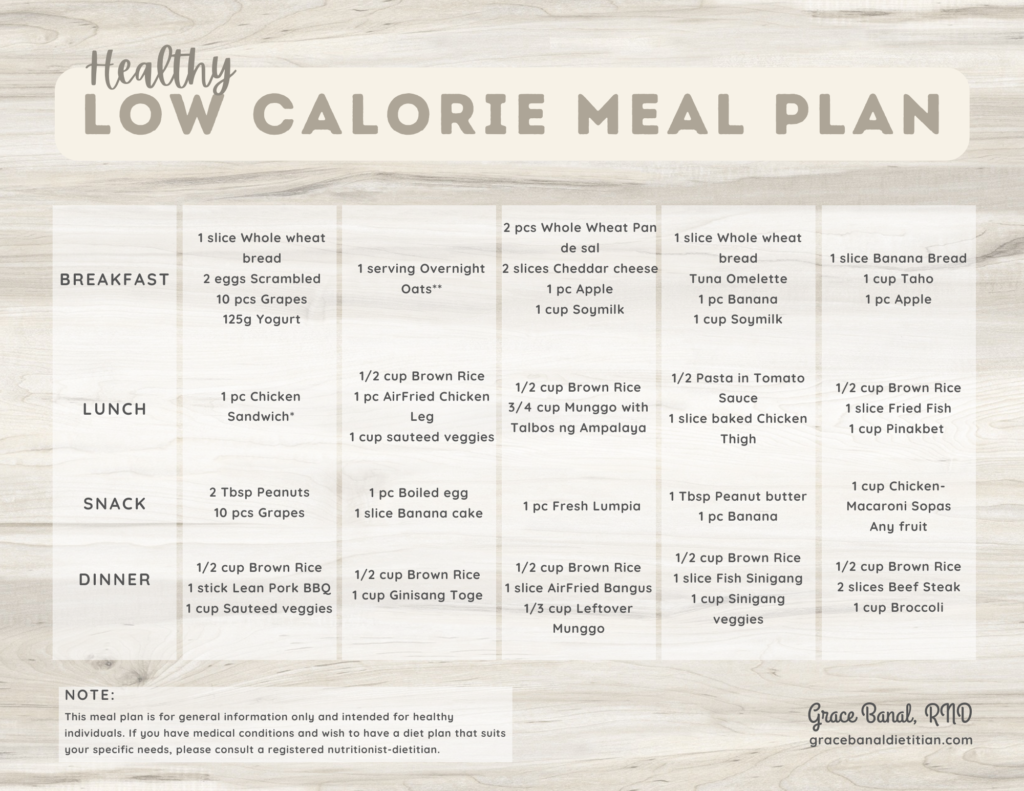
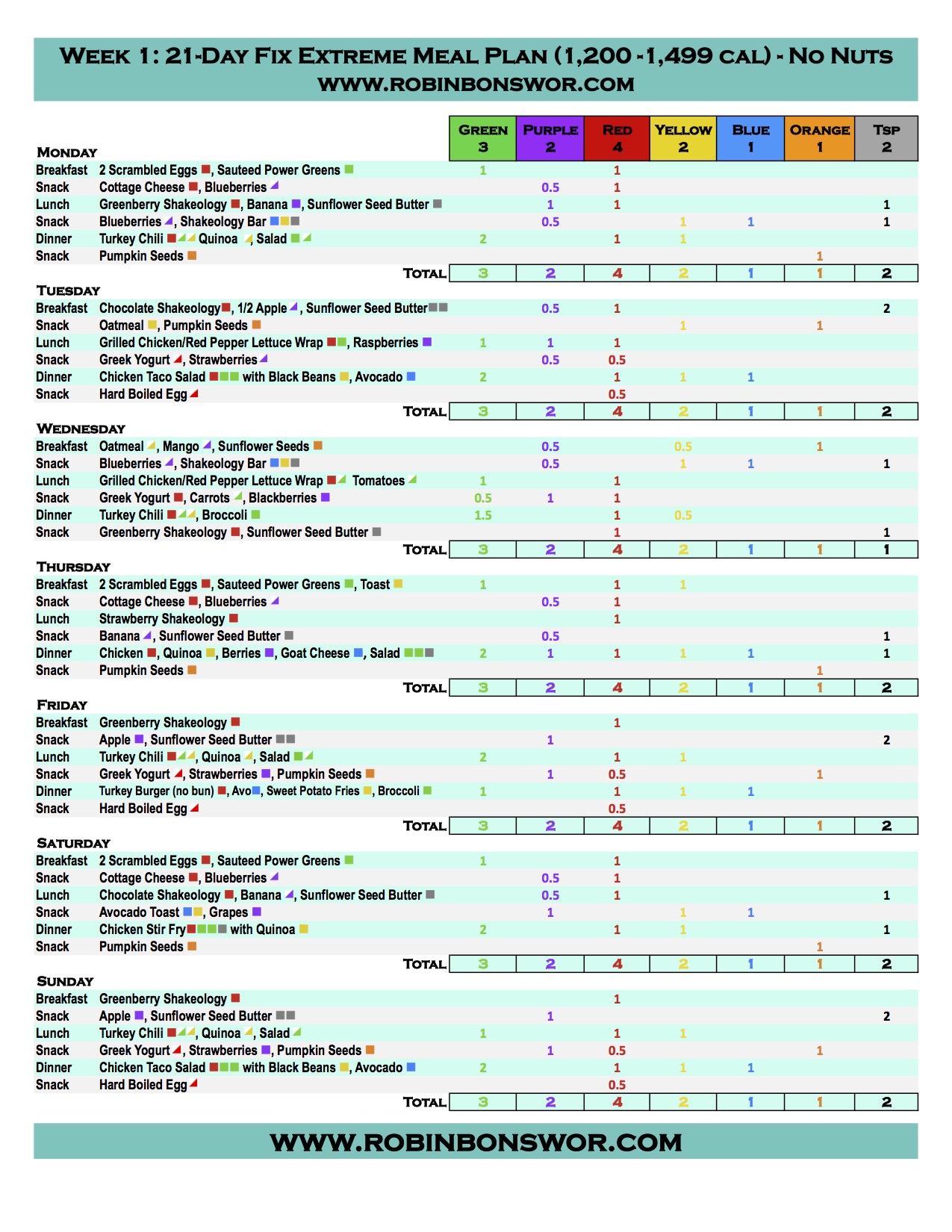
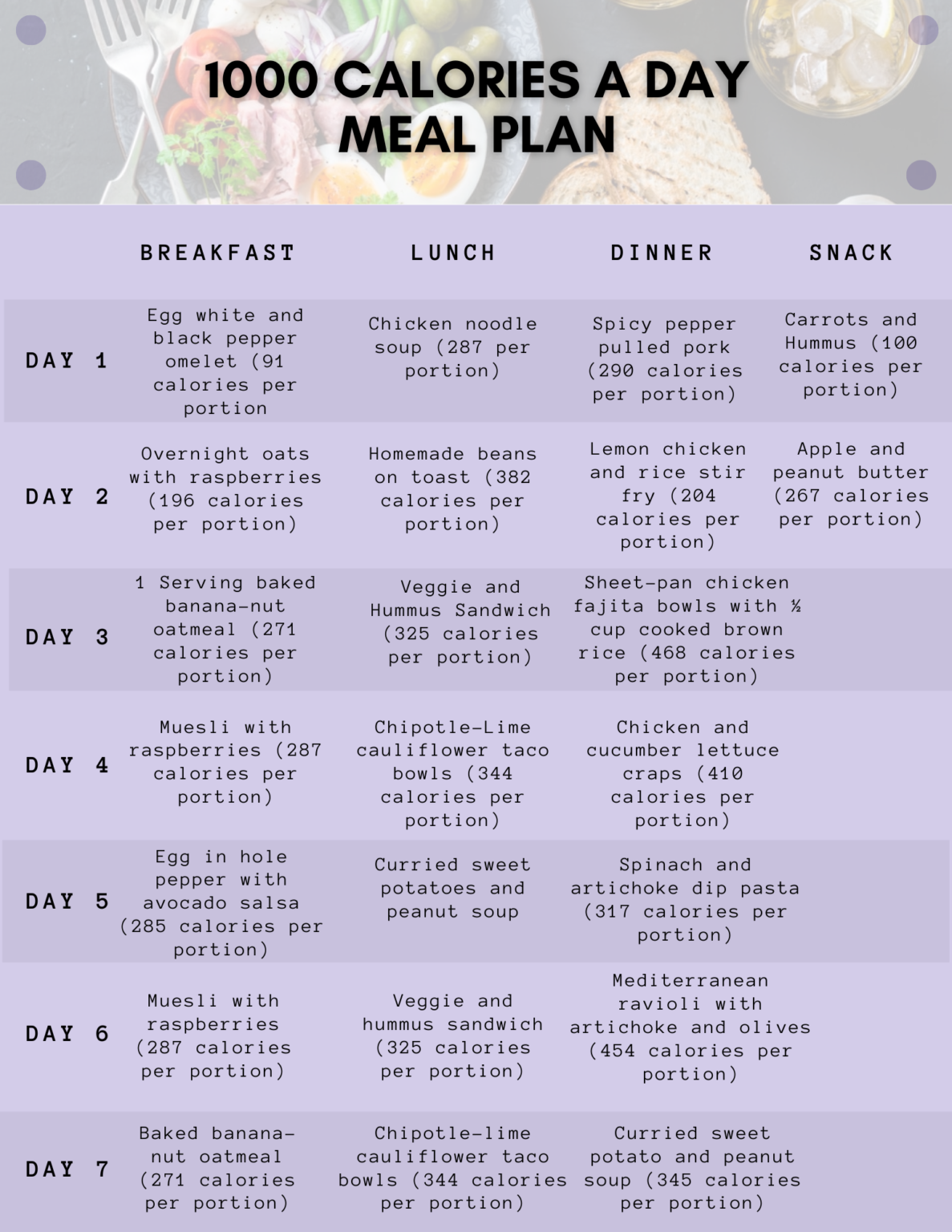
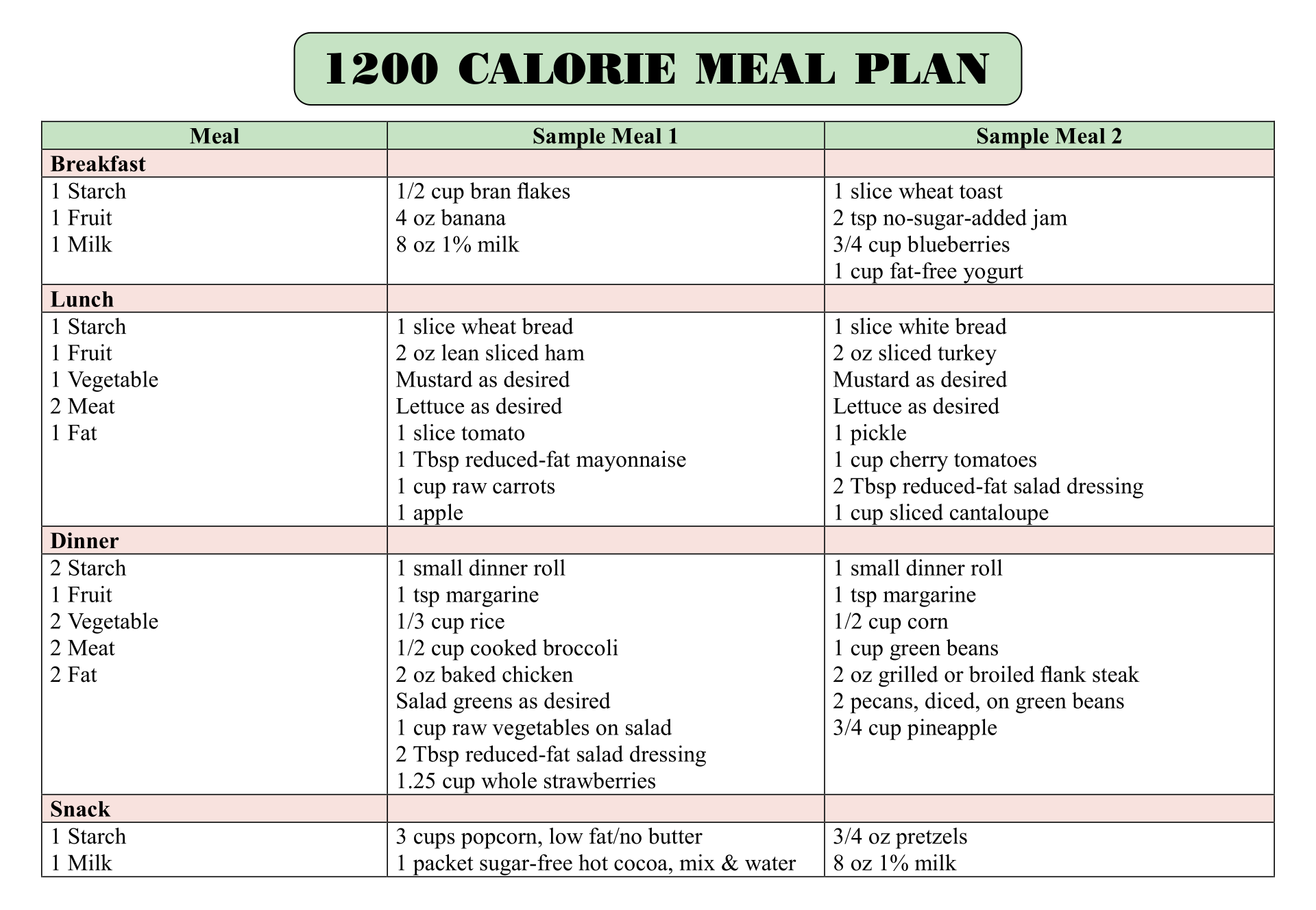
Understanding GLP-1 and Low-Calorie Meal Planning
What is GLP-1 and How Does it Affect Our Bodies?
GLP-1, or Glucagon-Like Peptide-1, is a hormone that plays a crucial role in glucose metabolism and satiety. When we eat, our body releases GLP-1, which signals to the brain that we are full and satisfied. However, for individuals taking GLP-1 medications, this hormone is artificially increased, leading to reduced appetite and improved weight loss. With GLP-1 medications, food stays in the stomach longer, meaning our digestive process is slowed down, making it essential to choose easily digestible, nutrient-dense foods.Benefits of GLP-1 and Low-Calorie Meal Planning
GLP-1 and low-calorie meal planning work in harmony to help individuals reach their weight loss goals. By eating a high-protein, high-fiber diet, individuals on GLP-1 medications can experience improved digestion, reduced hunger, and a lower risk of weight regain. This approach also enables individuals to maintain muscle mass while losing weight, thanks to the increased protein intake.Key Nutrient-Rich Ingredients for GLP-1 and Low-Calorie Meal Planning
- **Protein:** Aim for 0.8-1g of protein per pound of body weight to support muscle health and satisfaction. Include protein-rich foods like lean meats, fish, eggs, tofu, and legumes in every meal. - **Fiber-Rich Vegetables:** Incorporate high-fiber vegetables like broccoli, spinach, and bell peppers into your meals to promote healthy digestion and feelings of fullness. - **Healthy Fats:** Nuts, seeds, avocado, and olive oil are rich in healthy fats that support hormone production and satisfaction.Meal Planning Strategies for GLP-1 and Low-Calorie Diets