The GLP-1 and Gut-Brain Axis: A Groundbreaking Connection for Optimal Health
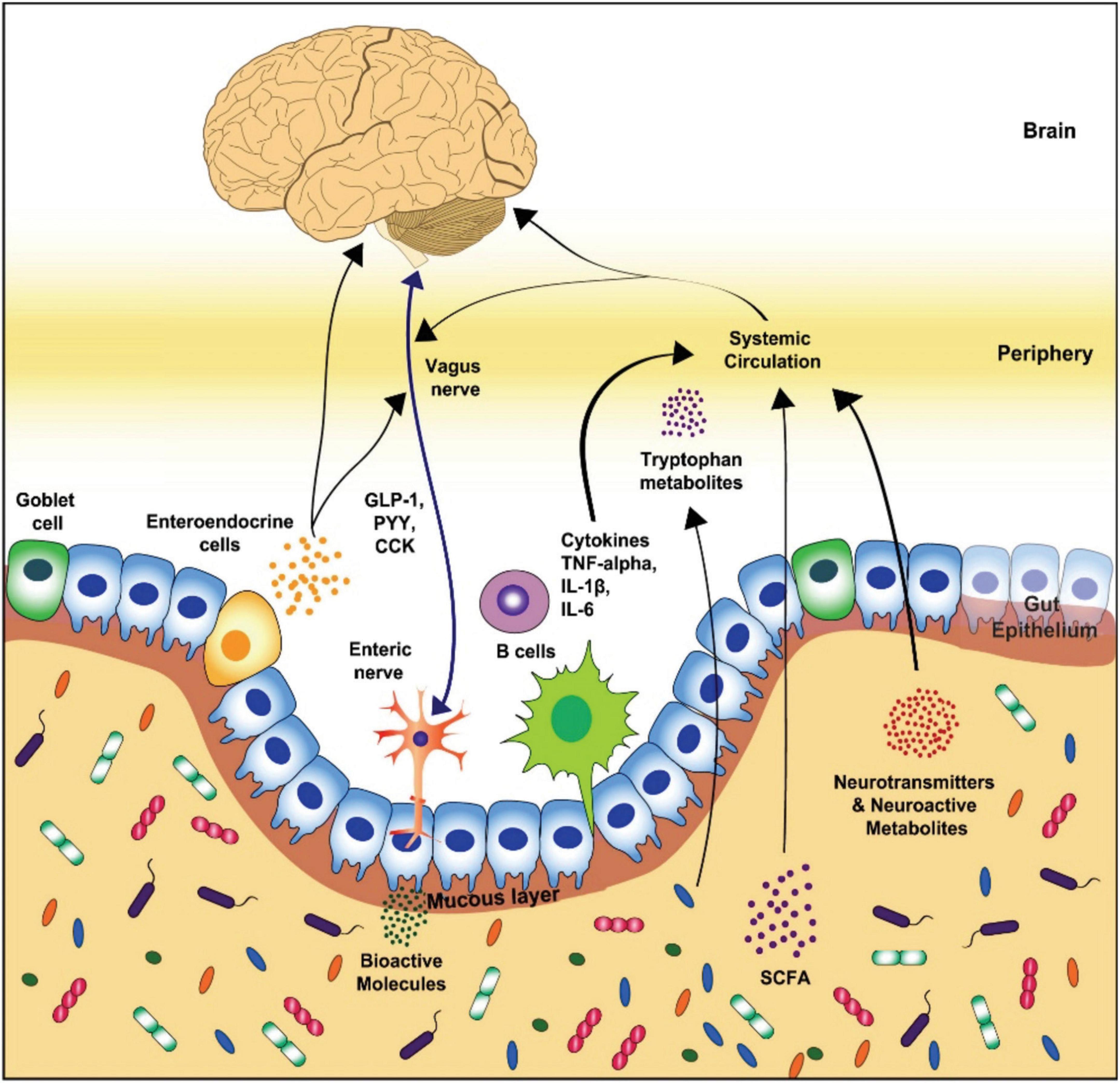
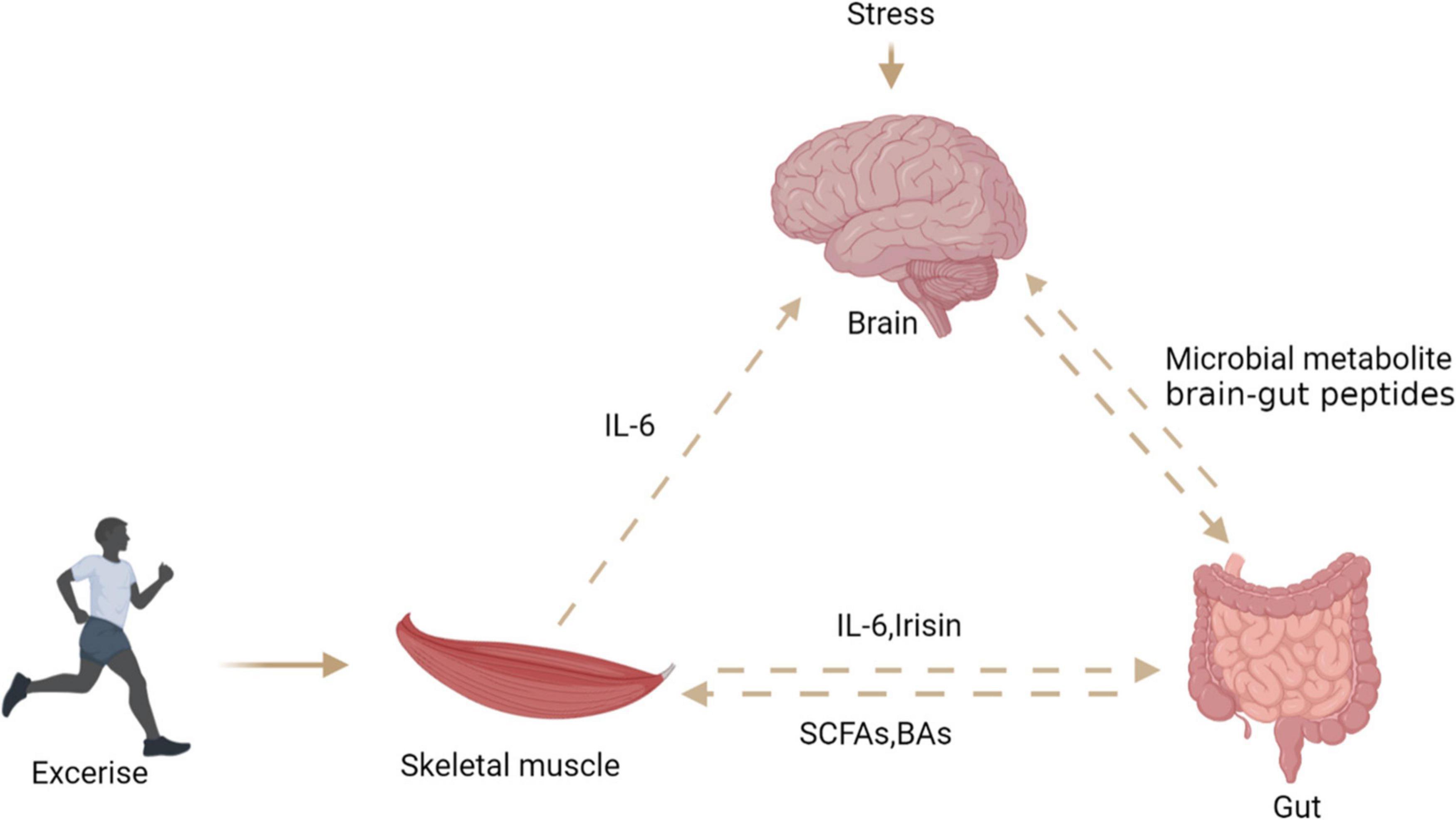
The relationship between the gut and brain is a complex and bidirectional communication network that has been dubbed the "gut-brain axis." This intricate system is comprised of the enteric nervous system, the central nervous system, and the microbiota of the gut. Recent studies have shed light on the crucial role of glucagon-like peptide-1 (GLP-1) in this axis, revealing a profound impact on appetite regulation, insulin sensitivity, and metabolic health.
Understanding the GLP-1 and Gut-Brain Axis
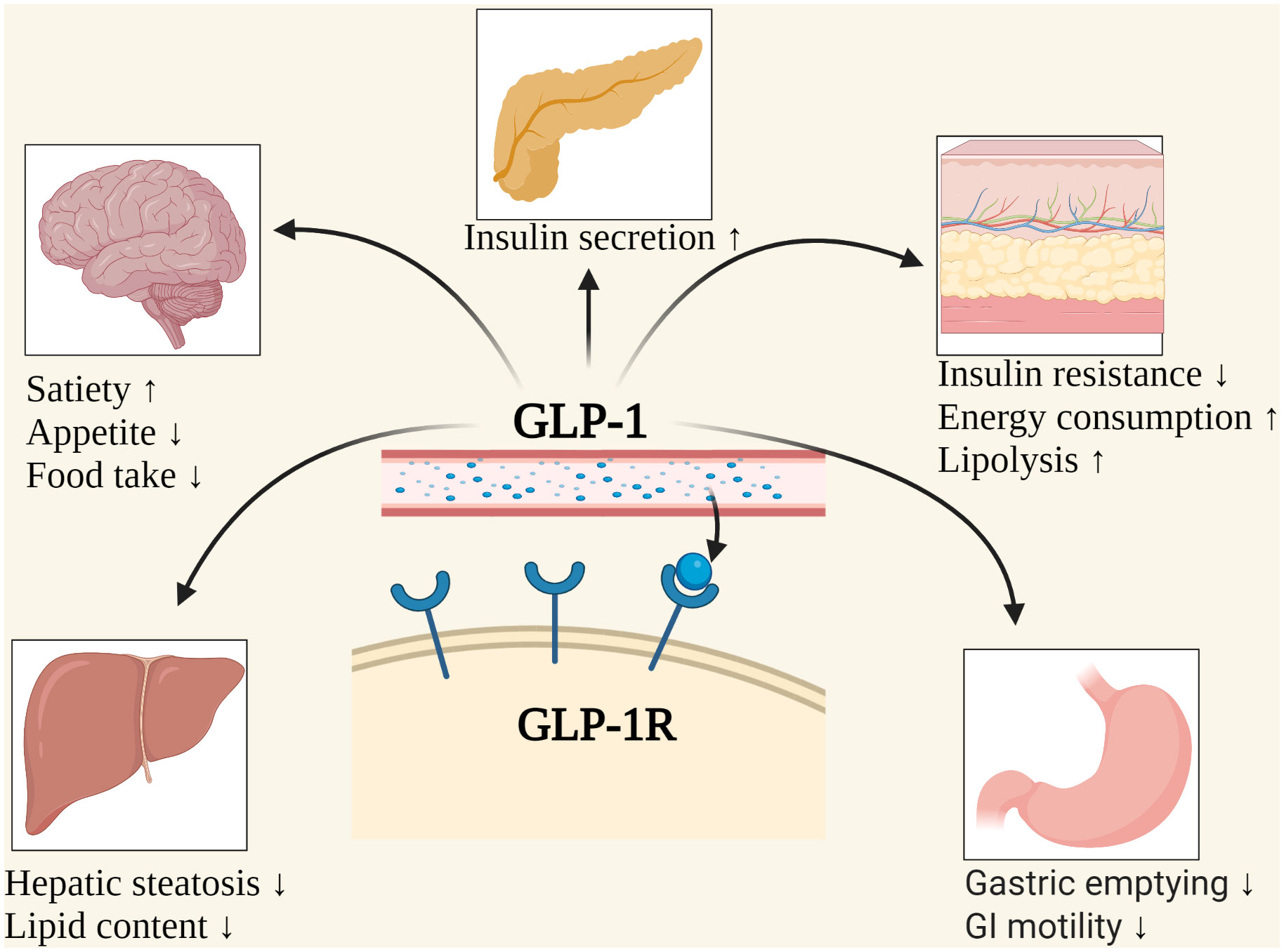
GLP-1 is a hormone produced in the intestines in response to food intake. It plays a vital role in signaling the brain to slow down digestion, reduce appetite, and promote feelings of fullness. The GLP-1 receptor is present in various tissues, including the brain, pancreas, and adipose tissue, indicating its widespread effects on metabolism and energy homeostasis.
The GLP-1 and Gut-Brain Axis: Key Functions
- Appetite regulation: GLP-1 acts on the brain to reduce hunger and increase feelings of fullness
- Insulin sensitivity: GLP-1 enhances insulin secretion and sensitivity, promoting glucose uptake in the muscles
- Metabolic control: GLP-1 influences lipid metabolism, reducing fat accumulation in the liver and adipose tissue
- Energy homeostasis: GLP-1 helps regulate energy balance by modulating food intake and energy expenditure
The Role of GLP-1 Receptor Agonists
GLP-1 receptor agonists (GLP-1RAs) are a class of medications that mimic the action of GLP-1. These medications have been shown to induce significant weight loss, improve glycemic control, and enhance metabolic health. Recent advancements in the development of GLP-1RAs have led to the creation of dual-agonist therapies, which target both the GLP-1 and GIP receptors. These dual-agonists have demonstrated superior efficacy in weight loss and metabolic improvement compared to single-GLP-1 therapies.
The Gut-Brain Axis: A Critical Pathway for Systemic Immune Regulation
Recent studies have revealed a novel and underappreciated pathway for systemic immune regulation, which involves the gut-brain axis. The gut microbiota plays a crucial role in modulating the immune response, and alterations in the gut microbiome have been linked to various diseases, including obesity, diabetes, and cardiovascular disease.
The Impact of the Gut-Brain Axis on Metabolic Health
The gut-brain axis has a profound impact on metabolic health, influencing energy homeostasis, insulin sensitivity, and glucose metabolism. Disruptions in the gut-brain axis, such as those caused by dysbiosis or altered gut motility, can lead to metabolic dysfunction, including insulin resistance, obesity, and type 2 diabetes.

Convergent Strategies for Preserving Lean Mass and Enhancing Obesity Management
Postbiotics, prebiotics, and probiotics have been proposed as potential therapeutic agents for preserving lean mass and enhancing obesity management. These agents work synergistically to optimize gut health, enhance metabolic balance, and support the gut-brain axis.
Conclusion
The GLP-1 and gut-brain axis represent a groundbreaking connection for optimal health. Understanding the intricate relationships between the gut, brain, and microbiota is crucial for developing effective therapeutic strategies for metabolic disorders. The use of GLP-1 receptor agonists, postbiotics, prebiotics, and probiotics offers promising avenues for preserving lean mass and enhancing obesity management.
References
[1] Jan 16, 2026: GLP-1RAs and the gut-brain axis: A distributed system for metabolic control
[2] Jun 11, 2025: The gut-brain axis: A novel pathway for systemic immune regulation
[3] Oct 1, 2025: INNOVATIVE 3-STEP SYNBIOTIC FORMULA: Optimizing gut health and metabolic balance
[4] 2 days ago: The gut-brain axis and stress resilience: Why probiotic supplements may not be enough
[5] Sep 19, 2025: GLP-1 and the gut: A hormone's role in digestion and metabolism