GLP-1 and Glucose Homeostasis: Understanding the Link
The Role of GLP-1 in Glucose Regulation
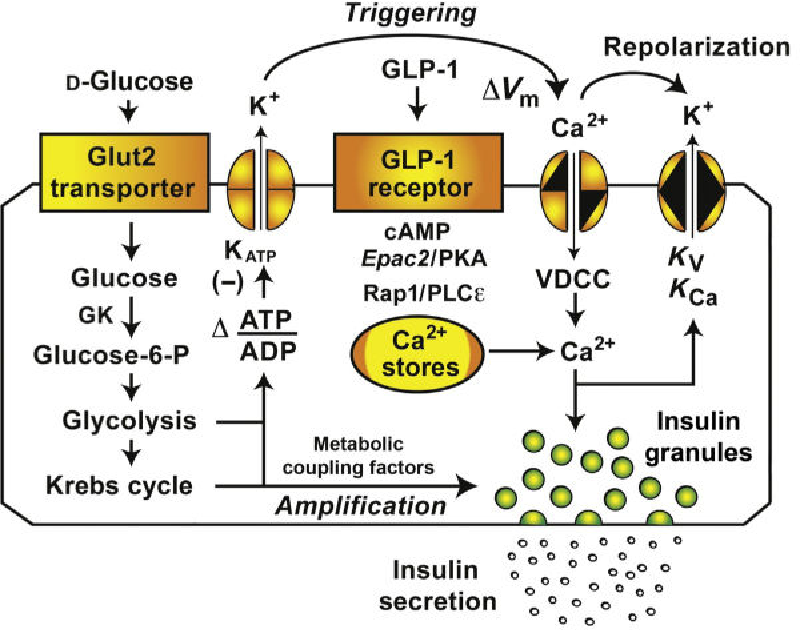
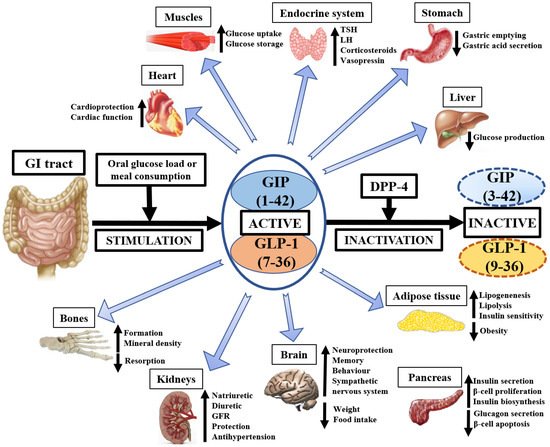
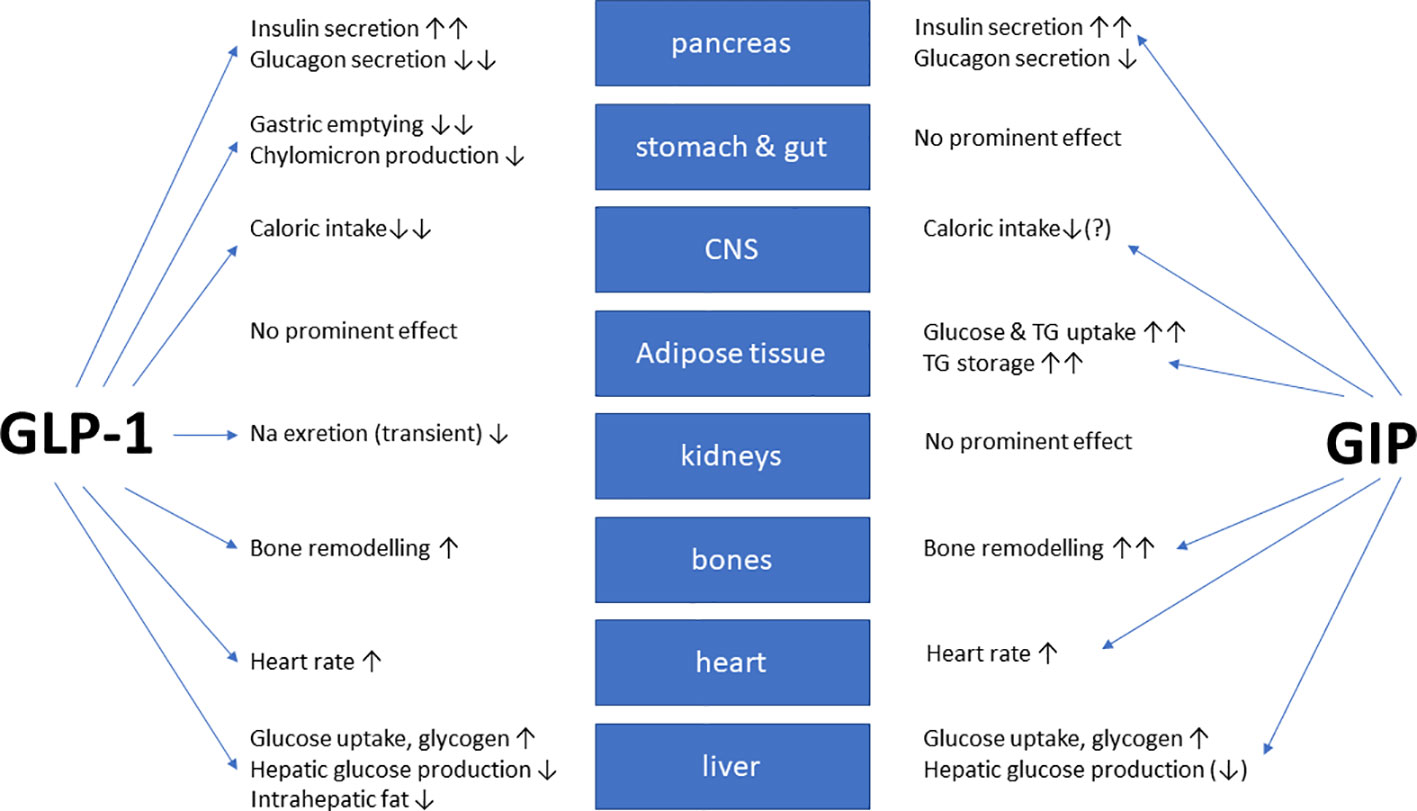
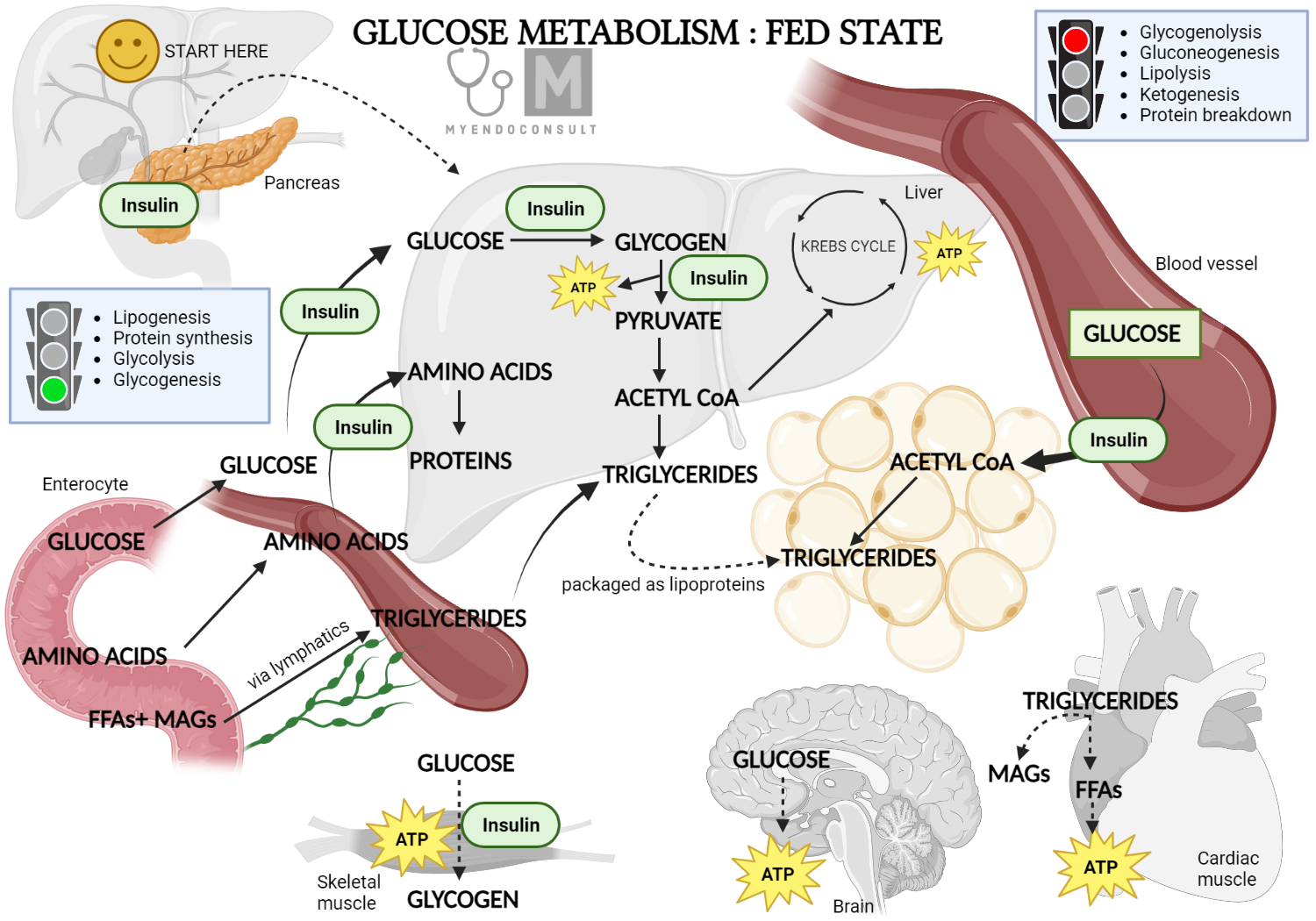
Glucagon-like peptide-1 (GLP-1) is a peptide hormone produced by the intestines in response to food intake. It plays a crucial role in regulating blood glucose levels and maintaining glucose homeostasis. GLP-1 acts on the pancreas to stimulate insulin secretion, suppress glucagon release, and slow gastric emptying, all of which contribute to lower blood glucose levels. By regulating glucose metabolism, GLP-1 helps to prevent hyperglycemia and maintain normal blood glucose levels.GLP-1's Actions on Insulin and Glucagon Secretion
GLP-1's primary action is to stimulate insulin secretion in a glucose-dependent manner. This means that GLP-1 only stimulates insulin release when blood glucose levels are high, preventing excessive insulin secretion and potential hypoglycemia. In addition to insulin secretion, GLP-1 also suppresses glucagon release, further contributing to reduced glucose levels. By regulating both insulin and glucagon secretion, GLP-1 helps to maintain glucose homeostasis.The Gut-Brain Axis and GLP-1
The gut-brain axis plays a crucial role in regulating glucose metabolism, and GLP-1 is a key player in this axis. GLP-1 acts on the central nervous system to delay gastric emptying and increase satiety, making it a potential target for the treatment of obesity and related metabolic disorders. By regulating appetite and satiety, GLP-1 helps to maintain energy homeostasis and prevent excessive glucose consumption.GLP-1 and Energy Balance