GLP-1 Agonist for Stress-Induced Eating: A Promising Therapeutic Option
The management of stress-induced eating is a critical aspect of addressing various eating disorders, including binge eating disorder (BED). Recent research has highlighted the potential of glucagon-like peptide-1 receptor agonists (GLP-1RAs) as a therapeutic option for managing stress-induced eating. In this article, we will delve into the current understanding of GLP-1RAs and their potential in addressing stress-induced eating.
What are GLP-1RAs?
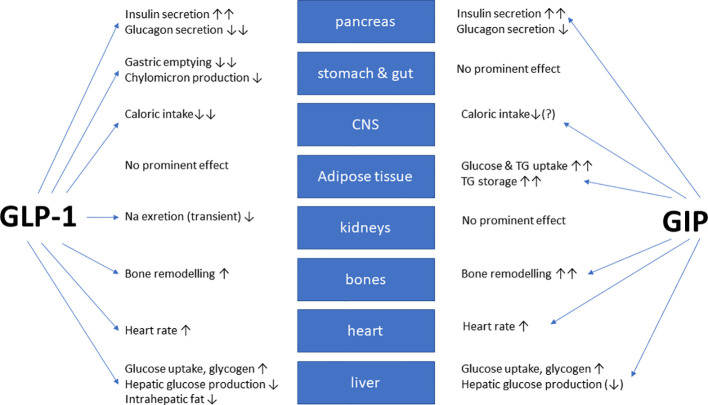
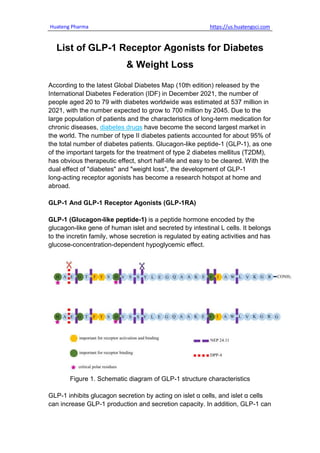
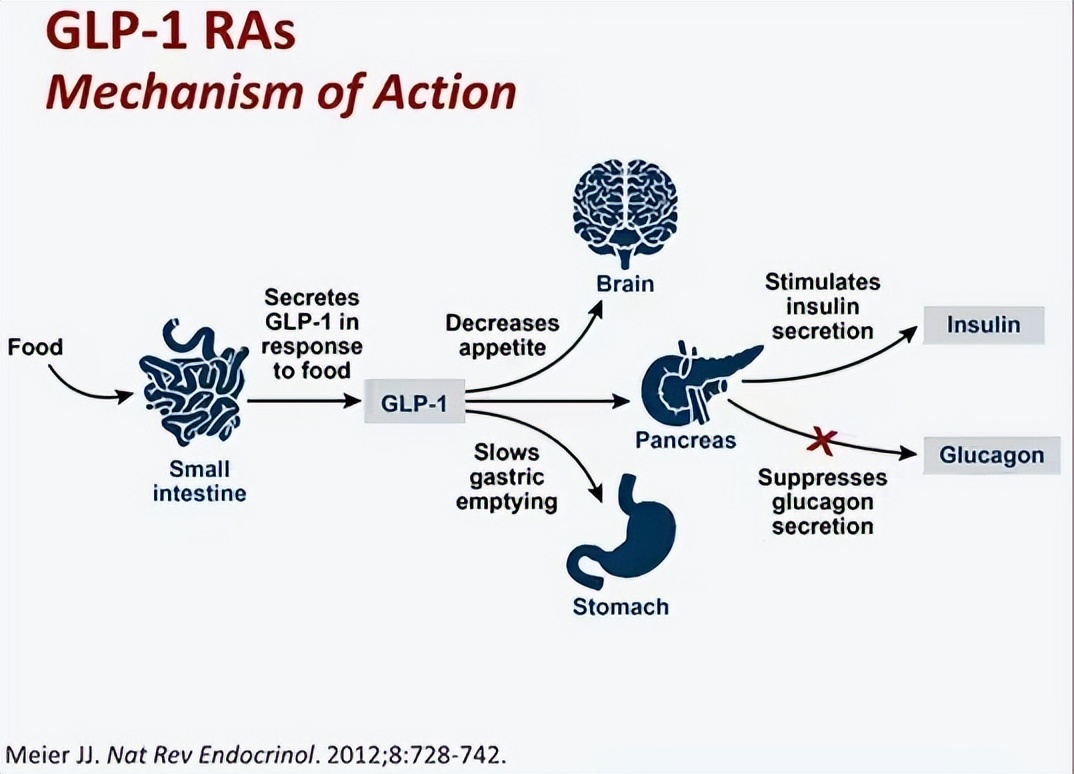
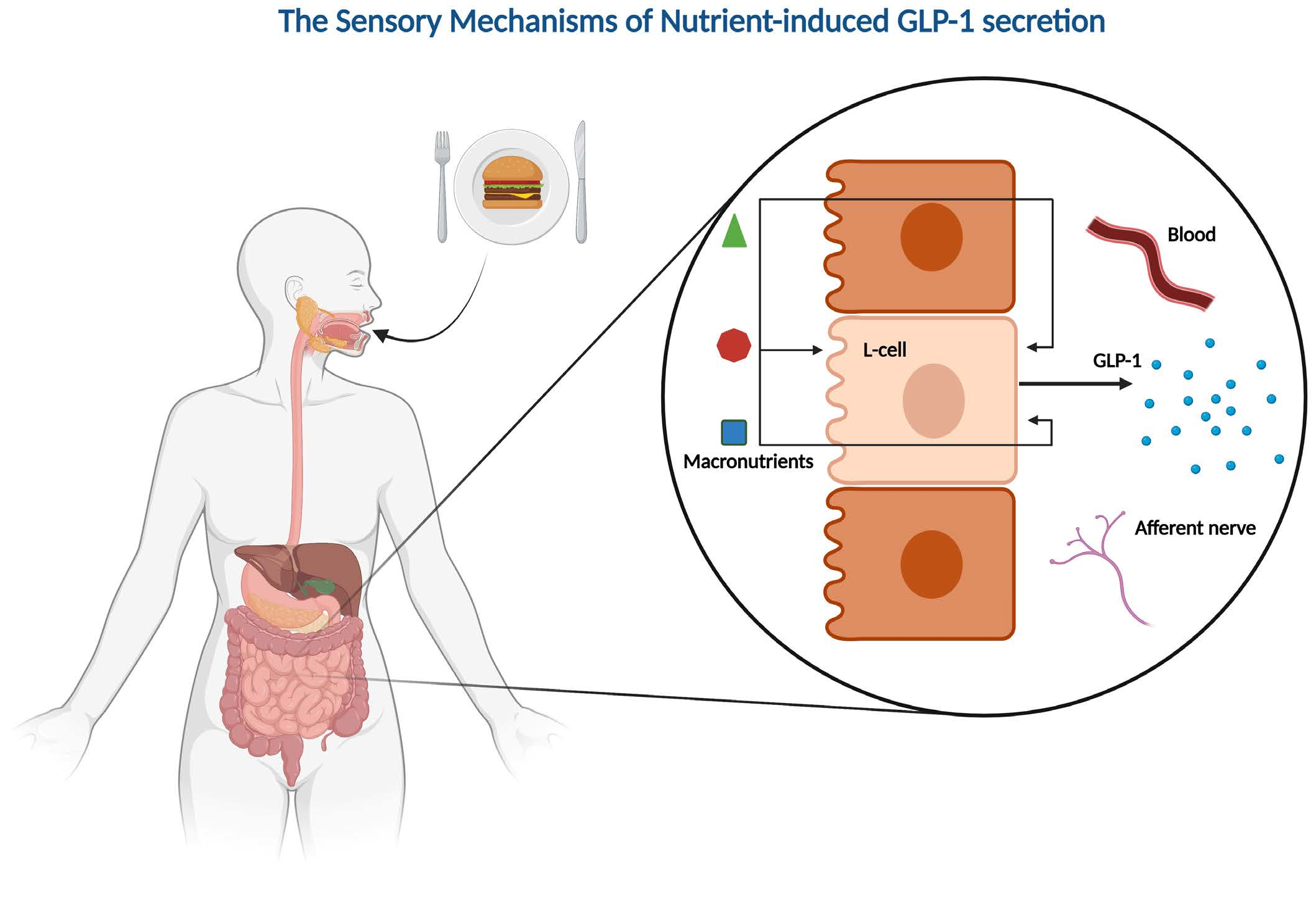
GLP-1RAs are medications that mimic the action of the naturally occurring hormone glucagon-like peptide-1 (GLP-1). GLP-1 is a hormone released by the intestines in response to food intake, which plays a crucial role in regulating appetite and metabolism. GLP-1RAs work by binding to the GLP-1 receptor, stimulating a series of effects that include reducing appetite, slowing gastric emptying, and improving insulin sensitivity.
The Role of GLP-1 in Stress Response and Emotion Regulation
Besides its well-documented effects on appetite and metabolism, GLP-1 also plays a role in stress response and emotion regulation. Studies have shown that GLP-1 acts on areas of the brain involved in stress response and emotion regulation, suggesting a potential therapeutic benefit for stress-induced eating disorders.
GLP-1RAs for Stress-Induced Eating: The Current State of Research
Several studies have investigated the potential of GLP-1RAs in managing stress-induced eating disorders. A systematic review published in the journal BMJ Open evaluated the therapeutic effects of GLP-1 agonists on BED, focusing on weight management and eating behaviors. The review found that GLP-1 agonists may be effective in reducing binge eating episodes and promoting weight loss in individuals with BED.
The Benefits of GLP-1RAs for Stress-Induced Eating
- Reduced appetite and food intake: GLP-1RAs have been shown to reduce appetite and food intake, which can help individuals with stress-induced eating disorders manage their symptoms.
- Improved mood: GLP-1RAs have been linked to improved mood and reduced symptoms of anxiety and depression, which can contribute to stress-induced eating.
- Weight loss: GLP-1RAs have been shown to promote weight loss in individuals with stress-induced eating disorders, which can improve overall health and reduce the risk of chronic diseases.
The Challenges and Limitations of GLP-1RAs for Stress-Induced Eating

While the potential benefits of GLP-1RAs for stress-induced eating are promising, there are several challenges and limitations to consider. These include:
- Side effects: GLP-1RAs can cause side effects such as nausea, vomiting, and diarrhea, which can be particularly challenging for individuals with eating disorders.
- Lack of long-term data: The long-term effects of GLP-1RAs on stress-induced eating disorders are not yet fully understood, and more research is needed to evaluate their safety and efficacy.
- Individual variability: GLP-1RAs may work differently for each person, and more research is needed to understand individual variability in response to these medications.
Conclusion
GLP-1RAs represent a promising therapeutic option for managing stress-induced eating disorders. While there are challenges and limitations to consider, the potential benefits of these medications make them an area of ongoing research and investigation. Further studies are needed to fully understand the effects of GLP-1RAs on stress-induced eating disorders and to develop effective treatment strategies.
Future Directions
Future research should focus on:
- Long-term studies: Conducting long-term studies to evaluate the safety and efficacy of GLP-1RAs for stress-induced eating disorders.
- Individual variability: Investigating individual variability in response to GLP-1RAs and developing strategies to optimize treatment outcomes.
- Combination therapy: Exploring the potential benefits of combining GLP-1RAs with other treatments, such as psychotherapy and lifestyle interventions, to improve treatment outcomes.
References
Please note that this article is a compilation of various sources and is not a comprehensive review of the literature. For a complete understanding of the topic, readers are encouraged to consult the original sources cited below.
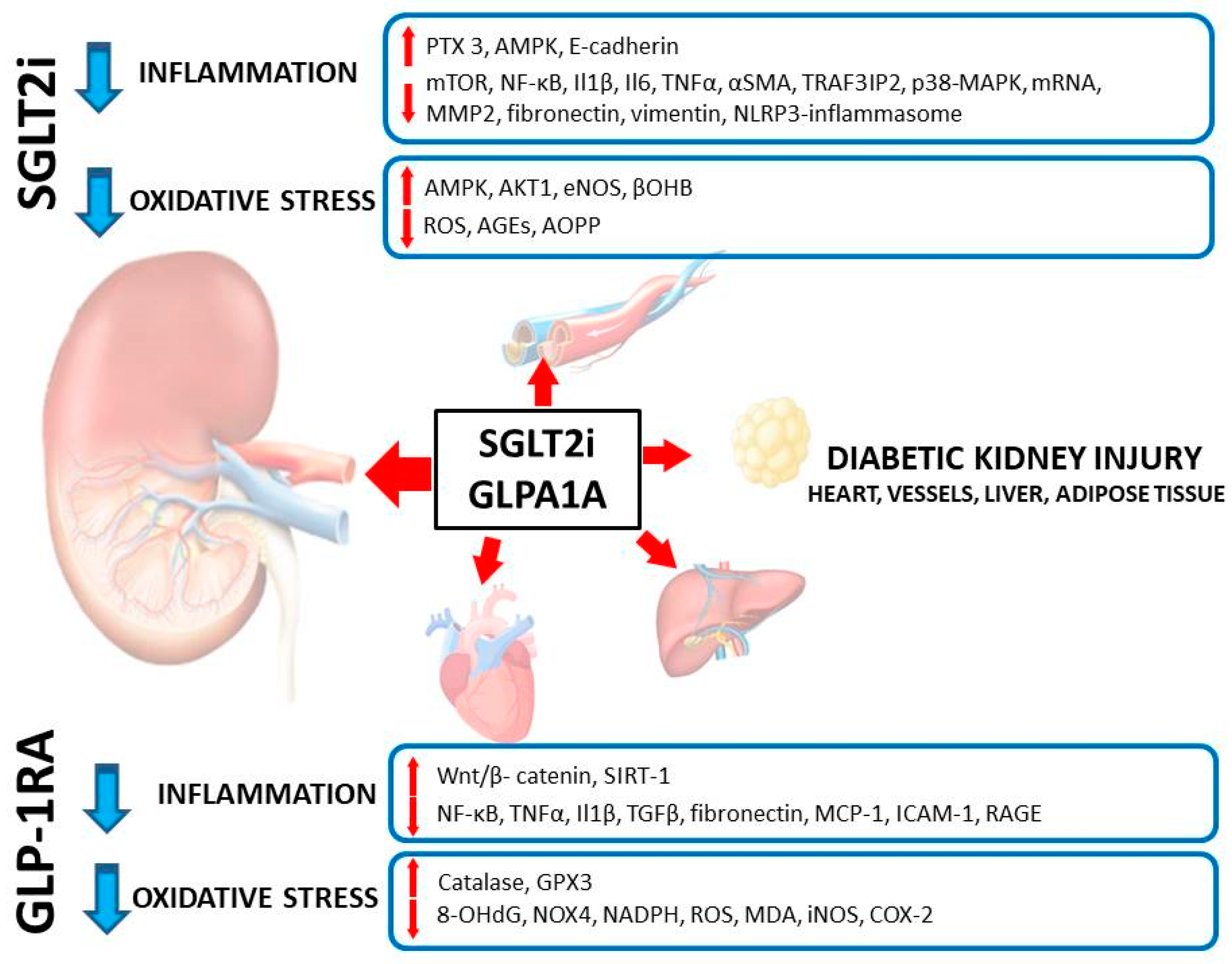
- Martins, F. F. et al. Semaglutide (GLP‐1 receptor agonist) stimulates browning on subcutaneous fat adipocytes and mitigates inflammation and endoplasmic reticulum stress in visceral fat. Nature Communications 2022.
- Kornelius E. et al. The risk of depression, anxiety, and suicidal behavior in patients with obesity on glucagon like peptide-1 receptor agonist therapy. Scientific Reports 2024.
- Pedersen, L. et al. GLP-1 agonists and eating behavior. BMJ Open 2022.