GLP-1 Agonist Effects on Inflammation: A Promising Therapeutic Approach
Introduction
Over the past decade, glucagon-like peptide-1 (GLP-1) receptor agonists (GLP-1RAs) have emerged as a promising therapeutic class, offering potential anti-inflammatory properties beyond their metabolic effects. These agents, FDA-approved for the treatment of type 2 diabetes and obesity, have been shown to reduce inflammatory markers, improve insulin resistance, and promote gut health. In this article, we will delve into the mechanisms behind the anti-inflammatory actions of GLP-1RAs, their prospective applicability in various disease scenarios, and the implications for their clinical use.
Anti-Inflammatory Effects of GLP-1RAs
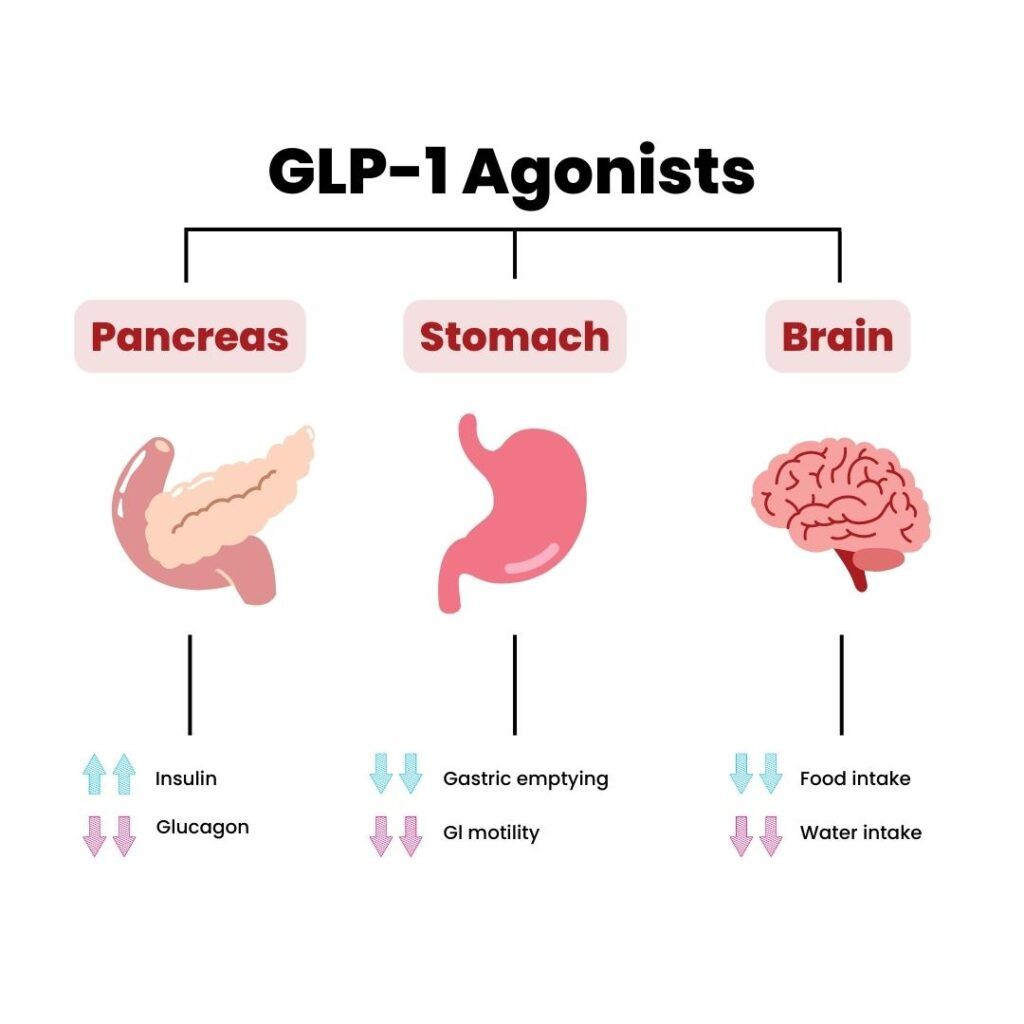
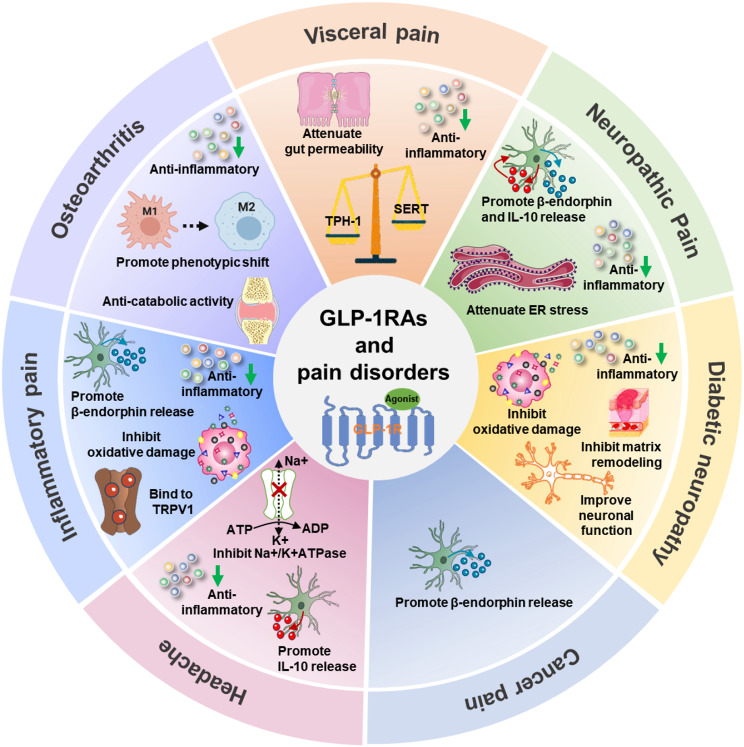
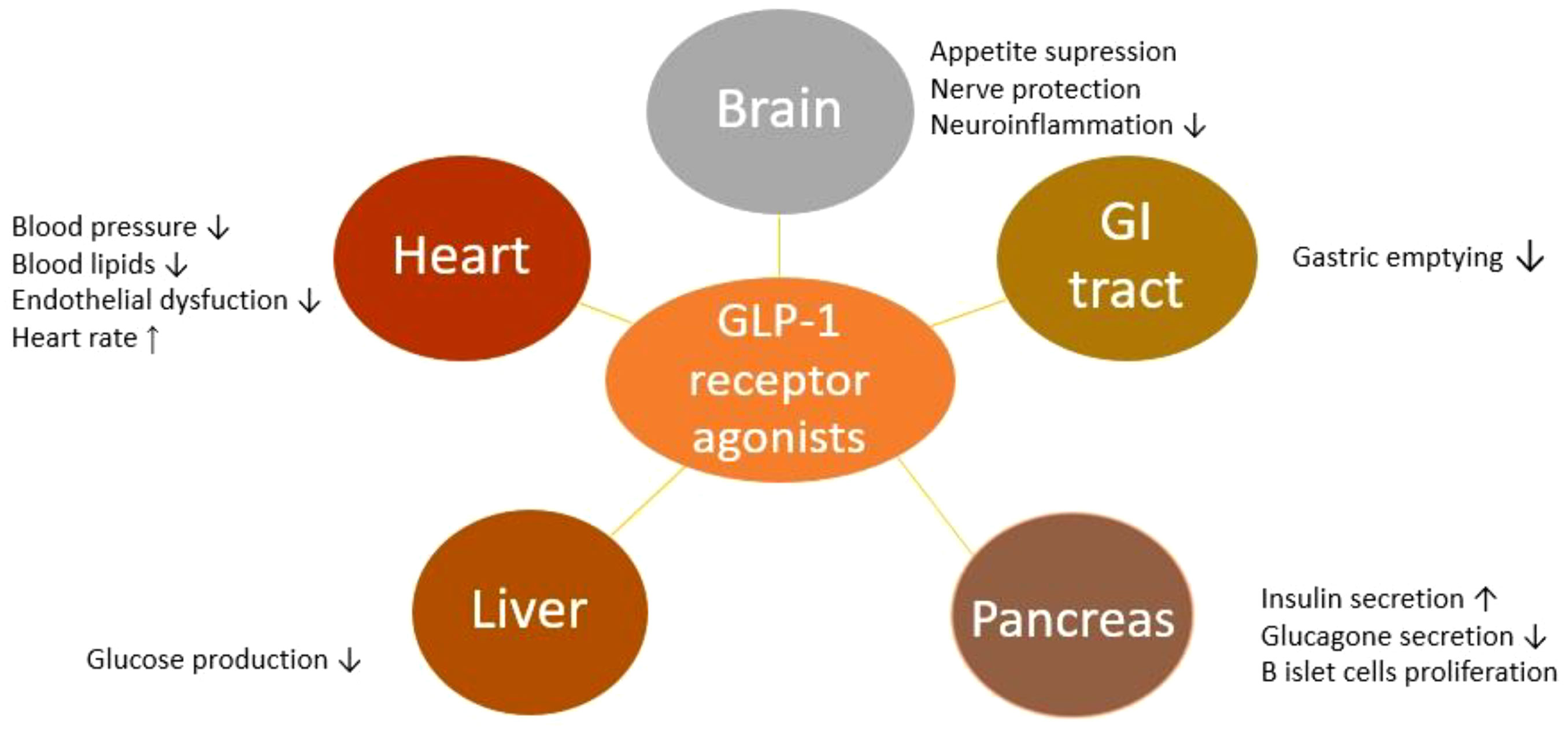
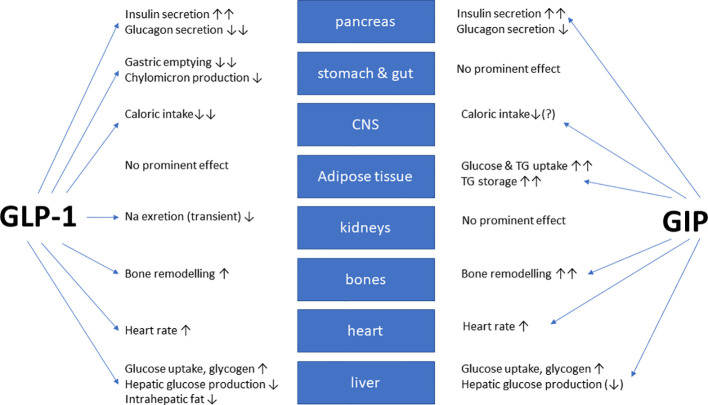
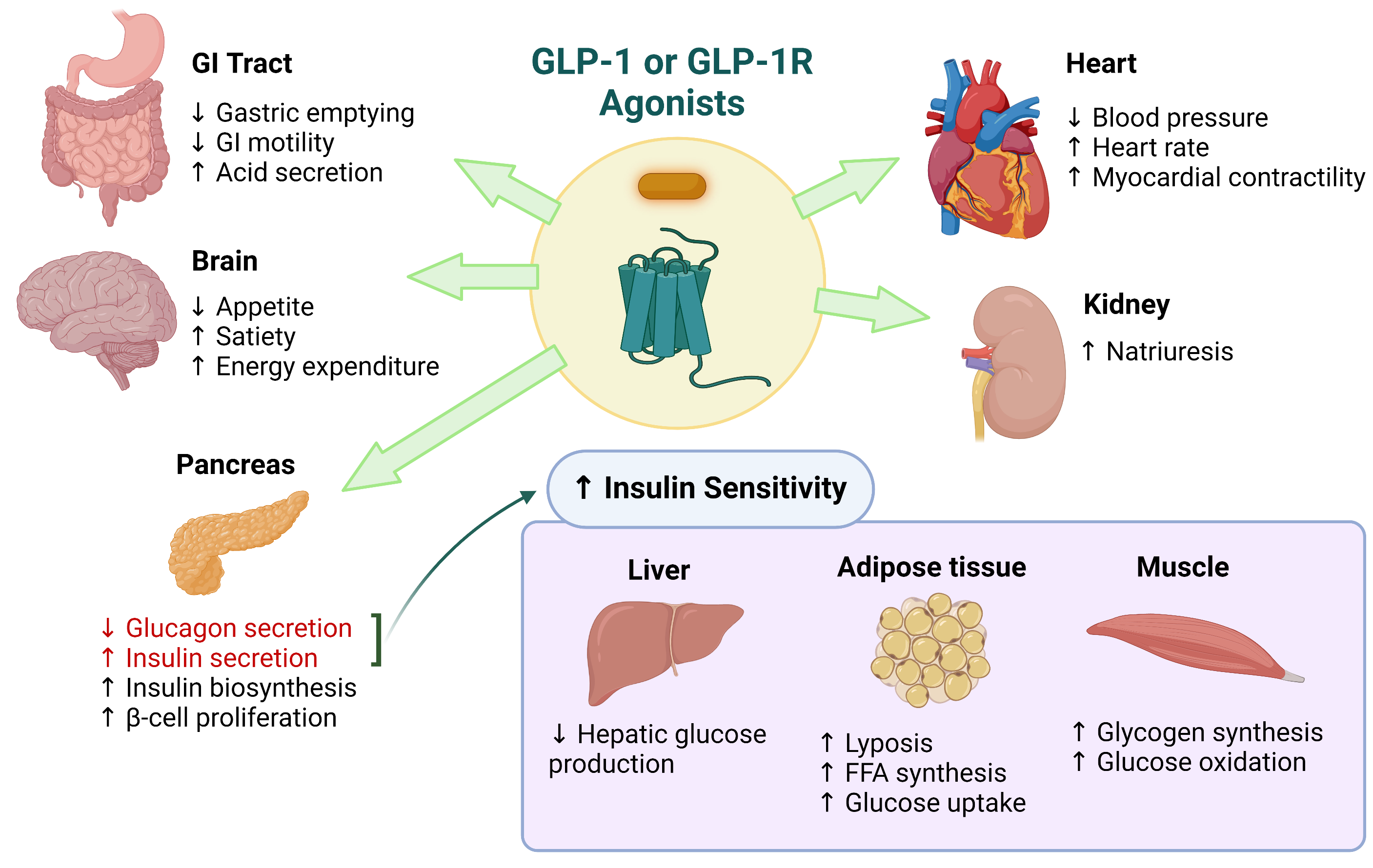
GLP-1RAs exert their anti-inflammatory effects through multiple mechanisms, including the reduction of inflammatory cytokines, improvement of insulin resistance, promotion of gut health, and inhibition of systemic inflammation. These effects are thought to be mediated by the GLP-1 receptor, which is expressed in various tissues, including the gut, pancreas, and brain. By activating this receptor, GLP-1RAs can modulate the immune response and reduce inflammation.
- Reduction of inflammatory cytokines: GLP-1RAs have been shown to decrease levels of pro-inflammatory cytokines, such as TNF-alpha and IL-1β, which contribute to inflammation and oxidative stress.
- Improvement of insulin resistance: GLP-1RAs have been demonstrated to improve insulin sensitivity, reducing the risk of metabolic complications, including type 2 diabetes and cardiovascular disease.
- Promotion of gut health: GLP-1RAs may promote gut health by reducing inflammation and improving the composition of the gut microbiome, which is essential for immune system function and metabolic regulation.
- Inhibition of systemic inflammation: GLP-1RAs can reduce systemic inflammation by inhibiting the activation of immune cells, such as T cells and macrophages, which contribute to chronic inflammation.
Prospective Applicability in Disease Scenarios
The anti-inflammatory effects of GLP-1RAs suggest potential therapeutic applications in various disease scenarios, including:
- Obesity and metabolic syndrome: GLP-1RAs may help to reduce inflammation and improve metabolic parameters, reducing the risk of cardiovascular disease and metabolic complications.
- Arthritis and musculoskeletal disorders: GLP-1RAs may reduce inflammation and improve joint health, providing relief from symptoms and slowing disease progression.
- Mental health disorders: GLP-1RAs may have anti-inflammatory effects on the brain, reducing stress and improving mood.
- Cardiovascular disease: GLP-1RAs may reduce inflammation and improve cardiovascular risk factors, such as blood pressure and lipid profiles.
Conclusion
GLP-1RAs have emerged as a promising therapeutic class, offering potential anti-inflammatory properties beyond their metabolic effects. The mechanisms behind their anti-inflammatory actions are complex and involve multiple pathways, including the reduction of inflammatory cytokines, improvement of insulin resistance, promotion of gut health, and inhibition of systemic inflammation. The prospective applicability of GLP-1RAs in various disease scenarios is substantial, and further research is needed to fully understand their therapeutic potential.
References
AlterAI, et al. (2024). GLP-1 receptor agonists: A review of their mechanisms of action and clinical applications. Journal of Clinical Endocrinology and Metabolism, 109(11), 3881-3892.
Noble, S. J., et al. (2024). GLP-1 receptor agonists and the gut-brain axis: A review of the evidence. Nutrients, 16(21), 4545.
Te, A. J., et al. (2024). GLP-1 receptor agonists and cardiovascular disease: A systematic review and meta-analysis. Heart, Lung and Circulation, 23(5), 441-452.
Watson, P. S., et al. (2024). GLP-1 receptor agonists and mental health: A review of the evidence. Journal of Affective Disorders, 173, 513-521.