Creating a Remote Team Policy Framework: A Comprehensive Guide
Introduction
In today's fast-paced digital landscape, remote work has become the new norm for many businesses. With the rise of remote teams, it's essential to establish a clear policy framework that sets expectations, defines responsibilities, and outlines how remote work should be managed. In this guide, we'll break down the key components of a comprehensive remote team policy framework and provide a template to help you get started.Why a Remote Work Policy Framework is Critical
A well-crafted remote work policy framework is essential for any business with a distributed team. It ensures productivity, reduces confusion, and sets clear expectations for remote workers. Without a written policy, teams are left guessing, which can lead to friction, miscommunication, and decreased productivity.Key Components of a Remote Work Policy Framework

-
Eligibility and Work Arrangements
Define the criteria for remote work and the types of work arrangements that are allowed, such as flexible hours, part-time remote work, or full-time remote work. -
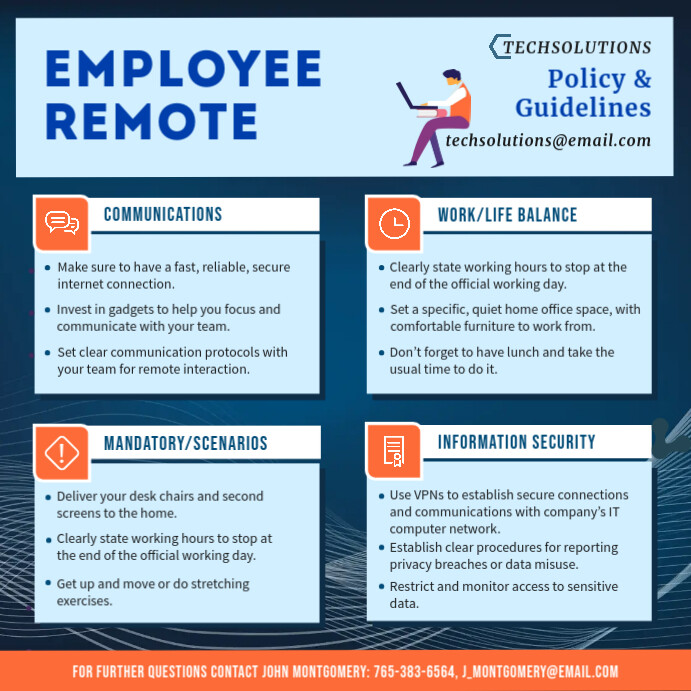
Security and Data Protection
Outline the security protocols and data protection measures that must be followed by remote workers, including encryption, secure data storage, and regular software updates. -
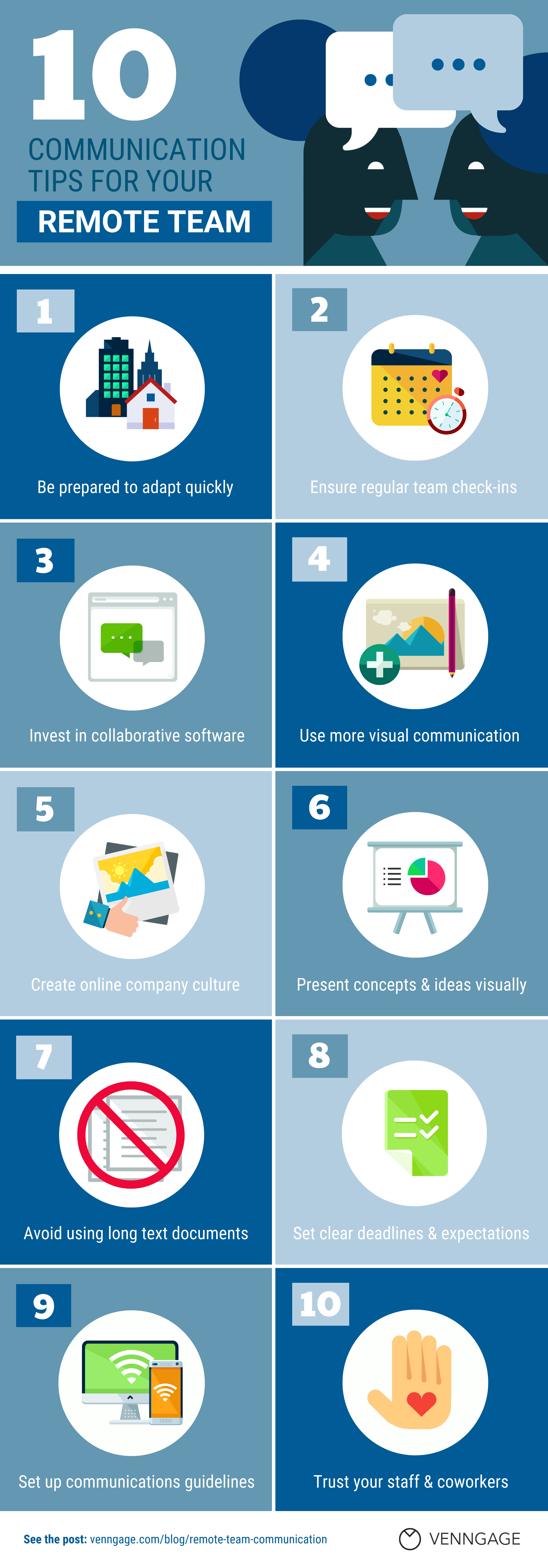
Communication Standards
Establish clear communication channels and standards for remote workers, including regular check-ins, virtual meetings, and asynchronous communication tools. -
Performance Guidelines
Define key performance indicators (KPIs) for remote workers, including productivity metrics, quality standards, and expectations for remote work habits. -
Confidentiality and Intellectual Property
Outline the expectations for remote workers to maintain confidentiality and protect company intellectual property, including non-disclosure agreements and intellectual property rights. -
Technology and Equipment
Specify the technology and equipment requirements for remote workers, including internet connectivity, software applications, and hardware devices. -
Team Collaboration and Communication
Establish guidelines for remote workers to collaborate and communicate with colleagues, including virtual team meetings, project management tools, and urgent messaging systems. -
Closedown and Security Procedures
Outline the procedures for remote workers to follow when closing down their remote work environment, including shut-down protocols, security checks, and equipment maintenance. -
Employee Roles and Responsibilities
Define the roles and responsibilities of remote workers, including their duties, expectations, and accountabilities. -
Conduct and Disciplinary Procedures
Establish clear conduct and disciplinary procedures for remote workers, including expectations for professional conduct, reporting incidents, and addressing misconduct.